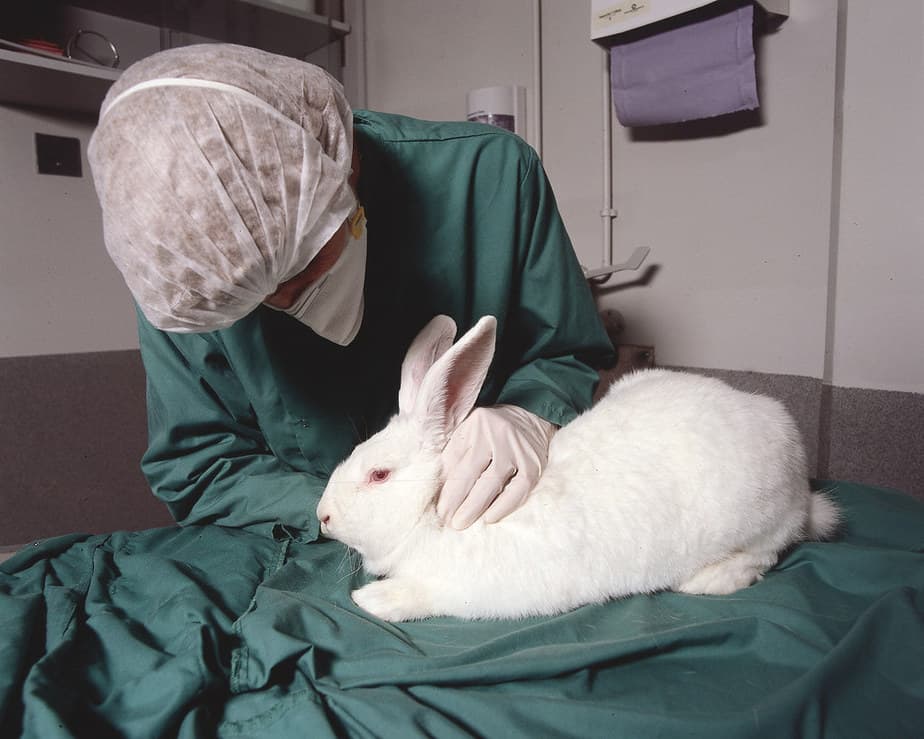
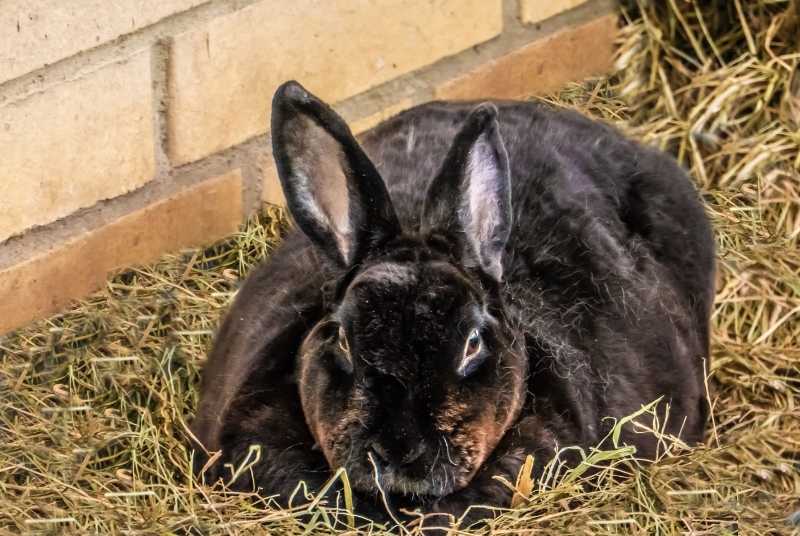
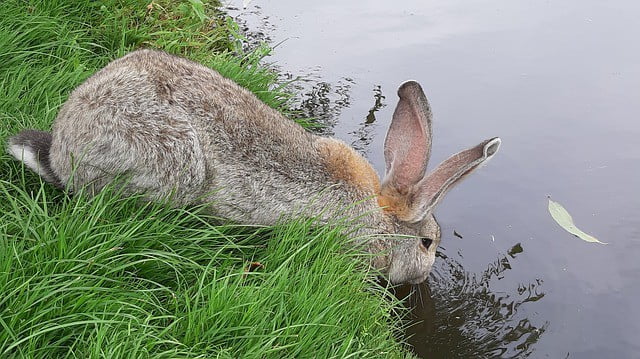
If your rabbit won't eat after being spayed, the most likely cause is post-surgical pain. A reduced appetite is normal for the first 12 to 24 hours after spay surgery, but your rabbit should still nibble on something during that window. If your rabbit has not eaten anything at all within 24 hours of the procedure, contact your veterinarian immediately. A rabbit that completely stops eating is at risk of developing gastrointestinal (GI) stasis, a life-threatening condition that can become fatal within 24 to 48 hours.
The good news is that most rabbits bounce back quickly with proper pain management, the right food offerings, and a calm recovery environment. In this guide, we cover exactly why rabbits lose their appetite after spaying, what foods work best to encourage eating, how to syringe feed if necessary, and the warning signs that mean you need veterinary help. If you are preparing your rabbit for surgery, understanding post-operative feeding is just as important as pre-surgical preparation.
Why Is Your Rabbit Not Eating After Being Spayed?
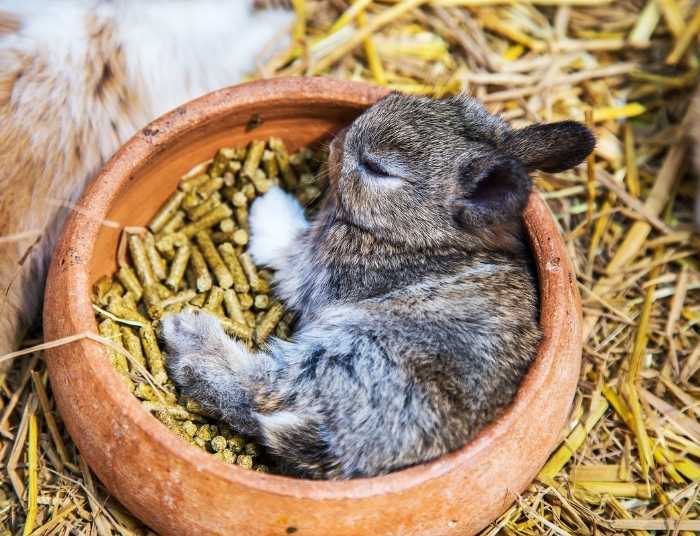
Several factors contribute to appetite loss after spay surgery. Understanding the root cause helps you choose the right approach to get your rabbit eating again.
Post-Surgical Pain
Pain is the number one reason rabbits refuse food after being spayed. Spaying is an abdominal surgery that involves removing the uterus and ovaries. The incision and internal tissue manipulation cause significant discomfort, and rabbits in pain tend to sit hunched, grind their teeth, and show no interest in food.
According to Dana Krempels, Ph.D., if your veterinarian does not plan to provide post-operative analgesics (pain medication), you should seek a different vet. Preferably, find a rabbit-savvy veterinarian who understands that rabbits need proactive pain management after surgery. Commonly prescribed pain medications for rabbits include meloxicam (a non-steroidal anti-inflammatory) and buprenorphine (an opioid for more severe pain).
If your rabbit received pain medication but still refuses to eat, the dosage may not be adequate. Contact your vet and describe the specific behaviors you are observing. Signs of unmanaged pain include loud teeth grinding, pressing the belly to the ground, reluctance to move, and flinching when touched near the incision site.
Anesthesia Effects
General anesthesia temporarily slows down the entire gastrointestinal tract. In rabbits, this is more significant than in cats or dogs because a rabbit's digestive system depends on constant motility. When gut movement slows or stops, the rabbit feels bloated and uncomfortable, which further suppresses appetite.
Most anesthesia effects wear off within 6 to 12 hours, but some rabbits take longer to fully metabolize the drugs. Older rabbits and those with pre-existing health conditions may experience prolonged recovery times.
Stress and Environmental Changes
The trip to the veterinary clinic, handling by strangers, unfamiliar smells, and the presence of other animals can all cause significant stress. Stressed rabbits often stop eating entirely, even when they are not in physical pain. When surgery-related pain combines with environmental stress, appetite loss becomes more pronounced.
If your rabbit seems stressed after returning home, minimize handling and keep them in a quiet, familiar space. Avoid introducing new cage setups or moving their enclosure during recovery.
Surgical Complications
In rare cases, appetite loss signals a surgical complication such as internal bleeding, infection at the incision site, or a reaction to suture material. If your rabbit shows any of these symptoms alongside not eating, treat it as an emergency:
- Swelling, redness, or discharge around the incision
- Lethargy beyond what you would expect from normal recovery
- Labored breathing or rapid heart rate
- Pale gums or cold ears
- Complete refusal to drink water
How Long After Spaying Should a Rabbit Start Eating?
According to VCA Animal Hospitals, a rabbit should begin eating within 12 to 24 hours after being spayed. Most rabbits with proper pain management will nibble on hay or greens within a few hours of returning home from the clinic.
Here is a general recovery timeline to help you know what to expect:
| Time After Surgery | Expected Behavior | Action Needed |
|---|---|---|
| 0 to 4 hours | Groggy, may not show interest in food | Offer water and fresh hay. Keep environment quiet. |
| 4 to 8 hours | Becoming more alert, may sniff food | Offer fragrant herbs and leafy greens alongside hay. |
| 8 to 12 hours | Should begin nibbling on hay or greens | If no eating at all, offer favorite treat in small amount. |
| 12 to 24 hours | Appetite gradually returning to normal | Continue offering varied foods. Monitor fecal output. |
| 24+ hours with no eating | Emergency: possible GI stasis developing | Contact your veterinarian immediately. |
Keep in mind that "eating" does not mean consuming a full meal. Even a few bites of hay or a single sprig of parsley counts as progress. The critical concern is a rabbit that touches absolutely nothing for a full 24-hour period.
What Should You Feed Your Rabbit After Spay Surgery?
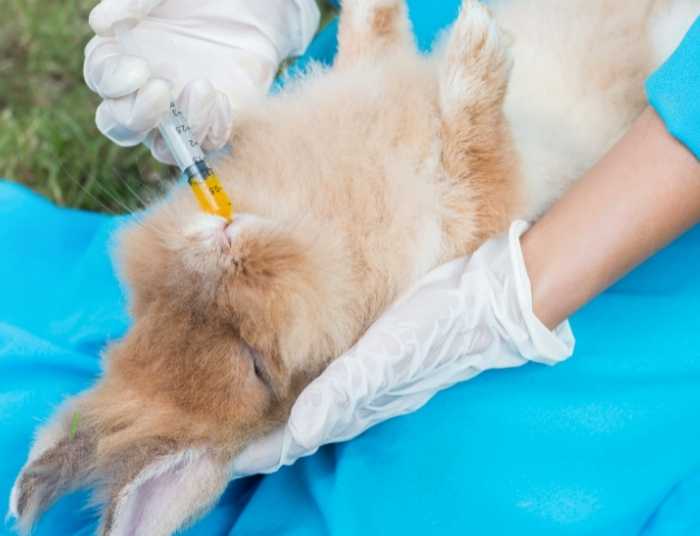
Choosing the right foods can make a significant difference in how quickly your rabbit starts eating again. The goal is not to provide a balanced meal right away but to get something moving through the gut as soon as possible.
Fragrant Herbs and Leafy Greens
Fragrant herbs are often the first foods rabbits accept after surgery because the strong aroma stimulates their appetite. These are the most effective options based on breeder experience:
- Cilantro: strong scent that many rabbits find irresistible
- Parsley: highly aromatic and palatable for most rabbits
- Basil: fresh basil leaves often trigger interest even in reluctant eaters
- Carrot tops: the leafy greens from carrots are a favorite recovery food
- Mint: the strong menthol scent can cut through post-anesthesia grogginess
- Celery leaves: the leaves (not the stalk strings) are easy to eat
Place small amounts of these herbs directly in front of your rabbit or even right next to their nose. Sometimes the scent alone is enough to spark their appetite. Try several different herbs since individual preferences vary, especially when a rabbit is not feeling well.
Hay
Timothy hay or orchard grass should remain available at all times during recovery. Hay provides the fiber that keeps the gut moving, and it is the single most important part of a rabbit's diet. If your rabbit ignores their regular hay, try offering a different variety. Some rabbits that refuse timothy hay will accept oat hay or botanical hay blends because of the different texture and taste.
You can also try slightly dampening the hay with a light mist of water. This can release more of the natural scent and make it more appealing to a rabbit with a suppressed appetite.
Critical Care Formula
If your rabbit refuses all solid foods for more than 12 hours, consider using a commercial critical care formula such as Oxbow Critical Care. This powdered formula mixes with water to create a paste that can be syringe-fed. It provides essential fiber and nutrients to keep the gut functioning while your rabbit recovers enough to eat on their own.
As an alternative to commercial critical care, you can blend fresh vegetables with a small amount of fruit juice to create a thin slurry. According to a study published by the National Center for Biotechnology Information, syringe feeding a liquified vegetable mixture 1 to 2 times during the initial 24-hour post-surgical period can help maintain gut motility.
Small Treats as Appetite Starters
According to Dana Krempels, Ph.D., offering a tiny amount of your rabbit's favorite treat can sometimes jumpstart their appetite. A single blueberry, a thin slice of banana, or a small piece of apple may be enough to get them interested in food again. Use treats sparingly though. The goal is to trigger the desire to eat, not to fill up on sugary foods.
How to Syringe Feed a Rabbit After Surgery
Syringe feeding becomes necessary when a rabbit refuses all food for an extended period. Here is a step-by-step process that works for most rabbits:
- Prepare the formula: Mix Oxbow Critical Care (or blended vegetables) with warm water until you get a smooth, slightly thick consistency. It should flow through a syringe without clogging.
- Use the right syringe: A 1 mL or 3 mL syringe works best. Larger syringes make it too easy to push too much food at once.
- Position your rabbit: Place your rabbit on a towel on your lap or on a flat surface. Never flip your rabbit on their back for syringe feeding.
- Feed slowly: Insert the syringe tip gently into the side of the mouth, behind the front teeth. Push a tiny amount (about 0.5 mL at a time) and let your rabbit chew and swallow before offering more.
- Watch for choking: If your rabbit spits out the food, coughs, or pulls away, stop immediately. Let them settle before trying again.
- Target amount: Aim for 10 to 15 mL of critical care per feeding session, every 4 to 6 hours, until your rabbit starts eating on their own.
If your rabbit continues to reject syringe feeding and is spitting out every attempt, stop the process. Forcing food on a rabbit that cannot or will not swallow could cause aspiration (food entering the lungs). In this situation, contact your veterinarian, as your rabbit may need subcutaneous fluids and in-clinic feeding support.
How to Help Your Rabbit Recover Faster After Spaying
Recovery is about more than just food. Creating the right environment and following proper post-operative care can significantly speed up your rabbit's return to normal eating habits.
Pain Management
Administer all prescribed pain medications on schedule. Do not wait for your rabbit to show signs of pain before giving the next dose. Pain medications work best when they maintain a consistent level in the bloodstream. If you notice your rabbit's appetite decreasing as the medication wears off, note the timing and discuss it with your vet.
Recovery Environment
Set up a small, confined recovery space. A pen or exercise area about 4 feet by 4 feet works well. Remove ramps, shelves, and anything that encourages jumping, as this can strain the incision. Line the floor with soft towels instead of loose bedding that could get into the wound.
Keep the space quiet and dimly lit. Avoid placing the recovery area near loud appliances, other pets, or high-traffic areas of your home. If you have other rabbits, keep them separated but within sight so your spayed rabbit can still see and smell their companion without the risk of rough play.
Hydration
Dehydration compounds the problem of appetite loss. Make sure fresh water is always available in both a bottle and a bowl. Some rabbits prefer one over the other, and during recovery, having both options increases the chance your rabbit will drink. You can also add a tiny amount of unsweetened fruit juice (like apple or cranberry) to the water to encourage drinking.
If you are unsure whether your rabbit is getting enough fluids, check for signs of dehydration. Pinch the skin on the scruff of the neck. If it snaps back immediately, hydration is adequate. If the skin stays tented for more than a second, your rabbit may be dehydrated and need veterinary attention.
Incision Monitoring
Check the surgical incision twice daily. Look for redness, swelling, discharge, or any sign that your rabbit has been licking or chewing at the stitches. Some rabbits need an e-collar (cone) or a baby onesie to prevent them from disturbing the incision. A compromised incision can lead to infection, which will further suppress appetite and slow recovery.
Monitoring Fecal Output
Fecal pellets are the best indicator of gut function. Count your rabbit's droppings during the first 24 hours after surgery. You should see at least some pellets, even if they are smaller or fewer than normal. A complete absence of droppings combined with no eating is a strong sign of developing GI stasis.
Can GI Stasis Develop If Your Rabbit Stops Eating After Surgery?
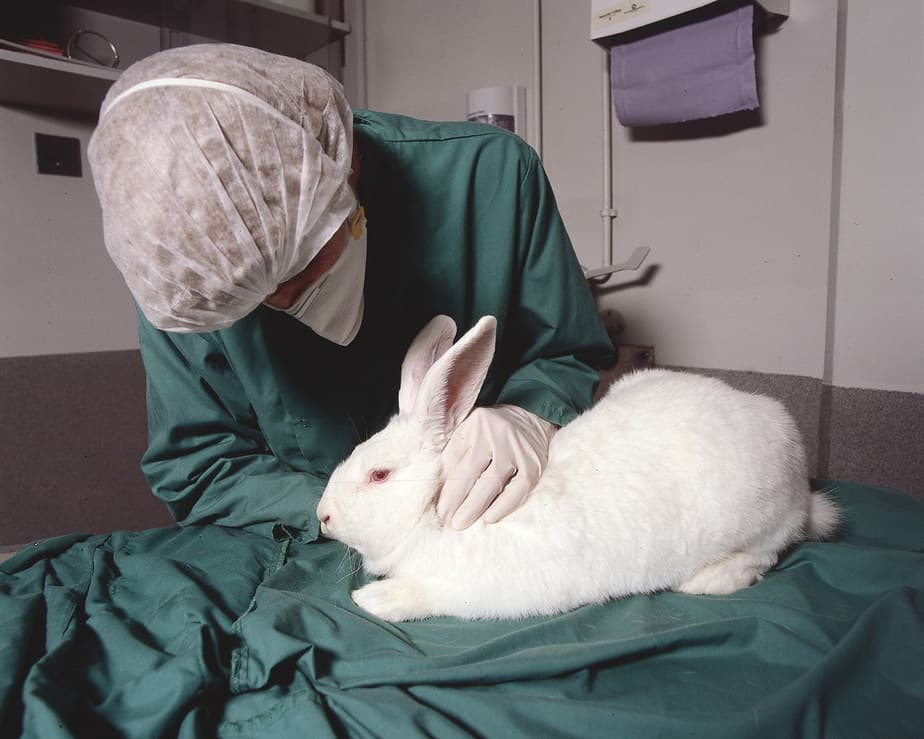
Yes. GI stasis is one of the most serious risks when a rabbit stops eating for any reason, including after surgery. GI stasis occurs when the normal contractions of the stomach and intestines slow down or stop completely. Without movement, food and gas build up in the gut, causing bloating, pain, and a dangerous shift in gut bacteria.
According to a study published in the National Library of Medicine, GI stasis can become fatal within 24 to 48 hours if left untreated. This is why the 24-hour mark is so critical. A rabbit that has not eaten anything for a full day after surgery needs immediate veterinary attention.
Signs of GI stasis include:
- Complete loss of appetite
- No fecal pellets or very small, misshapen droppings
- Bloated or tight-feeling abdomen
- Hunched posture with pressing belly to the ground
- Loud or absent gut sounds (you can listen by placing your ear near the belly)
- Lethargy and reluctance to move
Treatment for GI stasis typically includes subcutaneous fluids, gut motility drugs (such as cisapride or metoclopramide), additional pain medication, and syringe feeding. Early intervention gives the best outcome, so do not wait and hope it resolves on its own.
When Should You Contact Your Veterinarian?
Call your veterinarian if you observe any of the following after spay surgery:
- Your rabbit has not eaten anything for 24 hours or more
- There are no fecal droppings for 12 or more hours
- Your rabbit is grinding their teeth loudly (a sign of severe pain)
- The incision is red, swollen, or leaking fluid
- Your rabbit is lethargic and unresponsive to stimulation
- You see signs of bloating (hard, distended belly)
- Your rabbit is having difficulty breathing
Do not assume that appetite loss will resolve on its own. Rabbits are prey animals that hide illness until they are critically unwell. By the time obvious symptoms appear, the situation may already be serious. Acting quickly at the first sign of trouble gives your rabbit the best chance of a full recovery.
Frequently Asked Questions
Is it normal for a rabbit to not eat after being spayed?
A reduced appetite is normal for the first 12 to 24 hours after spay surgery due to anesthesia effects and post-operative pain. However, your rabbit should still nibble on hay or greens during this period. Complete refusal to eat for more than 24 hours is not normal and requires immediate veterinary attention.
What is the best food to offer a rabbit after spay surgery?
Fragrant herbs like cilantro, parsley, basil, and mint are the most effective foods for encouraging a post-surgical rabbit to eat. Their strong aroma stimulates appetite even when a rabbit feels unwell. Always keep unlimited timothy hay available alongside fresh greens during recovery.
How long does it take for a rabbit to fully recover from a spay?
Most rabbits return to normal eating habits within 24 to 48 hours after spay surgery. Full surgical recovery, including complete incision healing, typically takes 10 to 14 days. During this entire recovery period, restrict jumping and vigorous exercise to prevent the incision from reopening.
Can I give my rabbit pain medication at home after spaying?
Yes, your veterinarian should prescribe take-home pain medication, usually meloxicam. Administer it exactly as directed, on schedule, for the full prescribed duration. Never give human pain medications like ibuprofen or acetaminophen, as these are toxic to rabbits and can cause organ failure.
Should I separate my rabbit from other rabbits after spay surgery?
Yes, keep your spayed rabbit separated from cage mates for at least 10 to 14 days. Other rabbits may accidentally bump the incision during play or grooming, causing pain or reopening the wound. Place them in adjacent enclosures where they can see and smell each other without physical contact.
Cite this article:
Cite this article:
BunnySync (February 28, 2026) Rabbit Won't Eat After Spay? What To Do Right Now. Retrieved from https://bunnysync.com/blog/rabbit-wont-eat-after-spay.
"Rabbit Won't Eat After Spay? What To Do Right Now." BunnySync - February 28, 2026, https://bunnysync.com/blog/rabbit-wont-eat-after-spay