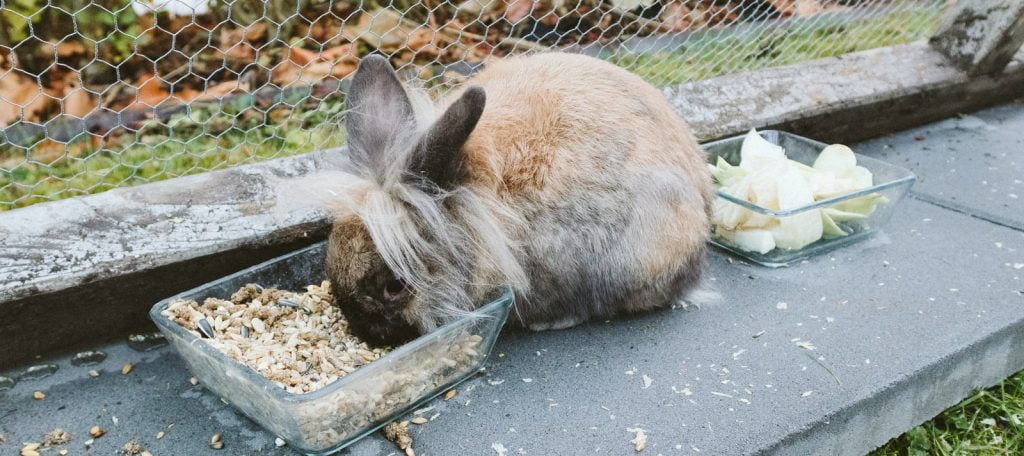
Yes, rabbits can eat before surgery, and in fact, they absolutely should. Unlike dogs and cats, rabbits cannot vomit, so the primary reason for pre-surgical fasting in other animals does not apply. Starving a rabbit before any procedure puts them at serious risk of gastrointestinal (GI) stasis and hepatic lipidosis (fatty liver disease), both of which can become life-threatening within 24 hours. As breeders, we always make sure our rabbits have access to hay and water right up until transport to the vet clinic.
Why Can Rabbits Eat Before Surgery When Other Animals Cannot?
The standard instruction to withhold food before surgery exists because general anesthesia can trigger a vomiting reflex. In dogs, cats, and humans, vomiting while unconscious can cause aspiration pneumonia, where stomach contents enter the lungs. This is potentially fatal.
Rabbits, however, are physiologically incapable of vomiting. Their cardiac sphincter (the muscle at the top of the stomach) is so strong that food can only move in one direction: forward through the digestive tract. This is confirmed by the National Center for Biotechnology Information, which notes that rabbits lack the neurological pathways required for the vomiting reflex.
Because there is zero risk of aspiration from vomiting, the primary justification for fasting simply does not exist for rabbits. Pre-surgical fasting guidelines designed for dogs and cats should never be applied to rabbits.
What Happens If You Starve a Rabbit Before Surgery?
Withholding food from a rabbit, even for 12 to 24 hours, can trigger a cascade of dangerous health problems. Rabbits have a unique digestive system that depends on constant fiber intake to function properly.
GI Stasis
GI stasis occurs when the normal muscular contractions of the stomach and intestines slow down or stop entirely. Without a steady supply of hay and fiber, the gut bacteria become imbalanced, gas builds up, and the rabbit stops producing cecotropes and fecal pellets. A rabbit that goes without food for too long can develop GI stasis within hours, not days.
Signs of GI stasis include:
- Reduced or absent fecal pellets
- Bloated, hard abdomen
- Hunched posture and reluctance to move
- Grinding teeth (a sign of pain)
- Complete refusal to eat or drink
GI stasis is one of the leading causes of death in domestic rabbits. Inducing it through unnecessary fasting before a surgery defeats the purpose of the procedure entirely.
Hepatic Lipidosis (Fatty Liver Disease)
When a rabbit stops eating, its body begins mobilizing fat stores for energy. The liver processes this fat, but in rabbits, this system is easily overwhelmed. Fat accumulates in the liver cells, impairing liver function. Hepatic lipidosis can develop in as little as 24 hours of fasting and is extremely difficult to reverse once established.
Hypoglycemia
Rabbits have a fast metabolism and relatively small glycogen reserves. Fasting causes blood sugar levels to drop, leading to weakness, lethargy, and in severe cases, seizures. A rabbit going into surgery already hypoglycemic is at significantly higher risk of anesthetic complications.
Slower Post-Surgical Recovery
Rabbits that are fasted before surgery consistently show slower recovery times. They are more likely to refuse food after the procedure, creating a dangerous cycle. A rabbit that was eating well before surgery is much more likely to resume eating afterward, and gut motility is the single most important indicator of post-surgical recovery in rabbits.
What Should You Feed Your Rabbit Before Surgery?
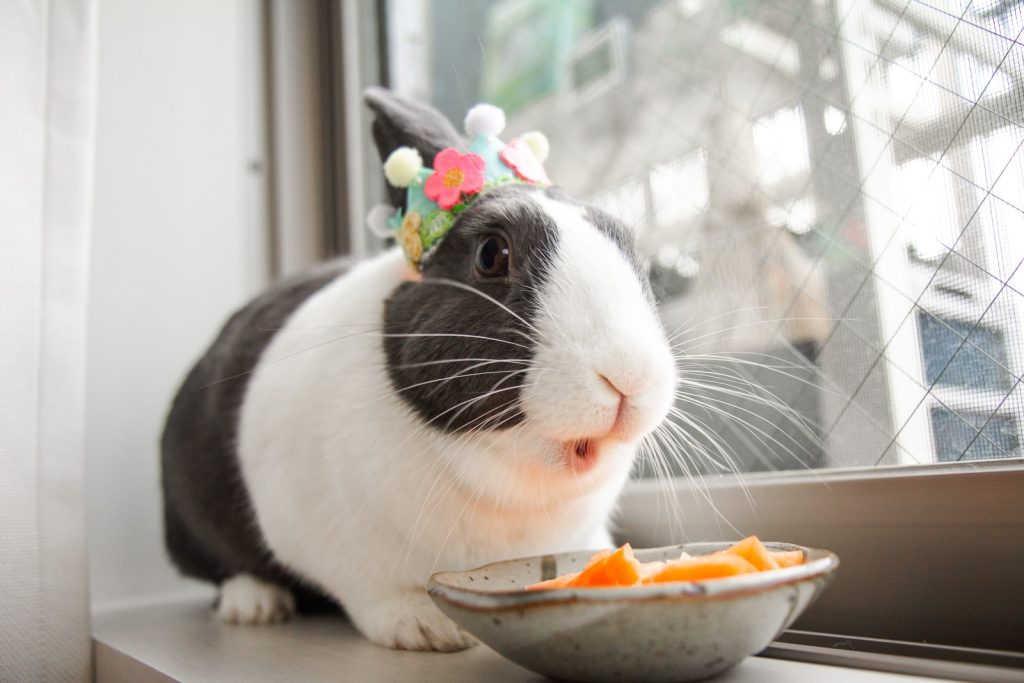
Feed your rabbit their normal, everyday diet right up until the time you leave for the vet clinic. Do not change their food or introduce anything new, as dietary changes themselves can trigger digestive upset. A rabbit heading into surgery needs stability, not surprises.
The ideal rabbit diet consists of:
| Food Type | Percentage of Diet | Examples |
|---|---|---|
| Hay (timothy, orchard, oat) | 80% | Unlimited timothy hay |
| Fresh vegetables | 10% | Romaine lettuce, cilantro, parsley |
| Quality pellets | 5-10% | Timothy-based pellets, 1/4 cup per 5 lbs |
| Treats | Less than 5% | Small pieces of fruit, occasional herbs |
Make sure fresh water is available at all times as well. Dehydration compounds the risks of anesthesia, so a well-hydrated rabbit is a safer surgical candidate.
Should You Withhold Water Before Rabbit Surgery?
No. Never withhold water from a rabbit before surgery. Dehydration increases the risk of kidney problems during anesthesia and makes IV fluid management more difficult for the veterinary team. Keep your rabbit's water bottle or bowl full right up until you leave for the appointment.
What If the Vet Clinic Tells You Not to Feed Your Rabbit?
This happens more often than you might expect, and it is almost always a miscommunication. Most veterinary clinics see primarily dogs and cats, and their standard pre-surgical instructions are written for those species. When a receptionist or veterinary technician tells you to fast your rabbit overnight, they are typically applying the standard protocol without accounting for the critical differences in rabbit physiology.
Here is what you should do:
- Ask to speak with the veterinarian directly. The vet performing the surgery should confirm whether fasting is necessary. A rabbit-savvy vet will tell you to keep feeding as normal.
- Clarify the species. Politely explain that rabbits cannot vomit and that fasting puts them at risk of GI stasis. Most staff members appreciate the information.
- Request written confirmation. If the clinic insists on fasting, ask for written documentation explaining why. This protects both you and your rabbit.
- Consider a rabbit-savvy veterinarian. If your vet is not familiar with rabbit-specific surgical protocols, you can find rabbit-savvy veterinarians through the House Rabbit Society vet listings.
What If the Veterinarian Specifically Says Not to Feed?
If the veterinarian themselves (not the receptionist or technician) instructs you to fast your rabbit, ask them to explain their reasoning. There are very rare circumstances where a vet might limit food intake, such as certain gastrointestinal surgeries where the vet needs a less full stomach for the procedure. Even in these cases, complete fasting is almost never recommended.
If you are unsure, seek a second opinion from a veterinarian who specializes in exotic animals or rabbits. The House Rabbit Society and the Association of Exotic Mammal Veterinarians both maintain directories of qualified practitioners.
How to Prepare Your Rabbit for Surgery
Proper preparation goes beyond just feeding. Here is a complete pre-surgical checklist that we use in our own rabbitry:
The Week Before Surgery
- Confirm the appointment and ask about any specific instructions for rabbits (not the generic dog/cat sheet)
- Weigh your rabbit and record it so the vet has an accurate baseline
- Note your rabbit's normal eating, drinking, and litter habits so you can spot changes post-surgery
- Stock up on recovery supplies: critical care formula, syringes for hand-feeding, extra hay
The Night Before Surgery
- Feed your rabbit their normal dinner, including hay, vegetables, and pellets
- Make sure the water bottle or bowl is full
- Keep the environment calm and minimize stress as much as possible
- Prepare a clean carrier with hay for the trip to the vet
The Morning of Surgery
- Offer hay and a small amount of vegetables as usual
- Check that your rabbit has eaten and produced normal droppings
- Place hay in the carrier for the ride to keep your rabbit eating
- Bring a list of any medications your rabbit is currently taking
What to Feed Your Rabbit After Surgery
Post-surgical feeding is just as important as pre-surgical feeding. The goal is to get your rabbit eating again as quickly as possible to prevent GI stasis during recovery.
Immediately After Surgery (First 4 to 6 Hours)
Most rabbits are groggy from anesthesia and will not eat right away. This is normal. Place fresh hay near your rabbit so they can nibble when they are ready. Do not force food during this period.
6 to 24 Hours Post-Surgery
If your rabbit is not eating after surgery, offer fragrant, appealing foods:
- Fresh cilantro, parsley, and basil (the strong scent stimulates appetite)
- Romaine lettuce or other leafy greens
- Fresh timothy hay (try a new bag for maximum appeal)
- A small amount of their favorite treat to spark interest
If your rabbit still refuses to eat after 12 hours, begin syringe feeding with a critical care formula such as Oxbow Critical Care. Mix it to a smooth consistency and offer 10 to 15 ml every 4 to 6 hours.
24 to 72 Hours Post-Surgery
Most rabbits resume eating on their own within this window. Continue offering fresh hay, vegetables, and pellets. Monitor droppings closely. Small, misshapen, or absent droppings indicate that the gut is not fully recovered, and you should contact your vet.
Post-Surgery Care Tips Beyond Feeding
Feeding is the most critical part of recovery, but there are other considerations:
- Pain management: Make sure your vet prescribes appropriate pain medication (typically meloxicam for rabbits). Pain suppresses appetite, so managing it effectively encourages eating.
- Incision monitoring: Check the surgical site twice daily for redness, swelling, or discharge. Learn how to stop your rabbit from licking their stitches to prevent infection.
- Limited activity: Keep your rabbit in a smaller, clean space for the first few days to prevent jumping or running that could tear stitches.
- Hydration: Monitor water intake. If your rabbit is not drinking, add water to their vegetables or offer water through a syringe.
Common Rabbit Surgeries and Feeding Considerations
| Surgery Type | Feed Before? | Special Considerations |
|---|---|---|
| Spay (ovariohysterectomy) | Yes | Most common surgery; feed normally before and resume quickly after |
| Neuter (castration) | Yes | Less invasive than spay; rabbits usually eat within hours after |
| Dental surgery | Yes | May need soft foods or syringe feeding post-surgery due to mouth soreness |
| Abscess removal | Yes | Feed normally; post-op antibiotics may affect appetite temporarily |
| GI surgery | Ask your vet | The only type where limited fasting may be discussed; follow vet's specific guidance |
| Tumor removal | Yes | Recovery depends on tumor location; maintain nutrition throughout |
Why Do Some Vets Still Recommend Fasting Rabbits?
There are a few reasons this outdated practice persists:
- General practice habits: Many veterinary schools focus primarily on dogs and cats. Rabbit medicine is often covered briefly, and old habits carry into practice.
- Standard clinic protocols: Clinics may have a single pre-surgical instruction sheet for all species rather than species-specific guidelines.
- Lack of exotic animal training: Not all veterinarians have specialized training in rabbit or exotic animal medicine. The ones who do are very clear that fasting rabbits is dangerous.
- Confusion with reduced feeding: Some vets may suggest reducing pellet or vegetable intake slightly while keeping hay available. This is different from complete fasting and may be reasonable in specific cases.
The veterinary literature is clear on this point. The University of Miami's House Rabbit resource on pre- and post-operative care explicitly states that rabbits should not be fasted before surgery.
Frequently Asked Questions
How long before surgery should a rabbit stop eating?
A rabbit should not stop eating before surgery at all. Rabbits should have access to hay and water right up until they leave for the vet clinic. Fasting a rabbit risks GI stasis and liver damage, both of which can become life-threatening within 24 hours.
Can rabbits have water before surgery?
Yes, rabbits should have unlimited access to fresh water before surgery. Dehydration increases the risks of anesthesia and slows post-surgical recovery. Never withhold water from a rabbit for any reason, including surgery preparation.
What if my rabbit won't eat the morning of surgery?
If your rabbit refuses food on the morning of surgery, contact your vet immediately before proceeding. Loss of appetite could indicate an underlying health issue that may affect surgical safety. The vet may want to examine your rabbit before going ahead with the procedure.
How soon after surgery should a rabbit eat?
Most rabbits begin nibbling hay within 4 to 6 hours after surgery. If your rabbit has not eaten within 12 hours, start syringe feeding with critical care formula and contact your vet. Prompt resumption of eating is the most important factor in post-surgical recovery.
Is it normal for a rabbit to not eat after being spayed?
Mild appetite reduction for 6 to 12 hours after a spay is normal due to anesthesia and discomfort. However, a complete refusal to eat beyond 12 hours is a medical concern. Offer fragrant herbs like cilantro and basil to stimulate appetite, and begin syringe feeding if needed.
Cite this article:
Cite this article:
BunnySync (March 11, 2026) Can Rabbits Eat Before Surgery? Pre-Surgical Feeding Guide. Retrieved from https://bunnysync.com/blog/can-rabbits-eat-before-surgery.
"Can Rabbits Eat Before Surgery? Pre-Surgical Feeding Guide." BunnySync - March 11, 2026, https://bunnysync.com/blog/can-rabbits-eat-before-surgery