Can Rabbits Eat Candlenuts?
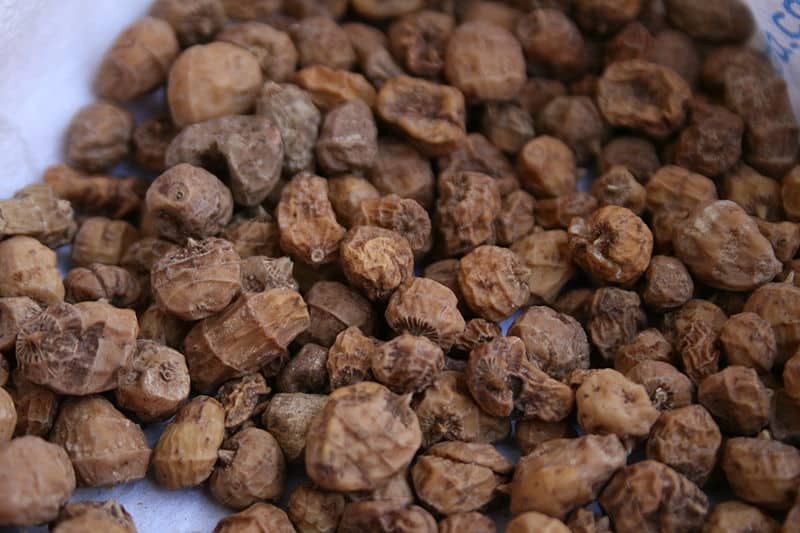
No, rabbits cannot eat candlenuts. Candlenuts (also known as kemiri nuts, Aleurites moluccana) are one of the most dangerous foods you can offer a rabbit. With 69.6 grams of fat per 100 grams, they are nearly three times fattier than peanuts. On top of that, candlenuts carry a significant risk of aflatoxin contamination from Aspergillus mold. The question "can rabbits eat candlenuts" has a clear answer: never, not even as an occasional treat. If your rabbit has eaten one, monitor closely and contact a rabbit-savvy vet immediately.
Before we go further, if you're wondering whether other nuts share similar risks, check out our complete guide to nuts and rabbits. The short answer is that most nuts are off-limits, but candlenuts sit at the extreme end of that spectrum.
Why Are Candlenuts So Dangerous for Rabbits?
Candlenuts are not toxic in the way that, say, rhubarb leaves are. The danger is cumulative and metabolic. Rabbits evolved to process a low-fat, high-fiber diet based almost entirely on grasses and leafy plants. Their digestive systems have no meaningful mechanism for handling concentrated fat loads.
When a rabbit ingests even a small piece of candlenut, that fat load hits a gut that cannot break it down efficiently. The result is a cascade of problems: slowed gut motility, potential GI stasis, and long-term stress on the liver. None of these are minor issues in rabbits.
The Fat Problem: 69.6 Grams Per 100 Grams
To put candlenut's fat content in context, a rabbit's entire daily diet should derive less than 3-4% of its calories from fat. Grass hay, which makes up 80% or more of a healthy rabbit's diet, contains roughly 1-3% fat by dry weight. Candlenuts clock in at 69.6% fat by weight.
Even a single candlenut kernel weighs about 3-5 grams. That single nut could deliver more fat than a rabbit should consume in several days. The digestive tract responds by slowing down, which is exactly what you do not want in an animal that requires constant gut movement to stay alive.
High fat foods rabbits consume, even in small quantities, can trigger GI stasis within 12 to 24 hours. GI stasis is a life-threatening condition where gut movement stops entirely. Gas builds up, the rabbit stops eating and defecating, and without intervention, the animal can die within 24 to 48 hours of symptom onset.
Aflatoxin Risk: The Hidden Threat
The second major danger is aflatoxin contamination. Candlenuts are frequently colonized by Aspergillus flavus and Aspergillus parasiticus molds, both of which produce aflatoxins. These are among the most potent naturally occurring carcinogens and hepatotoxins known. A 2019 study on aflatoxin toxicology confirmed that even low-level chronic aflatoxin exposure causes significant liver damage in small mammals.
Rabbits are extremely sensitive to aflatoxin. Their livers are not built for detoxifying mycotoxins at the level that some other mammals can tolerate. Aflatoxin B1, the most potent variant, binds directly to DNA in liver cells and disrupts normal cell function within hours of ingestion.
The insidious part of candlenut toxicity in rabbits is that you often cannot tell whether a nut is contaminated just by looking at it. A nut can look, smell, and feel perfectly normal while harboring dangerous aflatoxin levels. This is not a risk you can manage by careful nut selection.
What Symptoms Should I Watch For After My Rabbit Eats a Candlenut?
If your rabbit has eaten part of a candlenut, you are watching for two overlapping sets of symptoms: those related to high fat intake and GI disruption, and those related to aflatoxin poisoning. They can appear at different timeframes, which makes monitoring essential for at least 72 hours.
GI-Related Symptoms (Within 6 to 24 Hours)
- Refusal to eat or drink
- No fecal pellets, or pellets that are much smaller and drier than normal
- Bloated or hard abdomen
- Hunched posture with teeth grinding (bruxism), indicating pain
- Lethargy and reduced movement
- Loud gurgling sounds from the gut, or complete gut silence
Any rabbit showing two or more of these signs needs emergency veterinary care. GI stasis does not resolve on its own. At home, you can encourage movement by gently massaging the abdomen and offering water, but this is not a substitute for professional treatment.
Aflatoxin Poisoning Symptoms (Within 24 to 72 Hours)
- Severe lethargy and weakness
- Loss of appetite persisting beyond 24 hours
- Jaundice (yellowing of the whites of the eyes or pale mucous membranes)
- Abnormal bleeding or bruising
- Neurological signs: circling, head tilt, seizures in severe cases
- Sudden death in severe acute exposure
Aflatoxin poisoning is a veterinary emergency. There is no antidote. Treatment is entirely supportive: IV fluids, liver protectants, and intensive nursing care. The prognosis depends heavily on how much toxin was consumed and how quickly treatment begins.
How Does Candlenut Affect Rabbit Liver Health?
The liver is the primary organ at risk from both the fat content and the potential aflatoxin in candlenuts. Rabbits already have a tendency toward hepatic lipidosis (fatty liver disease) when their diet is disrupted. This is particularly true for overweight rabbits or those that stop eating for any reason.
When a rabbit consumes high fat foods repeatedly, fat deposits accumulate in liver cells. The liver becomes enlarged and progressively less functional. According to the House Rabbit Society's overview of hepatic disease in rabbits, fatty liver is one of the most underdiagnosed conditions in pet rabbits, often discovered only during necropsy.
Aflatoxin compounds this problem by causing direct hepatocellular necrosis, meaning liver cells die outright rather than just becoming fatty. Even a single exposure to a high aflatoxin dose can cause acute liver failure. Chronic low-level exposure, which might happen if someone unknowingly offers contaminated candlenuts over time, causes cirrhosis and liver cancer.
The combination of high fat and aflatoxin risk makes candlenuts uniquely dangerous compared to most other foods a rabbit might accidentally access. For context, almonds are equally dangerous for rabbits due to high fat content, but almonds do not carry the aflatoxin risk that candlenuts do.
What Should I Do If My Rabbit Eats a Candlenut?
Act immediately, but stay calm. One small piece of candlenut is unlikely to cause acute aflatoxin poisoning in a healthy adult rabbit, but the GI risk is real even from a small amount. Here is the step-by-step response:
- Remove access to any remaining candlenuts and note how much the rabbit consumed. Even an estimate is helpful for your vet.
- Call a rabbit-savvy veterinarian within the first hour if possible. Describe the amount consumed and the rabbit's current weight.
- Encourage water intake. Offer fresh water and wet leafy greens like romaine or cilantro to help keep gut motility going.
- Monitor fecal output closely. Count pellets over the next 6 hours. Any significant drop is a warning sign.
- Watch for dehydration. If your rabbit stops drinking as well as eating, check out the signs of dehydration in rabbits and report these to your vet.
- Do not induce vomiting. Rabbits cannot vomit. Any attempt to do so will cause harm.
- Do not wait and see past 24 hours. If the rabbit has not returned to normal eating and defecating within 24 hours, treat it as an emergency.
Your vet may recommend blood work to check liver enzyme levels (ALT, AST) and may want to monitor these over several days if a significant amount was consumed. Elevated liver enzymes within 24 to 48 hours of ingestion would confirm hepatic stress.
Why Do Rabbits Need Such a Low-Fat Diet?
This question gets to the core of why candlenuts are so harmful. Rabbit digestive anatomy evolved in grassland environments where food is abundant but nutritionally modest. Hay and fresh grass are low in calories, low in fat, and high in indigestible fiber. That fiber is what keeps the rabbit gut moving.
The cecum, a specialized fermentation chamber in the rabbit's hindgut, processes this fiber and produces cecotropes, nutrient-rich soft pellets that rabbits re-ingest directly from their anus. This entire system depends on a steady flow of fibrous material. Understanding proper daily hay intake for rabbits is foundational to understanding why deviating from this diet causes such rapid health problems.
Fat slows gastric emptying. When fat is present in the stomach, hormonal signals tell the digestive system to slow down and allow more digestion time. In a rabbit, slowing down gut transit is dangerous because the cecum and large intestine rely on constant throughput to prevent gas buildup and dysbiosis (overgrowth of harmful bacteria).
A diet even moderately elevated in fat over time also promotes obesity in rabbits, which then feeds into hepatic lipidosis, arthritis, and reduced grooming ability. Overweight rabbits cannot reach their cecotropes, leading to further nutritional deficiencies. The problems compound quickly.
What Are Safe Alternatives to Candlenuts as Treats?
Rabbits do not need nuts in any form. If you want to offer treats that feel special without any of the risks, stick to foods that align with their natural diet. Here are the safest options, with appropriate portion sizes:
| Treat | Safe Portion | Frequency | Fat Content |
|---|---|---|---|
| Fresh blueberries | 2-3 berries | 2-3x per week | 0.3g per 100g |
| Fresh strawberry slices | 1 small berry | 2x per week | 0.3g per 100g |
| Fresh apple slices (no seeds) | 1-2 thin slices | 2x per week | 0.2g per 100g |
| Fresh herbs (basil, cilantro, dill) | A small sprig | Daily | Under 0.5g per 100g |
| Dried papaya (plain) | A pea-sized piece | 1x per week | 0.3g per 100g |
Notice that every item on this list is a fruit or herb, not a seed or nut. The fat content of all safe rabbit treats sits below 1 gram per 100 grams of food. That is the benchmark to keep in mind when evaluating any new food for your rabbit.
Treats should never exceed 5% of a rabbit's total daily food intake by volume. The vast majority of the diet, at least 80%, should be grass hay like Timothy or orchard grass.
Can Candlenut Oil or Cooked Candlenut Harm Rabbits?
Yes. Cooking does not make candlenuts safe for rabbits. It does not reduce the fat content, and while heat can degrade some aflatoxins, it does not eliminate them reliably. Aflatoxin B1 is heat-stable up to 260 degrees Celsius, which is higher than most cooking methods reach.
Candlenut oil is equally off-limits. Oils are pure fat by definition, and even a few drops of any plant oil can cause digestive upset in rabbits. There is no culinary form of candlenut that becomes appropriate rabbit food through processing.
If you cook with candlenuts yourself (they are used in Indonesian and Malaysian cuisine as a thickening agent), be mindful of keeping your cooking area clear of rabbit access. Curious rabbits will investigate dropped food on the floor.
Are Some Rabbits More Vulnerable Than Others?
Yes. While no rabbit should eat candlenuts, some are at significantly higher risk of serious harm from accidental ingestion.
Young rabbits under 6 months have immature liver function and cannot process toxins as effectively as adults. A juvenile rabbit that eats even a fragment of candlenut faces higher risk of acute liver damage from aflatoxin.
Overweight rabbits already have compromised liver health due to existing fat deposits. Adding a high-fat insult dramatically increases the risk of triggering hepatic lipidosis.
Rabbits with pre-existing gut sensitivity, including those prone to soft cecotropes or intermittent GI stasis, will respond faster and more severely to the motility-slowing effects of dietary fat.
Senior rabbits over 5 years old have reduced organ reserve capacity. Their livers and kidneys are less able to compensate for sudden toxic stress.
If your rabbit falls into any of these categories and accidentally eats candlenut, do not wait to call a vet. The 24-hour monitoring window for a healthy adult rabbit shrinks considerably for vulnerable individuals.
Can Behavioral Changes Follow Candlenut Ingestion?
A rabbit experiencing GI pain or early aflatoxin effects will often show behavioral changes before obvious physical symptoms appear. These are easy to miss if you do not know what to look for.
A rabbit in discomfort may become unusually still and withdrawn, hiding in corners or refusing to come out of its enclosure. It may stop its normal behaviors like grooming, playing, or seeking attention. What looks like a mood shift is often the first sign of physical illness. This overlap between illness and behavioral change is similar to what is described in our article on depression in rabbits, and the distinction matters for correct treatment.
If your rabbit ate a candlenut and is acting quieter or more withdrawn than usual, factor that behavioral shift into your assessment. It is a warning sign, not a reason to wait.
Frequently Asked Questions
Can a rabbit die from eating one candlenut?
A single candlenut is unlikely to kill a healthy adult rabbit outright, but it can trigger GI stasis, which is fatal without treatment. If the nut was aflatoxin-contaminated, even a small amount poses serious risk. Never assume a single exposure is safe. Monitor closely for 72 hours and contact a vet if any symptoms appear within the first 24 hours.
What makes candlenuts more dangerous than other nuts for rabbits?
Most nuts are dangerous for rabbits due to high fat content alone. Candlenuts add the aflatoxin contamination risk on top of that, making them uniquely hazardous. With 69.6 grams of fat per 100 grams and a high rate of Aspergillus mold colonization, they combine two serious threats that most other nuts do not present simultaneously.
How quickly does aflatoxin poisoning show symptoms in rabbits?
Acute aflatoxin poisoning symptoms typically appear within 24 to 72 hours of ingestion. Early signs include lethargy and appetite loss. Severe signs like jaundice, bleeding, or neurological symptoms indicate significant liver damage and require immediate emergency veterinary care. Chronic low-level exposure may show no obvious symptoms for weeks before liver failure occurs.
Are kemiri nuts the same as candlenuts?
Yes. Kemiri is the Indonesian name for the candlenut, Aleurites moluccana. The same nut is also called kukui nut in Hawaii, buah keras in Malaysia, and Indian walnut in some regions. All names refer to the same species, and all carry the same fat content and aflatoxin risk profile. Do not feed any form of this nut to rabbits.
What should a healthy rabbit treat look like nutritionally?
Safe rabbit treats are low in fat (under 1g per 100g), low in sugar (given only in small amounts), and free from additives or seasonings. Fresh fruits, leafy vegetables, and plain herbs meet this profile. Treats should make up no more than 5% of total daily food volume, with hay forming the vast majority of the diet at 80% or more.
Cite this article:
BunnySync (March 21, 2026) Can Rabbits Eat Candlenuts?. Retrieved from https://bunnysync.com/blog/can-rabbits-eat-candlenuts.
"Can Rabbits Eat Candlenuts?." BunnySync - March 21, 2026, https://bunnysync.com/blog/can-rabbits-eat-candlenuts