No, rabbits should not eat cinnamon. While cinnamon is not technically poisonous to rabbits, it offers zero nutritional value for them and carries real health risks. Cinnamon is high in calcium, contains volatile oils that can irritate a rabbit's sensitive digestive system, and powdered cinnamon poses a serious respiratory hazard. As breeders, we keep all forms of cinnamon, including sticks, powder, and cinnamon-flavored products, well away from our rabbits.
If your rabbit accidentally nibbled a tiny amount, there is no need to panic. But cinnamon should never be offered intentionally, and understanding the risks will help you make safer choices for your bunny's diet.
Why Cinnamon Is Not Safe for Rabbits
Cinnamon comes from the inner bark of trees in the Cinnamomum genus. The two most common types are Ceylon cinnamon (Cinnamomum verum) and Cassia cinnamon (Cinnamomum cassia). Both contain compounds that make them unsuitable for rabbits, though the specific risks vary between the two varieties.
Volatile Oils and Cinnamaldehyde
Cinnamon contains cinnamaldehyde, the compound responsible for its strong flavor and aroma. This essential oil can irritate the delicate mucous membranes in a rabbit's mouth, throat, and digestive tract. Rabbits have a far more sensitive gastrointestinal system than humans, and even small amounts of irritating compounds can trigger discomfort, reduced appetite, or soft stools.
The concentration of cinnamaldehyde varies between cinnamon types. Cassia cinnamon, which accounts for roughly 95% of cinnamon sold in North America, contains higher concentrations of cinnamaldehyde than Ceylon cinnamon. Both types should be kept away from rabbits regardless.
Coumarin Content
Cassia cinnamon, which is the most commonly sold variety in grocery stores, contains significant levels of coumarin. According to the European Food Safety Authority (EFSA), coumarin can cause liver damage when consumed regularly, even in small doses. Cassia cinnamon contains roughly 1% coumarin by weight, while Ceylon cinnamon contains only trace amounts. While most toxicity studies focus on humans and rodents, the risk to rabbits is not worth taking given that cinnamon provides no dietary benefit to them.
High Calcium, No Fiber
Cinnamon is relatively high in calcium compared to rabbit-safe herbs. Rabbits process calcium differently from most mammals. They absorb all dietary calcium through the gut and excrete the excess through their kidneys. Too much calcium can lead to bladder sludge, kidney stones, and painful urinary issues. Since cinnamon contains no meaningful fiber, the nutrient rabbits need most, there is simply no reason to include it in their diet.
Respiratory Risks from Powdered Cinnamon
Ground cinnamon is especially dangerous because rabbits are obligate nasal breathers. If a rabbit sniffs powdered cinnamon, the fine particles can enter their nasal passages and lungs, causing irritation, coughing, difficulty breathing, and even aspiration pneumonia in severe cases. This is one of the biggest reasons to keep cinnamon products stored securely away from areas where your rabbit roams.
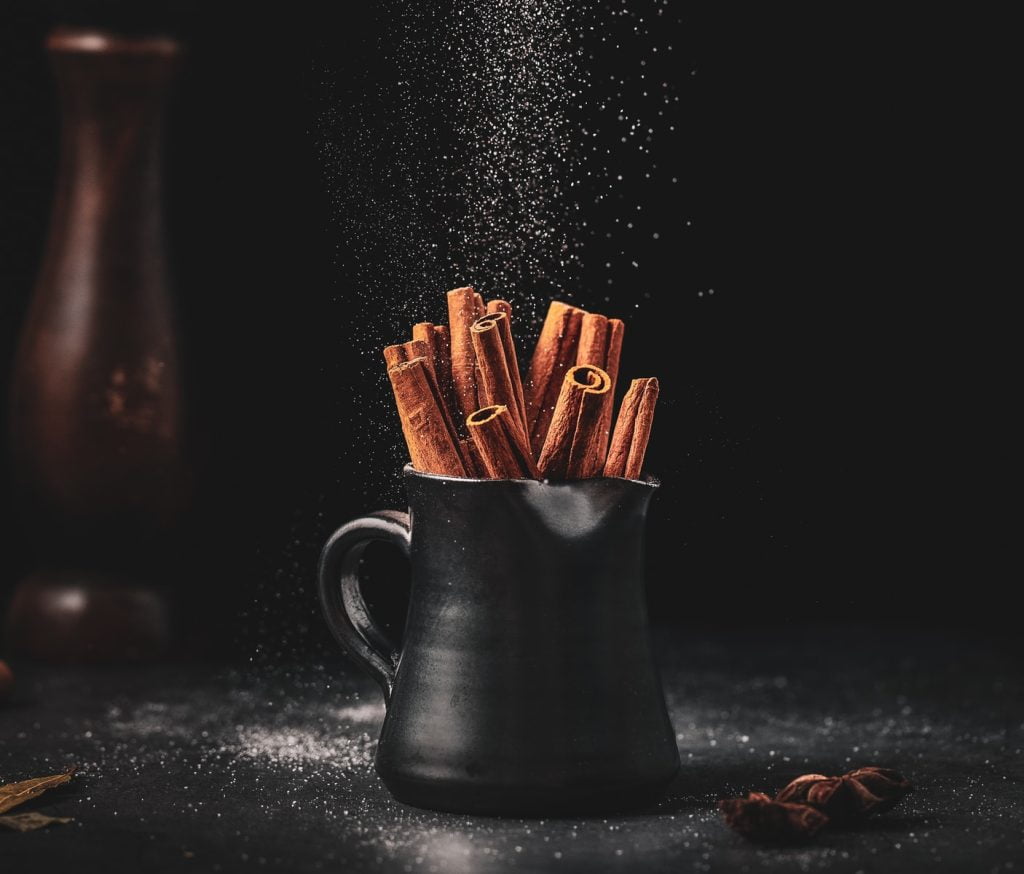
Can Rabbits Eat Cinnamon Sticks?
Some rabbit owners wonder whether cinnamon sticks are safer than ground cinnamon since they look similar to the wooden chew sticks sold at pet stores. The answer is still no.
Cinnamon sticks contain the same volatile oils and cinnamaldehyde as the powdered form. When a rabbit chews on a cinnamon stick, they ingest these compounds directly. The stick may also splinter into sharp fragments that could injure the mouth, throat, or digestive tract.
If you want to provide safe chewing material for your rabbit, stick with apple wood sticks, willow branches, or untreated pine. These satisfy the natural chewing instinct and help keep your rabbit's teeth from becoming overgrown without exposing them to harmful compounds.
Can Rabbits Eat Cinnamon-Flavored Foods?
No. Cinnamon-flavored products like cinnamon rolls, cinnamon toast, cookies, cereals, and flavored treats are even more dangerous than plain cinnamon. These processed foods combine cinnamon with sugar, butter, refined flour, preservatives, and artificial ingredients that are all harmful to rabbits.
A rabbit's digestive system relies on a steady intake of unlimited timothy hay and high-fiber foods. Sugary, starchy, or fatty foods disrupt the balance of beneficial bacteria in the cecum, which can lead to GI stasis, a potentially fatal condition where the gut slows down or stops completely.
Common cinnamon-flavored products to keep away from your rabbit include:
- Cinnamon rolls and pastries
- Cinnamon toast and toast with cinnamon sugar
- Cinnamon-flavored cereals
- Cinnamon cookies or graham crackers
- Cinnamon applesauce
- Cinnamon-scented candles or potpourri (fumes can irritate airways)
What Happens If Your Rabbit Eats Cinnamon?
If your rabbit managed to eat a small amount of cinnamon, whether they got into a cinnamon bun or chewed on a cinnamon stick, here is what you should do and what to watch for.
Step 1: Remove the Source
Take away whatever cinnamon product your rabbit accessed and secure the area. Check for any remaining fragments or powder on the floor, furniture, or anywhere else your rabbit can reach.
Step 2: Offer Fresh Hay and Water
Provide plenty of fresh timothy hay immediately. The fiber in hay helps move food through the digestive system and can help push any irritating substances out of the gut. Make sure clean water is readily available, as your rabbit may drink more than usual to flush the cinnamon through their system.
Step 3: Monitor for 24 to 48 Hours
Watch your rabbit closely for the following symptoms:
| Symptom | What It May Indicate | Action |
|---|---|---|
| Reduced or no droppings | GI slowdown or stasis | Vet visit within 12 hours |
| Soft, mushy droppings | Cecal imbalance | Increase hay, reduce fresh foods |
| Watery diarrhea | Serious GI distress | Emergency vet visit immediately |
| Sneezing or nasal discharge | Respiratory irritation from powder | Vet visit if persistent |
| Loss of appetite | Nausea or mouth irritation | Vet visit if lasting over 12 hours |
| Hunched posture or teeth grinding | Abdominal pain | Vet visit within a few hours |
It is important to note that true diarrhea, which presents as completely liquid stool, is a medical emergency in rabbits. Do not confuse it with uneaten cecotropes, which are soft, dark, clustered droppings that healthy rabbits normally consume directly from their bottom. If you see solid round pellets alongside the soft droppings, your rabbit likely has uneaten cecotropes rather than diarrhea. If all droppings are liquid with no solid pellets present, seek veterinary care immediately.
A small nibble of cinnamon will likely not cause any noticeable issues. However, if your rabbit consumed a significant amount, or if you notice any of the symptoms above, contact your rabbit-savvy veterinarian right away.
Will Rabbits Eat Cinnamon on Their Own?
Yes, rabbits are curious animals and will investigate new scents and flavors. Many rabbit owners have reported their bunnies chewing on cinnamon products when given the opportunity. Rabbits do not have a natural instinct to avoid cinnamon the way they might avoid some bitter or truly toxic plants.
One rabbit owner on Reddit shared that their rabbit got into a cinnamon bun that was left on the floor, leaving little bite marks all over it. This kind of situation is more common than you might think, particularly with free-roaming rabbits who have access to kitchen areas, bedrooms, and living spaces where food might be left unattended.
Keep all spices, baking supplies, and flavored foods in closed cabinets or high shelves that your rabbit cannot access, especially if your rabbit free-roams your home.
Cinnamon Nutritional Profile: Why It Does Not Benefit Rabbits
To understand why cinnamon is not appropriate for rabbits, let us look at what it actually contains per teaspoon (2.6 grams) compared to what rabbits need.
| Nutrient | Per 1 tsp Cinnamon | Rabbit Relevance |
|---|---|---|
| Calories | 6 kcal | Minimal energy value |
| Fiber | 1.4 g | Negligible compared to hay |
| Calcium | 26 mg | High for a spice; contributes to bladder sludge risk |
| Sugar | 0.06 g | Low, but not a reason to feed it |
| Cinnamaldehyde | Varies | Irritant to rabbit GI tract and airways |
| Coumarin | Up to 7 mg (Cassia) | Liver toxicity risk with regular exposure |
Source: USDA Nutritional Data for Ground Cinnamon
As the table shows, cinnamon does not provide anything a rabbit needs. The small amount of fiber is irrelevant when timothy hay should make up 80% or more of a rabbit's diet. The calcium content is concerning, and the volatile compounds are actively harmful.
Safe Herb Alternatives Your Rabbit Will Love
If you want to add variety to your rabbit's diet with aromatic, flavorful plants, there are several rabbit-safe herbs that actually provide nutritional benefits. These herbs are rich in vitamins, low in calcium, and gentle on the digestive system.
| Herb | Benefits for Rabbits | Feeding Frequency |
|---|---|---|
| Basil | Rich in vitamin K, antioxidants, anti-inflammatory | A few leaves daily |
| Cilantro | High in vitamins A and C, good for hydration | A small handful daily |
| Mint | Aids digestion, contains rosmarinic acid | A few sprigs 3-4 times per week |
| Oregano | Antimicrobial properties, rich in fiber | A few leaves 3-4 times per week |
| Rosemary | Antioxidant-rich, supports immune health | Small sprig 2-3 times per week |
| Dill | Gentle on digestion, rich in vitamin C | A few sprigs daily |
These herbs give your rabbit the sensory enrichment they crave without the health risks that come with cinnamon. Start with small amounts when introducing any new herb and watch for soft stools, which can indicate the rabbit needs time to adjust.
How to Rabbit-Proof Your Kitchen and Pantry
Since rabbits will eat cinnamon if they find it, prevention is the best strategy. Here are practical steps to keep your rabbit safe from spices and other harmful kitchen items.
- Store spices in closed cabinets. Open spice racks on countertops are accessible to rabbits who can jump onto chairs or low counters. Use child-proof latches if your rabbit has figured out how to nudge cabinet doors open.
- Clean up baking spills immediately. Powdered cinnamon on the floor or counter is both an ingestion and inhalation hazard. Wipe surfaces thoroughly after cooking with any spice.
- Never leave baked goods unattended. Cinnamon rolls, cookies, and pastries left on low tables are an open invitation for curious rabbits.
- Use baby gates or pen barriers. Block kitchen access entirely during cooking and baking sessions. This is the simplest and most effective solution.
- Check ingredient lists on treats. Some commercial rabbit or small animal treats contain cinnamon as a flavoring. Always read labels carefully and avoid any product listing cinnamon, cinnamon extract, or cinnamaldehyde.
Cinnamon Essential Oil and Rabbits
Cinnamon essential oil is extremely concentrated and is toxic to rabbits even in very small quantities. Never diffuse cinnamon oil near your rabbit, apply it to their fur or skin, or use cinnamon-scented cleaning products in areas where your rabbit lives.
Rabbits have highly sensitive respiratory systems. The volatile organic compounds released by essential oil diffusers can cause respiratory distress, eye irritation, and chemical burns to the nasal passages. A single diffuser session in a small room can produce enough airborne particles to cause discomfort or harm to a rabbit.
If you enjoy using essential oils in your home, always do so in a well-ventilated room that your rabbit does not have access to. Keep the door closed and allow the room to air out completely before allowing your rabbit back in.
Frequently Asked Questions
Is cinnamon toxic to rabbits?
Cinnamon is not classified as acutely toxic to rabbits, meaning a small accidental nibble is unlikely to be fatal. However, it contains cinnamaldehyde and coumarin, which can cause digestive irritation, liver stress, and respiratory issues. It should never be fed intentionally.
Can rabbits chew on cinnamon sticks as a toy?
No. Cinnamon sticks contain the same irritating essential oils as ground cinnamon. Rabbits that chew on them ingest these compounds directly. Use apple wood, willow, or untreated pine sticks instead for safe chewing enrichment.
What should I do if my rabbit inhaled cinnamon powder?
Move your rabbit to a well-ventilated area with fresh air immediately. Watch for sneezing, nasal discharge, labored breathing, or wheezing. If symptoms persist for more than an hour or worsen at any point, seek emergency veterinary care as aspiration pneumonia is possible.
Are any spices safe for rabbits?
Most concentrated spices and spice powders are not appropriate for rabbits. However, fresh culinary herbs like basil, cilantro, mint, oregano, parsley, and dill are safe and nutritious. Always offer fresh herbs rather than dried spice powders.
Can cinnamon cause GI stasis in rabbits?
Yes, eating a large amount of cinnamon could potentially trigger GI stasis by irritating the digestive lining and disrupting the balance of gut bacteria. GI stasis is a life-threatening condition. If your rabbit stops eating or producing droppings after consuming cinnamon, contact your veterinarian immediately.
Cite this article
Cite this article:
BunnySync (March 20, 2026) Can Rabbits Eat Cinnamon? Safe Spice Guide for Rabbit Owners. Retrieved from https://bunnysync.com/blog/can-rabbits-eat-cinnamon.
"Can Rabbits Eat Cinnamon? Safe Spice Guide for Rabbit Owners." BunnySync - March 20, 2026, https://bunnysync.com/blog/can-rabbits-eat-cinnamon