Can Rabbits Safely Eat Oregano?
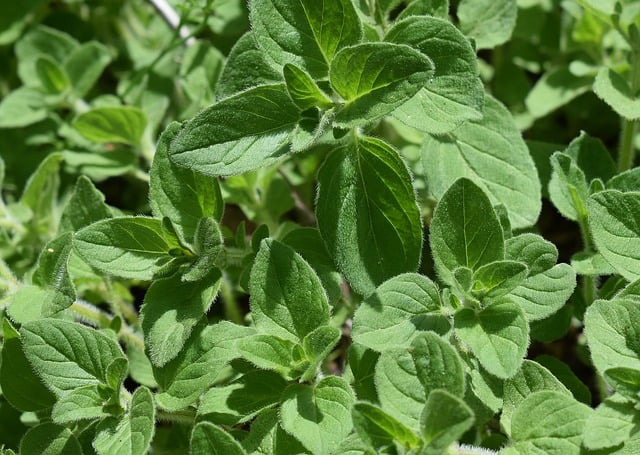
Yes, rabbits can eat oregano safely, and most rabbits genuinely enjoy it. Oregano (Origanum vulgare) is one of the best herbs you can offer your rabbit because it is packed with vitamins A, E, and B6 while being low in sugar and calories. You can feed both the leaves and stems to rabbits that are at least 12 weeks old. Start with a small amount, roughly 15 grams, and increase gradually over two to three weeks once you confirm your rabbit tolerates it well.
As breeders, we consider oregano a staple herb rotation alongside basil, cilantro, and parsley. It adds variety to a rabbit's daily greens while delivering nutrients that support immune function and overall health. That said, oregano should never replace hay, which must remain at least 80% of your rabbit's diet.
Why Do Rabbits Like Oregano So Much?
Most rabbits are drawn to oregano's strong, aromatic scent. Unlike bland greens that some picky rabbits ignore, oregano's pungent flavor seems to excite their appetite. In our rabbitry, oregano is one of the first herbs to disappear from the feeding dish when we offer a mixed herb plate.
Not every rabbit reacts the same way, though. A small number of rabbits may turn their nose up at oregano the first time they encounter it. If your rabbit seems hesitant, try placing a few small leaves next to their favorite greens. Most rabbits warm up to the flavor within two or three offerings. If your rabbit consistently refuses oregano after several attempts, do not force it. There are plenty of other safe herbs, such as mint or parsley, that provide similar nutritional benefits.
What Are the Nutritional Benefits of Oregano for Rabbits?
Oregano is surprisingly nutrient-dense for a small herb. Per 100 grams of fresh oregano, your rabbit receives a meaningful dose of several essential vitamins and minerals. Here is a breakdown of the key nutrients and what they do for your rabbit:
| Nutrient | Amount per 100g Fresh Oregano | Benefit for Rabbits |
|---|---|---|
| Vitamin A | 1,701 IU | Supports vision, skin health, and immune function |
| Vitamin E | 1.69 mg | Acts as an antioxidant, protects cell membranes |
| Vitamin B6 | 0.044 mg | Aids protein metabolism and nervous system function |
| Calcium | 310 mg | Strengthens bones and teeth (feed in moderation) |
| Potassium | 621 mg | Maintains heart rhythm and muscle function |
| Iron | 36.8 mg | Supports oxygen transport in blood |
| Fiber | 42.5 g (dried) | Promotes healthy digestion and gut motility |
| Copper | 0.63 mg | Supports connective tissue and iron absorption |
Vitamin A for Rabbit Immune Health
Oregano is particularly rich in vitamin A, which plays a critical role in maintaining your rabbit's immune system. Rabbits that receive adequate vitamin A are better equipped to fight off respiratory infections and maintain healthy skin and fur. This is especially valuable during seasonal changes when rabbits are more susceptible to illness.
Antioxidant Properties of Oregano
Oregano contains compounds like carvacrol and thymol, which have documented antioxidant and antimicrobial properties. According to a study published in the journal Molecules, oregano essential oils show strong antimicrobial activity. While your rabbit is eating fresh oregano rather than concentrated oil, these compounds still contribute to overall health at dietary levels.
A Note on Calcium Content
Oregano does contain a moderate amount of calcium at 310 mg per 100 grams. While calcium is essential for bone health, excessive calcium intake in adult rabbits can contribute to urinary sludge or bladder stones. This is one reason why oregano should be part of a rotation rather than the only green your rabbit eats. Alternating between low-calcium herbs like basil and higher-calcium options like oregano helps keep your rabbit's overall calcium intake balanced.
How Much Oregano Can a Rabbit Eat Per Day?
The right portion of oregano depends on your rabbit's age, weight, and overall diet. As a general rule, herbs like oregano should make up a small portion of the daily vegetable serving, not the entire thing. Here are our recommended portions based on rabbit size:
| Rabbit Size (by breed weight) | Daily Oregano Allowance | Example Breeds |
|---|---|---|
| Small breed (1.1 to 3.5 lbs) | 1 to 2 small sprigs (5 to 10g) | Netherland Dwarf, Mini Rex, Holland Lop |
| Medium breed (6 to 10 lbs) | 3 to 5 sprigs (15 to 30g) | Dutch, Rex, English Angora |
| Large breed (9 to 12+ lbs) | 5 to 8 sprigs (25 to 40g) | Flemish Giant, New Zealand, Californian |
These amounts assume oregano is one of two or three greens offered that day. If you are feeding oregano as the sole vegetable, you can increase the amount slightly, but we strongly recommend mixing it with other greens for nutritional variety. A good daily herb plate for a medium rabbit might include three sprigs of oregano, a handful of cilantro, and a few leaves of romaine lettuce.
How Often Should You Feed Oregano to Your Rabbit?
We recommend offering oregano three to four times per week rather than every day. Rotating herbs prevents your rabbit from developing a preference that might lead them to reject other greens. It also helps balance nutrient intake, particularly calcium levels, across the week.
A sample weekly herb rotation might look like this:
- Monday and Thursday: Oregano + romaine lettuce
- Tuesday and Friday: Basil + cilantro
- Wednesday and Saturday: Parsley + dandelion greens
- Sunday: Mixed herb plate with small amounts of three to four herbs
When Can Baby Rabbits Start Eating Oregano?
Baby rabbits should not eat oregano or any fresh vegetables until they are at least 12 weeks old. Before this age, their digestive system is still developing and relies entirely on their mother's milk and, gradually, hay and pellets.
Here is a timeline for introducing oregano and other vegetables to young rabbits:
| Age | Feeding Guideline |
|---|---|
| 0 to 3 weeks | Mother's milk only |
| 3 to 7 weeks | Mother's milk plus hay and small amounts of pellets |
| 7 to 12 weeks | Weaned onto hay and pellets; no fresh vegetables yet |
| 12 weeks | Begin introducing one new vegetable at a time, starting with less than 15g |
| 7 months to 1 year | Gradually increase vegetable variety and quantity |
| 1 to 5 years (adult) | Full vegetable portions: 1 to 2 cups of greens per 6 lbs body weight |
| 6+ years (senior) | Maintain or adjust based on health; monitor calcium if offering oregano |
When you first offer oregano to a young rabbit, give just one or two small leaves and wait 24 hours. Watch for any signs of soft stool, bloating, or reduced appetite. If everything looks normal, you can gradually increase the serving over the next two weeks. According to the LaFeber Veterinary basic rabbit care guide, introducing vegetables one at a time is the safest approach because it allows you to identify which food caused a reaction if one occurs.
Can Rabbits Eat Dried Oregano?
Technically, dried oregano is not toxic to rabbits, but we do not recommend feeding it regularly. Drying concentrates the oils and flavors in oregano, making it much more potent per gram than fresh oregano. A small pinch of dried oregano sprinkled over hay is unlikely to cause harm, but larger amounts could irritate your rabbit's digestive tract.
Fresh oregano is always the better choice because:
- It retains its natural water content, which helps with hydration
- The flavor is milder and more palatable for most rabbits
- You can control the portion size more accurately
- It contains fewer concentrated oils that might upset sensitive stomachs
If you only have access to dried oregano, limit it to a tiny pinch (less than 1 gram) mixed into hay no more than once or twice a week.
Can Rabbits Eat Oregano Stems, Flowers, and Roots?
Oregano Leaves
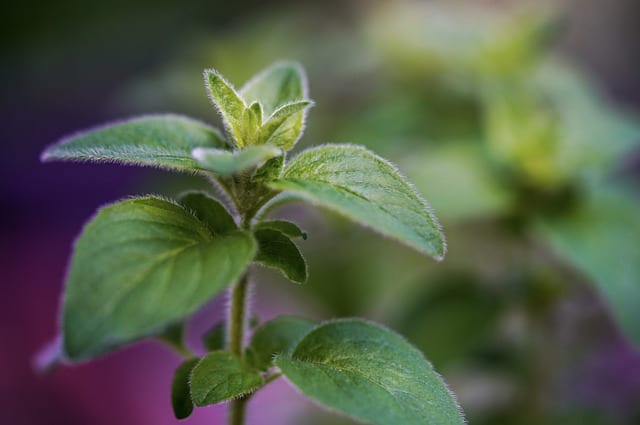
The leaves are the most nutritious and most enjoyed part of the oregano plant. They are tender, easy to chew, and contain the highest concentration of vitamins. Leaves should make up the bulk of any oregano you offer your rabbit.
Oregano Stems
Yes, rabbits can eat oregano stems safely. The stems are slightly tougher than the leaves, which actually provides a mild chewing benefit similar to how hay promotes dental wear. Younger, thinner stems are easier for rabbits to eat. Avoid thick, woody stems from mature plants because these can be difficult to digest.
Oregano Flowers
Oregano flowers are safe for rabbits to eat. They appear as small clusters at the top of the plant and are slightly milder in flavor than the leaves. Some rabbits enjoy nibbling on the flowers as a treat. If your oregano plant has bloomed, feel free to include a few flower clusters with the regular serving.
Oregano Roots
We do not recommend feeding oregano roots to rabbits. The roots can harbor soil bacteria and are much tougher to digest than the above-ground parts of the plant. Stick to leaves, stems, and flowers for the safest feeding experience.
What Are the Risks of Overfeeding Oregano to Rabbits?
While oregano is safe in appropriate portions, overfeeding any vegetable can cause problems. Here are the specific risks associated with giving too much oregano:
Gastrointestinal Stasis (GI Stasis)
If your rabbit fills up on oregano instead of eating enough hay, the reduced fiber intake can slow down gut motility. GI stasis is a potentially life-threatening condition where the digestive system slows down or stops completely. Symptoms include a bloated belly, refusal to eat, and drastically reduced or absent droppings. If you notice these signs, contact your veterinarian immediately.
Diarrhea and Soft Cecotropes
Introducing too much oregano too quickly, or feeding excessive amounts to a rabbit whose gut flora is not accustomed to it, can result in loose stool or mushy cecotropes. Cecotropes are the soft, nutrient-rich droppings that rabbits re-ingest, and they should normally be grape-like clusters. If you notice uneaten or malformed cecotropes around your rabbit's enclosure, reduce the oregano portion and increase hay for a few days.
Calcium Buildup
As mentioned earlier, oregano contains moderate calcium. Feeding large quantities daily over an extended period could contribute to urinary sludge, especially in rabbits that are already prone to calcium-related issues. Signs include thick, chalky white urine or straining to urinate. If you see either symptom, stop feeding high-calcium greens and consult your veterinarian.
How to Prepare Oregano for Your Rabbit
Proper preparation ensures your rabbit gets the most benefit from oregano while minimizing any risk. Follow these steps:
- Source organic when possible. Oregano from your own garden or an organic supplier is ideal because it has not been treated with pesticides or herbicides.
- Wash thoroughly. Rinse the oregano under cool running water for 15 to 20 seconds, rubbing the leaves gently to remove dirt, potential pesticide residue, and any insects.
- Shake off excess water. While a little moisture is fine, overly wet greens can contribute to soft stool in sensitive rabbits.
- Serve at room temperature. Avoid feeding oregano straight from the refrigerator. Cold food can cause mild digestive discomfort. Let it sit for 10 to 15 minutes after taking it out of the fridge.
- Remove uneaten portions. Fresh herbs wilt quickly. Remove any uneaten oregano from your rabbit's enclosure within two to three hours to prevent them from eating spoiled greens.
Can You Grow Oregano at Home for Your Rabbit?
Growing oregano at home is one of the best ways to provide fresh, pesticide-free herbs for your rabbit year-round. Oregano is a hardy perennial that thrives in most climates and requires minimal care.
Here are some quick tips for growing oregano for your rabbits:
- Sunlight: Oregano needs six or more hours of direct sunlight daily
- Soil: Well-drained soil with a pH between 6.0 and 8.0
- Watering: Water when the top inch of soil feels dry; oregano prefers slightly dry conditions
- Harvesting: Snip stems just above a leaf node to encourage bushy growth; harvest before the plant flowers for the most flavorful leaves
- Indoor growing: Oregano grows well in pots on a sunny windowsill, making it accessible even in apartments
A single oregano plant can produce enough leaves to supplement two to three rabbits' diets for an entire growing season. Starting from seed is inexpensive, typically costing less than $3 for a packet that yields dozens of plants.
What Other Herbs Are Safe for Rabbits?
If your rabbit enjoys oregano, they will likely enjoy other safe herbs as well. Rotating between multiple herbs keeps your rabbit interested in their food and ensures a broader nutritional profile. Here is a list of rabbit-safe herbs and greens that pair well with oregano in a weekly rotation:
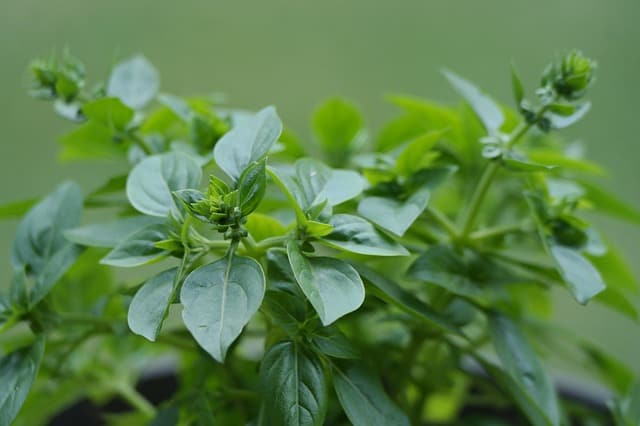
- Basil (low in calcium, great for daily feeding)
- Cilantro (rich in vitamins A and K)
- Parsley (high in vitamin C, feed in moderation due to calcium)
- Mint (refreshing, may help with mild gas)
- Dandelion greens (a natural foraging favorite)
- Dill (aromatic, well-tolerated by most rabbits)
- Rosemary (small amounts only, very strong flavor)
- Thyme (safe in moderation, another Mediterranean herb)
For a complete list of safe vegetables and greens, check out our guide on what vegetables you can feed your rabbit.
When Should You Stop Feeding Oregano to Your Rabbit?
There are a few situations where you should temporarily or permanently remove oregano from your rabbit's diet:
- Digestive upset: If your rabbit develops diarrhea, soft cecotropes, or reduced appetite after eating oregano, stop feeding it immediately and offer only hay and water until symptoms resolve.
- Urinary issues: Rabbits with a history of bladder sludge or kidney stones should avoid high-calcium greens, including oregano. Talk to your vet about low-calcium alternatives.
- Before or after surgery: Some veterinarians recommend a simplified diet of hay and pellets only in the days surrounding a surgical procedure. Follow your vet's specific instructions.
- Young rabbits under 12 weeks: Their digestive system is not mature enough to handle fresh vegetables of any kind.
- Allergic reaction: While extremely rare, if you notice swelling around the mouth, excessive drooling, or hives after feeding oregano, discontinue use and contact your veterinarian.
Frequently Asked Questions
Can rabbits eat oregano every day?
Feeding oregano daily is not recommended. While it is safe, offering it three to four times per week as part of a rotating herb schedule ensures better nutritional balance and prevents your rabbit from becoming dependent on a single green. Rotate with herbs like basil, cilantro, and parsley for variety.
Can rabbits eat oregano leaves and stems together?
Yes, both oregano leaves and tender stems are safe for rabbits. The leaves are more nutritious and flavorful, while the stems provide a slight chewing benefit. Avoid thick, woody stems from mature plants as these are harder to digest.
Is dried oregano safe for rabbits?
Dried oregano is not toxic, but it is much more concentrated than fresh oregano. If you choose to offer dried oregano, limit it to a tiny pinch (under 1 gram) sprinkled on hay no more than twice a week. Fresh oregano is always the better and safer option.
Can oregano make my rabbit sick?
Oregano itself is safe, but overfeeding it can lead to digestive issues like GI stasis, diarrhea, or calcium buildup in the urinary tract. As long as you feed appropriate portions and maintain hay as the primary food source, oregano poses minimal risk to a healthy adult rabbit.
Can wild rabbits eat oregano from my garden?
Wild rabbits can eat oregano safely, and they may nibble on your garden plants if they have access. If you want to protect your oregano, use a small garden fence. If you want to share, leaving a few sprigs near the garden edge is a kind gesture for local wildlife.
Cite this article:
BunnySync (March 16, 2026) Can Rabbits Eat Oregano? Safe Herb Feeding Guide for 2026. Retrieved from https://bunnysync.com/blog/can-rabbits-eat-oregano.
"Can Rabbits Eat Oregano? Safe Herb Feeding Guide for 2026." BunnySync - March 16, 2026, https://bunnysync.com/blog/can-rabbits-eat-oregano