Yes, rabbits can eat cilantro, and it is one of the best herbs you can include in their diet. Cilantro (also known as coriander leaves) is low in oxalates, packed with vitamins A and K, and most rabbits love the taste. You can safely feed cilantro leaves and stems to any rabbit over 12 weeks old as long as you stick to the right portions and rotate it with other safe vegetables. Below, we cover exactly how much to feed, which parts of the plant are safe, and when to hold off.
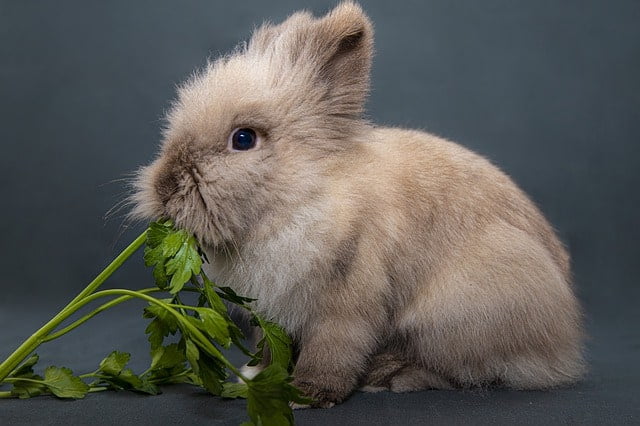
Is Cilantro Safe for Rabbits?
Cilantro is completely safe for rabbits when fed in appropriate amounts. Unlike some leafy greens that are high in oxalic acid (such as spinach), cilantro is classified as a low-oxalate herb. This makes it a better choice for regular rotation in your rabbit's vegetable mix, since high-oxalate greens need to be limited to prevent kidney issues over time.
The House Rabbit Society and most rabbit-savvy veterinarians include cilantro on their recommended lists of safe greens. It is one of the herbs that even picky eaters tend to accept, thanks to its mild, slightly citrusy flavor.
That said, "safe" does not mean "unlimited." Cilantro should always be part of a varied mix of greens, never the only vegetable your rabbit eats. The foundation of every rabbit's diet should be unlimited timothy hay or grass hay, which provides the fiber their digestive system depends on.
What Nutrients Does Cilantro Provide for Rabbits?
Cilantro is surprisingly nutrient-dense for a lightweight herb. According to USDA FoodData Central, 100 grams of raw cilantro contains the following key nutrients:
| Nutrient | Amount per 100g | Why It Matters for Rabbits |
|---|---|---|
| Vitamin A | 6,748 IU (337 mcg RAE) | Supports vision, immune function, and skin health |
| Vitamin K | 310 mcg | Essential for blood clotting and bone metabolism |
| Vitamin C | 27 mg | Antioxidant support (rabbits produce their own, but extra helps) |
| Potassium | 521 mg | Supports heart function and muscle contractions |
| Iron | 1.77 mg | Helps carry oxygen through the blood |
| Calcium | 67 mg | Needed for bones, but excess causes bladder sludge |
| Fiber | 2.8 g | Supports gut motility alongside hay |
| Calories | 23 kcal | Very low calorie, will not contribute to obesity |
The standout nutrient is vitamin A. A single 100-gram serving delivers over 200% of what most small mammals need daily. Vitamin A plays a critical role in maintaining healthy mucous membranes, good eyesight, and a strong immune system in rabbits.
Cilantro also contains beneficial phytochemicals, including linalool and geranyl acetate, which have mild anti-inflammatory and antibacterial properties. While these compounds are present in small amounts, they contribute to overall health when cilantro is part of a balanced diet.
How Does Cilantro Compare to Other Rabbit-Safe Herbs?
| Herb | Calcium (mg/100g) | Oxalic Acid Level | Vitamin A (IU/100g) |
|---|---|---|---|
| Cilantro | 67 | Low | 6,748 |
| Parsley | 138 | Moderate | 8,424 |
| Basil | 177 | Low | 5,275 |
| Dill | 208 | Low | 7,718 |
| Mint | 243 | Low | 4,248 |
As the table shows, cilantro has the lowest calcium content among these popular herbs. This makes it an especially good choice for rabbits that are prone to bladder sludge or urinary calcium deposits. If your rabbit produces thick, chalky urine, cilantro is a smarter pick than parsley or mint.
How Much Cilantro Can a Rabbit Eat?
The right amount of cilantro depends on your rabbit's body weight. As a general rule, rabbits should get about 1 packed cup of mixed greens per 2 pounds of body weight per day. Cilantro can make up a portion of that daily vegetable mix, but it should not be the only green you offer.
Here is a quick reference based on breed size:
| Rabbit Size | Body Weight | Daily Greens Total | Cilantro Portion (as part of mix) |
|---|---|---|---|
| Small breed (Netherland Dwarf, Mini Rex) | 1.5 to 3.5 lbs | 0.75 to 1.75 cups | 3 to 5 stems with leaves |
| Medium breed (Holland Lop, Mini Lop) | 4 to 6 lbs | 2 to 3 cups | 5 to 8 stems with leaves |
| Large breed (New Zealand, Californian) | 8 to 12 lbs | 4 to 6 cups | 8 to 15 stems with leaves |
| Giant breed (Flemish Giant, Continental) | 12+ lbs | 6+ cups | 15+ stems with leaves |
A single "stem with leaves" is roughly one sprig of cilantro, about 3 to 5 inches long with the leaves attached. When measuring, think of it as a small handful for a medium-sized rabbit.
Always aim to mix cilantro with at least two other types of greens in each serving. This variety ensures your rabbit gets a broader range of nutrients and reduces the risk of any single food causing digestive issues.
How Often Should You Feed Cilantro to Your Rabbit?
You can feed cilantro to your rabbit 3 to 4 times per week as part of a rotating schedule of greens. Avoid feeding it every single day, even though it is safe. Rotating between different herbs and leafy greens ensures nutritional variety and keeps your rabbit interested in their food.
A good weekly rotation might look like this:
- Monday: Cilantro + romaine lettuce
- Tuesday: Parsley + bok choy
- Wednesday: Cilantro + endive
- Thursday: Basil + arugula
- Friday: Cilantro + carrot tops
- Saturday: Dandelion greens + watercress
- Sunday: Spinach (limited) + cilantro
This rotation gives your rabbit cilantro 3 to 4 times per week while including enough variety to cover different vitamins, minerals, and fiber types. Notice that high-oxalate greens like spinach only appear once per week.
Can Baby Rabbits Eat Cilantro?
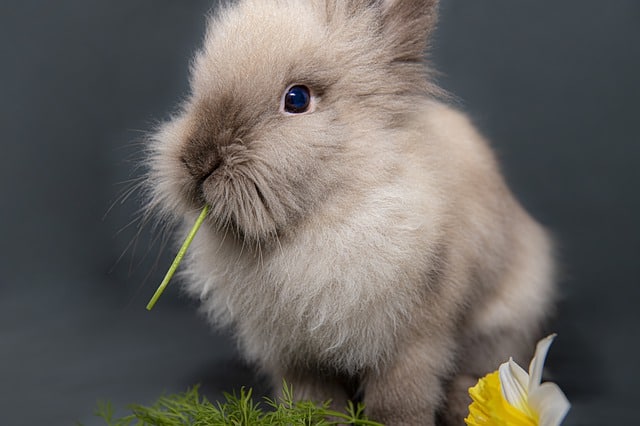
Baby rabbits under 12 weeks old should not eat cilantro or any other vegetables. Their digestive systems are still developing, and their gut flora is not mature enough to handle anything other than their mother's milk and, gradually, hay and pellets.
Here is a timeline for introducing cilantro based on your rabbit's age:
| Age | What to Feed | Cilantro? |
|---|---|---|
| 0 to 3 weeks | Mother's milk only | No |
| 3 to 7 weeks | Mother's milk + hay + pellets | No |
| 7 to 12 weeks | Hay + pellets (weaning period) | No |
| 12 to 16 weeks | Hay + pellets + introduce one vegetable at a time | Start with 1 to 2 small leaves |
| 4 to 7 months | Hay + pellets + increasing vegetables | Gradually increase amount |
| 7+ months to adult | Hay + pellets + full vegetable portion | Full portion as listed above |
When you first introduce cilantro at 12 weeks, start with just one or two small leaves. Wait 24 hours and watch for any signs of soft stools, gas, or reduced appetite. If your rabbit tolerates it well, you can gradually increase the amount over the following weeks.
Only introduce one new food at a time. If you add cilantro and another new vegetable on the same day and your rabbit has a bad reaction, you will not know which food caused the problem.
Can Rabbits Eat Cilantro Stems, Flowers, and Roots?
Cilantro Stems
Yes, cilantro stems are perfectly safe for rabbits. In fact, many rabbits enjoy the crunch of the stems and will eat them just as readily as the leaves. The stems contain the same nutrients as the leaves, though in slightly lower concentrations. You do not need to remove the stems before feeding.
Cilantro Flowers
When cilantro bolts (goes to seed), it produces small white or pale pink flowers. These flowers are safe for rabbits to eat. Some breeders report that their rabbits actually prefer the flowers over the leaves. If you grow cilantro in your garden and it starts to flower, feel free to share the blooms with your rabbit.
Cilantro Roots (Coriander Root)
Avoid feeding cilantro roots to your rabbit. The root portion of the plant contains concentrated essential oils that are much stronger than what is found in the leaves and stems. These oils can irritate your rabbit's digestive tract and may cause stomach upset. Stick to the above-ground parts of the plant only.
Coriander Seeds
Coriander seeds (the dried fruit of the cilantro plant) should also be avoided. Seeds are high in fats and essential oils relative to their size, and they offer no real benefit for rabbits. A rabbit's diet should center on leafy greens and hay, not seeds or grains.
What Are the Risks of Overfeeding Cilantro to Rabbits?
While cilantro is one of the safer greens for rabbits, overfeeding any single vegetable can cause problems. Here are the main risks to watch for:
- Gastrointestinal stasis (GI stasis): If your rabbit fills up on cilantro and eats less hay as a result, the reduced fiber intake can slow down gut motility. GI stasis is a potentially life-threatening condition where the digestive system slows or stops entirely. According to VCA Animal Hospitals, a rabbit's diet must be predominantly hay to keep the gut moving properly.
- Diarrhea or soft cecotropes: Introducing too much cilantro too quickly, especially for rabbits that are not used to fresh greens, can cause loose stools or mushy cecotropes. Cecotropes (the special droppings rabbits re-ingest) should be firm, grape-like clusters. If they become soft or your rabbit stops eating them, cut back on greens and increase hay.
- Nutritional imbalance: Feeding only cilantro without rotating other greens means your rabbit misses out on nutrients that cilantro does not provide in abundance, such as vitamin C (higher in bell peppers) or certain B vitamins found in leafy greens like romaine lettuce.
- Calcium buildup: While cilantro is lower in calcium than parsley or basil, it still contains 67 mg per 100g. For rabbits prone to urinary sludge or bladder stones, any calcium adds up. Rotating low-calcium greens and providing plenty of fresh water helps minimize this risk.
The bottom line: cilantro is a safe herb, but it should never replace hay as the core of your rabbit's diet. Think of it as a healthy supplement, not a main course.
How to Introduce Cilantro to Your Rabbit's Diet
If your rabbit has never eaten cilantro before, follow these steps to introduce it safely:
- Buy fresh, organic cilantro when possible. Conventionally grown cilantro may carry pesticide residue. If organic is not available, wash the cilantro thoroughly under running water for at least 30 seconds.
- Start small. Offer one or two leaves (without the root) and let your rabbit try it. Many rabbits will eat it immediately, but some may need a few exposures before they accept a new food.
- Wait 24 hours. Monitor your rabbit's droppings and behavior. Normal, round fecal pellets and a good appetite mean your rabbit tolerated the cilantro well.
- Increase gradually. Over the next one to two weeks, slowly increase the amount until you reach the recommended portion for your rabbit's weight.
- Add to a mix. Once your rabbit is used to cilantro, serve it as part of a vegetable mix with at least two other greens for balanced nutrition.
If at any point your rabbit develops runny stools, stops eating, or seems lethargic, remove cilantro and all other vegetables from their diet and offer only hay and water. Contact your veterinarian if symptoms persist beyond 12 hours.
What Other Herbs Can Rabbits Safely Eat?
Cilantro is just one of many herbs that are safe for rabbits. If you want to build a solid rotation of fresh greens, consider adding these to your rabbit's menu:
- Parsley (both flat-leaf and curly varieties)
- Basil (all common varieties including sweet basil and Thai basil)
- Mint (peppermint and spearmint are safe, but avoid pennyroyal mint)
- Dill (both leaves and stems)
- Oregano
- Thyme (in moderation)
- Rosemary (small amounts due to strong essential oils)
- Sage (as an occasional treat only)
Herbs that should be avoided entirely include chives, garlic, and any member of the allium family. These contain compounds that can damage your rabbit's red blood cells and cause serious health problems.
For a full breakdown of safe greens beyond herbs, check out our complete list of safe vegetables for rabbits.
Tips for Growing Cilantro at Home for Your Rabbits
Growing your own cilantro is one of the easiest ways to provide fresh, pesticide-free greens for your rabbits. Cilantro grows quickly and does well in both garden beds and containers on a windowsill.
Here are some practical tips from our experience:
- Plant seeds every 2 to 3 weeks. Cilantro bolts quickly in warm weather, so succession planting ensures you always have a fresh supply ready to harvest.
- Harvest from the outside in. Pick the outer, more mature leaves first. This allows the center of the plant to continue producing new growth.
- Keep soil moist but not waterlogged. Cilantro prefers consistent moisture and partial shade during hot summer months. In cooler climates, it tolerates full sun.
- Skip chemical fertilizers for rabbit portions. If you are growing cilantro specifically for your rabbits, use compost or aged rabbit manure instead of synthetic fertilizers.
- Store properly to extend freshness. Trim the stems and place the bunch upright in a jar of water in the refrigerator. Cover loosely with a plastic bag. Stored this way, fresh cilantro can last 1 to 2 weeks.
Homegrown cilantro also tends to be more flavorful and aromatic than store-bought bunches, which may make it even more appealing to your rabbit.
Frequently Asked Questions
Can rabbits eat cilantro every day?
Rabbits can technically eat cilantro daily without toxicity issues, but it is better to rotate it with other greens 3 to 4 times per week. Daily feeding of any single vegetable limits nutritional variety and increases the chance of digestive upset over time. Mix cilantro with at least two other types of greens.
Can rabbits eat cilantro stems?
Yes, rabbits can safely eat cilantro stems along with the leaves. The stems provide a satisfying crunch and contain the same vitamins and minerals as the leaves, just in slightly lower concentrations. There is no need to remove the stems before serving cilantro to your rabbit.
Is cilantro or parsley better for rabbits?
Both herbs are safe and nutritious, but cilantro has lower calcium and lower oxalic acid levels than parsley. For rabbits prone to bladder sludge or urinary issues, cilantro is the better everyday choice. Parsley can still be included as part of a weekly rotation of greens.
Can dwarf rabbits eat cilantro?
Yes, dwarf rabbit breeds like Netherland Dwarfs and Mini Rex can eat cilantro safely. Simply adjust the portion to match their smaller body size: about 3 to 5 small stems with leaves per serving, mixed with other greens in their daily vegetable portion.
What should I do if my rabbit refuses to eat cilantro?
Some rabbits simply do not like the taste of cilantro, and that is perfectly normal. Try offering it a few more times over several days, as rabbits sometimes need repeated exposure before accepting a new food. If they continue to refuse, choose from the many other safe herbs available.
Cite this article:
Cite this article:
BunnySync (March 1, 2026) Can Rabbits Eat Cilantro? Safe Herb Feeding Guide. Retrieved from https://bunnysync.com/blog/can-rabbits-eat-cilantro.
"Can Rabbits Eat Cilantro? Safe Herb Feeding Guide." BunnySync - March 1, 2026, https://bunnysync.com/blog/can-rabbits-eat-cilantro