Yes, rabbits can eat mint. Fresh mint leaves are safe and nutritious for rabbits that are at least 12 weeks old. Mint is one of the most popular herbs among rabbit owners because it is packed with vitamin A, smells great, and most rabbits love the taste. However, you should always feed mint in moderation alongside a diet that is primarily hay-based, and introduce it slowly to avoid upsetting your rabbit's digestive system.
In this guide, we cover which mint varieties are safe, proper portion sizes based on your rabbit's age and weight, potential risks, and how to grow your own mint at home for your rabbits.
Do Rabbits Like Eating Mint?
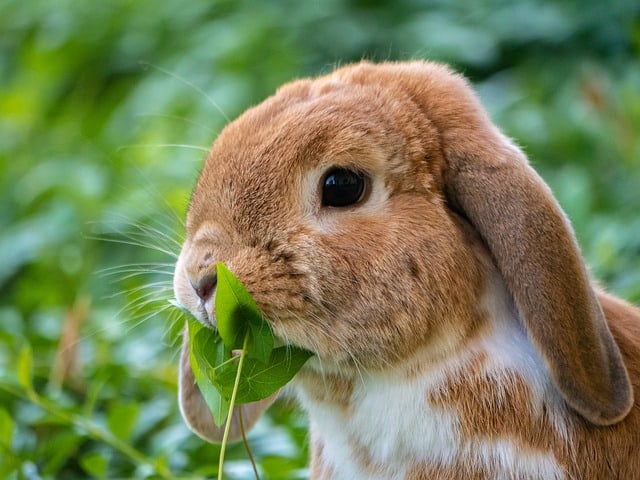
Most rabbits love mint. Leafy herbs like mint tend to be highly palatable for rabbits, and their aromatic oils make them especially appealing. In our experience as breeders, the vast majority of rabbits will eagerly eat mint leaves the moment they are offered.
That said, every rabbit has individual preferences. Some rabbits prefer milder greens like cilantro or lettuce, while others go wild for the strong scent of spearmint or peppermint. If your rabbit turns away from mint the first time, try offering a different variety or mixing it in with other greens. Give it a few tries before deciding your rabbit doesn't like it.
One useful trick is to lightly crush the mint leaf between your fingers before offering it. This releases more of the aromatic oils and can make the leaf more interesting to a hesitant rabbit.
Which Types of Mint Are Safe for Rabbits?
The mint family (Mentha) contains many species and cultivars. Not all of them are equally suitable for rabbits. Here is a breakdown of which varieties are safe and which ones you should avoid.
Safe Mint Varieties
- Spearmint (Mentha spicata): The most common garden mint. It has a mild, sweet flavor and is perfectly safe for rabbits. This is the variety we recommend starting with.
- Peppermint (Mentha x piperita): Slightly stronger in flavor than spearmint due to higher menthol content. Safe in small amounts, but some rabbits find the taste too intense.
- Apple mint (Mentha suaveolens): A milder variety with a subtle fruity scent. Very safe and often well-received by rabbits.
- Chocolate mint (Mentha x piperita 'Chocolate'): Despite the name, this is simply a peppermint cultivar with a slightly different aroma. Safe for rabbits.
- Lemon balm (Melissa officinalis): While technically not in the Mentha genus, lemon balm belongs to the same family (Lamiaceae) and is safe for rabbits in moderation.
Mint-Related Plants to Avoid
- Pennyroyal (Mentha pulegium): This is the one mint variety you must never feed to rabbits. Pennyroyal contains pulegone, a compound that is toxic to rabbits and can cause liver damage. It is sometimes sold as a natural flea repellent, but keep it far away from your rabbits.
- Essential mint oils: Never give your rabbit mint essential oils, mint extracts, or mint-flavored products. These concentrated forms contain levels of menthol and other compounds that are dangerous for rabbits.
What Are the Nutritional Benefits of Mint for Rabbits?
Mint is more than just a tasty treat for rabbits. It contains several vitamins and minerals that contribute to your rabbit's overall health. Here is a nutritional breakdown per 100 grams of fresh peppermint leaves, based on USDA data:
| Nutrient | Amount per 100g | Benefit for Rabbits |
|---|---|---|
| Vitamin A | 4,248 IU | Supports vision, immune function, and reproduction |
| Vitamin C | 31.8 mg | Rabbits produce their own, but extra supports immune health |
| Calcium | 243 mg | Bone health (feed in moderation to avoid bladder sludge) |
| Iron | 5.08 mg | Supports healthy blood cells |
| Potassium | 569 mg | Heart and muscle function |
| Fiber | 8 g | Supports gut motility |
| Folate | 114 mcg | Cell growth and development |
| Manganese | 1.176 mg | Bone formation and metabolism |
The standout nutrient in mint is vitamin A. At over 4,200 IU per 100 grams, mint provides a significant dose that supports your rabbit's immune system, reproductive health, and eyesight. This makes mint especially valuable as part of a varied vegetable rotation.
Mint also contains natural antioxidants, including rosmarinic acid and flavonoids, which may help reduce inflammation. While research on these compounds in rabbits is limited, studies on rabbit digestive health suggest that dietary variety with herbs can support a healthy gut microbiome.
One important note: mint is relatively high in calcium compared to some other greens. If your rabbit is prone to urinary sludge or bladder stones, you should limit high-calcium greens and rotate mint with lower-calcium options like cilantro or romaine lettuce.
How Much Mint Can a Rabbit Eat?
The right amount of mint depends on your rabbit's size, age, and overall diet. Mint should be treated as part of your rabbit's daily vegetable portion, not as a standalone meal. As a general rule, safe vegetables for rabbits should make up about 10-15% of the total diet, with hay accounting for at least 80%.
Portion Sizes by Breed Weight
The table below shows the recommended daily vegetable portion (including mint) based on your rabbit's breed size. Mint should be one of 3-5 different greens rotated throughout the week, not the only vegetable given.
| Rabbit Size | Body Weight | Total Daily Vegetables | Mint as Part of Mix |
|---|---|---|---|
| Small breed (Netherland Dwarf, Polish) | 1.1 to 3.5 lbs | Up to 128 grams | 1-2 small sprigs (about 5-10 leaves) |
| Medium breed (Holland Lop, Mini Rex) | 6 to 10 lbs | 384 to 640 grams | 3-5 sprigs (about 15-25 leaves) |
| Large breed (Flemish Giant, New Zealand) | 9 to 12+ lbs | 384 to 760 grams | 5-8 sprigs (about 25-40 leaves) |
Source: Patry, Karen, et al. The Rabbit-Raising Problem Solver. Storey Publishing, 2014.
Feeding Amounts by Age
Your rabbit's age is just as important as their weight when determining how much mint to offer. Young rabbits have sensitive digestive systems that need time to adapt to new foods.
| Age | Mint/Vegetable Guideline |
|---|---|
| 0 to 12 weeks | No mint or vegetables. Hay and mother's milk only. |
| 12 weeks to 7 months | Introduce one new vegetable at a time. Start with less than 15 grams of mint. |
| 7 months to 1 year | Gradually increase vegetable portions. Offer mint 2-3 times per week. |
| Adult (1 to 5 years) | 1-2 cups of mixed vegetables per 6 lbs body weight. Mint can be part of the rotation. |
| Senior (6+ years) | Maintain adult portions unless your vet recommends adjustments based on health. |
Source: LaFeber Vet Basic Rabbit Care Guide
How to Introduce Mint to Your Rabbit's Diet
If your rabbit has never eaten mint before, you need to introduce it gradually. Sudden dietary changes are one of the most common causes of digestive upset in rabbits. Follow these steps for a safe introduction:
- Start small: Offer 2-3 mint leaves on the first day. No more than about 5 grams total.
- Watch for 24 hours: Monitor your rabbit's droppings closely. Normal droppings should remain round, firm, and consistent in size. Soft or watery stool is a warning sign.
- Wait 3-5 days: Do not introduce any other new foods during this monitoring period. This way, if your rabbit has a reaction, you know mint is the cause.
- Gradually increase: If your rabbit tolerates the initial serving well, slowly increase the amount over the next 1-2 weeks until you reach the recommended portion for their size.
- Rotate with other greens: Once mint is established in your rabbit's diet, rotate it with other safe herbs and vegetables. Feeding the same green every single day is not ideal for nutritional balance.
If you notice any soft stools, loss of appetite, or changes in behavior during the introduction period, remove mint from the diet immediately and return to hay only for 24-48 hours. If symptoms persist, consult a rabbit-savvy veterinarian.
When Should You Not Feed Mint to Rabbits?
While mint is generally safe, there are specific situations where you should avoid feeding it to your rabbit:
- Rabbits under 12 weeks old: Young kits have immature gut flora and should eat only hay (and mother's milk if still nursing). Introducing vegetables too early can cause serious digestive problems.
- Rabbits with active digestive issues: If your rabbit is experiencing diarrhea, GI stasis, bloating, or any other digestive problem, remove all vegetables and fruits from their diet. Feed hay only until the issue resolves.
- Rabbits with urinary problems: Because mint is relatively high in calcium, rabbits with a history of bladder sludge or urinary stones should eat it sparingly. Talk to your vet about which low-calcium greens are better choices.
- Pregnant or nursing does: While mint itself is not harmful during pregnancy, some breeders report that strong herbs can occasionally affect milk production or flavor. If you are unsure, stick to milder greens during this period and consult your vet.
- Treated or sprayed mint: Never feed your rabbit mint that has been sprayed with pesticides, herbicides, or any chemical treatments. If you buy mint from a grocery store, wash it thoroughly. Better yet, grow your own.
What Are the Risks of Overfeeding Mint to Rabbits?
The biggest risk with mint is not the herb itself but overfeeding it. When rabbits fill up on mint or any other vegetable instead of hay, they miss out on the fiber that makes up the foundation of their digestive health. Here are the most common problems:
Gastrointestinal Stasis
GI stasis occurs when a rabbit's digestive system slows down or stops completely. It is one of the most dangerous conditions in rabbits and can be fatal if not treated promptly. The primary cause is insufficient fiber intake, which happens when vegetables replace hay in the diet. According to VCA Hospitals, rabbits eating a diet that lacks adequate fiber from grass hay are at the highest risk for GI stasis.
Diarrhea
Introducing too much mint too quickly, or feeding large volumes in a single sitting, can overwhelm your rabbit's gut bacteria and cause loose stools. True diarrhea in rabbits (watery, unformed stool) is a veterinary emergency, especially in young rabbits. Always introduce new foods gradually and stick to recommended portion sizes.
Soft Uneaten Cecotropes
Rabbits produce two types of droppings: regular fecal pellets and cecotropes (soft, cluster-shaped droppings they normally re-ingest). When a rabbit's diet is too high in vegetables and too low in fiber, cecotropes can become excessively soft and go uneaten. You may find mushy, smelly clusters stuck to your rabbit's fur or on the cage floor. This is a clear signal to reduce vegetables and increase hay.
Calcium Buildup
As mentioned earlier, mint contains a moderate amount of calcium. Rabbits metabolize calcium differently from most mammals. They absorb all dietary calcium and excrete the excess through their kidneys. Over time, excessive calcium can lead to thick, chalky urine (bladder sludge) or even bladder stones that may require surgical removal. Rotating mint with lower-calcium greens helps prevent this issue.
Can Rabbits Eat Mint Stems and Flowers?
Yes, all parts of the mint plant are safe for rabbits to eat, including the leaves, stems, and flowers. The stems are slightly tougher and more fibrous than the leaves, which actually provides a small amount of additional dietary fiber. Many rabbits enjoy chewing on mint stems as an enrichment activity.
Mint flowers are also safe and can be offered as an occasional treat. They tend to have a milder flavor than the leaves. Some rabbits enjoy them, while others show little interest.
The only part of the mint plant you should avoid is the roots. While not toxic, roots can carry soil-borne bacteria and are difficult for rabbits to digest properly.
Can You Grow Mint at Home for Your Rabbits?
Growing your own mint is one of the best ways to ensure a safe, pesticide-free supply for your rabbits. Mint is extremely easy to grow and actually requires more effort to contain than to cultivate. Here are some practical tips:
- Container growing is best: Mint spreads aggressively through underground runners. If planted directly in a garden bed, it will quickly take over. Use a pot or planter with drainage holes to keep it contained.
- Partial shade works fine: Mint tolerates a wide range of light conditions. It grows well in partial shade to full sun, making it suitable for windowsills, patios, or gardens.
- Water regularly: Mint prefers consistently moist soil. Water when the top inch of soil feels dry. In hot weather, this may be daily.
- Harvest often: Regular harvesting encourages bushy growth. Pinch or cut stems just above a leaf node to promote branching. This gives you more leaves and prevents the plant from becoming leggy.
- Avoid chemical fertilizers: Use organic compost or worm castings instead. Chemical fertilizers can leave residues that are harmful to rabbits.
- Spearmint is easiest: If you are new to growing herbs, spearmint is the most forgiving variety and the one most rabbits prefer.
A single mint plant can produce enough leaves to supplement several rabbits' diets throughout the growing season. Excess leaves can be dried and stored for winter use.
What Are Good Herb Alternatives to Mint for Rabbits?
Variety is key to a healthy rabbit diet. While mint is an excellent herb choice, you should rotate it with other safe greens throughout the week. Here are some of the best herb alternatives:
- Basil: Rich in vitamin K and well-tolerated by most rabbits. A great option to rotate with mint.
- Parsley: High in vitamins A and C. Feed in moderation due to its calcium and oxalate content.
- Cilantro: Lower in calcium than mint, making it an ideal pairing in your rotation. Most rabbits love it.
- Oregano: Safe for rabbits and contains natural antioxidants. Offer in smaller amounts due to its strong flavor.
- Dill: A mild, aromatic herb that is safe for rabbits and provides variety in both flavor and nutrients.
- Rosemary: Safe in small quantities. Its woody stems also provide chewing enrichment.
A good rule of thumb is to offer 3-5 different greens each day and switch up the selection every few days. This ensures your rabbit gets a broad range of nutrients and reduces the risk of any single mineral building up to harmful levels.
Frequently Asked Questions
Can rabbits eat mint every day?
Feeding mint every single day is not recommended. While mint is safe, rabbits benefit from a rotating selection of 3-5 different greens. Offering mint 2-3 times per week as part of a varied vegetable mix is a better approach for balanced nutrition.
Can rabbits eat mint stems?
Yes, mint stems are completely safe for rabbits. They are slightly more fibrous than the leaves, which provides a small digestive benefit. Many rabbits enjoy chewing on the stems as enrichment alongside eating the leaves.
Is peppermint safe for rabbits?
Peppermint is safe for rabbits in moderate amounts. It has a stronger menthol flavor than spearmint, so some rabbits may find it too intense. Start with a small amount and see how your rabbit responds. Never give peppermint essential oil or extracts.
Can baby rabbits eat mint?
No. Rabbits should be at least 12 weeks old before eating any vegetables, including mint. Young kits have immature digestive systems that cannot handle anything beyond hay and their mother's milk. Introducing vegetables too early can cause life-threatening diarrhea.
Can rabbits eat dried mint?
Yes, dried mint is safe for rabbits and can be a useful way to offer mint during winter months when fresh herbs are less available. Keep in mind that dried herbs are more concentrated, so offer smaller quantities than you would with fresh mint. A pinch sprinkled over hay can add flavor and enrichment.
Cite this article:
Cite this article:
BunnySync (March 2, 2026) Can Rabbits Eat Mint? Safe Herb Feeding Guide for 2026. Retrieved from https://bunnysync.com/blog/can-rabbits-eat-mint.
"Can Rabbits Eat Mint? Safe Herb Feeding Guide for 2026." BunnySync - March 2, 2026, https://bunnysync.com/blog/can-rabbits-eat-mint