Yes, rabbits can eat rose hips, and most will absolutely love them. Rose hips are the fruit left behind after rose flowers drop their petals, and they are one of the most nutritious treats you can offer a bunny. I give rose hips to my own rabbits several times a week during the season, and the response is always enthusiastic. That said, there are portion rules to follow and a few situations where you should hold off entirely.
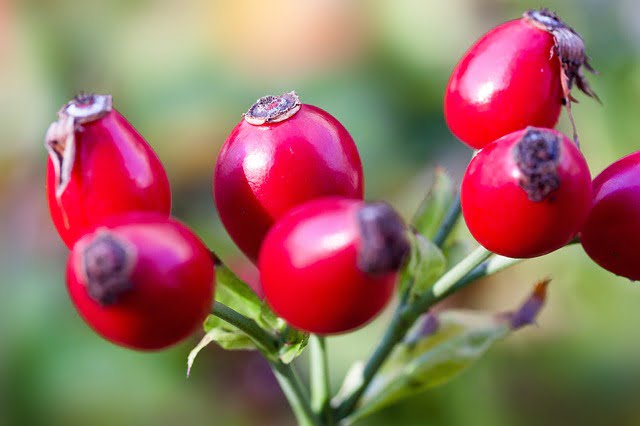
What Exactly Are Rose Hips?
Rose hips are the small, rounded fruits that develop at the base of a rose bloom after pollination. They range in color from orange to deep red, and sometimes even purple, depending on the species. Wild roses, including Rosa canina (dog rose) and Rosa rugosa, produce the most abundant and nutritious hips.
Humans have used rose hips for centuries in teas, jams, and herbal remedies. They are particularly well known for their extraordinarily high vitamin C content, far exceeding that of oranges by weight. For rabbits, they offer a sweet, slightly tart flavor that most bunnies find irresistible.
Are Rose Hips Safe for Rabbits?
Rose hips are safe for rabbits when offered correctly. The fruit itself, the skin, and the flesh are all edible. The one part you must remove is the seeds and the hairy material inside the hip. These fine hairs can cause irritation to a rabbit's digestive tract if consumed in quantity.
If you are sourcing rose hips from a garden or wild area, you must also be certain they have not been sprayed with pesticides, herbicides, or any chemical fertilizer. This is a non-negotiable safety rule. When in doubt, rinse thoroughly under cold running water and consider the source carefully.
Rose hips from florist roses should be avoided entirely. Commercially grown roses are routinely treated with a heavy chemical load, and those residues remain in the fruit even after washing.
What Nutritional Benefits Do Rose Hips Offer Rabbits?
Rose hips are a genuinely impressive source of nutrition, even in small amounts. Here is a breakdown of the key nutrients and why they matter for your rabbit.
| Nutrient | Benefit for Rabbits | Notable? |
|---|---|---|
| Vitamin C | Immune support, tissue repair | Exceptionally high |
| Vitamin A | Eye health, skin, immune function | High |
| Vitamin E | Antioxidant protection | Moderate |
| Dietary fiber | Supports gut motility | Good |
| Calcium | Bone health (moderate amounts) | Present but not excessive |
| Natural sugars | Energy, palatability | Keep portions controlled |
| Flavonoids | Anti-inflammatory properties | Present |
Rabbits actually synthesize their own vitamin C, so they do not strictly need it from diet the way humans do. However, the antioxidant activity from rose hips still contributes positively to immune health. The fiber content is what I find most practically useful. A rabbit's digestive system depends on consistent fiber intake, and rose hips add variety to that fiber profile.
For more on how fiber-rich foods fit into your rabbit's overall diet, see how much hay a rabbit should eat each day, since hay remains the absolute foundation of any healthy rabbit diet.
How Many Rose Hips Can a Rabbit Eat?
Portion size depends primarily on your rabbit's body weight and age. Rose hips contain natural sugars, and like all sugary treats, too many will disrupt gut bacteria balance and contribute to obesity over time.
| Rabbit Size | Approximate Weight | Fresh Rose Hips Per Serving | Frequency |
|---|---|---|---|
| Dwarf breeds (Netherland Dwarf, Holland Lop) | 1-2 kg | 1 small hip | 2-3 times per week |
| Small breeds (Mini Rex, Dutch) | 2-3 kg | 1-2 hips | 2-3 times per week |
| Medium breeds (Rex, New Zealand) | 3-5 kg | 2-3 hips | 3 times per week |
| Large breeds (Flemish Giant, French Lop) | 5+ kg | 3-4 hips | 3 times per week |
These are guidelines, not rigid rules. If your rabbit has a sensitive gut or a history of soft cecotropes, start with half a hip and watch for any digestive changes over 24 to 48 hours before increasing.
Understanding overall treat portions in context is important. Check out how much food to feed a rabbit per day to see where treats like rose hips fit into the broader feeding picture.
Can Baby Rabbits Eat Rose Hips?
No. Baby rabbits under 12 weeks old should not eat rose hips or any fruit. Their digestive systems are not yet mature enough to handle sugar and varied plant matter. Young kits should be on their mother's milk exclusively, and once weaned, they should transition to unlimited hay and water first.
Between 12 weeks and 6 months, you can begin introducing small amounts of fresh vegetables, but fruit, including rose hips, should wait until 6 months at the earliest. At that point, introduce a tiny amount and monitor stool consistency carefully for any signs of loose or runny droppings.
Fresh vs. Dried Rose Hips: Which Is Better?
Both fresh and dried rose hips are safe for rabbits, but they are not equivalent in terms of sugar concentration. Drying removes moisture, which means the natural sugars become more concentrated per gram. This means dried rose hips must be given in smaller portions than fresh ones.
Fresh rose hips, harvested in autumn when fully ripe, are my preferred choice for regular feeding. They have a satisfying texture, high moisture content (which contributes to hydration), and a flavor rabbits consistently prefer.
Dried rose hips have the advantage of longer shelf life and year-round availability. Many pet stores sell them as rabbit treats. If you buy commercially dried rose hips, check the ingredient list carefully. They should contain nothing but dried rose hips, with no added sugar, salt, or preservatives.
| Feature | Fresh Rose Hips | Dried Rose Hips |
|---|---|---|
| Sugar concentration | Lower | Higher (reduce portion) |
| Moisture content | High | Very low |
| Shelf life | 1 week refrigerated | Several months |
| Availability | Seasonal (late summer to autumn) | Year-round |
| Nutrient retention | Optimal | Good (some vitamin C loss) |
| Portion size | Standard | Reduce by 50% |
How Do You Prepare Rose Hips for Rabbits?
Preparation is straightforward but the seed removal step is essential. Here is exactly how I prepare rose hips from my garden for my rabbits:
- Harvest or source carefully. Pick hips from pesticide-free plants. Wild rose hips are excellent if you know the area is clean. Avoid roadside picking due to exhaust and potential runoff contamination.
- Rinse under cold running water. Do this even if you grew them yourself. Rub gently with your fingers to remove any surface debris or insects.
- Trim the ends. Cut off the small calyx (the dried flower remnant) at the top and the stem end at the bottom. Both are tough and fibrous.
- Slice open and scoop. Cut each hip in half lengthwise and use a small spoon or your fingertip to scoop out the seeds and the surrounding hairy fibers. They come out easily once the hip is halved.
- Offer immediately or refrigerate. Fresh cut hips can be refrigerated in an airtight container for up to five days.
If you are drying rose hips at home, slice them in half, remove the seeds, and dry them on a baking tray at a very low oven temperature (around 50 to 60 degrees Celsius) for several hours until completely dried through. You can also air dry them in a warm, ventilated spot over several weeks.
What Are the Risks of Feeding Too Many Rose Hips?
Overfeeding rose hips creates two main problems. First, the sugar content can disrupt the delicate bacterial balance in a rabbit's cecum. This leads to soft, mushy cecotropes or, in worse cases, true diarrhea. Diarrhea in rabbits is a serious condition that can become life-threatening quickly if not addressed.
Second, excess sugar intake over time contributes to obesity and dental issues. Rabbits have continuously growing teeth that rely on abrasive hay to wear down evenly. A diet too high in sugary treats shifts their appetite away from hay, which has downstream consequences for both dental and gut health.
If you notice your rabbit producing fewer cecotropes than usual, has soft droppings stuck around the vent area, or seems less interested in hay after you introduced rose hips, cut back immediately. A relevant guide on droppings concerns is what to do when a rabbit has poop stuck to his bum.
When Should You Avoid Giving Rose Hips?
There are specific situations where rose hips should be withheld entirely:
- During illness or recovery. A rabbit with GI stasis, diarrhea, or any digestive upset should be on hay and water only until the vet clears them for a varied diet.
- Kidney issues. Rose hips contain oxalic acid, though in lower quantities than some other foods. Rabbits with kidney disease or a history of bladder sludge should have their diet reviewed by a vet before adding rose hips.
- Obesity. If your rabbit is already overweight, sugary treats including rose hips should be eliminated until a healthy weight is reached through controlled hay-based diet.
- Unknown sourcing. If you genuinely cannot confirm that rose hips are pesticide-free, do not offer them. The risk is not worth it.
Can Rabbits Eat Rose Leaves and Petals Too?
Yes. Both rose petals and rose leaves are safe for rabbits from pesticide-free plants. In fact, the entire rose plant, including stems with small thorns (though thorns are best trimmed), flowers, leaves, and hips, is non-toxic to rabbits. I often give my rabbits a small branch with leaves and petals still attached as enrichment during spring and early summer, then transition to hips in autumn.
For a more detailed look at feeding roses broadly, see can rabbits eat roses, which covers the whole plant in depth.
Is It Worth Growing Rose Hips for Your Rabbits?
If you have outdoor space, growing your own roses for both aesthetic and rabbit-feeding purposes is one of the most practical things you can do. Rosa rugosa is the variety I recommend most often. It produces large, fleshy hips with an excellent nutritional profile, it is extremely hardy across most climates, it requires minimal maintenance, and it produces prolifically from late summer through autumn.
A single established Rosa rugosa bush can produce more hips than a small rabbitry needs in a season. You can harvest the excess, dry them, and store them in an airtight jar for winter feeding. Growing your own also eliminates all pesticide concerns, which is the most common worry rabbit owners have about rose hips.
Avoid growing roses that have been bred for large, showy blooms if your primary goal is hip production. Many hybrid tea roses produce few or no hips because breeding has prioritized petal count over fruiting ability. Stick to species roses or old garden rose varieties for the best harvest.
How Do Rose Hips Compare to Other Rabbit-Safe Fruits?
Rose hips sit in a favorable position among rabbit-safe fruits when you consider the sugar-to-nutrition ratio. They are more nutritious per calorie than many popular treat options, largely due to the vitamin and antioxidant content.
| Fruit | Sugar Level | Vitamin C Content | Rabbit Safety |
|---|---|---|---|
| Rose hips | Moderate | Exceptionally high | Safe, remove seeds |
| Strawberries | Moderate | High | Safe |
| Blueberries | Moderate | Moderate | Safe |
| Blackberries | Low-moderate | Moderate | Safe, leaves too |
| Cranberries | Low (tart) | Moderate | Safe, small amounts |
| Banana | Very high | Low | Safe, very limited |
If you enjoy rotating fruit treats for variety, some excellent comparisons worth reading include can rabbits eat blackberries and can rabbits eat strawberries, both of which cover preparation and portion guidance in similar depth.
What Does Current Research Say About Rose Hips for Animals?
While most rose hip research focuses on human health applications, the underlying nutritional data is directly applicable. The National Institutes of Health research on rose hip phytonutrients confirms exceptionally high antioxidant and vitamin concentrations in Rosa canina and related species. The anti-inflammatory flavonoids documented in this research are relevant to rabbit health, particularly for older rabbits where joint health and immune competence become priorities.
The RSPCA rabbit diet guidance confirms that fruits should be treated as occasional treats rather than dietary staples, which aligns with the portion guidance in this article. Their recommendation to always prioritize hay is consistent with best practice across all rabbit welfare organizations.
Frequently Asked Questions
Can rabbits eat dried rose hips every day?
No. Even dried rose hips should be limited to two or three times per week at most, and in smaller portions than fresh hips due to concentrated sugar. Daily feeding of any sugary treat disrupts gut flora balance over time and can shift your rabbit away from eating the hay they need as the foundation of their diet.
Do I have to remove the seeds from rose hips before feeding?
Yes, always. The seeds are surrounded by fine, hair-like fibers that can cause gastrointestinal irritation if consumed repeatedly. The seeds themselves offer no nutritional benefit and are a manageable choking risk for smaller breeds. Slicing the hip in half and scooping out the seeds takes only a few seconds per hip.
Can I feed rose hips to a pregnant or nursing doe?
Yes, with caution. Pregnant and nursing does have higher nutritional demands, and rose hips offer useful vitamins. However, stick to the standard portion guidelines and avoid introducing rose hips for the first time during late pregnancy. Digestive upset during pregnancy carries added risk, so only feed rose hips if the doe is already accustomed to them.
My rabbit ate rose hips from a garden I am not sure is pesticide-free. What should I do?
Monitor closely for the next 24 to 48 hours. Watch for lethargy, loss of appetite, abnormal droppings, or any sign of distress. If any symptoms appear, contact your exotic vet immediately. For future reference, only source rose hips from gardens or wild areas you can personally confirm are chemical-free.
Are rose hips better than commercial rabbit treats from the pet store?
In most cases, yes. Many commercial rabbit treats contain added sugar, artificial flavors, or fillers like seeds and grains that are not appropriate for rabbits. Whole rose hips, properly prepared, contain only naturally occurring nutrients with no additives. They are a more nutritious and species-appropriate choice than the majority of packaged treat products.
Cite this article
Cite this article:
BunnySync (March 21, 2026) Can Rabbits Eat Rose Hips? Safe Feeding Guide for Bunny Owners. Retrieved from https://bunnysync.com/blog/can-rabbits-eat-rose-hips.
"Can Rabbits Eat Rose Hips? Safe Feeding Guide for Bunny Owners." BunnySync - March 21, 2026, https://bunnysync.com/blog/can-rabbits-eat-rose-hips