If your rabbit has poop stuck to its bum, the cause is either soft uneaten cecotropes or true diarrhea. Soft cecotropes are the more common culprit and are almost always caused by a diet too high in carbs and too low in fiber. True diarrhea, where no solid fecal pellets are present at all, is a veterinary emergency. Either way, you need to clean the mess promptly and fix the underlying problem to keep your rabbit healthy.
Why Does My Rabbit Have Poop Stuck to Its Bum?
The condition commonly called "poopy butt" happens when soft, mushy droppings cling to the fur around your rabbit's rear end. As breeders, we have seen this issue hundreds of times, and the root cause nearly always traces back to diet. Understanding what type of poop is sticking to your rabbit's fur is the first step toward solving it.
Poopy butt is one of the top reasons rabbits get surrendered to shelters. The smell is strong, the mess is persistent, and many owners assume it cannot be fixed. The reality is that most cases resolve within 1 to 2 weeks once you make the right dietary changes.
What Are Cecotropes?
Cecotropes are special, nutrient-rich droppings that rabbits produce and normally eat directly from their rear end. They look like small clusters of dark, shiny pellets, almost like tiny bunches of grapes. Healthy cecotropes have a soft, moist texture and a distinct, slightly sweet smell.
Rabbits eat cecotropes to absorb essential B vitamins, fatty acids, and other nutrients produced during a second round of digestion in the cecum. This process, called cecotrophy, is a normal and vital part of rabbit digestion. When cecotropes become too soft or mushy, rabbits cannot pick them up properly, and they end up matted into the fur around the tail.
What Is True Diarrhea in Rabbits?
True diarrhea looks very different from soft cecotropes. With diarrhea, the stool is watery or liquid, and there are no normal, round fecal pellets in the litter box at all. If your rabbit is producing only watery stool with no solid pellets, this is a medical emergency. Diarrhea can kill a rabbit within 24 to 48 hours through rapid dehydration, particularly in kits and young rabbits under 8 weeks old.
How to Tell the Difference Between Cecotropes and Diarrhea
The quickest way to tell the difference is to check your rabbit's litter box. If you see normal, round, dry fecal pellets alongside the soft mess, your rabbit likely has soft uneaten cecotropes. If you see only liquid or very loose stool with no solid pellets at all, your rabbit has diarrhea and needs a vet immediately. You can learn more about normal rabbit digestive output in our guide on how long rabbits can go without pooping.
| Feature | Soft Cecotropes | True Diarrhea |
|---|---|---|
| Normal pellets present | Yes, alongside the soft mess | No solid pellets at all |
| Consistency | Mushy, paste-like clusters | Watery or liquid |
| Smell | Strong but not foul | Very foul and pungent |
| Urgency | Monitor and adjust diet | Emergency vet visit |
| Most common in | All ages, any breed | Young rabbits under 8 weeks |
What Causes Soft Uneaten Cecotropes in Rabbits?
Soft, uneaten cecotropes are by far the most common reason a rabbit has poop stuck to its bum. In our years of breeding, we have found that diet is almost always the root cause. Here are the specific triggers we see most often.
Too Many Pellets or Treats
Overfeeding pellets is the number one cause. When rabbits fill up on pellets, they eat less hay. Pellets are calorie-dense and relatively low in the long-strand fiber that keeps cecotropes firm. Treats like yogurt drops, seed sticks, and dried fruit make the problem worse because of their high sugar content.
A healthy adult rabbit needs only about 1/4 cup of pellets per 5 pounds of body weight daily. Understanding how much hay a rabbit should eat is critical to getting the fiber ratio right and preventing poopy butt entirely.
Not Enough Hay in the Diet
Hay should make up 80% or more of a rabbit's diet. Timothy hay, orchard grass, and other grass hays provide the long-strand fiber that keeps the cecum functioning properly and cecotropes firm enough for the rabbit to eat. Without enough fiber, the cecum produces overly soft output that the rabbit cannot pick up normally.
If your rabbit is refusing hay but still eating pellets, that feeding pattern itself is a red flag. Pellets should never replace hay as the primary food source.
Obesity and Limited Mobility
Overweight rabbits often cannot physically reach their rear end to eat cecotropes as they are produced. This is especially common in breeds prone to weight gain, like Holland Lops, Mini Rex, and Netherland Dwarfs. The uneaten cecotropes then accumulate on the fur, creating a sticky, smelly buildup that only gets worse over time.
Arthritis in older rabbits causes the same problem. The rabbit simply cannot bend far enough to reach its cecotropes, regardless of how firm they are. If your senior rabbit suddenly develops poopy butt, reduced mobility is likely the cause rather than diet alone.
Dental Problems
Rabbits with overgrown molars or dental spurs may avoid eating hay because it hurts to chew the long, tough strands. This leads to reduced fiber intake, which triggers soft cecotropes. If your rabbit is drooling, dropping food from its mouth, or favoring one side while chewing, dental disease could be the hidden cause behind its poopy butt.
Sudden Diet Changes
Switching foods too quickly disrupts the delicate balance of beneficial bacteria in the cecum. Any new food, whether vegetables, a different pellet brand, or a new type of hay, should be introduced gradually over 7 to 10 days. Abrupt changes can cause temporary soft cecotropes even in rabbits with otherwise healthy digestive systems.
What Causes True Diarrhea in Rabbits?
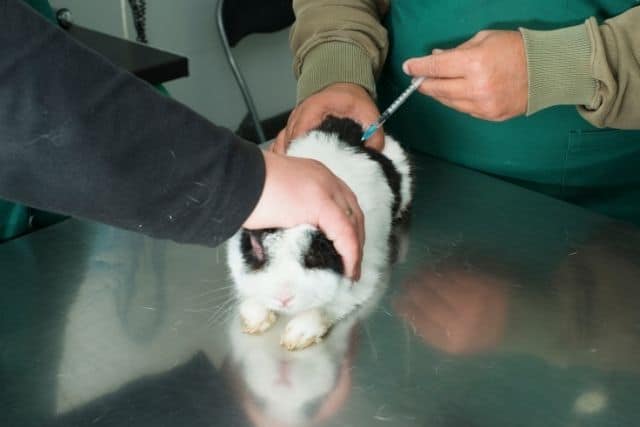
True diarrhea is less common than soft cecotropes but far more dangerous. If your rabbit has watery stool with no solid pellets present, get to a rabbit-savvy vet as soon as possible. Do not wait to see if it improves on its own.
Common causes of true diarrhea in rabbits include:
- Bacterial infections such as Clostridium spiroforme or E. coli overgrowth in the gut
- Parasitic infections including coccidia, which is especially deadly in young rabbits
- Viral infections such as rotavirus, primarily affecting kits under 8 weeks
- Toxin ingestion from poisonous plants, heavy metals, or household chemicals
- Antibiotic side effects, particularly oral penicillin-based antibiotics which destroy beneficial gut bacteria in rabbits
- Severe stress from environmental changes, predator exposure, or prolonged loud noises
- Extreme dietary imbalance with very high carbohydrates and almost no fiber
Young rabbits under 8 weeks old are especially vulnerable to fatal diarrhea. According to VCA Animal Hospitals, gastrointestinal diseases are among the most common health problems in pet rabbits and require prompt veterinary attention. In a breeding operation, diarrhea in kits can spread quickly and cause significant losses within hours if not addressed.
How to Safely Clean Poop Off Your Rabbit's Bum
Before you address the underlying cause, you need to clean the existing mess. Leaving poop caked on your rabbit's fur creates a serious risk of flystrike in warm weather and causes painful skin irritation year-round. Here are two safe methods we use regularly in our rabbitry.
Method 1: Dry Bath for Light Buildup
A dry bath is the least stressful option and works well when the buildup is minor and mostly dried:
- Place your rabbit on a towel on your lap, belly up, while supporting its back at all times.
- Sprinkle a generous amount of plain cornstarch (never talcum powder) onto the soiled area.
- Gently work the cornstarch into the fur and around the dried poop with your fingers.
- Use a fine-toothed flea comb to carefully comb out the softened droppings.
- Continue until the area is clean, adding more cornstarch as needed.
- Brush away any remaining powder with a soft brush or dry cloth.
This method avoids water entirely, which reduces stress and eliminates the risk of hypothermia. It is the preferred approach whenever the cecotropes are mostly dry and crumbly rather than wet and sticky.
Method 2: Butt Bath for Heavy or Matted Buildup
When the buildup is thick, wet, or deeply matted into the fur, a partial butt bath is the better option:
- Fill a sink or shallow basin with about 2 inches of lukewarm water, roughly 100°F (38°C).
- Add a small amount of rabbit-safe, unscented soap if the buildup is especially stubborn.
- Gently lower only your rabbit's hindquarters into the water while firmly supporting its upper body.
- Soak the soiled area for 2 to 3 minutes to soften the caked-on poop.
- Gently work the droppings out of the fur with your fingers. Never pull or tug on matted fur.
- Drain the dirty water and rinse with clean lukewarm water.
- Pat the area dry with a clean towel, then use a hair dryer on the lowest, coolest setting to completely dry the fur.
Important: Never submerge your rabbit fully in water. Rabbits can go into shock from the stress of a full bath, and wet fur against the skin can lead to hypothermia. Only clean the affected area, and make sure the fur is 100% dry before returning your rabbit to its enclosure. Damp fur creates a breeding ground for bacteria and fungal infections.
How to Fix and Prevent Poopy Butt Long-Term
Cleaning the mess is only a temporary fix. To stop poopy butt from recurring, you need to address the root cause. Here is a step-by-step approach that has worked consistently across hundreds of rabbits in our breeding program.
Step 1: Reset the Diet with Hay Only
Remove all pellets, treats, and vegetables from your rabbit's diet for 1 to 2 weeks. Feed unlimited timothy hay or orchard grass hay only, along with unlimited fresh water. This forces the gut to reset and gives the cecum the fiber it needs to produce firm, normal cecotropes again.
Most rabbits show noticeable improvement within 3 to 5 days of a hay-only reset. If nothing changes after a full 2 weeks, there may be an underlying health issue that a vet should evaluate.
Step 2: Reintroduce Vegetables One at a Time
After the cecotropes return to normal, slowly add back one food at a time. Start with a single safe vegetable for rabbits, like romaine lettuce or cilantro. Feed that vegetable for 3 to 4 days and watch carefully for any return of soft cecotropes.
If the cecotropes stay firm, add another vegetable. If they become soft again, remove that food permanently from your rabbit's rotation. This elimination process helps you identify the specific trigger foods for your individual rabbit, since sensitivities vary between animals.
Step 3: Limit Pellets to the Correct Amount
When reintroducing pellets, measure them carefully. Adult rabbits over 1 year old should get no more than 1/4 cup of plain, timothy-based pellets per 5 pounds of body weight daily. Choose a pellet with at least 18% crude fiber and no added seeds, dried fruit, or colored pieces. Those "gourmet" pellet mixes with colorful bits are one of the biggest contributors to poopy butt that we see.
Step 4: Maintain a Clean Living Environment
A dirty enclosure increases stress and exposes your rabbit to harmful bacteria that can worsen digestive problems. Clean the litter box every 1 to 2 days and do a thorough enclosure cleaning at least once per week. Good hygiene also controls the strong smell associated with poopy butt. For detailed tips, read our guide on keeping your rabbit's cage from smelling.
Step 5: Monitor Weight and Encourage Exercise
Weigh your rabbit monthly and compare it to the breed standard weight range. An overweight rabbit that cannot reach its cecotropes will have a recurring problem regardless of how perfect the diet is. Increase exercise time to a minimum of 3 to 4 hours per day outside the cage, and provide a spacious enough enclosure that encourages natural movement throughout the day.
Step 6: See a Vet If Problems Persist
If diet changes and weight management do not resolve the poopy butt within 2 to 3 weeks, your rabbit needs a full veterinary exam. The vet should check for dental disease, intestinal parasites (especially coccidia and E. cuniculi), and other underlying conditions. Bring a fresh stool sample to the appointment for laboratory testing.
Is Poopy Butt Dangerous for Rabbits?
Poopy butt from soft cecotropes is not immediately life-threatening on its own, but it creates several serious secondary risks that you should never ignore.
Flystrike: The Most Serious Risk
Flystrike is the most dangerous complication of poopy butt. Flies are attracted to the moist, soiled fur around your rabbit's rear end and lay their eggs directly on the skin. Within hours, the eggs hatch into maggots that burrow into the flesh and begin feeding on living tissue. Flystrike is excruciatingly painful and frequently fatal, even with aggressive veterinary treatment. In warm weather, it can progress from egg to life-threatening infestation in under 24 hours.
This is why cleaning your rabbit's rear end promptly matters so much, especially during spring and summer months when fly activity is highest.
Urine Scald and Skin Infections
Feces and urine sitting against the skin for extended periods cause a condition called urine scald. This is essentially a chemical burn that turns the skin raw, red, and inflamed. Scalded skin is highly vulnerable to secondary bacterial and fungal infections. If you notice redness, hair loss, or broken skin around your rabbit's rear end, clean the area thoroughly and consult your vet about a barrier cream to protect the healing skin.
Stress and Behavioral Changes
Rabbits are naturally very clean animals. A stressed rabbit dealing with a persistently messy rear end may stop eating, become lethargic, or show signs of depression. The physical discomfort of matted, soiled fur creates a negative cycle: stress worsens digestive function, which produces more soft cecotropes, which increases the mess, which causes even more stress.
Frequently Asked Questions
Can poopy butt kill a rabbit?
Poopy butt from soft cecotropes is not directly fatal, but it attracts flies that cause flystrike, which can kill a rabbit within 24 hours. True diarrhea can also be fatal within 1 to 2 days due to severe dehydration. Both situations require prompt attention from an owner or a rabbit-savvy veterinarian to prevent dangerous complications.
How often should I check my rabbit's rear end?
Check your rabbit's rear end at least once daily, and twice daily during warmer months when flystrike risk is at its highest. Overweight rabbits, elderly rabbits with limited mobility, and rabbits with known dental problems need extra monitoring since they are the most prone to cecotrope buildup around the tail area.
Can I give my rabbit a full bath to clean poopy butt?
Never give your rabbit a full bath. Rabbits can go into shock from the stress of being submerged in water, and thorough drying is very difficult. Use a dry cornstarch bath for light buildup or a shallow butt-only bath for heavier messes. Only clean the affected area and dry the fur completely before returning your rabbit to its enclosure.
Why does my rabbit's poopy butt smell so bad?
Uneaten cecotropes have a much stronger odor than normal fecal pellets because they contain concentrated nutrients, volatile fatty acids, and bacteria from the cecum. When these cecotropes get trapped in fur and begin to decompose at body temperature, the smell intensifies significantly compared to the nearly odorless round droppings rabbits normally produce.
Will my rabbit grow out of poopy butt on its own?
Rabbits do not outgrow poopy butt without intervention. The condition will persist or worsen until the underlying cause is corrected. In most cases, increasing hay intake and reducing pellets and treats resolves the problem within 1 to 2 weeks. Persistent cases need veterinary evaluation for dental disease or parasites.
Cite this article:
Cite this article:
BunnySync (February 22, 2026) Rabbit Has Poop Stuck to Its Bum: Causes, Cleaning, and Prevention. Retrieved from https://bunnysync.com/blog/rabbit-has-poop-stuck-to-his-bum.
"Rabbit Has Poop Stuck to Its Bum: Causes, Cleaning, and Prevention." BunnySync - February 22, 2026, https://bunnysync.com/blog/rabbit-has-poop-stuck-to-his-bum
Sources and further reading
- Buseth, Marit Emilie., and Richard A. Saunders. Rabbit Behaviour, Health, and Care. CABI, 2014.
- Lebas, F. The Rabbit: Husbandry, Health, and Production. Food and Agriculture Organization of the United Nations, 1997.
- Patry, Karen, et al. The Rabbit-Raising Problem Solver: Your Questions Answered about Housing, Feeding, Behavior, Health Care, Breeding, and Kindling. Storey Publishing, 2014.
- Understanding the Basics of Rabbit Care - Utah State University Extension
- Health Problems in Rabbits - VCA Animal Hospitals