Rabbits cannot die directly from lack of exercise, but the health problems it causes can absolutely be fatal. When a rabbit does not move enough, it gains weight, loses muscle tone, and becomes vulnerable to conditions like hepatic lipidosis (fatty liver disease) and pregnancy toxemia, both of which can kill. As breeders, we have seen firsthand how quickly a sedentary rabbit's health can spiral, so understanding these risks is critical for every rabbit owner.
In this guide, we break down the specific ways lack of exercise threatens your rabbit's life, the warning signs to watch for, and exactly how much activity your rabbit needs each day to stay healthy.
How Can Lack of Exercise Kill a Rabbit?
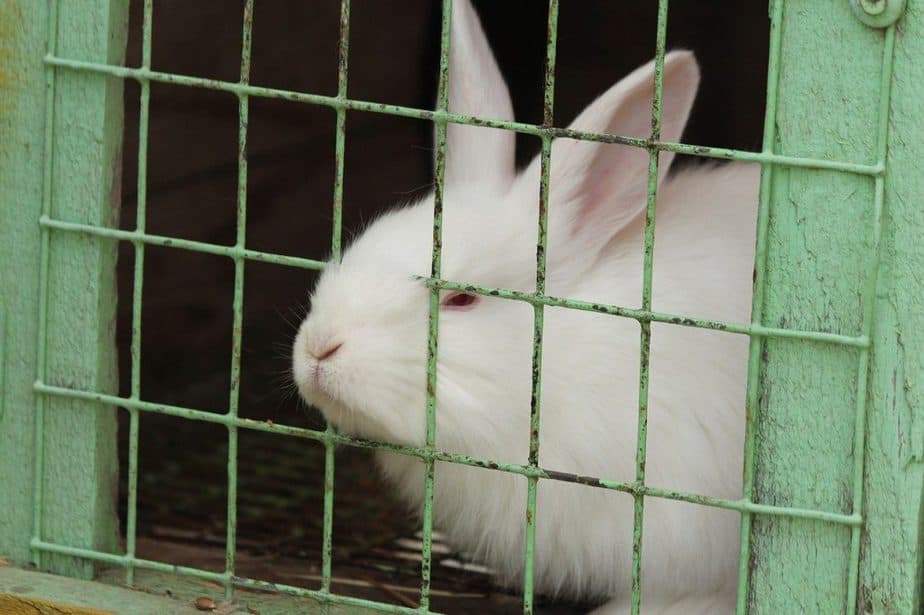
Lack of exercise does not kill a rabbit on its own. Instead, it triggers a chain of health problems that can become life-threatening. Think of it like a domino effect: inactivity leads to obesity, and obesity opens the door to serious organ failure and metabolic diseases.
Here are the most dangerous conditions linked to a sedentary lifestyle in rabbits:
Hepatic Lipidosis (Fatty Liver Disease)
Hepatic lipidosis is one of the most common fatal outcomes of obesity in rabbits. When a rabbit carries excess body fat and then stops eating for any reason, whether from stress, illness, or dental problems, the body mobilizes large amounts of fat to the liver for energy. The liver becomes overwhelmed and begins to fail.
According to the House Rabbit Society, fatty liver disease can progress rapidly and become fatal within days if not treated. Obese rabbits are significantly more susceptible because they have larger fat reserves that flood the liver when mobilized.
Signs of hepatic lipidosis include:
- Sudden loss of appetite or gradual decrease in food intake
- Rapid weight loss despite previous obesity
- Fewer and smaller droppings than normal
- Dehydration (check by gently pinching the skin at the scruff)
- Depression and extreme lethargy
- Jaundice (yellowing of the ears, gums, or eyes) in advanced cases
Treatment requires aggressive veterinary intervention including fluid therapy, assisted feeding, and sometimes liver support medications. Even with treatment, the survival rate drops sharply once the condition is advanced.
Pregnancy Toxemia (Ketosis)
Pregnancy toxemia is a metabolic emergency that primarily affects pregnant does, particularly those that are overweight. When a pregnant rabbit's caloric demands exceed what she is eating, her body breaks down fat stores at an excessive rate. This produces ketones that accumulate in the blood, poisoning the system.
According to the Merck Veterinary Manual, pregnancy toxemia typically strikes 1 to 2 days before kindling and can cause sudden death. Obese does are at the highest risk because they already have disrupted fat metabolism before pregnancy adds extra strain.
Symptoms of pregnancy toxemia:
- Sudden death with no prior warning signs
- Severe lethargy and reluctance to move
- Seizures or tremors
- Spontaneous abortion
- Labored breathing
- Complete refusal to eat
- Muscle weakness and poor coordination
GI Stasis
Gastrointestinal stasis, often called GI stasis, is a slowdown or complete halt of the digestive system. Exercise plays a direct role in maintaining healthy gut motility. Rabbits that sit in their cage all day are far more likely to develop sluggish digestion, which can escalate into a full blockage.
GI stasis is one of the leading causes of death in pet rabbits. The gut stops moving, bacteria produce excess gas, the rabbit stops eating from pain, and the cycle worsens. A rabbit with GI stasis can die within 24 to 48 hours without veterinary treatment.
Cardiac Weakness
The heart is a muscle, and like all muscles, it needs regular use to stay strong. Sedentary rabbits develop weaker heart muscles over time. This makes them more vulnerable to cardiac arrest triggered by sudden fright, stress, or exertion.
We have seen cases where a rabbit that had been confined to a small cage for months died suddenly after being startled by a loud noise. The combination of a weak heart and a massive adrenaline spike was too much for the animal to handle. This is especially concerning given that rabbits are prey animals that can die from fright even under normal circumstances.
What Other Health Problems Does Lack of Exercise Cause?
Beyond the life-threatening conditions above, a sedentary lifestyle causes several other serious health issues that reduce your rabbit's quality of life and lifespan:
| Condition | How Lack of Exercise Contributes | Severity |
|---|---|---|
| Obesity | Calories consumed exceed calories burned, fat accumulates | High, leads to fatal conditions |
| Sore Hocks (Pododermatitis) | Excess weight increases pressure on footpads, causing inflammation and ulcers | Moderate to High |
| Osteoporosis | Bones weaken without weight-bearing activity, increasing fracture risk | Moderate |
| Muscle Atrophy | Muscles waste from disuse, reducing mobility further | Moderate |
| Uneaten Cecotropes | Obese rabbits cannot reach their cecum to eat cecotropes, causing nutritional deficiency and a messy, smelly cage | Moderate |
| Behavioral Problems | Boredom leads to aggression, over-grooming, cage chewing, and depression | Moderate |
Sore Hocks in Detail
Sore hocks, or pododermatitis, deserves special attention. When an overweight rabbit sits on hard or wire flooring for extended periods, the fur on the bottom of its feet wears away. The exposed skin becomes inflamed, cracked, and eventually ulcerated. In severe cases, the infection can reach the bone (osteomyelitis), which requires aggressive antibiotic treatment or may be untreatable.
Obese rabbits are doubly at risk: the excess weight increases pressure on the footpads, and the inability to eat cecotropes means the cage floor stays damp, creating a breeding ground for bacteria.
Behavioral Decline
A rabbit that never gets to run, jump, or explore will develop serious behavioral issues. We regularly see confined rabbits become aggressive biters, compulsive cage-bar chewers, or completely withdrawn and stressed. These are not personality flaws. They are symptoms of an animal whose basic needs are not being met.
How to Tell if Your Rabbit Lacks Exercise
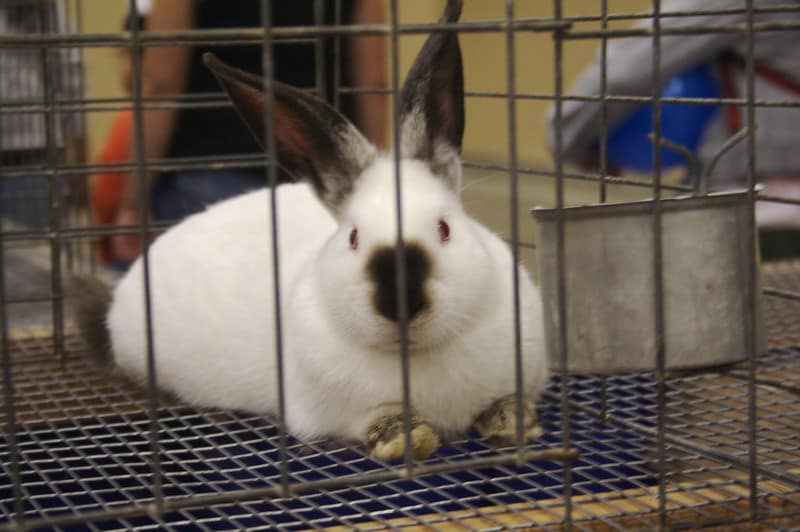
Recognizing the signs early gives you time to make changes before serious damage is done. Watch for these behavioral and physical indicators:
Behavioral signs:
- Aggression when you try to interact (biting, lunging, grunting)
- Excessive nervousness or being easily startled
- Over-grooming to the point of creating bald patches, or not grooming at all
- Loss of appetite or selective eating
- Lethargy and reluctance to move even when the cage door is open
- Destructive behavior like kicking or chewing cage bars
Physical signs:
- Visible weight gain (you should be able to feel the ribs with light pressure)
- A large dewlap or fat deposits around the shoulders and abdomen
- Dirty bottom from uneaten cecotropes stuck to fur
- Sore or bare patches on the hind feet
- Difficulty hopping or reluctance to jump onto raised surfaces
A good rule of thumb: weigh your rabbit monthly using a kitchen scale. Adult rabbits should maintain a stable weight within their breed's healthy range. Any steady upward trend over two or three months signals that diet, exercise, or both need adjustment.
How Much Exercise Does a Rabbit Need Each Day?
Most rabbit welfare organizations recommend a minimum of 3 to 4 hours of free-roaming exercise outside the cage every day. However, more is always better, and many experienced breeders, including ourselves, advocate for free-roaming setups where the rabbit has access to a large, rabbit-proofed space at all times.
Here is a practical breakdown by living situation:
| Setup | Minimum Daily Exercise | Notes |
|---|---|---|
| Standard cage or hutch | 3 to 4 hours free-roaming | Cage should meet minimum size requirements (at least 4x the rabbit's body length) |
| Exercise pen (X-pen) | 2 to 3 hours additional free-roaming | Pen gives more space than a cage but still not enough alone |
| Free-roaming room | Built-in, rabbit has constant access | Best option for physical and mental health |
| Outdoor run | Supervised sessions, weather permitting | Must be predator-proof and shaded |
How to Give Your Rabbit Enough Exercise
Providing adequate exercise does not require a large house or an expensive setup. Here are practical strategies that work:
- Create a rabbit-proofed room or area. Block access to electrical cords, remove toxic plants, and cover any gaps behind furniture. A single rabbit-proofed room gives your rabbit far more space than any cage.
- Use an exercise pen. A 4-panel or 8-panel X-pen attached to the cage opening lets your rabbit move freely without full room access. This works well for apartments or shared spaces.
- Add enrichment items. Tunnels, cardboard boxes with entry holes, untreated willow balls, and digging boxes filled with shredded paper encourage movement and mental stimulation.
- Schedule daily play sessions. If free-roaming is not possible, commit to letting your rabbit out for at least two sessions of 1.5 to 2 hours each, morning and evening.
- Provide a proper diet. Exercise alone will not prevent obesity if the diet is wrong. Unlimited timothy hay, measured pellets, and limited treats form the foundation of a healthy weight.
When Should You Take Your Rabbit to the Vet?
Do not wait for a crisis. Bring your rabbit to a rabbit-savvy veterinarian if you notice any of the following:
- Rapid weight gain or loss over a period of weeks
- Refusal to eat for more than 12 hours, which signals possible GI stasis or hepatic lipidosis
- Labored breathing or wheezing, which may indicate cardiac stress or respiratory issues from obesity
- Sore, red, or ulcerated hocks that are not healing
- Pregnancy in an overweight doe, due to the high risk of pregnancy toxemia
- Complete inactivity even when given the opportunity to exercise
Pregnant does that are overweight should be monitored especially closely during the last week of gestation, as pregnancy toxemia can strike with almost no warning and kill within hours.
Can a Rabbit Recover From the Effects of No Exercise?
Yes, in most cases. Rabbits are resilient animals, and gradual reintroduction of exercise combined with dietary changes can reverse many of the effects of a sedentary lifestyle. However, the key word is gradual.
A rabbit that has been confined to a small cage for months or years will have weakened muscles and brittle bones. Forcing sudden vigorous exercise can cause fractures, especially spinal fractures, which are often fatal or permanently disabling in rabbits.
Here is a safe recovery plan:
- Week 1 to 2: Open the cage door and attach a small exercise pen. Let the rabbit come out on its own terms. Do not force it.
- Week 3 to 4: Gradually expand the exercise area. Add low platforms (no higher than a few inches) to encourage gentle jumping.
- Week 5 onward: Allow access to a larger area for increasing periods. Monitor for signs of pain, limping, or reluctance to move.
- Ongoing: Adjust pellet portions downward if the rabbit is overweight, and ensure unlimited hay is always available.
Throughout this process, weigh your rabbit weekly and keep a log. A healthy weight loss rate for a rabbit is about 1% to 2% of body weight per week. Faster than that risks triggering hepatic lipidosis.
Frequently Asked Questions
How many hours of exercise does a rabbit need per day?
Rabbits need a minimum of 3 to 4 hours of free-roaming exercise outside their cage every day. More is better, and free-roaming setups where the rabbit has constant access to a large space are ideal for both physical and mental health.
Can a rabbit get enough exercise in its cage?
No. Even the largest cages do not provide enough space for a rabbit to run, jump, and binky. Cages are for resting and sleeping, not for meeting a rabbit's exercise needs. Daily out-of-cage time is essential.
What is the most common cause of death in sedentary rabbits?
Hepatic lipidosis (fatty liver disease) and GI stasis are the most common fatal outcomes for sedentary, overweight rabbits. Both conditions can progress from first symptoms to death within 24 to 72 hours without veterinary intervention.
Can young rabbits die from lack of exercise too?
Young rabbits are less likely to develop obesity-related conditions, but lack of exercise during their growth period can cause underdeveloped muscles, weaker bones, and long-term behavioral problems that persist into adulthood.
Is it safe to let my rabbit exercise outdoors?
Outdoor exercise is great for rabbits as long as the area is fully enclosed, predator-proof, and provides shade. Never leave a rabbit unsupervised outdoors, and avoid letting them out during extreme heat or cold. Check that the grass has not been treated with pesticides or herbicides.
Cite this article:
Cite this article:
BunnySync (March 7, 2026) Can Rabbits Die From Lack of Exercise?. Retrieved from https://bunnysync.com/blog/can-rabbits-die-from-lack-of-exercise.
"Can Rabbits Die From Lack of Exercise?." BunnySync - March 7, 2026, https://bunnysync.com/blog/can-rabbits-die-from-lack-of-exercise