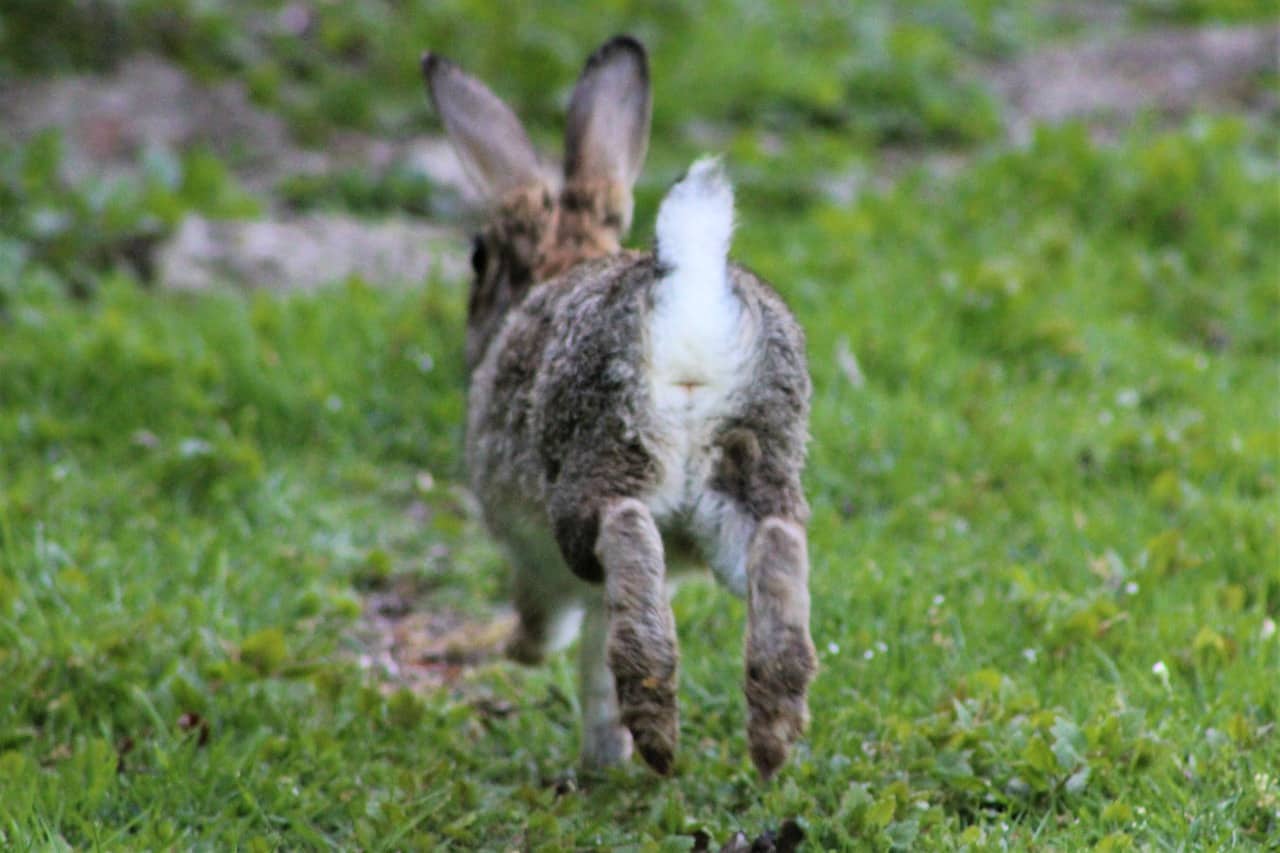
Wild rabbits sleep in underground burrow systems called warrens, which they dig to stay safe from predators while resting. Pet rabbits sleep wherever they feel secure, whether that is inside a hutch, an exercise pen, or a quiet corner of your home. The key to good rabbit sleep is providing a dry, comfortable, and safe space that satisfies their natural instincts. As breeders, we have seen rabbits choose the most unexpected sleeping spots, from behind a couch to inside a cardboard box, so understanding their sleep preferences helps you set up the best environment possible.

Where Do Wild Rabbits Sleep?
Wild rabbits spend most of their sleeping time underground in warrens. A warren is a complex tunnel system that a group of rabbits digs into the earth, often on hillsides or under dense shrubbery where the soil is soft and easy to excavate. According to the Young People's Trust for the Environment, wild rabbit warrens can reach depths of up to 3 meters and feature multiple entrance and exit points.
This design is not random. Multiple exits give rabbits quick escape routes when a predator discovers one entrance. The underground tunnels also maintain a stable temperature year-round, keeping rabbits cool in summer and warm in winter. Inside the warren, rabbits create separate chambers for sleeping, nesting, and raising their young.
How Warren Structure Protects Sleeping Rabbits
Each warren typically has between 2 and 8 entrances, though larger warrens shared by a colony can have many more. The sleeping chambers are located deeper inside the tunnel system, away from entrances where predators might try to reach in. Rabbits line these chambers with dry grass, fur, and other soft materials to create insulated bedding.
Wild rabbits are crepuscular, meaning they are most active at dawn and dusk. During the middle of the day and late at night, they retreat into the warren to rest. This schedule helps them avoid diurnal predators like hawks and nocturnal hunters like owls. If you have ever spotted a wild rabbit out in the open during midday, it was likely a quick foraging trip rather than extended activity.
Do All Wild Rabbits Sleep in Warrens?
Not all wild rabbit species dig elaborate warrens. European rabbits (Oryctolagus cuniculus) are the primary warren builders. Cottontail rabbits, which are common in North America, do not dig deep burrows. Instead, they sleep in shallow depressions in the ground called forms. A form is a body-shaped indentation in tall grass, under a bush, or beside a log that provides some concealment.
Cottontails also take over abandoned burrows dug by other animals like woodchucks or groundhogs. Hares, which are closely related to rabbits, also sleep above ground in forms rather than warrens. This distinction matters because it shows that the instinct to seek a sheltered, hidden spot for sleeping is universal among rabbits, even if the exact structure varies.
Where Do Pet Rabbits Sleep?

Pet rabbits have the advantage of living in a protected environment, so they do not need to dig underground tunnels. However, they still carry those instincts. Most pet rabbits choose to sleep in enclosed or semi-enclosed spaces where they feel hidden and secure. Common sleeping spots include:
- Inside their hutch or cage: This is the most common sleeping location, especially if the hutch is set up with proper bedding and a hiding area.
- Cardboard boxes or tunnels: Many rabbits love sleeping inside a cardboard box with an entrance hole cut out. It mimics the enclosed feeling of a warren.
- Under furniture: Free-roaming rabbits often pick spots under beds, sofas, or tables where they feel covered from above.
- Corner spots: Rabbits prefer sleeping against a wall or in a corner rather than in the middle of an open space.
If your rabbit is difficult to catch sleeping, that is normal. Rabbits are light sleepers and can doze with their eyes open, making it hard to tell when they are actually resting.
Should You Let Your Rabbit Choose Where to Sleep?
In our experience, giving rabbits some freedom to pick their sleeping spot leads to better rest. A rabbit that repeatedly sleeps in a specific corner is telling you it feels safe there. You can place a soft mat or bedding in that spot to make it even more comfortable.
That said, rabbits still need a designated home base, whether that is a cage, hutch, or pen. This gives them a consistent safe zone they can retreat to at any time. If you are unsure about sizing, check our guide on what size a rabbit cage should be to make sure your rabbit has enough room to stretch out while sleeping.
What Is the Best Bedding for a Rabbit's Sleeping Area?
Choosing the right bedding directly affects how well your rabbit sleeps. Rabbits will not rest properly on wet, hard, or uncomfortable surfaces. Here are the best options ranked by absorbency and comfort:
| Bedding Type | Absorbency | Comfort | Cost | Notes |
|---|---|---|---|---|
| Paper-based cellulose | Very high | Soft | Medium | Dust-free, safe to chew, widely available |
| Kiln-dried wood pellets | Very high | Firm | Low | Excellent odor control, breaks down when wet |
| Timothy hay | Low | Soft | Medium | Edible, needs frequent replacement |
| Aspen shavings | Moderate | Soft | Low | Non-toxic, scent-free, dust-free |
| Shredded paper | Low | Moderate | Free | Messy when wet, use vegetable-based ink only |
| Fleece liners | Moderate | Very soft | High upfront | Washable and reusable, must be changed daily |
Wood pellets and paper-based cellulose are the top choices because they absorb moisture quickly and keep the sleeping area dry. Rabbits are very sensitive to damp conditions, which can cause sore hocks (ulcerated foot pads) and respiratory problems. We recommend a layer of wood pellets on the bottom with a thin layer of hay on top for the ideal combination of absorbency and comfort.
Bedding Materials to Avoid
Never use cedar or pine shavings (unless kiln-dried) as rabbit bedding. These softwoods contain phenols, aromatic compounds that can damage a rabbit's liver and respiratory system over time. Cat litter made from clumping clay is also dangerous because rabbits may ingest it, causing intestinal blockages. Straw is sometimes used but offers poor absorbency compared to the options listed above.
Where Do Rabbits Sleep in Winter?
Wild rabbits continue sleeping in their warrens during winter, but they make seasonal adjustments. They line their sleeping chambers with extra fur and dried vegetation for additional insulation. The underground temperature stays relatively stable at around 10 to 15 degrees Celsius even when the surface drops well below freezing, which is why warrens are such effective shelters.
For pet rabbits, winter sleeping arrangements depend on whether they live indoors or outdoors. Indoor rabbits rarely need any changes to their setup since home heating keeps temperatures comfortable. Outdoor rabbits, however, need extra care:
- Add extra bedding: Double the normal amount of hay or cellulose bedding for insulation.
- Block drafts: Cover the sides and back of the hutch with blankets or tarpaulin, leaving the front partially open for ventilation.
- Raise the hutch: Lift it off the ground on legs or blocks to prevent cold and moisture seeping up from below.
- Provide a covered hiding box: A wooden box inside the hutch gives your rabbit a smaller space to warm with body heat.
Rabbits tolerate cold much better than heat. Their thick fur provides excellent insulation, and they can handle temperatures down to around 0 degrees Celsius as long as they stay dry. Check our guide on the ideal temperature range for rabbits for specific numbers by breed. The real danger in winter is dampness, not cold. A wet rabbit loses body heat rapidly and can develop hypothermia.
Do Rabbits Sleep at Night or During the Day?
Rabbits are crepuscular animals, not nocturnal or diurnal. This means their peak activity happens during the twilight hours at dawn and dusk. They tend to sleep in two main blocks: a longer rest period during the middle of the day and another stretch late at night through the early morning hours.
A typical pet rabbit's sleep schedule looks something like this:
- 5:00 to 8:00 AM: Active period, eating, exploring, and playing.
- 8:00 AM to 4:00 PM: Primary resting period with intermittent light naps and brief activity.
- 4:00 to 9:00 PM: Second active period, often the most energetic time of day.
- 9:00 PM to 5:00 AM: Secondary rest period with deeper sleep cycles.
This schedule can shift based on your household routine. Rabbits are adaptable and will often adjust their active hours to match when you are around to interact with them. If you are wondering whether to cover your rabbit's cage at night, it can help signal that it is rest time, but it is not strictly necessary for most rabbits.
How to Set Up the Perfect Sleeping Area for Your Rabbit
Creating an ideal sleeping space means thinking like a rabbit. They want somewhere enclosed, dry, quiet, and at a comfortable temperature. Here is a step-by-step setup:
- Choose a quiet location: Place the sleeping area away from TVs, speakers, and high-traffic zones. Sudden noises can startle rabbits out of sleep and cause chronic stress.
- Provide an enclosed hide: A wooden hide box or even a large cardboard box with an entrance hole gives your rabbit the "warren" feeling it craves. The hide should be large enough for your rabbit to turn around in comfortably.
- Layer your bedding: Start with a base of wood pellets or paper-based bedding for absorbency, then add a layer of soft hay on top.
- Keep it dry: Check bedding daily and replace wet spots. A rabbit sleeping on wet bedding will develop sore hocks within days.
- Maintain the right temperature: Keep the sleeping area between 15 and 21 degrees Celsius. Avoid placing it near radiators, heating vents, or in direct sunlight.
- Offer enough space: Your rabbit should be able to lie flat on its side with legs fully extended. Rabbits often flop onto their sides when deeply relaxed, and they need space for this.
Avoid placing the sleeping area near a litter box. Rabbits are clean animals and prefer to separate their bathroom from their bedroom. If your rabbit keeps moving its bedding around, it is likely trying to create a more comfortable arrangement, so let it organize things its own way.
Signs Your Rabbit Is Not Sleeping Well
Poor sleep affects a rabbit's health and behavior. Watch for these warning signs:
- Excessive daytime lethargy: While rabbits naturally rest during the day, a rabbit that seems unusually sluggish or unresponsive may be sleeping too much due to an underlying issue.
- Aggression or irritability: Sleep-deprived rabbits can become nippy, thump more often, and resist handling.
- Reluctance to use their sleeping area: If your rabbit avoids its bed, the bedding may be wet, the location too noisy, or the temperature uncomfortable.
- Frequent startling: A rabbit that jumps at every small sound may not feel safe enough to sleep deeply. Consider moving its sleeping area to a more sheltered spot.
- Over-grooming or barbering: Stressed rabbits that cannot sleep properly sometimes over-groom themselves, pulling out patches of fur.
If you notice any of these signs, review the sleeping setup first. Most sleep problems in pet rabbits come down to environmental factors like noise, temperature, light, or bedding quality rather than medical conditions.
Frequently Asked Questions
Do rabbits need darkness to sleep?
Rabbits do not require complete darkness to sleep. They naturally doze during daylight hours and can sleep with their eyes open. However, dimmer lighting during rest periods helps signal that it is time to relax. Avoid shining bright lights directly at their sleeping area during their usual rest times.
Can two rabbits share a sleeping area?
Bonded rabbits often prefer sleeping together and will snuggle up side by side or groom each other before resting. Unbonded rabbits should never share a sleeping space, as this can lead to fighting and territorial aggression. If you have a bonded pair, provide a hide box large enough for both of them.
Why does my rabbit sleep in its litter box?
Rabbits sometimes sleep in their litter box because the hay inside feels comfortable and the box provides an enclosed, secure feeling. While not ideal for hygiene, it is common behavior. You can discourage it by making the designated sleeping area more appealing with better bedding and a cozy hide box.
How many hours a day do rabbits sleep?
Rabbits sleep approximately 8 to 12 hours per day, split between their midday and nighttime rest periods. The exact amount varies by age, breed, and individual temperament. Baby rabbits and seniors tend to sleep more than healthy adults in their prime.
Is it normal for a rabbit to sleep out in the open?
A rabbit that regularly flops down and sleeps in the middle of the room is showing a high level of trust and comfort with its environment. This is a positive sign. However, if your rabbit only sleeps in the open because it has no enclosed hiding space, you should provide one so it can choose.
Cite this article:
Cite this article:
BunnySync (March 8, 2026) Where Do Rabbits Sleep? Wild and Pet Rabbit Sleeping Guide. Retrieved from https://bunnysync.com/blog/where-do-rabbits-sleep.
"Where Do Rabbits Sleep? Wild and Pet Rabbit Sleeping Guide." BunnySync - March 8, 2026, https://bunnysync.com/blog/where-do-rabbits-sleep