Can Rabbits Eat Sweet Potatoes Safely?
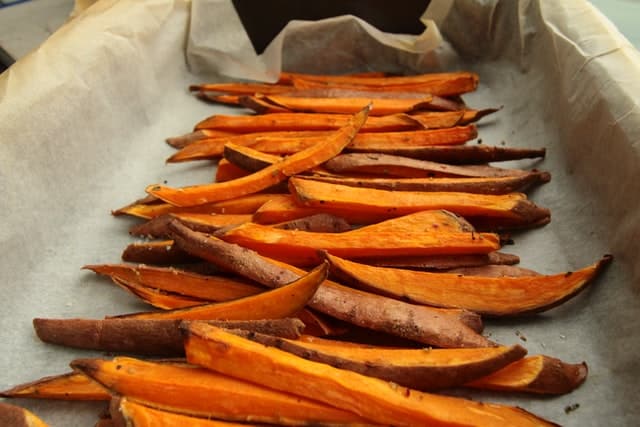
No, rabbits should not eat sweet potatoes. While sweet potatoes are not technically toxic, they contain far too much starch and sugar for a rabbit's digestive system to handle safely. A rabbit's gut is designed to process high-fiber foods like hay, and starchy foods like sweet potatoes can disrupt the delicate balance of bacteria in their cecum. As breeders, we never include sweet potatoes in our rabbits' diets, and we recommend you avoid them entirely.
Sweet potatoes (Ipomoea batatas) belong to the morning glory family, which is completely unrelated to regular potatoes (Solanaceae family). Despite the name similarity, the two vegetables pose different risks. Regular potatoes contain solanine and are genuinely toxic to rabbits, while sweet potatoes are simply a poor nutritional fit. That distinction matters, but neither belongs in your rabbit's food bowl.
Why Are Sweet Potatoes Bad for Rabbits?
The core problem with sweet potatoes comes down to their nutritional profile. Rabbits need a diet that is roughly 80% hay, providing the long-strand fiber their gastrointestinal tract depends on. Sweet potatoes deliver the opposite of what rabbits need: high starch, high sugar, and very little fiber.
Starch Content Is Too High
A 100-gram serving of raw sweet potato contains approximately 12.7 grams of starch. Rabbits lack the enzymes needed to efficiently break down starch in their small intestine. When undigested starch reaches the cecum, it feeds harmful bacteria that produce gas and toxins, throwing the entire gut ecosystem out of balance.
According to veterinary research published in the National Library of Medicine, diets high in simple carbohydrates and low in fiber are a primary cause of cecal dysbiosis in rabbits. This is exactly the kind of nutritional mismatch sweet potatoes create.
Sugar Levels Are Concerning
Sweet potatoes contain about 4.2 grams of sugar per 100 grams. While that might not sound like much compared to fruits, the combination of sugar and starch together creates a double burden on the rabbit's digestive system. The sugar feeds rapid bacterial fermentation, while the starch compounds the problem by providing even more fermentable material.
Fiber Content Is Too Low
Sweet potatoes provide only about 3 grams of fiber per 100 grams, and most of that is soluble fiber rather than the insoluble, long-strand fiber rabbits need. Compare that to timothy hay, which contains roughly 32-34% crude fiber. A rabbit that fills up on sweet potato is a rabbit that is not eating enough hay to keep its digestive system moving.
Nutritional Breakdown: Sweet Potato vs. What Rabbits Need
| Nutrient (per 100g) | Sweet Potato | Timothy Hay | Rabbit's Need |
|---|---|---|---|
| Fiber | 3g | 32-34g | High (25%+ of diet) |
| Starch | 12.7g | Minimal | Very low to none |
| Sugar | 4.2g | Minimal | Very low |
| Calories | 86 kcal | ~180 kcal | Moderate |
| Calcium | 30mg | 430mg | Moderate |
| Vitamin A | 14,187 IU | Minimal | Moderate |
The one area where sweet potatoes excel is vitamin A content, with extremely high levels of beta-carotene. However, rabbits typically get sufficient vitamin A from their regular diet of leafy greens and quality pellets, so this benefit does not justify the digestive risks.
What Happens If Your Rabbit Eats Sweet Potato?
If your rabbit nibbled a small piece of sweet potato that fell on the floor, there is no need to panic. A bite or two is unlikely to cause serious harm in a healthy adult rabbit. The problems arise with repeated feeding or larger quantities.
Small Accidental Amount
Monitor your rabbit for the next 12-24 hours. Make sure they continue eating hay normally and that their droppings remain round, dry, and consistent in size. Offer unlimited hay and fresh water. In most cases, a small amount passes through without issues.
Larger Amounts or Repeated Feeding
If your rabbit has eaten a significant amount of sweet potato, or if you have been feeding it regularly, watch for these warning signs:
- Reduced appetite, especially refusing hay
- Smaller or misshapen droppings
- Soft, mushy cecotrophs left uneaten
- Bloating or a hard, distended abdomen
- Lethargy or hunched posture
- Complete absence of droppings for more than 10-12 hours
Any of these symptoms, particularly the last two, warrant an immediate veterinary visit. A rabbit that stops pooping may be experiencing GI stasis, which can become life-threatening within 24 hours if untreated.
Risks of Feeding Sweet Potatoes to Rabbits
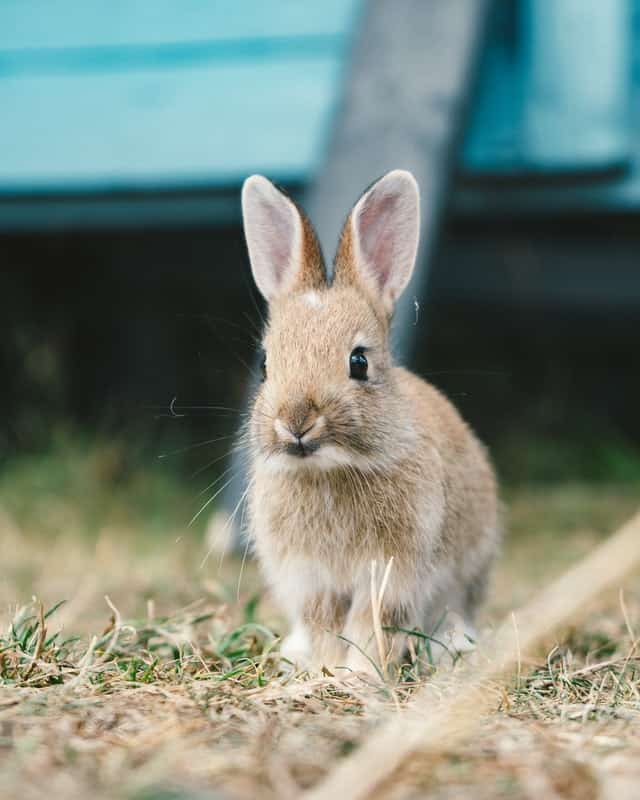
Gastrointestinal Stasis (GI Stasis)
GI stasis is the most serious risk. It occurs when the normal muscular contractions of the rabbit's digestive tract slow down or stop entirely. According to VCA Animal Hospitals, diets high in carbohydrates and low in fiber are a leading cause.
When a rabbit eats too much sweet potato, the starch ferments abnormally in the cecum, producing excess gas. The gas causes pain, which makes the rabbit stop eating, which further slows gut motility, creating a dangerous downward spiral. Without treatment (fluid therapy, gut motility drugs, pain management, and syringe feeding), GI stasis can lead to organ failure.
Cecal Dysbiosis and Uneaten Cecotrophs
Rabbits produce two types of droppings: regular fecal pellets and cecotrophs (soft, nutrient-rich clusters they normally re-ingest directly from their body). When the cecal bacteria are disrupted by starchy foods, the cecotrophs become mushy, foul-smelling, and the rabbit refuses to eat them.
Uneaten cecotrophs stuck to your rabbit's fur around the tail area are a clear sign of dietary imbalance. If you notice this happening, eliminate all treats and supplemental foods immediately and feed hay exclusively for several days until droppings normalize.
Diarrhea
True diarrhea in rabbits (watery, unformed stool) is a medical emergency, especially in young rabbits under 8 weeks old. While uneaten cecotrophs are often mistaken for diarrhea, both conditions can result from feeding inappropriate foods like sweet potatoes. If your rabbit has watery stool, remove all food except hay and water, and contact your veterinarian immediately.
Obesity and Weight Gain
Sweet potatoes are calorie-dense compared to the leafy greens and herbs that should make up a rabbit's fresh food portion. At 86 calories per 100 grams, regularly feeding sweet potato adds unnecessary calories that contribute to weight gain. Obese rabbits face increased risks of heart disease, joint problems, and difficulty grooming, which can lead to flystrike in warmer months.
Dental Issues
Rabbits' teeth grow continuously throughout their lives, approximately 2-3mm per week. Chewing hay is essential because the grinding motion wears teeth down evenly. Soft, starchy foods like sweet potato require minimal chewing and do not contribute to proper dental wear. A rabbit that regularly eats soft foods instead of hay may develop overgrown teeth, sharp spurs, or abscesses that require veterinary intervention.
Can Rabbits Eat Sweet Potato Leaves and Vines?
Here is where things get interesting. While the sweet potato tuber itself is a poor choice, sweet potato leaves and vines are actually safe for rabbits and offer a much better nutritional profile. Sweet potato leaves are high in fiber, low in starch, and contain beneficial vitamins and minerals.
If you grow sweet potatoes in your garden, you can offer the leaves and vines to your rabbits as part of their daily fresh greens rotation. Introduce them gradually, starting with a small handful, and monitor your rabbit's droppings for any changes.
Important: Do not confuse sweet potato leaves with regular potato leaves. Regular potato plants (Solanum tuberosum) belong to the nightshade family, and their leaves, stems, and green parts contain solanine, which is genuinely toxic to rabbits. Sweet potato plants (Ipomoea batatas) are completely different and safe.
Can Rabbits Eat Cooked Sweet Potatoes?
No, and cooked sweet potatoes are actually worse than raw ones. Cooking breaks down the cell walls and makes the starch more readily available, increasing the glycemic impact. Cooked sweet potatoes are also softer, which means even less chewing and dental benefit.
As a general rule, rabbits should never eat cooked food of any kind. Their digestive systems are built for raw, fibrous plant material. Cooking changes the nutritional structure in ways that are incompatible with rabbit digestion.
Can Rabbits Eat Sweet Potato Skin?
Sweet potato skin is not toxic to rabbits, but it still comes attached to the starchy flesh underneath. The skin itself contains slightly more fiber than the interior, but not enough to make it a worthwhile food. If a rabbit happens to nibble a small piece of skin, it should be fine, but there is no reason to offer it intentionally.
What to Feed Your Rabbit Instead of Sweet Potatoes
The best diet for a rabbit centers on unlimited timothy hay (or other grass hays like orchard grass or meadow hay), supplemented with fresh leafy greens and a measured portion of quality pellets. Here are excellent alternatives that provide the nutrients your rabbit actually needs:
Safe Vegetables (Daily Rotation)
- Romaine lettuce and other dark leafy lettuces
- Bell peppers (remove seeds)
- Cilantro and other fresh herbs
- Bok choy
- Watercress
- Endive and escarole
Safe Herbs
- Basil
- Parsley (in moderation due to calcium content)
- Mint
- Dill
- Oregano
Occasional Treats (1-2 Times Per Week)
If you want to give your rabbit a special treat, choose fruits in very small amounts rather than starchy vegetables:
- A thin slice of apple (no seeds)
- One or two blueberries
- A small piece of banana
- A tablespoon of strawberry
For a complete guide to appropriate vegetables, check out our article on what vegetables you can safely feed your rabbit.
How Much Food Should a Rabbit Eat Daily?
Understanding proper portion sizes helps explain why there is simply no room for sweet potatoes in a healthy rabbit's diet:
| Food Type | Daily Amount | Percentage of Diet |
|---|---|---|
| Hay (timothy, orchard, meadow) | Unlimited, body-size bundle minimum | ~80% |
| Fresh leafy greens | 1 packed cup per 2 lbs body weight | ~10-15% |
| Quality pellets | 1/4 cup per 5 lbs body weight | ~5% |
| Treats (fruit) | 1-2 tablespoons max | Less than 5% |
| Sweet potatoes | None recommended | 0% |
When you look at the breakdown, a rabbit's fresh food allowance should go entirely toward fiber-rich leafy greens. Filling that portion with sweet potato means your rabbit misses out on the vitamins, minerals, and fiber that greens provide. Learn more about how much food your rabbit needs each day to keep them healthy.
Sweet Potatoes vs. Other Root Vegetables for Rabbits
Sweet potatoes are not the only root vegetable owners ask about. Here is how they compare to other common root vegetables in terms of rabbit safety:
| Root Vegetable | Safe for Rabbits? | Key Concern |
|---|---|---|
| Sweet potato | Not recommended | High starch and sugar |
| Regular potato | No (toxic) | Contains solanine |
| Carrots | Small amounts only | High in sugar |
| Radishes | Yes, in moderation | Can cause gas in excess |
| Beet greens (not root) | Yes, in moderation | High in oxalates |
| Parsnips | Not recommended | High in starch and sugar |
| Turnip greens | Yes | Good source of fiber |
The general rule with root vegetables is that the leafy green tops are almost always a better choice than the root itself. Carrot tops, beet greens, and turnip greens are all excellent additions to a rabbit's fresh food rotation, while the roots themselves should be limited or avoided due to sugar and starch content.
Signs Your Rabbit's Diet Needs Adjusting
Whether you have been feeding sweet potatoes or other inappropriate foods, here are signs that your rabbit's diet needs correction:
- Consistently soft or mushy droppings: Indicates too much sugar or starch, not enough fiber
- Cecotrophs stuck to fur: The rabbit is producing abnormal cecotrophs due to dietary imbalance
- Weight gain: Check by feeling the ribs; you should be able to feel them with light pressure
- Reduced hay consumption: If your rabbit ignores hay in favor of other foods, the diet balance is off
- Dental problems: Drooling, difficulty eating, or facial swelling can indicate insufficient hay chewing
If you notice any of these signs, transition back to a hay-focused diet by gradually removing problematic foods over 7-10 days while increasing hay availability. Sudden dietary changes can also disrupt gut bacteria, so make changes gradually unless a veterinarian advises otherwise.
Frequently Asked Questions
Can baby rabbits eat sweet potatoes?
No, baby rabbits should never eat sweet potatoes. Kits under 12 weeks old should only consume their mother's milk, alfalfa hay, and gradually introduced pellets. Their digestive systems are extremely sensitive, and starchy foods like sweet potatoes can cause fatal diarrhea in young rabbits.
Can rabbits eat Japanese sweet potatoes or purple sweet potatoes?
No. All sweet potato varieties, including Japanese, purple, white, and orange, contain similar levels of starch and sugar that make them unsuitable for rabbits. The color difference comes from varying antioxidant compounds, but the core nutritional concerns remain the same across all types.
My rabbit loves sweet potatoes. How do I stop feeding them?
Gradually reduce the amount over 5-7 days rather than stopping suddenly. Replace the sweet potato portion with small amounts of rabbit-safe leafy greens like romaine lettuce or cilantro. Rabbits will adjust their preferences when healthier options are consistently offered alongside unlimited hay.
Are sweet potato treats from the pet store safe for rabbits?
Most commercial sweet potato treats marketed for small animals are dried or dehydrated, which concentrates the sugar and starch content even further. These products are not appropriate for rabbits regardless of how they are marketed. Stick to hay-based treats or small pieces of fresh herbs instead.
Can sweet potatoes kill a rabbit?
A single bite of sweet potato will not kill a rabbit, but regular feeding in significant amounts can lead to GI stasis, which is life-threatening if untreated. The danger is not from acute toxicity but from the cumulative digestive damage caused by a high-starch, low-fiber food disrupting normal gut function over time.
Cite this article:
BunnySync (March 9, 2026) Can Rabbits Eat Sweet Potatoes? Why Breeders Avoid Them. Retrieved from https://bunnysync.com/blog/can-rabbits-eat-sweet-potatoes.
"Can Rabbits Eat Sweet Potatoes? Why Breeders Avoid Them." BunnySync - March 9, 2026, https://bunnysync.com/blog/can-rabbits-eat-sweet-potatoes