Can Rabbits Eat Tiger Nuts Safely?
No, rabbits should not eat tiger nuts. While tiger nuts (also called chufa or earth almonds) are not technically toxic to rabbits, their high fat content of roughly 23 grams per 100 grams makes them a poor and potentially harmful food choice. A rabbit's diet should contain less than 3% fat overall, and tiger nuts far exceed that threshold. Feeding tiger nuts to your rabbit risks digestive complications including GI stasis, diarrhea, and fatty liver disease.
Tiger nuts are tubers from the Cyperus esculentus plant, not true nuts, but they share the same problem that most nuts and nut-like foods pose for rabbits: too much fat, too little fiber, and a nutritional profile that clashes with how a rabbit's gut actually works.
What Are Tiger Nuts and Why Are They Popular?
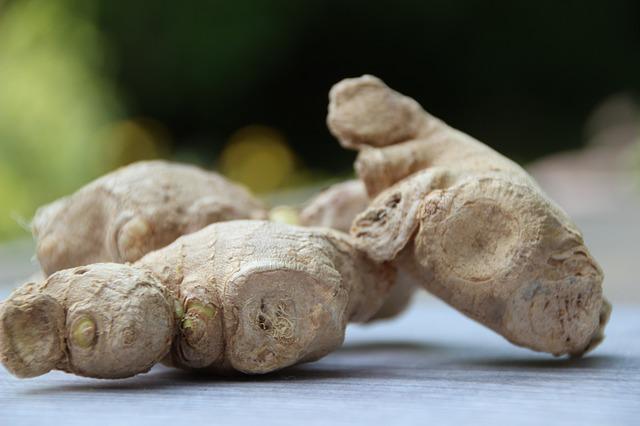
Tiger nuts have gained popularity as a health food for humans in recent years. They are small, wrinkled tubers that grow underground, harvested from the yellow nutsedge plant. In Spain, they are used to make horchata de chufa, a traditional drink. For humans, tiger nuts offer prebiotic fiber, healthy fats, and minerals like magnesium and potassium.
However, what is healthy for humans is not automatically safe for rabbits. Rabbits have a specialized hindgut fermentation digestive system that processes high-fiber, low-fat plant material. Their cecum relies on a delicate balance of beneficial bacteria to break down cellulose from hay and grasses. Foods high in fat and starch, like tiger nuts, disrupt this bacterial balance and can trigger serious health problems.
Why Are Tiger Nuts Dangerous for Rabbits?
Tiger nuts pose several specific risks to rabbits due to their nutritional composition. A 100-gram serving of tiger nuts contains approximately 23 grams of fat, 33 grams of carbohydrates, and 10 grams of fiber. While the fiber content might seem acceptable, the fat and starch levels are far too high for a rabbit's digestive system to handle safely.
Nutritional Breakdown: Tiger Nuts vs. Rabbit Requirements
| Nutrient | Tiger Nuts (per 100g) | Ideal Rabbit Diet | Risk Level |
|---|---|---|---|
| Fat | 23g | Less than 3% of total diet | High |
| Carbohydrates | 33g | Less than 20% of total diet | High |
| Fiber | 10g | 25-30% crude fiber minimum | Insufficient |
| Protein | 4-5g | 12-14% of total diet | Low concern |
| Starch | High | Minimal | High |
Gastrointestinal Stasis (GI Stasis)
GI stasis is one of the most serious conditions a rabbit can develop, and high-fat, low-fiber foods like tiger nuts are a known trigger. When a rabbit eats too much fat and not enough fiber, gut motility slows down. The beneficial bacteria in the cecum die off, and harmful gas-producing bacteria take over.
According to veterinary research published in Veterinary Times, GI stasis occurs when the normal contractions of the rabbit's digestive tract slow or stop entirely. This allows harmful bacteria like Clostridium species to proliferate, producing painful gas and toxins that can lead to organ failure within 24 to 48 hours if untreated.
Signs of GI stasis include:
- Small, hard, or absent droppings
- Hunched posture and reluctance to move
- Loss of appetite, including refusing hay
- Audible gurgling or complete silence from the abdomen
- Teeth grinding (bruxism) indicating pain
Fatty Liver Disease (Hepatic Lipidosis)
Repeated exposure to high-fat foods like tiger nuts can cause fat to accumulate in a rabbit's liver cells, leading to hepatic lipidosis. This condition develops gradually and is often not noticed until the rabbit shows advanced symptoms. The liver struggles to process excess dietary fat, and over time, normal liver tissue is replaced by fat deposits.
According to the House Rabbit Society, signs of fatty liver disease in rabbits include:
- Sudden or gradual loss of appetite
- Unexplained weight loss despite eating
- Fewer and smaller droppings
- Dehydration and lethargy
- Yellowing of the ears or skin (jaundice) in severe cases
Diarrhea and Cecal Dysbiosis
Tiger nuts can disrupt the delicate microbial ecosystem in a rabbit's cecum. When too much fat and starch enter the hindgut, it creates an environment where harmful bacteria thrive at the expense of the fiber-fermenting bacteria that rabbits depend on. This imbalance, called cecal dysbiosis, produces soft, mushy, or watery droppings.
True diarrhea in rabbits is a medical emergency. Unlike soft cecotropes, which are merely inconvenient, liquid diarrhea indicates a severe gut disruption that can lead to rapid dehydration and death, especially in young rabbits. If your rabbit develops watery stools after eating any unusual food, seek veterinary attention immediately.
Uneaten Cecotropes
Even if a rabbit does not develop full diarrhea, eating tiger nuts can cause soft, sticky cecotropes that the rabbit cannot or will not consume. Cecotropes are the nutrient-rich "night droppings" that rabbits normally re-ingest directly from the anus. When the cecum produces overly soft cecotropes due to dietary imbalance, they stick to the rabbit's fur instead of being eaten, creating a messy, smelly problem and depriving the rabbit of essential B vitamins and nutrients.
Obesity and Related Complications
Tiger nuts are calorie-dense, providing roughly 400 to 450 calories per 100 grams. Rabbits who regularly consume high-calorie, high-fat foods are at significant risk of obesity. Overweight rabbits face a cascade of secondary health issues including arthritis, difficulty grooming, increased risk of fly strike, and shortened lifespan.
Obese rabbits also struggle to reach their cecotropes, which worsens the uneaten cecotrope problem and can lead to urine scalding on the hindquarters.
What About Tiger Nut Flour or Tiger Nut Milk?
Processed tiger nut products like flour and milk are equally unsuitable for rabbits. Tiger nut flour retains the high fat and starch content of whole tiger nuts in a concentrated form. Tiger nut milk, while diluted, often contains added sugars or flavorings that introduce additional health risks.
No form of tiger nut, whether raw, dried, roasted, ground into flour, or processed into milk, is appropriate for rabbits. The fundamental problem is the nutritional profile, and processing does not change the fat-to-fiber ratio enough to make it safe.
What Should You Do If Your Rabbit Ate Tiger Nuts?
If your rabbit ate a small amount of tiger nuts, perhaps one or two pieces, there is no need to panic. Tiger nuts are not poisonous, and a tiny amount is unlikely to cause immediate harm. However, you should take these steps:
- Remove access to any remaining tiger nuts immediately
- Offer unlimited hay to encourage gut motility and provide the fiber your rabbit needs to flush the fat through their system
- Monitor droppings for the next 12 to 24 hours, watching for changes in size, shape, or consistency
- Watch for appetite changes, especially if your rabbit stops eating hay or pellets
- Check for lethargy or hunched posture, which can indicate developing GI stasis
- Contact your vet if you notice any changes in behavior, appetite, or droppings within 24 hours
The extra fiber from hay helps restore the cecal bacterial balance and keeps gut contractions moving normally. Fresh water should also be available at all times, as proper hydration supports healthy digestion.
How Does Tiger Nut Fat Compare to Other Nuts Rabbits Should Avoid?
Tiger nuts are far from the only nut or nut-like food that poses risks. Here is how their fat content compares to other foods commonly asked about:
| Food | Fat per 100g | Safe for Rabbits? |
|---|---|---|
| Tiger nuts | 23g | No |
| Almonds | 49g | No |
| Peanuts | 49g | No |
| Cashews | 44g | No |
| Walnuts | 65g | No |
| Timothy hay | 1.5-2g | Yes (staple food) |
While tiger nuts have less fat than true tree nuts, they still contain roughly 10 to 15 times more fat than what a rabbit should be eating. Even the "lowest fat" nut is still far too fatty for a rabbit's digestive system.
Healthy Treat Alternatives to Tiger Nuts
If you want to treat your rabbit, there are plenty of safe options that provide variety without the health risks. The key is choosing foods that are low in fat, low in sugar, and high in water content or fiber.
Safe Fruits (1-2 Tablespoons Per Day Maximum)
- Strawberries
- Blueberries
- Apple slices (remove seeds and core)
- Pear slices
- Watermelon (remove seeds)
Safe Vegetables and Herbs (Daily Rotation)
These foods provide vitamins, minerals, and hydration without overloading your rabbit's gut with fat or starch. Stick to the guideline of roughly one packed cup of fresh vegetables per two pounds of body weight daily, with fruits limited to occasional treats.
What Should a Rabbit's Diet Actually Look Like?
Understanding why tiger nuts are inappropriate starts with knowing what a healthy rabbit diet looks like. As of 2026, veterinary nutritionists and experienced breeders agree on these proportions:
- 80% unlimited hay (timothy, orchard grass, or meadow hay for adults). Hay provides the long-strand fiber that keeps the gut moving and wears down continuously growing teeth.
- 10% fresh vegetables such as leafy greens, herbs, and limited non-leafy vegetables. Rotate varieties daily for nutritional balance.
- 5% quality pellets formulated specifically for rabbits. About 1/4 cup per 5 pounds of body weight daily.
- 5% or less treats from safe fruits and forage. Small portions, offered a few times per week at most.
Notice that nuts, seeds, grains, and high-fat tubers like tiger nuts have no place in this breakdown. Every calorie your rabbit spends digesting fatty foods is a calorie not spent on the fiber-rich foods their body actually needs.
Can Tiger Nuts Cause Long-Term Damage?
A single accidental nibble of tiger nut is unlikely to cause lasting harm. The real danger comes from repeated or intentional feeding. Research published in the African Journal of Pure and Applied Chemistry examined the effects of graded levels of tiger nuts in rabbit feed and found that while small percentages showed marginal tolerance, higher inclusion rates led to poor growth performance and concerning changes in blood chemistry.
Long-term feeding of high-fat foods to rabbits can cause:
- Chronic cecal dysbiosis with persistent soft stools
- Progressive fatty liver disease that may not show symptoms until advanced stages
- Obesity-related joint problems, especially in larger breeds
- Dental issues from reduced hay consumption (rabbits who fill up on treats eat less hay)
- Shortened lifespan due to cumulative metabolic stress
Frequently Asked Questions
Are tiger nuts toxic to rabbits?
Tiger nuts are not toxic or poisonous to rabbits. They will not cause immediate poisoning. However, their high fat content (23g per 100g) makes them inappropriate as food for rabbits. The risk comes from digestive complications like GI stasis and fatty liver disease, not from toxicity.
Can baby rabbits eat tiger nuts?
No. Baby rabbits under 12 weeks old should only consume their mother's milk, alfalfa hay, and age-appropriate pellets. Their digestive systems are even more sensitive than adult rabbits, and introducing high-fat foods like tiger nuts could cause life-threatening diarrhea or enteritis.
How many tiger nuts would hurt a rabbit?
There is no established safe amount. Even a few tiger nuts add unnecessary fat to your rabbit's diet. One or two pieces accidentally consumed are unlikely to cause problems, but there is no reason to intentionally offer any amount. Choose fiber-rich treats like hay-based biscuits or small pieces of fresh fruit instead.
Can rabbits eat tiger nut shells?
Tiger nuts do not have traditional shells like tree nuts. The outer skin of a tiger nut is edible for humans but offers no benefit to rabbits. The entire tiger nut, skin and all, carries the same high-fat risk and should be kept away from your rabbit.
What nuts can rabbits eat safely?
No nuts are safe for rabbits. All nuts, including almonds, peanuts, walnuts, cashews, and tiger nuts, contain too much fat for a rabbit's digestive system. Rabbits are strict herbivores designed to eat grasses, leafy greens, and herbs. Skip the nuts entirely and offer safe vegetables or small fruit portions as treats.
Cite this article:
Cite this article:
BunnySync (March 21, 2026) Can Rabbits Eat Tiger Nuts?. Retrieved from https://bunnysync.com/blog/can-rabbits-eat-tiger-nuts.
"Can Rabbits Eat Tiger Nuts?." BunnySync - March 21, 2026, https://bunnysync.com/blog/can-rabbits-eat-tiger-nuts