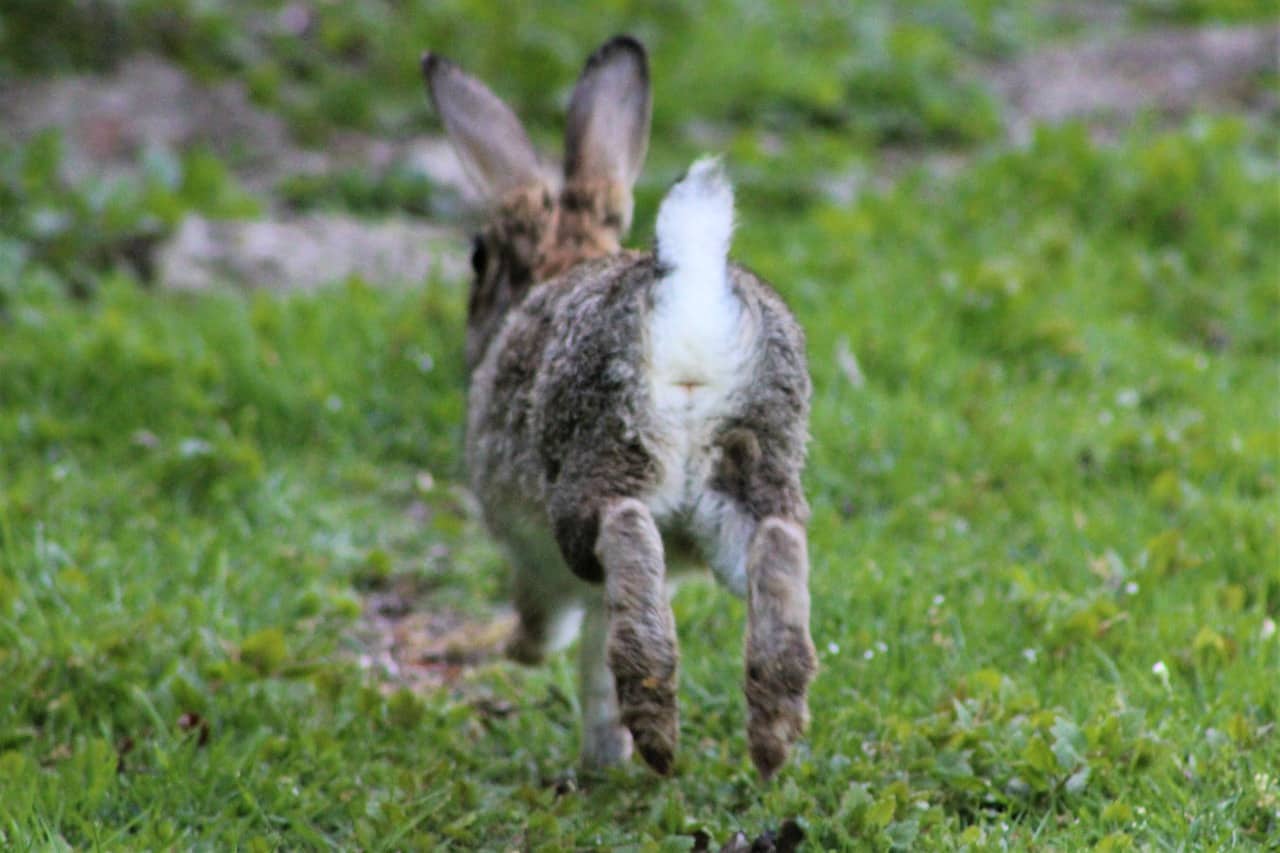
Yes, rabbits can die of fright. When a rabbit experiences extreme fear, its body floods with adrenaline and cortisol, which can trigger fatal cardiac arrest or shock. This is not a myth or an exaggeration. As breeders, we have seen firsthand how fragile a rabbit's stress response can be, and understanding what causes fright-related death is the first step toward preventing it.
Rabbits are prey animals with a nervous system wired for survival. Their "fight or flight" response is so powerful that the stress hormones released during a fright episode can literally stop the heart. Wild rabbits frequently die this way when captured by predators, and domestic rabbits face the same biological risk when exposed to overwhelming fear triggers in the home.

Why Can Rabbits Die from Being Scared?
To understand why fright can kill a rabbit, you need to understand how a rabbit's body handles extreme stress. Rabbits have an exaggerated sympathetic nervous system response compared to many other mammals. When a rabbit perceives a life-threatening danger, its adrenal glands release massive amounts of adrenaline (epinephrine) and cortisol into the bloodstream.
This hormonal surge causes several things to happen almost instantly:
- Heart rate spikes dramatically, sometimes exceeding 300 beats per minute (a rabbit's normal resting heart rate is 130 to 325 bpm depending on the breed)
- Blood pressure increases sharply, putting sudden strain on the cardiovascular system
- Muscles tense for flight, diverting blood away from organs
- Breathing becomes rapid and shallow, reducing oxygen efficiency
In a healthy rabbit that can flee the danger, this response resolves once the rabbit reaches safety. But when the stress is prolonged or the rabbit cannot escape, the hormonal overload can cause the heart to develop an arrhythmia (irregular heartbeat) that leads to cardiac arrest. This condition is sometimes called "capture myopathy" or "exertional myopathy" in veterinary literature, and it affects rabbits more severely than most domestic animals.
According to veterinary resources from the Veterinary Information Network, collapsed rabbits presenting after a fright episode often show signs of acute heart failure, and the prognosis is frequently poor once shock has set in.
What Can Frighten a Rabbit to Death?
Not every scare will kill a rabbit. The danger increases when the fear is sudden, intense, and sustained, or when the rabbit has no option to escape. Here are the most common fright triggers that pose a genuine risk to your rabbit's life.
Loud and Sudden Noises
Fireworks, thunderstorms, gunshots, construction equipment, and even a dropped pan in the kitchen can startle a rabbit badly enough to trigger shock. Fireworks are one of the most well-documented causes of fright-related rabbit deaths. One widely reported case involved a pet rabbit that began shaking violently during a fireworks display and died approximately 12 hours later from stress-induced cardiac failure.
The problem with loud noises and rabbits is that rabbits have extremely sensitive hearing. Sounds that seem moderate to us are amplified for them. Repeated loud sounds, like a fireworks show lasting 30 minutes or more, create sustained stress that the rabbit's body cannot recover from.
Predator Presence
Even if a predator never touches your rabbit, the sight, sound, or smell of one can be enough to trigger a fatal stress response. Common predator threats for pet rabbits include:
| Predator Type | Risk Level | How They Frighten Rabbits |
|---|---|---|
| Dogs (untrained) | Very High | Barking, chasing, lunging at enclosure |
| Cats | High | Stalking behavior, staring, swatting |
| Birds of prey | High | Shadow passing overhead, screeching calls |
| Foxes | High | Scent alone can cause panic, especially at night |
| Snakes | Moderate | Movement near enclosure |
| Raccoons | Moderate | Attempting to reach into cages at night |
Outdoor rabbits are particularly vulnerable. Even if your hutch is predator-proof, a fox circling the enclosure at night or a hawk diving toward the wire mesh can create enough terror to kill a rabbit. This is one reason many experienced breeders take predator protection seriously beyond just physical barriers.
Unfamiliar People, Animals, and Environments
Rabbits are creatures of routine. A sudden change in their environment, such as moving to a new home, being placed in an unfamiliar room, or encountering a stranger who handles them roughly, can trigger extreme anxiety. Young rabbits and unhandled rabbits are especially susceptible.
Common situations that cause dangerous levels of fear include:
- Children chasing or grabbing a rabbit
- Being picked up by someone unfamiliar
- A new pet introduced without proper gradual introduction
- Traveling in a car without a secure, covered carrier
- Visiting the vet (particularly if the rabbit is not accustomed to handling)
Being Trapped While Frightened
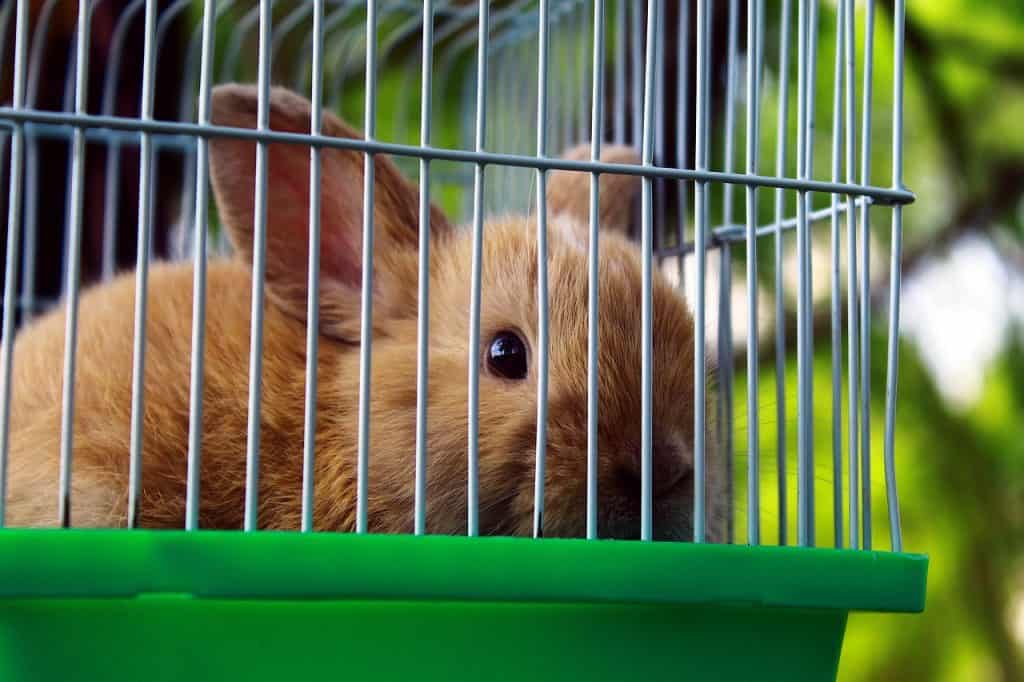
This is the most dangerous combination. A rabbit that is frightened and cannot run away experiences compounded stress. The instinct to flee is so strong that when it is blocked, the rabbit's body essentially overloads. Caged rabbits that experience a fright trigger are at significantly higher risk of dying from shock than free-roaming rabbits who can bolt to a hiding spot.
What Are the Signs a Rabbit Is Dying of Fright?
Fright-related death does not always happen instantly. In some cases, a rabbit may appear to recover from a scare but then deteriorate over hours. Knowing the signs of severe stress in rabbits can help you intervene before it is too late.
Immediate Signs of Shock
- Freezing in place with wide, bulging eyes
- Rapid, shallow breathing or panting
- Flattening to the ground with ears pinned back
- Uncontrollable trembling or full-body shaking
- Screaming, which rabbits only do when they believe they are dying
Delayed Signs (Hours After the Fright)
- Complete refusal to eat or drink
- Lethargy and unresponsiveness, even to favorite treats
- Cold ears, which indicate poor circulation
- Limp or floppy body when picked up
- Grinding teeth loudly, a sign of severe pain or distress
- Sitting hunched in a corner and refusing to move
If you observe any of these delayed signs after your rabbit experienced a fright event, contact your veterinarian immediately. Time is critical. A rabbit in shock needs warmth, a quiet dark environment, and possibly IV fluids to stabilize blood pressure.
How Long Does It Take for a Rabbit to Die of Fright?
The timeline varies depending on the severity of the fright and the rabbit's overall health. In extreme cases involving direct predator contact, death can occur within seconds or minutes due to immediate cardiac arrest.
For less acute situations, such as a prolonged fireworks display or a predator circling the hutch, death can take anywhere from 1 to 24 hours. The rabbit may initially survive the initial shock but then succumb to organ damage caused by the sustained hormonal surge.
Here is a general timeline based on common scenarios:
| Scenario | Time to Death | Mechanism |
|---|---|---|
| Seized by a predator | Seconds to minutes | Immediate cardiac arrest |
| Dog attack (rabbit escapes physically unharmed) | Minutes to hours | Delayed cardiac failure from shock |
| Extended fireworks/thunder | Hours to 24 hours | Sustained stress causing organ failure |
| Chronic repeated frights | Days to weeks | Cumulative stress weakening the heart |
Older rabbits, rabbits with pre-existing heart conditions, and breeds prone to anxiety are at higher risk of a faster decline.
How to Prevent Your Rabbit from Dying of Fright
Prevention is the only reliable strategy. Once a rabbit enters severe shock, survival rates drop dramatically. Here are the most effective steps you can take as a rabbit owner.
1. Allow Free Roaming During Known Fright Events
If you know fireworks, a thunderstorm, or any loud event is coming, let your rabbit out of its cage. A rabbit that can run to a hiding spot of its choosing will manage fear far better than one trapped in an enclosure. This is the single most impactful thing you can do.
Set up safe hiding spots around the room: cardboard boxes with entry holes, tunnels, and covered areas under furniture. Your rabbit will instinctively choose a spot where it feels secure.
2. Soundproof and Secure the Environment
During events like fireworks or storms:
- Close all windows and draw curtains to muffle sound and block flashing lights
- Play calming background music or white noise at a moderate volume
- Move outdoor rabbits indoors temporarily, ideally to an interior room
- Cover the cage partially with a thick blanket (leave ventilation) to create a den-like feeling
3. Predator-Proof Your Setup
For outdoor rabbits, predator-proofing goes beyond a sturdy hutch. You need to prevent predators from even getting close enough for the rabbit to see, hear, or smell them.
- Use hardware cloth (not chicken wire, which predators can tear through)
- Install motion-activated lights or sprinklers around the hutch area
- Bring rabbits indoors at night when predators are most active
- Train household dogs and cats to coexist safely with your rabbit
4. Socialize Your Rabbit Gradually
A well-socialized rabbit that is comfortable with handling and everyday sounds is far less likely to experience a fatal fright response. Start handling your rabbit gently from a young age. Expose it gradually to household noises like the vacuum cleaner, television, and doorbell.
Never force interactions. Let your rabbit approach new people and animals on its own terms. Rushed introductions create fear associations that are difficult to undo.
5. Keep a Calm Household Routine
Rabbits thrive on predictability. Feed at the same times each day. Avoid sudden rearrangements of their living space. Warn household members not to run, shout, or slam doors near the rabbit's area. Small, consistent habits make a large difference in a rabbit's baseline anxiety level.
What to Do If Your Rabbit Goes into Shock
If your rabbit shows signs of shock after a fright event, act quickly. Here is what to do while you contact your vet:
- Move the rabbit to a quiet, dark, warm room away from the source of the fright.
- Wrap the rabbit loosely in a towel to provide gentle warmth and a feeling of security. Do not restrain tightly.
- Place a covered heating pad (set to low) under half of the towel so the rabbit can move away from the heat if it gets too warm.
- Do not force food or water. A rabbit in shock may aspirate fluids. Offer a small dish of water nearby instead.
- Speak softly and avoid sudden movements around the rabbit.
- Contact your veterinarian or an emergency rabbit-savvy vet immediately. Describe what happened and the symptoms you are seeing.
According to the House Rabbit Society's emergency guidelines, keeping a rabbit warm and reducing all stimulation are the most critical first-aid steps for shock. Professional veterinary care, including IV fluids and cardiac monitoring, significantly improves survival chances.
Are Some Rabbit Breeds More Prone to Dying of Fright?
While any rabbit can die of fright regardless of breed, some breeds tend to be more anxious or reactive than others. Smaller breeds and dwarf breeds, such as Netherland Dwarfs and Polish rabbits, are often more skittish and may have stronger fear responses.
Larger breeds like Flemish Giants and French Lops tend to be calmer by temperament, but this is not a guarantee. Individual personality matters as much as breed. A poorly socialized Flemish Giant can be just as fearful as a well-socialized Netherland Dwarf.
Breeds that tend toward higher anxiety levels include:
- Netherland Dwarf
- Polish
- Lionhead (some lines)
- Belgian Hare (very flighty by nature)
- Wild-domestic hybrids
If you own a breed known for being reactive, take extra precautions during fireworks season, thunderstorms, and any time predators may be near.
Can Rabbits Die of Fright from Other Rabbits?
It is rare, but yes. An aggressive rabbit chasing, biting, and mounting a submissive rabbit can cause enough fear and stress to trigger a fatal response in the victim rabbit. This is most likely to happen when unbonded rabbits are placed together without a proper introduction process, or when a rabbit loses its bonded partner and is introduced to a new, aggressive companion too quickly.
Always supervise new rabbit introductions carefully. If one rabbit is clearly terrified and hiding, separate them immediately and try again later with a more gradual approach.
Frequently Asked Questions
Can a rabbit die from being chased by a dog?
Yes. Even if the dog never makes physical contact, the act of being chased can trigger fatal cardiac arrest in a rabbit. The combination of extreme fear and intense exertion overloads the rabbit's cardiovascular system. Always keep dogs supervised around rabbits and train them to remain calm.
Can fireworks kill a rabbit?
Fireworks are one of the most common causes of fright-related rabbit deaths. The loud, unpredictable explosions combined with bright flashing lights create sustained terror. Move rabbits indoors, close windows, play background music, and let them free-roam during fireworks events to reduce the risk.
How do I know if my rabbit died of fright?
If your rabbit dies suddenly after a known fright event with no prior signs of illness, fright-induced cardiac arrest is the likely cause. A necropsy (animal autopsy) performed by a veterinarian can confirm whether the heart shows signs of stress-related failure.
Can baby rabbits die of fright more easily than adults?
Baby rabbits (kits) under 8 weeks old are more vulnerable to fright because their cardiovascular systems are still developing and they have not built any tolerance to environmental stressors. Handle kits gently and keep their nesting area in a quiet, secure location.
Will my rabbit be okay after being scared once?
Most healthy rabbits recover from a single mild scare without lasting harm. The danger increases with intense, prolonged, or repeated fright events. If your rabbit seems normal within an hour of a scare, eating and moving around, it has likely recovered. Watch for delayed signs of shock for the next 24 hours.
Cite this article:
Cite this article:
BunnySync (March 7, 2026) Can Rabbits Die of Fright? Causes, Signs, and Prevention. Retrieved from https://bunnysync.com/blog/can-rabbits-die-of-fright.
"Can Rabbits Die of Fright? Causes, Signs, and Prevention." BunnySync - March 7, 2026, https://bunnysync.com/blog/can-rabbits-die-of-fright