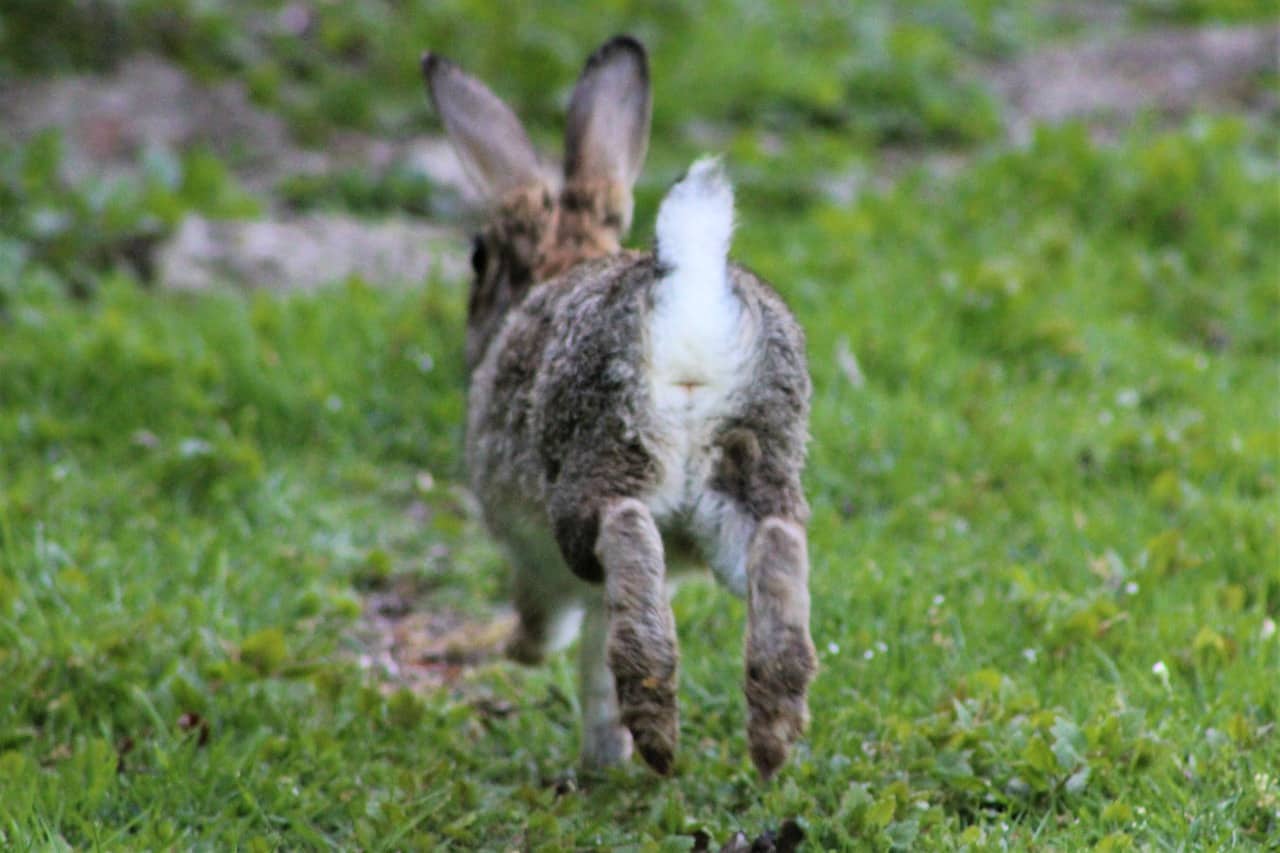
To calm down a scared rabbit, give them space to retreat to a safe hiding spot, stay low to the ground, speak in a soft and steady voice, and avoid picking them up. Once your rabbit begins to relax, you can lure them out with treats and gentle head strokes. Rabbits are prey animals with a strong flight response, so forcing contact will always make fear worse. As breeders, we have worked with hundreds of nervous rabbits over the years, and these techniques work consistently across breeds and ages.
Fear in rabbits is not just a behavioral problem. Prolonged stress can cause fatal cardiac events, GI stasis, and a weakened immune system. Learning how to calm your rabbit quickly is a skill every owner needs. In this guide, we cover everything from identifying fear triggers to step-by-step calming techniques based on real breeding experience.
What Causes Rabbits to Get Scared?
Before you can calm a scared rabbit, you need to understand what triggered the fear in the first place. Rabbits have evolved as prey animals, which means their nervous system is wired to detect threats everywhere. Even domesticated rabbits retain this survival instinct.
Here are the most common fear triggers for pet rabbits:
Loud or Sudden Noises
Fireworks, thunderstorms, vacuum cleaners, slamming doors, barking dogs, and even a dropped pan in the kitchen can send a rabbit into a panic. Rabbits have exceptional hearing and can detect sounds at frequencies humans cannot. A noise that seems moderate to you might feel overwhelming to your rabbit.
Studies from the RSPCA confirm that noise sensitivity is one of the leading causes of stress-related illness in domestic rabbits. If your rabbit lives near a busy road, construction site, or in a home with young children, noise management is essential.
Predators and Perceived Threats
Cats, dogs, birds of prey, and even unfamiliar humans can trigger a rabbit's predator response. Your rabbit does not need to be directly threatened. Just catching the scent of a cat or hearing a dog bark in another room is enough.
Even well-meaning pets can terrify rabbits. A curious dog sniffing at your rabbit's enclosure, or a cat watching from across the room, keeps your rabbit in a constant state of alert. This chronic low-level stress is just as damaging as a single frightening event.
New Environments and Changes
Moving to a new home, rearranging furniture, introducing a new pet, or even changing their enclosure setup can unsettle a rabbit. Rabbits are creatures of habit. They map their environment carefully and feel safest when everything is predictable.
If you recently adopted your rabbit, expect them to be nervous for at least 1 to 2 weeks. Some shy breeds take 3 to 4 weeks before they feel fully comfortable in a new home.
Rough Handling and Picking Up
Many rabbits panic when lifted off the ground. In the wild, the only time a rabbit leaves the ground is when a predator has caught them. Being picked up triggers this primal fear response, especially if the rabbit has not been gradually desensitized to handling.
How Do You Know Your Rabbit Is Scared?
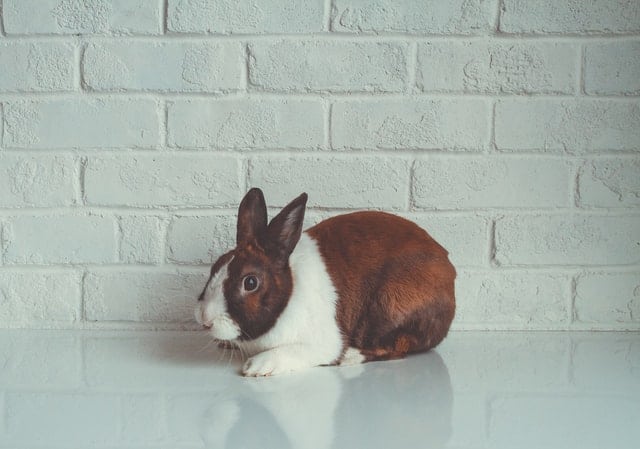
Rabbits are masters at hiding vulnerability. In the wild, showing weakness makes them a target. Domestic rabbits retain this instinct, so you need to learn their subtle body language cues to recognize fear early.
Watch for these signs that your rabbit is frightened:
| Sign | What It Looks Like | Severity |
|---|---|---|
| Freezing | Rabbit goes completely still, ears flat against body | Moderate |
| Wide eyes (whale eye) | Whites of the eyes visible, pupils dilated | Moderate |
| Thumping | Stamping hind feet loudly and repeatedly | Moderate to High |
| Hiding | Retreating to a corner, under furniture, or into their hidebox | Moderate |
| Aggression | Lunging, biting, or boxing with front paws | High |
| Not eating | Refuses food, including favorite treats | High |
| Screaming | A loud, high-pitched cry (rare, indicates extreme terror or pain) | Emergency |
If your rabbit is showing signs of chronic stress such as over-grooming, weight loss, or persistent hiding, the issue goes beyond a single scare and needs a broader environmental assessment.
7 Proven Methods to Calm a Scared Rabbit
These methods are listed in order of priority. Start with the first technique and work your way down as your rabbit begins to settle.
1. Give Your Rabbit Space to Retreat
The single most important thing you can do when your rabbit is scared is to stop trying to "fix" the situation. Give them space. Do not chase them, corner them, or try to pick them up.
A scared rabbit needs to feel like they have an escape route. If they run and hide under a bed, behind a couch, or into their hidebox, let them. This is healthy coping behavior. Letting your rabbit retreat to safety actually helps them calm down faster because they regain a sense of control.
Make sure your rabbit always has access to at least one enclosed hiding spot in their living area. A wooden hidebox, a cardboard castle, or even an upside-down box with a doorway cut into it works well. Rabbits feel most secure when they have a roof over their heads and walls on three sides.
2. Get Low and Stay Still
Rabbits perceive height as a threat. Standing over a scared rabbit makes you look like a predator. Instead, sit or lie on the floor near your rabbit (but not too close). Stay still and avoid direct eye contact, which rabbits interpret as a predatory stare.
Position yourself sideways rather than facing your rabbit head-on. This non-threatening body posture signals that you are not a danger. Many rabbits will approach you on their own within 5 to 15 minutes if you stay calm and quiet at floor level.
3. Speak in a Soft, Steady Voice
Talk to your rabbit in a low, calm, and consistent tone. The specific words do not matter. What matters is the rhythm and pitch of your voice. Avoid sudden changes in volume or high-pitched sounds.
Rabbits learn to associate their owner's voice with safety over time. If you regularly talk to your rabbit during feeding, grooming, and play, your voice becomes a calming anchor during scary moments. This is why we recommend talking to your rabbits daily from the day you bring them home.
4. Remove or Reduce the Fear Trigger
If you can identify what scared your rabbit, remove it or reduce its impact:
- Loud noises: Move your rabbit to a quieter room. Close windows, draw curtains, or play soft background music to mask sudden sounds.
- Predator animals: Separate your rabbit from dogs or cats immediately. Keep them in different rooms until your rabbit settles.
- New environment: Cover part of the enclosure with a light blanket to create a den-like feeling. Leave familiar items (a used towel, their favorite toy) nearby.
- Unfamiliar people: Ask visitors to give your rabbit space. Do not let strangers reach into the enclosure or try to pet your rabbit.
If loud noises are a recurring problem, consider relocating your rabbit's living area to the quietest room in your home permanently.
5. Offer Treats as a Positive Association

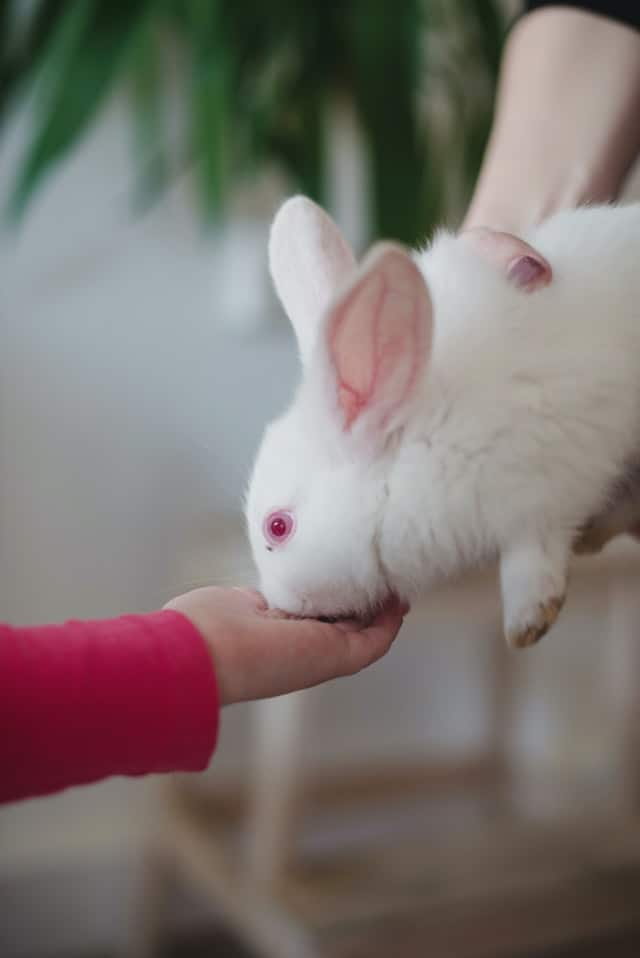
Once your rabbit has had a few minutes to settle (do not rush this step), place a small treat on the ground between you and your rabbit. Do not hand-feed yet. Let them come to the treat on their own terms.
Good calming treats include:
- A small sprig of fresh herbs (basil, cilantro, parsley)
- A thin slice of banana or apple (no seeds)
- A few oat flakes
- Their favorite leafy green
Only offer treats to rabbits older than 7 months. Young rabbits have sensitive digestive systems, and sugary treats can trigger serious GI problems. For adult rabbits, limit fruit treats to 1 to 2 tablespoons per 2 pounds of body weight, no more than twice per week.
Over time, your rabbit will start to associate scary situations with treat rewards, which helps build resilience. This is classical conditioning, and it works remarkably well with rabbits.
6. Try Gentle Petting (Only If Your Rabbit Allows It)

If your rabbit approaches you or stays calm when you are near, try slow, gentle strokes on the forehead and behind the ears. These are the areas where rabbits enjoy being touched most. Avoid the chin, belly, and feet, as most rabbits dislike contact in these areas when they are already nervous.
Use long, slow strokes rather than short pats. Match your breathing to a slow, steady rhythm. Some rabbits will begin to grind their teeth softly (a "purring" sound), which indicates they are relaxing.
If your rabbit tenses up, flinches, or moves away when you reach toward them, stop immediately. Do not follow them. This is not the right time for physical contact, and pushing it will set back the trust-building process. If your rabbit seems scared of you specifically, there may be a deeper trust issue to address.
7. Use Safe Rabbit Toys for Distraction
Chew toys, tunnels, and digging boxes can redirect a rabbit's nervous energy. Rabbits naturally chew and dig when they are anxious, so providing safe outlets for these behaviors helps them self-soothe.
Recommended calming toys include:
- Willow balls and willow sticks
- Seagrass mats
- Cardboard tunnels
- Paper-based digging boxes (fill a box with shredded paper or hay)
- Apple wood chew sticks
Avoid toys with glue, paint, small detachable parts, or synthetic materials. Stick to natural materials from trusted pet supply brands. Chewing also has the added benefit of wearing down your rabbit's continuously growing teeth.
How Long Does It Take for a Scared Rabbit to Calm Down?
Recovery time depends on the severity of the scare, your rabbit's personality, and their history with humans:
| Situation | Typical Recovery Time |
|---|---|
| Sudden loud noise | 5 to 30 minutes |
| Encounter with a predator animal | 30 minutes to several hours |
| New home or environment | 1 to 4 weeks |
| Rough handling or being dropped | Days to weeks (trust damage) |
| Traumatic event (attack, injury) | Weeks to months |
Shy breeds like Netherland Dwarfs and Polish rabbits may take longer to recover than confident breeds like Rex or Holland Lops. Individual temperament matters more than breed though, so observe your specific rabbit and adjust your approach accordingly.
What NOT to Do When Your Rabbit Is Scared
Well-meaning owners often make fear worse by doing the following:
- Do not pick up a panicking rabbit. A thrashing rabbit can break their own spine if they kick while being held. This is one of the most common causes of serious rabbit injuries. Wait until they are calm before handling.
- Do not chase your rabbit. Pursuing a fleeing rabbit confirms their fear that they are being hunted.
- Do not make loud noises to "snap them out of it." Clapping, shouting, or banging is never helpful and will make things significantly worse.
- Do not force cuddling. Restraining a scared rabbit teaches them that you are a threat, not a source of comfort.
- Do not punish fear behaviors. Thumping, hiding, and even nipping are natural fear responses. Punishing them creates a cycle of anxiety and distrust.
When Should You Take a Scared Rabbit to the Vet?
Sometimes fear is a symptom of pain or illness, not just an environmental trigger. Take your rabbit to a rabbit-savvy veterinarian if you notice:
- Persistent refusal to eat for more than 12 hours (this can indicate GI stasis, which is life-threatening)
- Changes in stool: small, dry droppings, diarrhea, or no droppings at all
- Labored breathing, open-mouth breathing, or nasal discharge
- Hunched posture with teeth grinding (loud, grating sound, which indicates pain, not the soft purring of contentment)
- Sudden behavioral changes that persist for more than 48 hours
- Loss of balance, head tilt, or circling
A rabbit who was previously confident and suddenly becomes fearful with no obvious trigger should always be examined by a vet. Pain from dental issues, urinary problems, or internal conditions can present as anxiety or aggression.
How to Prevent Fear in Rabbits Long-Term
The best approach to scared rabbits is prevention. Here are strategies that build a calmer, more confident rabbit over time:
Socialize Early and Often
Handle your rabbit gently and frequently from a young age. Expose them to different sounds, people, and environments gradually. A well-socialized rabbit recovers from scares much faster than one who has been isolated.
Create a Predictable Routine
Feed at the same times each day. Keep their enclosure in the same location. Follow the same sequence for cleaning, feeding, and interaction. Rabbits thrive on predictability, and a stable routine reduces baseline anxiety significantly.
Provide Enrichment
Bored rabbits are more anxious rabbits. Rotate toys weekly, offer foraging opportunities (hide treats in hay or paper), and ensure your rabbit gets at least 3 to 4 hours of supervised free-roam time daily. Mental stimulation builds confidence.
Consider a Bonded Companion
Rabbits are social animals and feel safer in pairs. A bonded companion provides comfort during scary events and reduces loneliness-related stress. If you are thinking about adding a second rabbit, a spayed female and neutered male pairing tends to be the most successful combination.
Frequently Asked Questions
Can a scared rabbit die from fear?
Yes, rabbits can die from extreme fright. The surge of adrenaline and cortisol from a severe scare can cause fatal cardiac arrest or trigger shock. This is more common in older rabbits, rabbits with existing heart conditions, and very young kits. Always take fear seriously in rabbits.
Why is my rabbit suddenly scared of me?
Your rabbit may associate you with a recent negative experience such as nail trimming, a vet visit, or accidental loud noise. Wear the same clothing, move slowly, and use treats to rebuild trust. Most rabbits recover within 3 to 7 days with consistent gentle interaction.
Should I hold my scared rabbit to comfort them?
No. Picking up a frightened rabbit increases their panic because being lifted mimics being caught by a predator. Instead, sit on the floor near them and let them come to you. Physical comfort should only happen on the rabbit's terms.
How can I help my rabbit during fireworks or thunderstorms?
Move your rabbit to the quietest interior room in your home. Close curtains and windows. Play soft background music or white noise to mask the bangs. Cover part of their enclosure with a blanket to create a den. Stay nearby but do not force interaction.
Do rabbits remember traumatic events?
Yes, rabbits have strong associative memory. They can remember negative experiences for months and may develop lasting fear responses to specific triggers such as certain sounds, locations, or handling techniques. Consistent positive experiences are the best way to overwrite fearful memories.
Cite this article:
Cite this article:
BunnySync (March 5, 2026) How To Calm Down a Scared Rabbit: 7 Proven Methods That Work. Retrieved from https://bunnysync.com/blog/how-to-calm-down-a-scared-rabbit.
"How To Calm Down a Scared Rabbit: 7 Proven Methods That Work." BunnySync - March 5, 2026, https://bunnysync.com/blog/how-to-calm-down-a-scared-rabbit