Rabbit food costs between $40 and $150 per month depending on your rabbit's breed size, the quality of food you buy, and whether you purchase in bulk. For a small breed like a Holland Lop, expect to spend around $40 to $55 monthly. A medium breed like a New Zealand will run closer to $70 to $100, and giant breeds like Flemish Giants can push that total past $140. These estimates cover the four essential food groups every rabbit needs: hay, pellets, vegetables, and treats.
As breeders, we have tested dozens of brands, sourced hay from local farms, and tracked our feeding expenses over years. This guide gives you a realistic, no-fluff breakdown of what rabbit food actually costs in 2026, along with practical tips to keep those costs manageable without cutting corners on nutrition.
What Does a Rabbit's Diet Include?
Before we break down costs, you need to understand the four pillars of a healthy rabbit diet. Every rabbit older than 12 weeks requires the following:
- Hay (80% of diet) - Unlimited timothy hay or orchard grass, available at all times
- Pellets (5-10% of diet) - High-fiber, timothy-based pellets in measured portions
- Fresh vegetables (10% of diet) - A rotating mix of leafy greens and safe veggies
- Treats (less than 5%) - Small amounts of fruit or commercial treats, given sparingly
The ratio matters. Rabbits that eat too many pellets and not enough hay develop serious digestive problems, including GI stasis, which can be fatal. Getting the diet right from day one saves you money on vet bills and keeps your rabbit healthy long-term. If you want to understand how much food to feed your rabbit each day, we have a dedicated guide that covers portion sizes by weight and age.
How Much Does Hay Cost Per Month for a Rabbit?
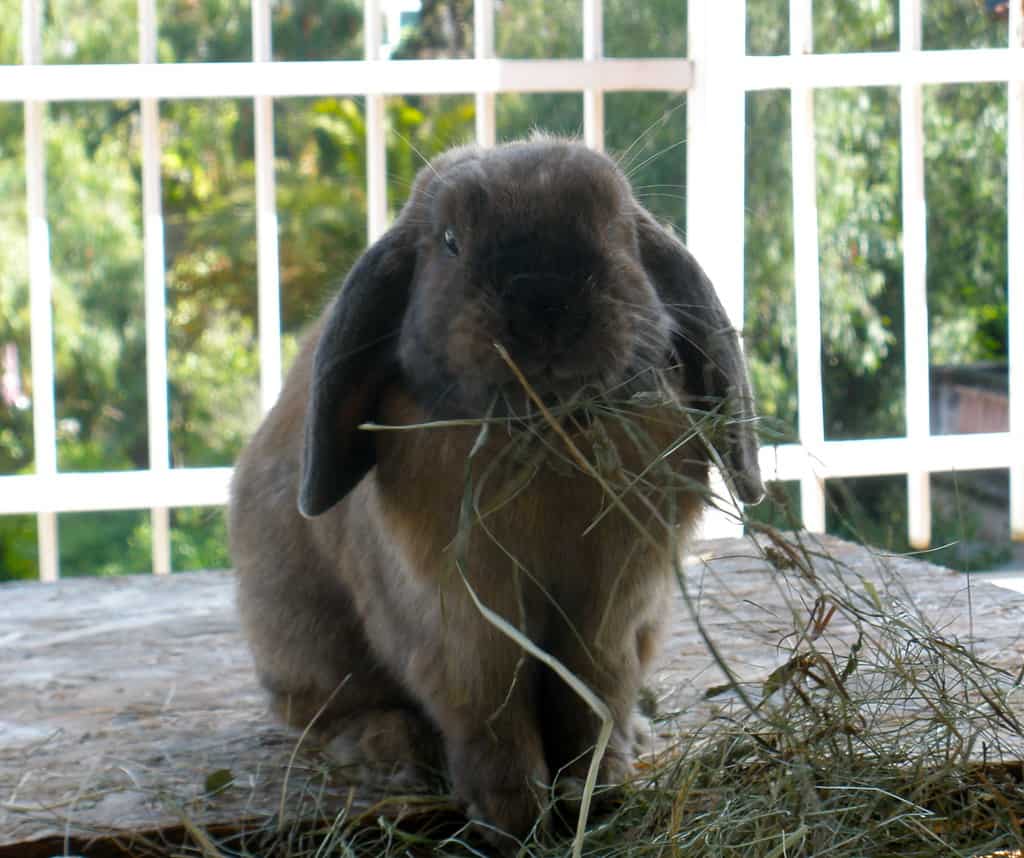
Hay is your biggest recurring expense because rabbits need unlimited access to it every single day. About 80% of your rabbit's diet should consist of hay, primarily timothy hay for adults or alfalfa hay for rabbits under six months. Without sufficient hay, rabbits develop dental problems from overgrown teeth and digestive issues from insufficient fiber. To learn more about proper hay portions, check out our guide on how much hay a rabbit should eat.
In our experience, rabbits eat roughly the following amounts of hay per month based on body size:
| Breed Size | Typical Weight | Hay Per Month (Approx.) |
|---|---|---|
| Small breed (Holland Lop, Netherland Dwarf) | 2 to 4 lbs | 2 to 3 kg (4.5 to 6.5 lbs) |
| Medium breed (New Zealand, Rex) | 6 to 10 lbs | 4 to 6 kg (9 to 13 lbs) |
| Large/Giant breed (Flemish Giant, Checkered Giant) | 10 to 15+ lbs | 6 to 10 kg (13 to 22 lbs) |
Hay Prices by Source
Where you buy hay makes a massive difference in cost. Here is a comparison of common sources:
| Source | Price Per Pound (Approx.) | Monthly Cost (Small Breed) | Monthly Cost (Large Breed) |
|---|---|---|---|
| Pet store (Oxbow, Kaytee) | $3.00 to $5.00 | $15 to $30 | $40 to $100+ |
| Amazon (bulk bags) | $2.00 to $4.00 | $10 to $25 | $30 to $80 |
| Local farm or feed store | $0.15 to $0.50 | $1 to $3 | $3 to $10 |
| Online bulk sellers (Etsy, Craigslist) | $0.50 to $1.50 | $3 to $10 | $8 to $30 |
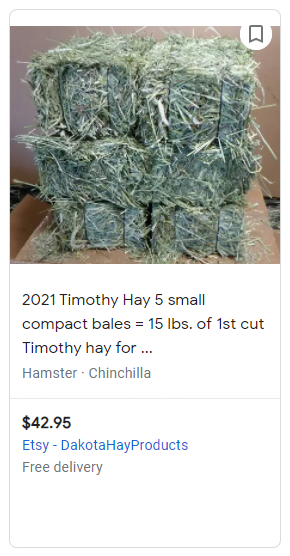
Buying hay from a local farm is by far the cheapest option. A single bale (40 to 50 lbs) from a local hay farmer typically costs $5 to $15 and will last a small breed rabbit several months. Even for giant breeds, a bale lasts 6 to 8 weeks. If you live in a rural or suburban area, check Craigslist, Facebook Marketplace, or local feed stores for timothy or orchard grass hay sold by the bale.
Realistic monthly hay budget: $5 to $20 for small breeds buying in bulk, $20 to $60 for large breeds buying from pet stores. The average rabbit owner spending on Amazon or pet stores pays roughly $15 to $40 per month on hay.
How Much Do Rabbit Pellets Cost Per Month?
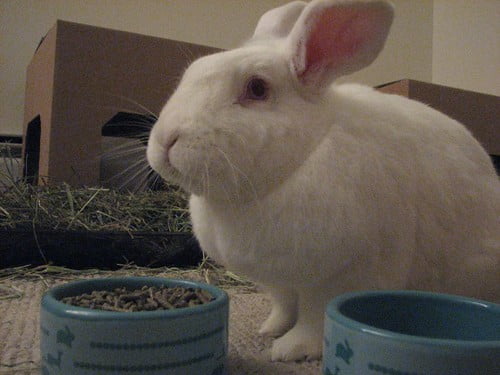
Pellets are the second essential food group, making up about 5 to 10% of your rabbit's diet. While hay provides fiber and keeps teeth worn down, pellets deliver a balanced mix of vitamins and minerals that are difficult to get from hay and vegetables alone. Rabbits on pellet-free diets are at higher risk for nutritional deficiencies, including rickets from vitamin D deficiency. For a deeper look at pellet portions, see our guide on how much pellets a rabbit should eat.
How to Choose the Right Pellets
Not all pellets are equal. Cheap brands often contain too much starch, added sugars, colorful "treat" pieces, and insufficient fiber. Look for pellets that meet these standards:
- Fiber content: At least 18% crude fiber (22% or higher is better)
- Protein: 12 to 14% for adult rabbits
- Fat: Under 3%
- No added sugars, seeds, or colored pieces
- Timothy hay-based (not alfalfa-based, for adults over 6 months)
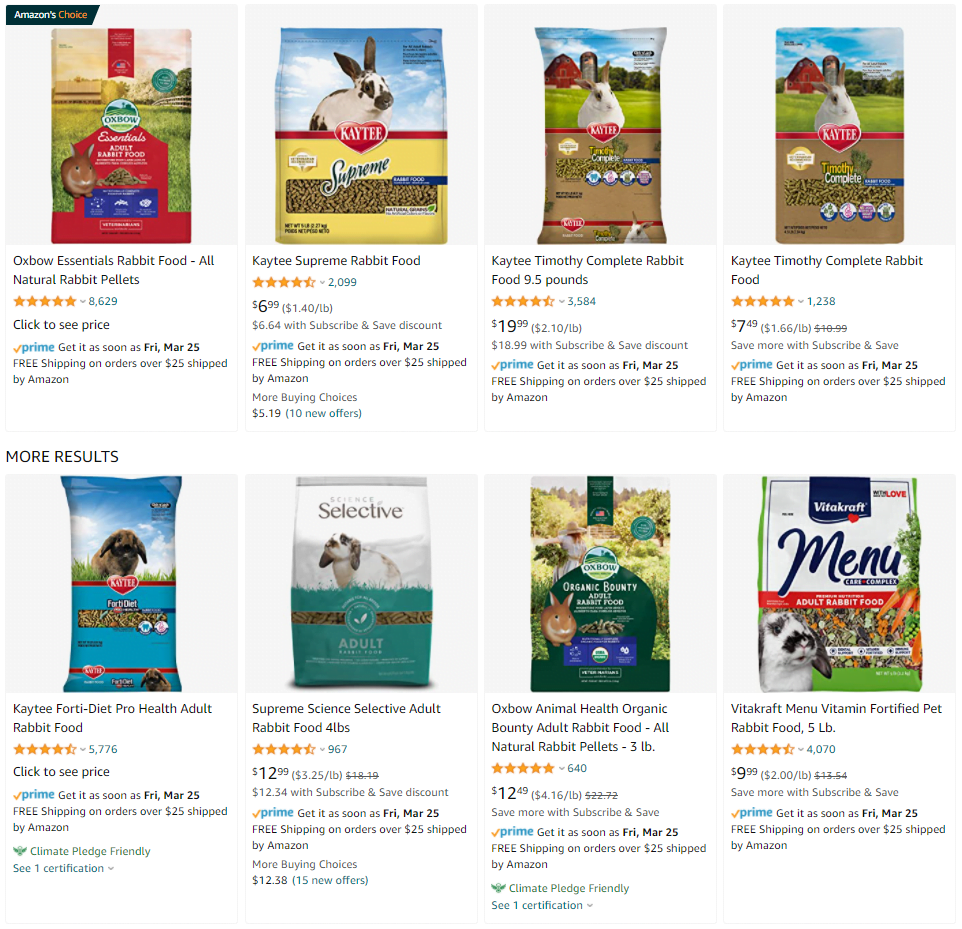
Trusted brands include Oxbow Essentials, Sherwood Pet Health, and Small Pet Select. These all meet the nutritional standards recommended by the House Rabbit Society.
Pellet Cost Breakdown by Breed Size
The standard feeding guideline is approximately 1/4 cup of pellets per 5 pounds of body weight per day. Based on average pellet prices of $2.50 to $3.00 per pound from reputable brands, here is the estimated monthly cost:
| Breed Size | Daily Pellet Amount | Monthly Pellets Needed | Estimated Monthly Cost |
|---|---|---|---|
| Small breed (2 to 4 lbs) | 1/8 to 1/4 cup (15 to 30 g) | 0.5 to 1 lb | $2 to $5 |
| Medium breed (6 to 10 lbs) | 1/4 to 1/2 cup (30 to 60 g) | 1 to 2 lbs | $4 to $10 |
| Large breed (10 to 15+ lbs) | 1/2 to 3/4 cup (60 to 100 g) | 2 to 4 lbs | $7 to $15 |
A 5-pound bag of quality pellets costs around $12 to $18 and will last a small breed rabbit 3 to 5 months. Even for giant breeds, a single bag lasts 5 to 8 weeks. Pellets are the cheapest part of a rabbit's food budget when you stick to proper portions. If you are wondering whether your rabbit even needs pellets at all, we cover that question in our article on whether rabbits need pellets to survive.
Realistic monthly pellet budget: $2 to $15 depending on breed size and brand quality.
How Much Do Vegetables Cost Per Month for a Rabbit?
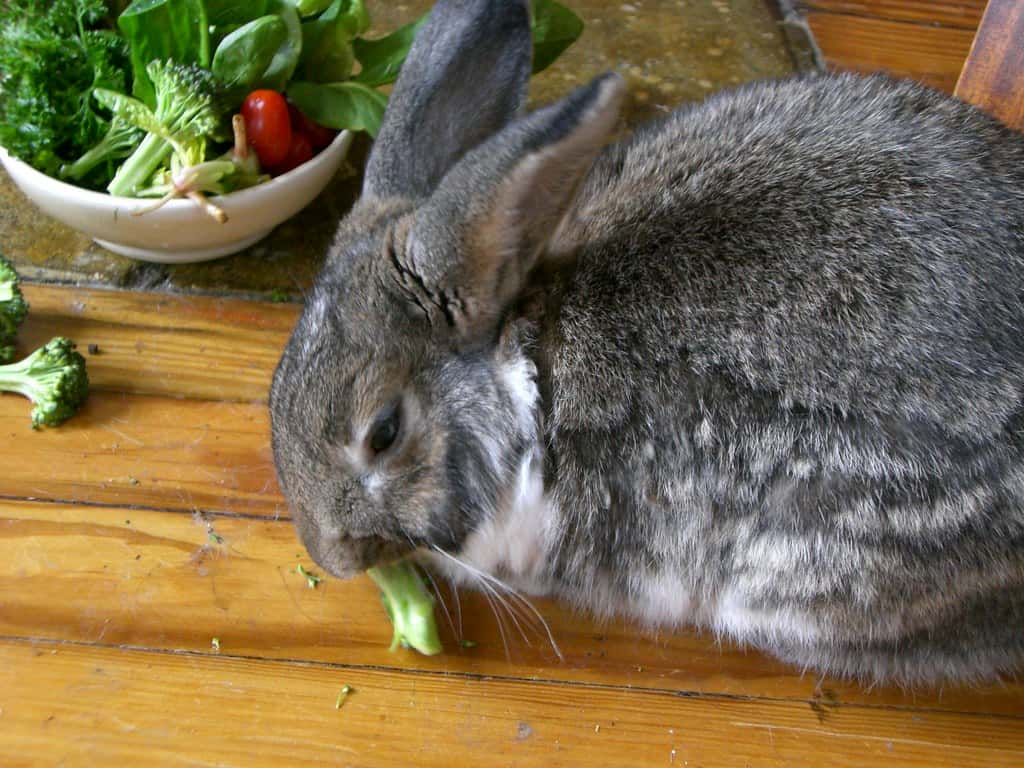
Fresh vegetables should make up about 10% of your rabbit's daily intake. Leafy greens provide vitamins A, C, and K, along with hydration and variety that hay and pellets cannot match. For a full list of safe options, check out our guide on what vegetables you can feed your rabbit.
Best Budget-Friendly Vegetables for Rabbits
You do not need to buy expensive, exotic greens. The most nutritious and affordable options include:
- Romaine lettuce: $1.00 to $1.50 per head, lasts 3 to 5 days for a small rabbit
- Cilantro: $0.50 to $1.00 per bunch, lasts 2 to 3 days
- Parsley: $0.50 to $1.00 per bunch, lasts 2 to 3 days
- Celery: $1.00 to $2.00 per bunch, lasts 4 to 6 days
- Carrot tops: Often free from farmers markets or grocery stores
- Kale: $1.50 to $3.00 per bunch, lasts 3 to 5 days
The key is rotating vegetables daily. Feed at least 3 different types of greens per day to ensure a broad nutrient profile. A good rule of thumb is 1 packed cup of leafy greens per 2 pounds of body weight per day.
Vegetable Cost Breakdown by Breed Size
Using an average vegetable cost of $1.20 per pound (based on common greens like romaine, cilantro, and parsley), here is what you can expect to spend:
| Breed Size | Daily Vegetable Amount | Monthly Vegetables Needed | Estimated Monthly Cost |
|---|---|---|---|
| Small breed (2 to 4 lbs) | 1 to 2 cups (50 to 120 g) | 3 to 8 lbs | $4 to $10 |
| Medium breed (6 to 10 lbs) | 3 to 5 cups (150 to 300 g) | 10 to 20 lbs | $12 to $25 |
| Large breed (10 to 15+ lbs) | 5 to 8 cups (300 to 500 g) | 20 to 35 lbs | $24 to $42 |
Realistic monthly vegetable budget: $5 to $15 for small breeds, $15 to $42 for large breeds. You can reduce this significantly by growing your own herbs (parsley, cilantro, basil) or foraging safe greens like dandelion leaves from untreated yards.
How Much Do Rabbit Treats Cost Per Month?
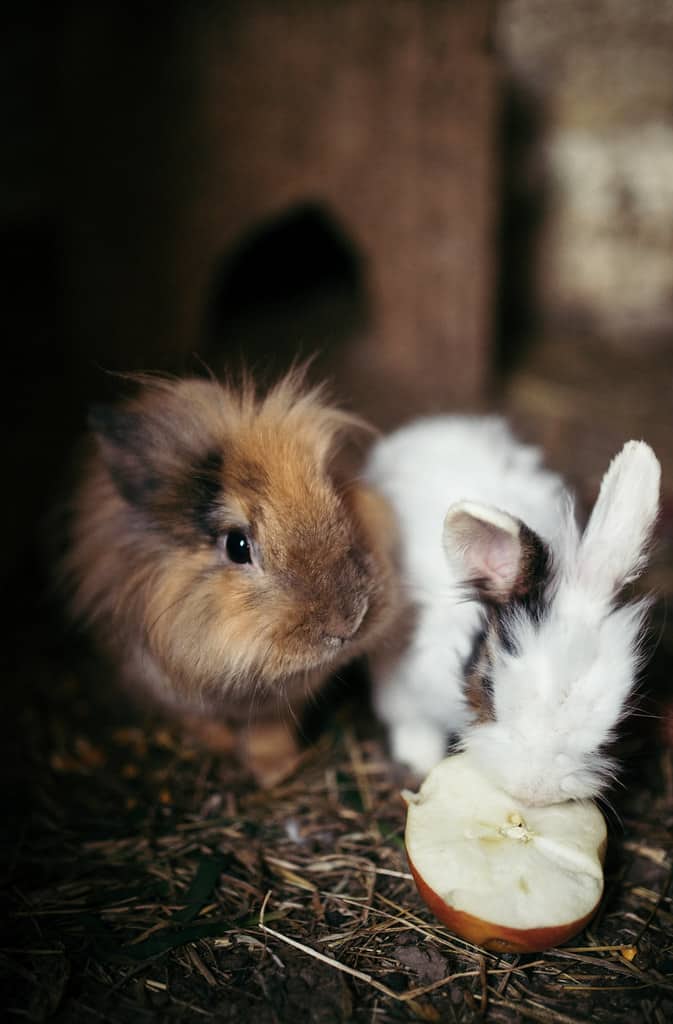
Treats are entirely optional and should never exceed 5% of your rabbit's diet. A tablespoon or two of fruit per day is plenty for most rabbits. In fact, many breeders skip commercial treats entirely and simply share small pieces of whatever fruit they are eating.
Free and Low-Cost Treat Options
You do not need to buy commercial rabbit treats. These everyday fruits work perfectly:
- A few blueberries or raspberries (2 to 3 pieces)
- A thin slice of apple or pear (remove seeds)
- A small chunk of banana (1 inch piece)
- A couple of strawberry slices
If you already buy fruit for yourself, sharing small amounts with your rabbit costs virtually nothing.
Commercial Treat Costs
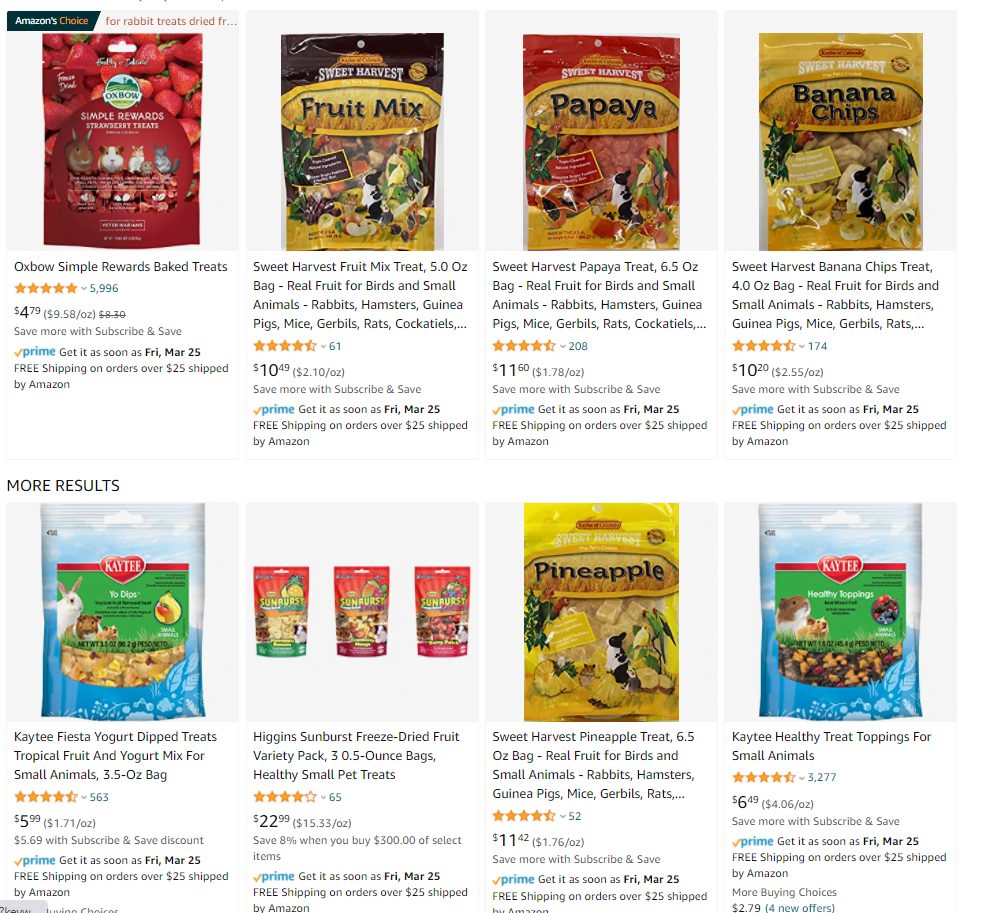
If you prefer buying packaged treats, expect to pay $8 to $12 per bag. One bag typically lasts 4 to 8 weeks when used sparingly. Stick to treats made from dried fruits, herbs, or hay-based biscuits. Avoid any product with added sugar, yogurt drops, or seed mixes, as these cause digestive upset and obesity.
Realistic monthly treat budget: $0 (sharing fruit) to $10 (commercial treats).
Total Monthly Cost to Feed a Rabbit in 2026
Here is the complete picture. This table combines all four food categories into a single monthly estimate for 2026:
| Food Category | Small Breed (2-4 lbs) | Medium Breed (6-10 lbs) | Large Breed (10-15+ lbs) |
|---|---|---|---|
| Hay | $10 to $25 | $20 to $45 | $30 to $70 |
| Pellets | $2 to $5 | $4 to $10 | $7 to $15 |
| Vegetables | $5 to $15 | $12 to $25 | $24 to $42 |
| Treats (optional) | $0 to $10 | $0 to $10 | $0 to $10 |
| Total | $17 to $55 | $36 to $90 | $61 to $137 |
The range is wide because it depends heavily on where you source your hay. A rabbit owner buying everything from a pet store will pay the upper end. Someone who buys hay in bulk from a local farm and grows their own herbs will spend much less.
For most owners with a single medium-sized rabbit, plan on spending $50 to $80 per month on food. That is the realistic middle ground between premium pet store shopping and bargain hunting.
How to Reduce Rabbit Food Costs Without Sacrificing Quality
Feeding your rabbit well does not have to be expensive. Here are proven strategies that we use in our own rabbitry to keep costs down:
1. Buy Hay in Bulk From Local Sources
This is the single biggest money-saver. A 50-pound bale of timothy hay from a local farm costs $8 to $15, while the same weight in pet store bags would cost $150 or more. Even if you live in a city, check Facebook Marketplace and Craigslist for hay sellers willing to deliver.
2. Grow Your Own Herbs and Greens
Parsley, cilantro, basil, mint, and dill all grow easily in pots on a windowsill. A $2 seed packet produces months of free rabbit food. You can also grow wheatgrass indoors during winter months.
3. Buy Pellets in Larger Bags
A 10-pound bag of Oxbow pellets costs less per pound than a 4-pound bag. Since pellets stay fresh for months in an airtight container, buying the largest size available saves 20 to 30% over time.
4. Use Fruit From Your Own Kitchen as Treats
Skip the $10 bags of commercial treats. A single apple gives your rabbit weeks of treat portions. Share whatever fruit you buy for yourself: berries, banana slices, melon, or pear.
5. Forage Safe Wild Plants
Dandelion greens, clover, plantain (the weed, not the banana), and raspberry leaves are all safe for rabbits and grow wild in most yards. Just make sure the area has never been treated with pesticides or herbicides.
6. Split Costs With Other Rabbit Owners
If you know other rabbit owners in your area, consider splitting a bulk hay purchase. A full bale is often more than one rabbit can eat before it loses quality, so sharing makes financial sense.
Hidden Costs New Rabbit Owners Forget
Food is not the only recurring expense. When budgeting for a rabbit, also account for:
- Bedding and litter: $10 to $25 per month for paper-based or wood pellet litter
- Annual vet checkups: $50 to $100 per visit (more for exotic vet specialists)
- Spay or neuter surgery: $150 to $400 one-time cost (highly recommended)
- Emergency vet fund: GI stasis treatment alone can cost $200 to $500
- Toys and enrichment: $5 to $15 per month for chew toys, tunnels, and cardboard
All in, a single rabbit costs most owners $75 to $150 per month for food, litter, and basic supplies. This does not include initial setup costs for a cage or pen, which run $100 to $300.
Does Rabbit Breed Affect Food Cost?
Yes, significantly. Larger rabbits eat more of everything, and the differences add up quickly. Here is a quick comparison between three popular breeds:
| Breed | Adult Weight | Estimated Monthly Food Cost |
|---|---|---|
| Netherland Dwarf | 2 to 2.5 lbs | $17 to $35 |
| Mini Rex | 3.5 to 4.5 lbs | $25 to $50 |
| New Zealand | 9 to 12 lbs | $50 to $95 |
| Flemish Giant | 13 to 22 lbs | $75 to $140 |
If budget is a major concern, smaller breeds are noticeably cheaper to feed. A Netherland Dwarf eats roughly one-fifth the food of a Flemish Giant. That difference compounds over the rabbit's 8 to 12 year lifespan.
Is It Cheaper to Feed Two Rabbits?
Per rabbit, yes. Buying hay and pellets in larger quantities for two rabbits is more cost-effective per pound than buying smaller amounts for one. Two small breed rabbits cost roughly $30 to $80 per month for food combined, not double the single-rabbit cost.
However, two rabbits also mean double the litter, double the vet bills, and a larger living space. If you are thinking about getting a companion for your rabbit, read our article on how many times a day to feed your rabbit to properly plan a feeding schedule for multiple bunnies.
Frequently Asked Questions
How much does it cost to feed a rabbit per week?
Feeding a rabbit costs roughly $8 to $25 per week depending on breed size and where you buy food. Small breeds like Holland Lops cost about $8 to $12 weekly, while large breeds like Flemish Giants can cost $15 to $25 per week for hay, pellets, and vegetables.
Is it expensive to own a rabbit?
Rabbits are moderately expensive pets. Monthly costs for food, litter, and supplies total $75 to $150 for most owners. Initial setup including a cage, spay or neuter, and first vet visit adds $300 to $700. Compared to dogs, rabbits are cheaper, but they cost more than many people expect.
What is the cheapest way to feed a rabbit?
Buy hay in bulk from local farms at $0.15 to $0.50 per pound instead of pet store prices of $3 to $5 per pound. Grow your own herbs like parsley and cilantro. Use fruit from your kitchen as treats instead of buying commercial rabbit treats. These steps can cut food costs by 50% or more.
Can I feed my rabbit only hay to save money?
No. While hay should be 80% of the diet, rabbits also need pellets for balanced vitamins and minerals, plus fresh vegetables for hydration and additional nutrients. A hay-only diet leads to nutritional deficiencies over time. Pellets and vegetables add only $10 to $25 per month, so the savings are not worth the health risk.
How much hay does a rabbit eat in a month?
A small breed rabbit eats 2 to 3 kg (4.5 to 6.5 lbs) of hay per month. Medium breeds eat 4 to 6 kg (9 to 13 lbs), and large breeds consume 6 to 10 kg (13 to 22 lbs). These are averages since rabbits should always have unlimited hay available, and individual intake varies by activity level.
Cite this article:
BunnySync (March 4, 2026) How Much Does Rabbit Food Cost Per Month? Full 2026 Breakdown. Retrieved from https://bunnysync.com/blog/how-much-does-rabbit-food-cost-a-month.
"How Much Does Rabbit Food Cost Per Month? Full 2026 Breakdown." BunnySync - March 4, 2026, https://bunnysync.com/blog/how-much-does-rabbit-food-cost-a-month