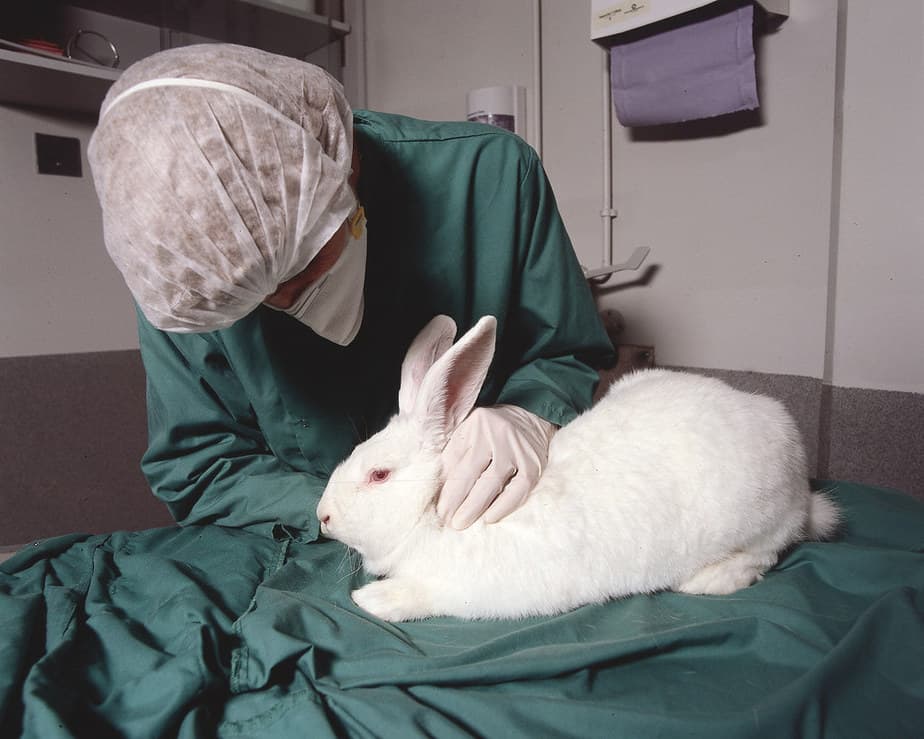
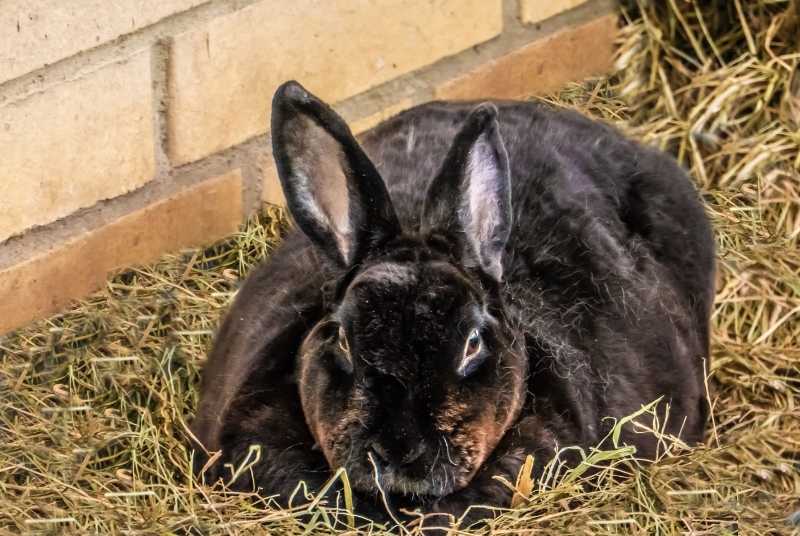
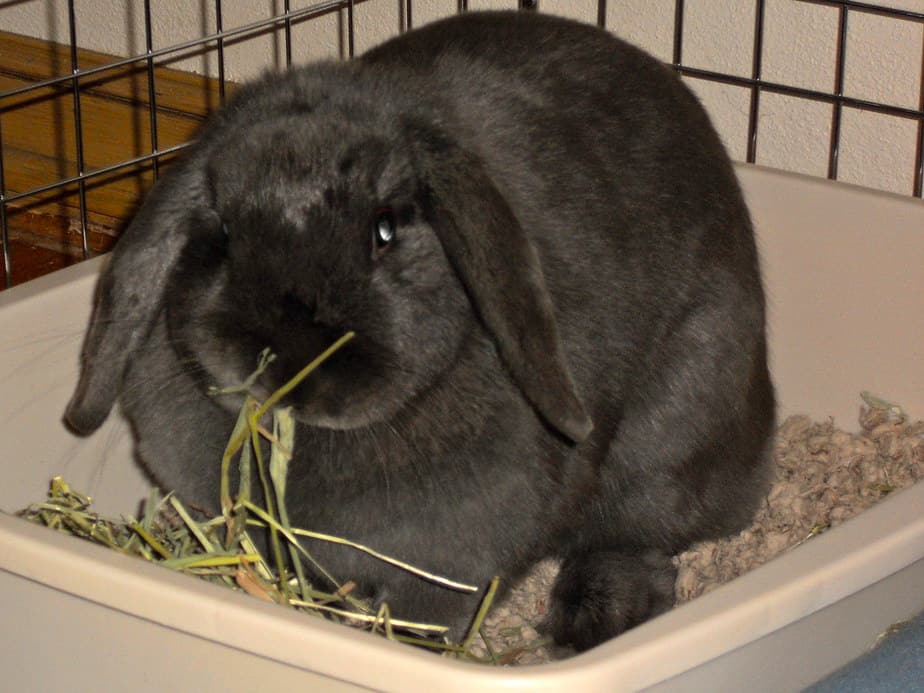
You can tell if your rabbit is dehydrated by checking for dark, strong-smelling urine, performing a skin tent test on the scruff of the neck, and watching for lethargy, loss of appetite, or dry gums. Dehydration in rabbits is a serious condition that can escalate within hours, so recognizing the warning signs early is critical. As breeders, we have lost rabbits to dehydration-related complications, and most of those cases could have been caught sooner with a quick daily check.
A rabbit's body is roughly 60 to 70 percent water, and even a small drop in hydration can disrupt digestion, organ function, and body temperature regulation. Whether the cause is hot weather, illness, or simply a dirty water bottle, the result is the same: your rabbit's health deteriorates fast. Below, we cover every sign of dehydration, how to test for it at home, what causes it, and exactly what to do when you spot it.
What Are the Signs of Dehydration in Rabbits?
Dehydration produces a cluster of symptoms that tend to appear together. Spotting one sign should prompt you to look for the others. Here is a breakdown of every reliable indicator.
Dark or Strong-Smelling Urine
Healthy rabbit urine ranges from pale yellow to light orange. When a rabbit is dehydrated, the kidneys conserve water by producing more concentrated urine. The result is a noticeably darker color, sometimes deep amber or brown, with a sharp ammonia-like smell that is much stronger than normal.
Keep in mind that rabbit urine naturally varies in color depending on diet. Certain vegetables and plants can tint urine red or orange, which is harmless. The key difference with dehydration is the combination of dark color and strong odor. If both are present and your rabbit's water intake seems low, dehydration is the likely cause.
Check how often you change your rabbit's water. Stale or dirty water is one of the most common reasons rabbits reduce their fluid intake. Some rabbits will refuse to drink entirely if the water smells off.
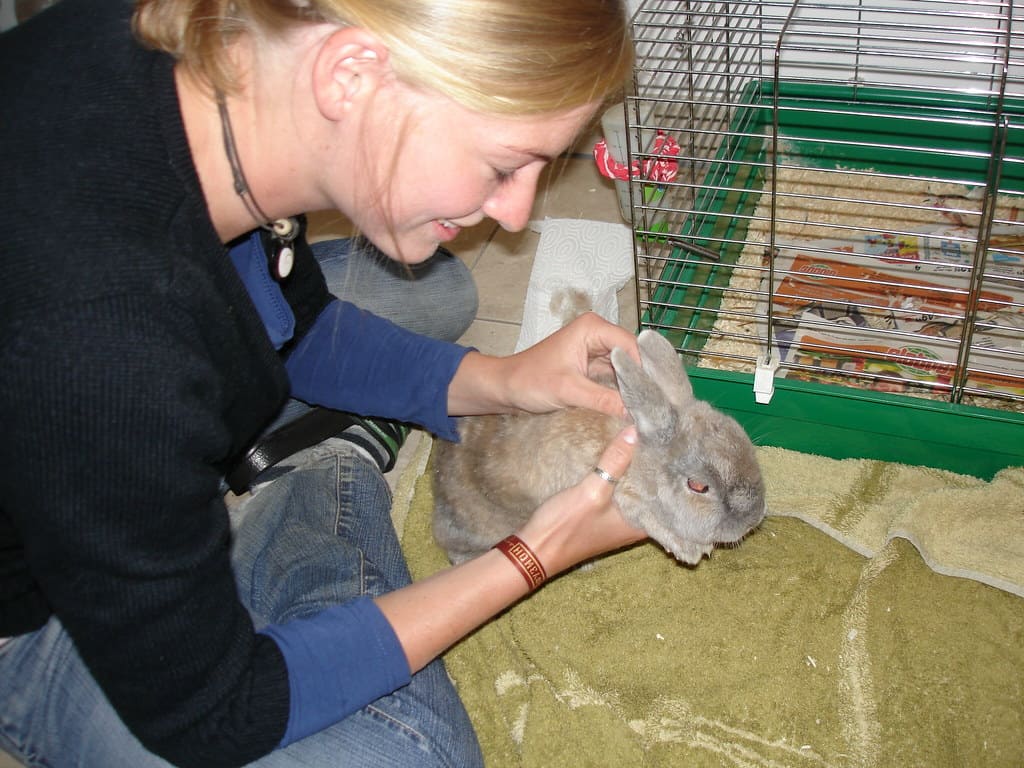
Wrinkled or Tented Skin (The Skin Turgor Test)
The skin turgor test is the fastest and most reliable home check for dehydration. Gently pinch a fold of skin at the back of your rabbit's neck (the scruff area) and release it. In a well-hydrated rabbit, the skin snaps back to its normal position within one to two seconds. In a dehydrated rabbit, the skin stays "tented" or returns to position very slowly, sometimes taking three seconds or longer.
This test works because dehydration reduces the fluid between skin cells, making the tissue less elastic. The longer the skin takes to return, the more severe the dehydration. If the skin stays tented for more than two seconds, your rabbit needs fluids urgently.
A few notes from experience: this test is harder to interpret on overweight rabbits, whose extra subcutaneous fat can mask the tenting. It is also less reliable on very young kits, where skin elasticity is naturally higher. For adult rabbits at a healthy weight, though, the skin turgor test is extremely dependable.
Lethargy and Reduced Activity
A dehydrated rabbit will often sit hunched in one spot, showing little interest in moving, exploring, or playing. This lethargy develops because the circulatory system cannot function efficiently without adequate fluid volume. Blood pressure drops, oxygen delivery to muscles slows, and the rabbit simply does not have the energy to move around.
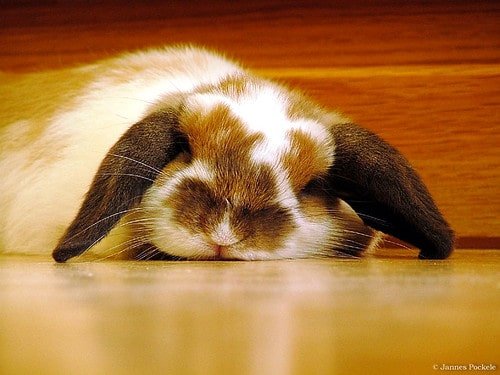
Compare your rabbit's current behavior to its baseline. Every rabbit has a different energy level, but a sudden and noticeable drop, especially when combined with other signs on this list, strongly suggests dehydration. If your rabbit normally binkies around the room in the evening and is now sitting still with half-closed eyes, take that seriously.
Loss of Appetite
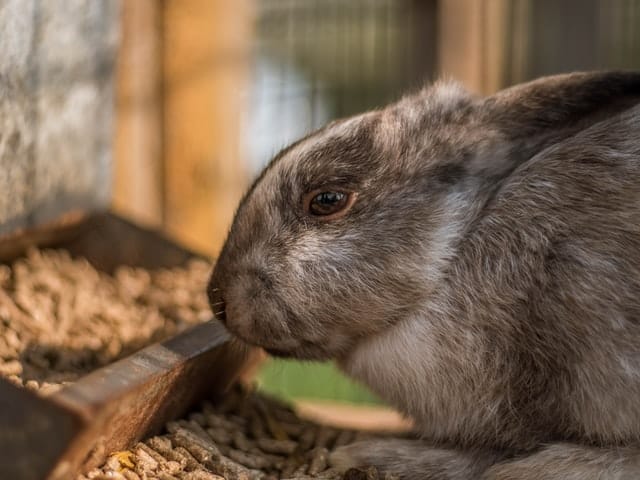
Dehydrated rabbits frequently stop eating, and this creates a dangerous feedback loop. Without food moving through the digestive tract, gut motility slows down, which can lead to gastrointestinal stasis (GI stasis). GI stasis is one of the leading causes of death in pet and breeding rabbits, and it can develop within 12 to 24 hours of a rabbit stopping food intake.
Watch for a rabbit that sniffs at food but walks away, or one that picks at hay half-heartedly without consuming a normal amount. A rabbit that has not eaten anything in 12 hours needs to see a veterinarian immediately, regardless of whether you can confirm dehydration. The combination of no food and no water is a medical emergency.
Fever or Elevated Body Temperature
A normal rabbit body temperature ranges from 101.3 to 104 degrees Fahrenheit (38.5 to 40 degrees Celsius). Dehydration can push temperature above this range because the body loses its ability to regulate heat through normal evaporative processes. A rabbit with a fever on top of dehydration is in serious trouble and needs veterinary attention right away.
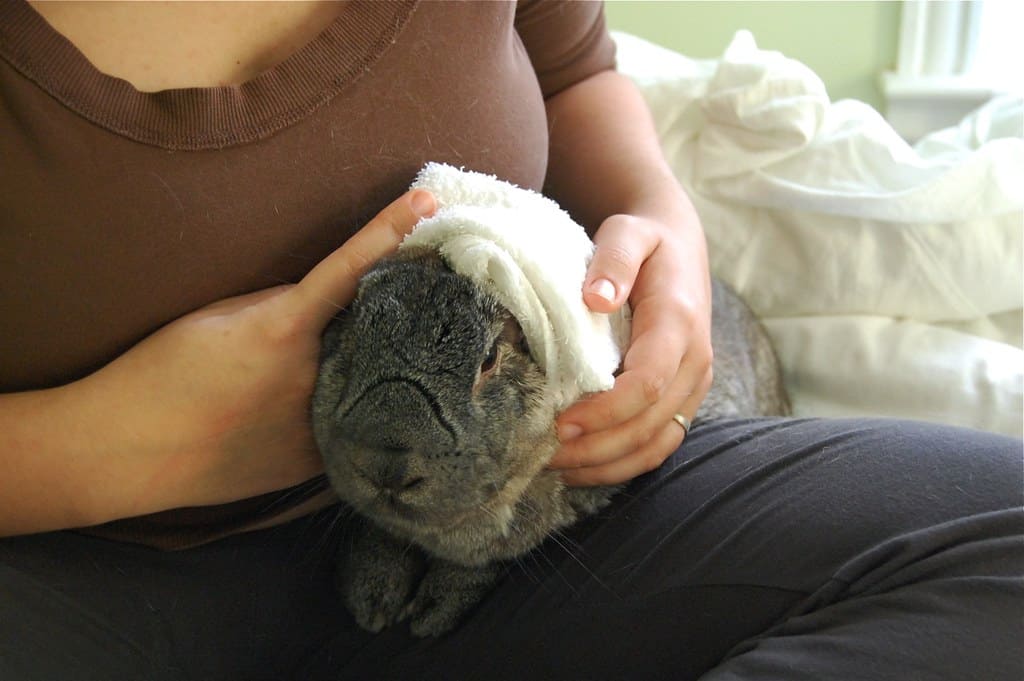
If you have a rectal thermometer designed for small animals, you can check your rabbit's temperature at home. Otherwise, feel your rabbit's ears. While cold ears can indicate other issues, ears that are unusually hot to the touch, combined with other dehydration signs, suggest an elevated temperature.
Dry or Sticky Gums and Mouth
Gently lift your rabbit's lip and touch the gums with a clean finger. In a hydrated rabbit, the gums feel slick and moist. In a dehydrated rabbit, the gums may feel tacky, sticky, or dry. The gum tissue might also appear paler than its normal pink color.
You can also check capillary refill time. Press a finger against the gum for two seconds, then release. The spot should return from white to pink within one to two seconds. A refill time longer than two seconds indicates reduced blood circulation, which is consistent with moderate to severe dehydration.
Sunken Eyes
In cases of moderate to severe dehydration, a rabbit's eyes may appear slightly sunken into the skull. This happens because the fluid cushion behind the eyes decreases. You might also notice that the third eyelid (the nictitating membrane) becomes more visible than usual. Sunken eyes combined with skin tenting indicate that your rabbit is significantly dehydrated and needs emergency care.
Reduced or Absent Fecal Output
Rabbits produce 200 to 300 fecal pellets per day under normal conditions. A dehydrated rabbit produces fewer droppings, and the ones it does produce are often smaller, darker, and harder than normal. In severe cases, fecal output stops entirely, which signals that the gut has slowed or shut down.
If you notice your rabbit is not pooping or producing very few droppings alongside other dehydration symptoms, treat it as an urgent situation. Reduced fecal output and dehydration together almost always mean GI stasis is either developing or already present.
How Do You Test a Rabbit for Dehydration at Home?
You do not need special equipment to check for dehydration. Here are three simple tests you can perform right now:
- Skin turgor test: Pinch the skin at the scruff of the neck. Release it. If it snaps back in under two seconds, hydration is likely adequate. If it stays tented for two seconds or more, dehydration is present.
- Gum check: Lift the lip and feel the gums. Moist and slick means hydrated. Tacky, sticky, or dry means dehydrated. Press a finger to the gum and count how long it takes for color to return. Over two seconds is concerning.
- Urine check: Look at the litter box or cage floor. Dark, concentrated urine with a heavy ammonia smell suggests dehydration. Normal rabbit urine should be pale yellow to light orange with a mild scent.
| Test | Normal Result | Dehydrated Result | Severe Dehydration |
|---|---|---|---|
| Skin turgor | Snaps back in under 1 second | Returns in 2-3 seconds | Stays tented 4+ seconds |
| Gum moisture | Slick, wet gums | Tacky, slightly dry | Very dry, pale gums |
| Capillary refill | Under 2 seconds | 2-3 seconds | Over 3 seconds |
| Urine color | Pale yellow to light orange | Dark amber, strong smell | Very little or no urine |
| Fecal output | 200-300 pellets/day | Fewer, smaller, harder | No droppings at all |
If two or more of these tests show dehydrated results, your rabbit needs help. Mild dehydration can sometimes be addressed at home (see below), but moderate to severe dehydration requires a veterinarian.
What Causes Dehydration in Rabbits?
Understanding the root cause helps you both treat the current episode and prevent future ones. Here are the most common causes we see in our rabbitry and in the broader breeding community.
Diarrhea or Soft Stools
Diarrhea is the leading cause of rapid dehydration in rabbits. True diarrhea (watery, unformed stool) is a medical emergency on its own. The rabbit loses water faster than it can drink, and dehydration sets in within hours. Young kits with diarrhea can become critically dehydrated in as little as two to four hours.
Do not confuse true diarrhea with cecotropes (soft, grape-like clusters that rabbits normally produce and re-ingest). Uneaten cecotropes are not diarrhea, though they can indicate dietary issues. True diarrhea is liquid stool that soaks into bedding.
Dirty or Inaccessible Water
This is the most preventable cause. Rabbits are surprisingly picky about their water. A bottle with algae buildup, a crock that has been tipped over, or water that has been sitting in the sun and grown warm can all cause a rabbit to reduce or stop drinking. In multi-rabbit setups, dominant rabbits can also block others from accessing the water source.
We recommend checking water sources twice daily, especially in summer. If you use bottles, make sure the ball bearing moves freely. If you use crocks, clean them daily and anchor them so they cannot tip. Providing both a bottle and a crock gives rabbits options and reduces the risk of a single failure point leaving them without water.
Hot Weather
Rabbits do not sweat and can only dissipate heat through their ears and by breathing faster. When ambient temperatures exceed 80 degrees Fahrenheit (27 degrees Celsius), rabbits lose moisture rapidly through respiration. The ideal temperature range for rabbits is 60 to 70 degrees Fahrenheit (15 to 21 degrees Celsius). Above that range, water consumption needs to increase significantly, and dehydration risk climbs.
During heat waves, consider adding ice cubes to water crocks, placing frozen water bottles in the cage for rabbits to lean against, and ensuring adequate ventilation. Outdoor rabbits in direct sun are at the highest risk.
Illness or Pain
Any condition that causes pain or nausea can reduce a rabbit's willingness to eat and drink. Dental disease is a major culprit, because overgrown teeth or spurs make it painful to chew and swallow. Urinary tract infections, kidney disease, and liver problems can all disrupt fluid balance even when the rabbit is still drinking.
If your rabbit has access to fresh, clean water and is still showing signs of dehydration, an underlying illness is the most likely explanation. A veterinary exam with bloodwork is the only way to identify these hidden causes.
Post-Surgery Recovery
Rabbits recovering from surgery, especially spaying or neutering, often eat and drink less during the first 24 to 48 hours. This is normal to a degree, but you should monitor closely. If your rabbit will not eat after being spayed, dehydration may already be setting in. Offer water via syringe if the rabbit refuses to drink on its own, and contact your vet if intake does not improve within 12 hours.
What Should You Do If Your Rabbit Is Dehydrated?
Your response depends on the severity. Here is a step-by-step approach for each level.
Mild Dehydration (Skin Returns in 2-3 Seconds, Still Alert)
- Replace the water with fresh, room-temperature water immediately.
- Offer water-rich vegetables like cucumber, romaine lettuce, or celery to increase fluid intake through food.
- If the rabbit will not drink from a bowl or bottle, use a needleless syringe to gently offer small amounts of water (2 to 3 mL at a time) into the side of the mouth. Go slowly to avoid aspiration.
- Add a tiny amount of unsweetened fruit juice (apple or cranberry) to the water to encourage drinking. Use no more than one teaspoon per cup of water.
- Monitor closely over the next two to four hours. If the rabbit begins drinking normally and urine output improves, continue monitoring for 24 hours.
Moderate Dehydration (Skin Tented 3-4 Seconds, Lethargic)
- Begin syringe-feeding water immediately: 2 to 3 mL every 10 to 15 minutes.
- Contact your veterinarian and arrange a same-day appointment.
- Keep the rabbit in a cool, quiet environment. Avoid handling more than necessary.
- The vet will likely administer subcutaneous fluids (a fluid injection under the skin) to rapidly restore hydration.
Severe Dehydration (Skin Stays Tented 4+ Seconds, Not Eating, Sunken Eyes)
- This is a medical emergency. Get to a rabbit-savvy veterinarian immediately.
- The vet will administer IV or subcutaneous fluids and investigate the underlying cause.
- Do not delay by trying home remedies. Severe dehydration can lead to organ failure and death within hours.
How Much Water Does a Rabbit Need Daily?
A healthy rabbit drinks approximately 50 to 150 mL of water per kilogram of body weight per day. For a typical 2 kg (4.4 lb) rabbit, that translates to 100 to 300 mL (roughly 3.5 to 10 ounces) daily. Larger breeds drink proportionally more.
| Rabbit Weight | Minimum Daily Water | Maximum Daily Water |
|---|---|---|
| 1 kg (2.2 lb) | 50 mL (1.7 oz) | 150 mL (5 oz) |
| 2 kg (4.4 lb) | 100 mL (3.4 oz) | 300 mL (10 oz) |
| 3 kg (6.6 lb) | 150 mL (5 oz) | 450 mL (15 oz) |
| 4 kg (8.8 lb) | 200 mL (6.8 oz) | 600 mL (20 oz) |
| 5 kg (11 lb) | 250 mL (8.5 oz) | 750 mL (25 oz) |
Water intake varies based on diet, temperature, activity level, and whether the rabbit is pregnant or nursing. Nursing does can drink two to three times their normal intake. Rabbits that eat a lot of fresh greens get some moisture from food, so their direct water consumption may be slightly lower.
If you notice your rabbit drinking a lot more water than usual, that can also be a warning sign of diabetes, kidney disease, or other health issues. Both extremes warrant attention.
How Can You Prevent Dehydration in Rabbits?
Prevention is always easier than treatment. These are the practices we follow in our own rabbitry to keep dehydration incidents close to zero.
- Fresh water twice daily: Dump, rinse, and refill water crocks or bottles every morning and evening. In hot weather, increase to three times daily.
- Clean containers weekly: Scrub bottles and crocks with a bottle brush and white vinegar weekly to prevent algae and biofilm buildup.
- Multiple water sources: Provide at least two water access points per cage or pen. If one fails or gets contaminated, the rabbit still has a backup.
- Temperature management: Keep rabbits in a climate-controlled environment or provide shade, ventilation, and cooling aids (frozen bottles, ceramic tiles) when temperatures exceed 80 degrees Fahrenheit.
- Daily health checks: Spend 30 seconds per rabbit each day doing a visual check: are the eyes bright, is the water level dropping normally, is fecal output consistent?
- Water-rich veggies: Include cucumber, romaine lettuce, or celery in the daily vegetable rotation. These provide supplemental hydration alongside direct water intake.
- Monitor after illness or surgery: Any rabbit recovering from an illness, procedure, or stressful event (bonding, transport, rehoming) should be monitored more closely for at least 48 to 72 hours.
Can a Rabbit Die from Dehydration?
Yes. Rabbits can die from dehydration, and it can happen faster than many owners expect. A rabbit that goes without water for 24 hours is already in a dangerous state. At 48 to 72 hours without water, organ failure becomes likely, and death can follow. When dehydration is caused by diarrhea, the timeline is even shorter because fluids are actively being lost.
The most common fatal sequence is: dehydration leads to reduced gut motility, which leads to GI stasis, which leads to bacterial overgrowth and toxin release, which leads to organ failure. This cascade can complete in as little as 24 to 48 hours from the first missed meal.
This is why we stress catching dehydration early. A rabbit with mild dehydration caught on day one can usually be rehydrated at home or with a single vet visit. A rabbit with severe dehydration that has gone unnoticed for two days may not survive even with intensive veterinary care.
Frequently Asked Questions
How long can a rabbit go without water before becoming dehydrated?
Most rabbits begin showing mild dehydration signs after 12 to 24 hours without water. By 24 hours, organ stress begins. Beyond 48 hours, the risk of organ failure and death increases significantly. Never let a rabbit go more than a few hours without access to clean water.
Can I give my rabbit Pedialyte or electrolyte solution?
Unflavored Pedialyte diluted 50/50 with water can be used in an emergency for mild dehydration. Offer 2 to 3 mL via syringe every 15 minutes. However, this is a temporary measure. If your rabbit is not drinking on its own within a few hours, see a veterinarian for subcutaneous fluids.
Is a water bottle or water bowl better for preventing dehydration?
Studies show that rabbits drink more from open bowls than from sipper bottles because bowls allow a more natural drinking posture. We recommend offering both. Bowls should be heavy ceramic to prevent tipping, and bottles serve as a reliable backup if the bowl gets soiled.
Why is my rabbit not drinking water even though it looks clean?
Rabbits have a strong sense of smell. Water that looks clean to you may have traces of cleaning chemicals, minerals from hard water, or plasticizer taste from a new bottle. Try switching to filtered water, using a different container, or offering water in a ceramic bowl if you normally use a plastic bottle.
How quickly can a vet rehydrate a dehydrated rabbit?
A veterinarian can administer subcutaneous fluids in about 5 to 10 minutes during an office visit. The fluids absorb over 2 to 6 hours, and most mildly to moderately dehydrated rabbits show noticeable improvement within 4 to 8 hours. Severe cases may need repeated fluid sessions over several days.
Cite this article:
Cite this article:
BunnySync (March 5, 2026) How To Tell If A Rabbit Is Dehydrated?. Retrieved from https://bunnysync.com/blog/how-to-tell-if-rabbit-is-dehydrated.
"How To Tell If A Rabbit Is Dehydrated?." BunnySync - March 5, 2026, https://bunnysync.com/blog/how-to-tell-if-rabbit-is-dehydrated
Sources and further reading
- Buseth, Marit Emilie., and Richard A. Saunders. Rabbit Behaviour, Health, and Care. CABI, 2014.
- Lebas, F. The Rabbit: Husbandry, Health, and Production. Food and Agriculture Organization of the United Nations, 1997.
- Patry, Karen, et al. The Rabbit-Raising Problem Solver: Your Questions Answered about Housing, Feeding, Behavior, Health Care, Breeding, and Kindling. Storey Publishing, 2014.
- Red Urine: Blood or Plant Pigment?
- Gastrointestinal Stasis: The Silent Killer