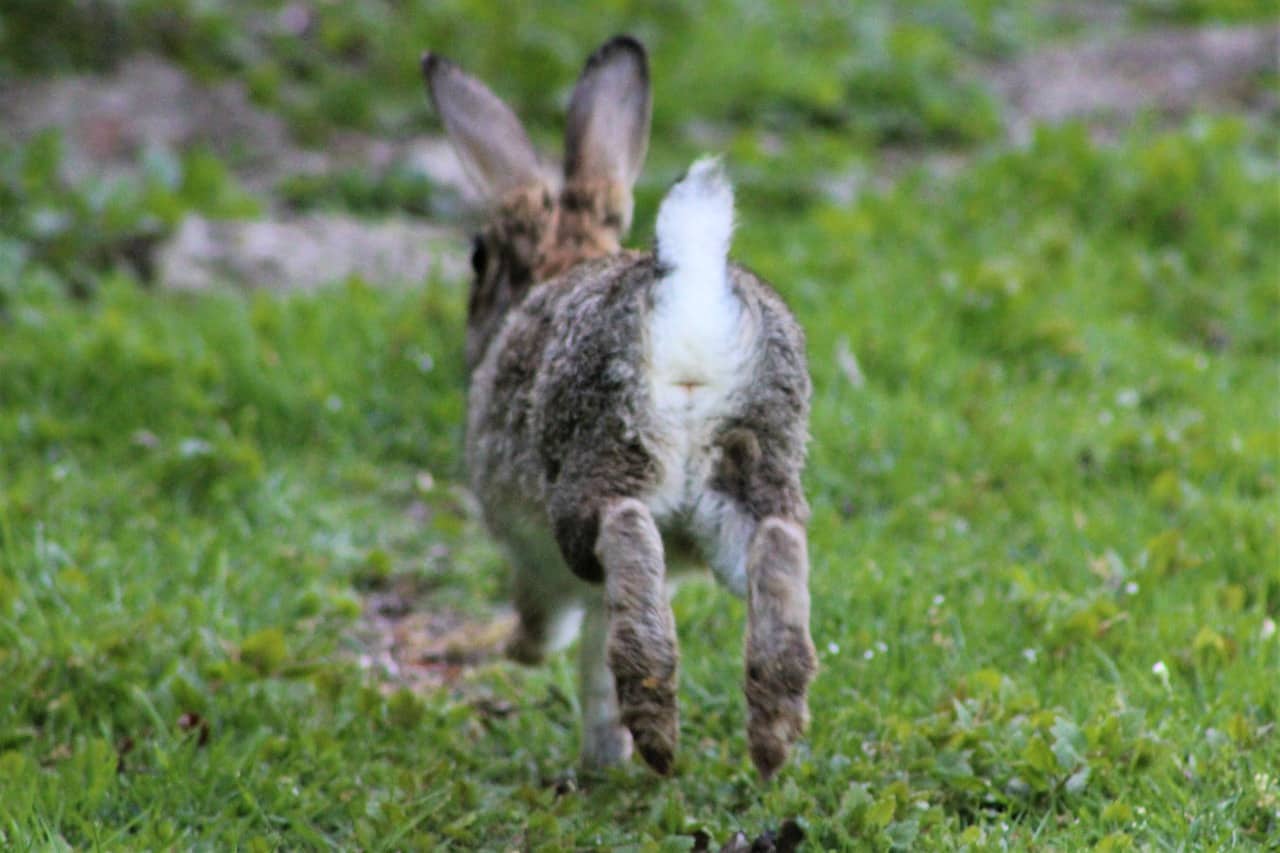
Rabbits move their bedding for several reasons: boredom, nesting instincts during pregnancy, a preference for cooler flat surfaces, attention-seeking behavior, territorial marking, or simply because the bedding type does not suit them. Understanding the specific cause helps you pick the right solution, whether that means providing more enrichment, swapping bedding materials, or preparing a nesting box for a pregnant doe.
As breeders, we see this behavior regularly across different breeds and age groups. Some rabbits are serial bedding movers from day one, while others only start after a change in their environment. Below, we break down every common reason and give you proven fixes that actually work.

Why Do Rabbits Move Their Bedding?
Before you try to fix the behavior, you need to figure out the root cause. Rabbits are creatures of habit, so a sudden change in how they interact with their bedding usually signals something specific. Here are the six most common reasons.
1. Your Rabbit Is Bored and Needs More Stimulation
Rabbits are intelligent, active animals that need mental and physical stimulation every single day. When they do not get enough enrichment, they find their own entertainment. Moving bedding around is one of the easiest ways for a caged rabbit to burn off excess energy.
This is especially common in rabbits that spend most of their time in smaller enclosures without access to toys or regular exercise time outside the cage. A rabbit that is understimulated will often resort to rearranging everything it can reach, including food bowls, water bottles, litter trays, and bedding.
Common signs that boredom is the cause:
- Overgrooming or pulling out their own fur (without being pregnant)
- Chewing on cage bars or wire
- Running in circles inside the cage
- Thumping or making loud noises for no apparent reason
- Aggressive behavior when you approach
- Digging at corners of the enclosure
Solution: Provide at least 3 to 4 hours of free-roam time outside the cage daily. Add chew toys like untreated willow sticks, cardboard tubes, and hay-stuffed toilet paper rolls. Rotate toys weekly so your rabbit does not lose interest. If your rabbit's cage is smaller than 12 square feet, consider upgrading to a larger enclosure or an exercise pen.
2. Your Rabbit Might Be Pregnant

One of the strongest instincts in a pregnant doe is nest building. In the wild, rabbits dig burrows and line them with fur and dried grass to create a safe, warm space for their kits. Domestic rabbits retain this instinct completely.
A pregnant rabbit will typically start moving bedding around 3 to 7 days before giving birth. She may push the bedding to one corner, pull it apart into smaller pieces, or remove it entirely to make room for her nest. You will often see her carrying hay or bedding material in her mouth and arranging it in a specific spot.
Other signs of pregnancy to watch for:
- Pulling fur from her dewlap, chest, or sides
- Increased appetite in the first two weeks, followed by decreased appetite close to kindling
- Territorial or aggressive behavior
- Nesting behavior intensifying as the due date approaches
- Weight gain, especially noticeable after day 14
Rabbit gestation lasts approximately 28 to 33 days, with 31 days being the average. A doe can produce anywhere from 1 to 14 kits per litter, depending on the breed. If you suspect pregnancy, learn the signs of rabbit labor so you can be prepared.
Solution: If your doe is pregnant, remove the regular bedding and provide a proper nesting box. The box should be slightly larger than the doe, with sides about 6 inches high and an opening at one end. Line it with clean hay and place it in a quiet corner of the enclosure. The doe will arrange the hay and add pulled fur to finish the nest herself. Do not disturb the nest once she starts building it.
3. Your Rabbit Prefers a Cooler Flat Surface

Rabbits are more sensitive to heat than most people realize. Their ideal temperature range is 60 to 70 degrees Fahrenheit (15 to 21 degrees Celsius). When the ambient temperature rises above this range, rabbits actively seek out cooler surfaces to regulate their body temperature.
Bedding acts as insulation, trapping heat between the rabbit and the floor. A rabbit that pushes its bedding aside during warm weather is simply trying to cool down by lying directly on the cooler cage floor or tile surface underneath.
This behavior is especially common during:
- Summer months in temperate climates
- Year-round in tropical or subtropical regions
- In rooms with poor ventilation or near heat sources
- When thick fleece or plush bedding is used
Solution: During warm weather, offer your rabbit a ceramic tile, marble slab, or frozen water bottle wrapped in a towel to lie against. Ensure the enclosure has good airflow and is not in direct sunlight. You can also switch to thinner bedding materials during summer, such as a single layer of cotton towel instead of thick fleece. If your rabbit consistently pushes bedding away regardless of temperature, it may simply prefer hard surfaces, and that is perfectly fine as long as the surface is not wire mesh.
4. Your Rabbit Wants Attention

Rabbits are social animals that form strong bonds with their owners. When they feel neglected or want interaction, they find ways to get your attention. Moving bedding, tossing food bowls, and rattling cage bars are all common attention-seeking behaviors.
You can tell this is the cause if your rabbit:
- Stops moving bedding the moment you approach
- Comes to the front of the cage and nudges your hand
- Makes soft honking or grunting sounds when you are nearby
- Binkies (jumps and twists) when you let them out
- Follows you around the room during free-roam time
Solution: Spend at least 15 to 20 minutes of dedicated one-on-one time with your rabbit daily, separate from feeding and cleaning routines. Sit on the floor at their level and let them come to you. Pet them on the forehead and behind the ears. If you work long hours, consider getting a bonded companion rabbit so your rabbit has social interaction throughout the day.
5. The Bedding Material Is Wrong for Your Rabbit
Not all bedding is created equal, and rabbits have strong preferences. Some rabbits dislike the texture of fleece liners. Others find wood shavings irritating to their respiratory system. If your rabbit consistently pushes bedding to one spot or bunches it up, the material itself might be the problem.
Common bedding issues:
| Bedding Type | Common Problems | Better Alternative |
|---|---|---|
| Cedar or pine shavings | Aromatic oils irritate airways | Kiln-dried pine or paper-based bedding |
| Thick fleece blankets | Too warm, traps odor | Cotton towels or thin fleece liners |
| Newspaper alone | Slippery, ink may stain fur | Newspaper topped with hay |
| Straw | Poky, less absorbent than hay | Timothy or orchard grass hay |
According to the House Rabbit Society, the best bedding options for domestic rabbits are paper-based bedding, hay, or washable cotton or fleece liners, depending on your rabbit's preference and your climate.
Solution: Try different bedding materials one at a time and observe your rabbit's reaction over 3 to 5 days. If your rabbit stops moving the new bedding, you have found a winner. Also make sure bedding is safe and appropriate for rabbits, as some materials can cause digestive blockages if ingested.
6. Territorial Behavior and Scent Marking
Rabbits are territorial animals. They use chin rubbing, urine marking, and rearranging objects to establish ownership of their space. Moving bedding around is one way rabbits "redecorate" their territory to spread their scent and feel more secure.
This behavior is more common in:
- Unspayed or unneutered rabbits
- Rabbits that recently moved to a new enclosure
- Multi-rabbit households where one rabbit can smell another nearby
- Situations where you have recently washed or replaced the bedding
Solution: Avoid washing all bedding at once. Instead, rotate pieces so some familiar scent always remains. When cleaning the enclosure, leave a small amount of used bedding mixed in with the fresh material. Spaying or neutering significantly reduces territorial behaviors in most rabbits, typically within 4 to 8 weeks after the procedure.
How to Stop Your Rabbit from Moving Their Bedding

Once you have identified the reason, here are practical strategies that work:
- Clip or secure the bedding. Use binder clips or safety pins to attach fleece liners to the cage base. This prevents your rabbit from bunching or dragging the bedding around.
- Use a heavier bedding mat. Anti-fatigue mats or thick rubber-backed bath mats are harder for rabbits to move and provide comfortable cushioning.
- Provide a designated digging area. Fill a shallow cardboard box with shredded paper or hay. This gives your rabbit an appropriate outlet for digging and rearranging instincts.
- Increase exercise time. A tired rabbit is less likely to spend energy moving bedding. Aim for minimum 3 hours of daily free-roam time.
- Add more enrichment. Tunnels, platforms, and foraging toys redirect your rabbit's energy away from bedding destruction.
What Are the Best Alternatives to Traditional Rabbit Bedding?

If your rabbit keeps moving their bedding no matter what you try, consider these alternatives:
- Washable fleece liners: Cut to fit your cage exactly and secure with clips. Easy to wash and reuse.
- Cotton bath towels: Budget-friendly and easy to replace. Avoid towels with loose loops that rabbits can snag their nails on.
- Grass mats: Woven seagrass or Timothy grass mats provide a natural surface that rabbits enjoy and can safely chew.
- Ceramic tiles: Perfect for warm climates. Place them in one section of the enclosure as a cool resting spot.
- Paper-based bedding: Brands like Carefresh are dust-free, absorbent, and safe if ingested in small amounts.
For a complete guide to setting up your rabbit's hutch with everything they need, including the right bedding, check our detailed setup guide.
Should You Let Your Rabbit Move Their Bedding?

In most cases, yes. Moving bedding is a normal rabbit behavior and is not harmful in itself. Rabbits are natural arrangers and diggers, and allowing them to express these instincts is actually good for their mental health.
You should only intervene if:
- Your rabbit is destroying the bedding and eating large pieces of fabric or synthetic material
- The bedding is ending up in the water bowl or litter tray, creating hygiene issues
- Your rabbit is standing on bare wire mesh after moving the bedding, which can cause sore hocks (pododermatitis)
- The behavior is paired with other signs of depression or stress, indicating a deeper problem
If your rabbit moves bedding occasionally and seems otherwise happy, healthy, and active, there is no reason to worry. It is just your rabbit being a rabbit.
Can Rabbits Sleep on the Floor Without Bedding?
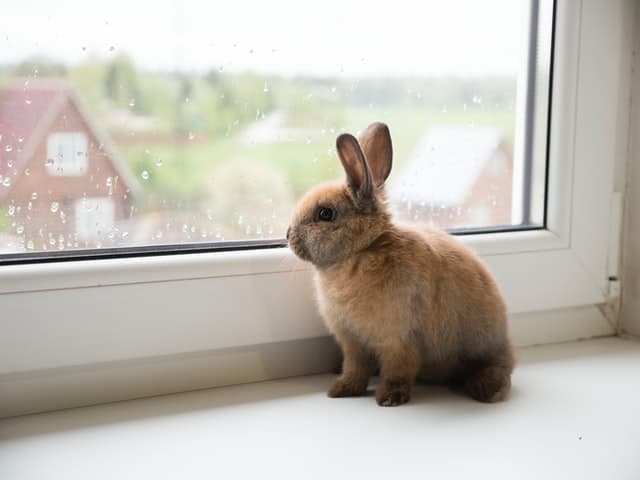
Yes, rabbits can safely sleep on a solid floor without bedding. Many rabbits actually prefer it, especially during warmer months. The key requirement is that the surface must be solid, not wire mesh. Wire flooring puts constant pressure on a rabbit's hock joints and can lead to painful ulcers known as sore hocks.
Suitable solid flooring options include:
- Smooth plastic cage bottoms
- Ceramic or stone tiles
- Vinyl or linoleum sheets
- Sealed wood (unsealed wood absorbs urine and harbors bacteria)
If your rabbit's enclosure has wire flooring, always provide at least one solid resting area, even if your rabbit has pushed all bedding aside. A simple ceramic tile or a piece of untreated plywood gives your rabbit a safe place to rest without bedding. According to the American Veterinary Medical Association (AVMA), solid flooring with appropriate bedding substrate is recommended for optimal rabbit welfare.
Frequently Asked Questions
Why does my rabbit push bedding into one corner?
Rabbits often push bedding into one corner to create a designated sleeping area separate from their eating and bathroom spots. This is natural organizational behavior. Rabbits instinctively divide their living space into zones, and moving bedding helps them establish boundaries between resting, eating, and elimination areas.
Why does my rabbit move bedding at night?
Rabbits are crepuscular, meaning they are most active at dawn and dusk. Nighttime bedding rearrangement often happens during their early evening activity peak. If the noise bothers you, provide extra toys and enrichment during evening hours to redirect their energy toward quieter activities.
Does moving bedding mean my rabbit is unhappy?
Not necessarily. Bedding rearrangement alone is normal rabbit behavior. It only signals unhappiness when combined with other symptoms like loss of appetite, lethargy, excessive hiding, aggression, or overgrooming. If you notice multiple concerning behaviors together, consult a rabbit-savvy veterinarian.
How often should I change my rabbit's bedding?
Spot-clean soiled areas daily and do a full bedding change every 3 to 7 days, depending on the bedding type and how many rabbits share the enclosure. Paper-based bedding typically needs changing more frequently than washable fleece liners, which can be laundered weekly.
Can I use cat litter as rabbit bedding?
Only paper-based or wood pellet cat litters are safe for rabbits. Never use clumping clay litter, crystal litter, or scented varieties. Clumping litter can cause fatal intestinal blockages if ingested, and scented litters irritate a rabbit's sensitive respiratory system.
Cite this article:
Cite this article:
BunnySync (March 6, 2026) Why Do Rabbits Move Their Bedding? 6 Reasons and Solutions. Retrieved from https://bunnysync.com/blog/why-do-rabbits-move-their-bedding.
"Why Do Rabbits Move Their Bedding? 6 Reasons and Solutions." BunnySync - March 6, 2026, https://bunnysync.com/blog/why-do-rabbits-move-their-bedding