Most rabbits can be litter trained in 1 to 2 weeks when you use the right technique, the right litter box setup, and especially if your rabbit is spayed or neutered. Some rabbits pick it up in just a few days, while stubborn or unneutered rabbits may take a month or more. As breeders, we have litter trained dozens of rabbits over the years, and the biggest factor by far is whether the rabbit has been fixed.
Below, we break down exactly what affects the timeline, give you a step-by-step training method that actually works, and cover every common problem you might run into along the way.
What Affects How Long Litter Training Takes?
Not every rabbit learns at the same speed. Here are the four main factors that determine whether your rabbit will be litter trained in days or weeks.
Spay and Neuter Status
This is the single biggest factor. Intact rabbits (not spayed or neutered) develop hormonal behaviors once they hit sexual maturity, usually between 3 and 6 months old. They start spraying urine on walls, cage bars, and even you. They scatter droppings everywhere to mark territory. Litter training an intact rabbit is like trying to teach a toddler table manners during a sugar rush.
Once a rabbit is spayed or neutered, these hormonal urges drop dramatically. Most fixed rabbits settle into reliable litter habits within 1 to 2 weeks of consistent training. If your rabbit is not yet fixed and you are struggling with litter training, getting them spayed or neutered will make the biggest difference.
Age of the Rabbit
Baby rabbits under 8 weeks old have very short attention spans and almost no bladder control. Trying to litter train a kit that young is usually a waste of time. The sweet spot for starting litter training is around 3 to 4 months old for intact rabbits, or immediately after recovery from spay/neuter surgery.
Older rabbits are actually easier to litter train than young ones. Adult rabbits are calmer, more habitual, and if they are already fixed, they tend to pick a single corner for their business on their own. Many older rescue rabbits can be trained in under a week.
Personality and Breed
Just like people, rabbits have individual personalities. Some are naturally tidy and gravitate toward a litter box with almost no encouragement. Others are more scattered and need consistent reinforcement over several weeks. Breed plays a minor role too. Larger breeds like Flemish Giants tend to be more laid-back and easier to train, while smaller, high-energy breeds can be a bit more challenging.
Environment and Space
Rabbits that have too much space too soon are harder to train. If you give an untrained rabbit free roam of an entire room, they will pick multiple spots to use as bathrooms. Starting with a smaller enclosed area and gradually expanding their territory as they prove reliable is much more effective.

Realistic Litter Training Timeline
Here is a general timeline based on our experience training rabbits across different ages and situations:
| Rabbit Type | Expected Training Time | Notes |
|---|---|---|
| Spayed/neutered adult (6+ months) | 3 to 10 days | Fastest group; most learn within the first week |
| Spayed/neutered young rabbit (3-6 months) | 1 to 2 weeks | Slightly shorter attention span but hormones are managed |
| Intact adult rabbit | 2 to 4+ weeks | Territorial spraying makes training much harder |
| Intact young rabbit (under 4 months) | 2 to 6+ weeks | May need to restart training after puberty hits |
| Older rescue rabbit (1+ years, fixed) | 3 to 7 days | Often the easiest; already have established habits |
Keep in mind that "fully trained" does not mean zero accidents forever. Even well-trained rabbits may have occasional misses during stressful events like a cage move, a new companion, or an illness. That is normal and does not mean you need to start over from scratch.
How To Litter Train a Rabbit: Step-by-Step
This is the method we use in our rabbitry and recommend to every new rabbit owner. It works for both young and older rabbits.
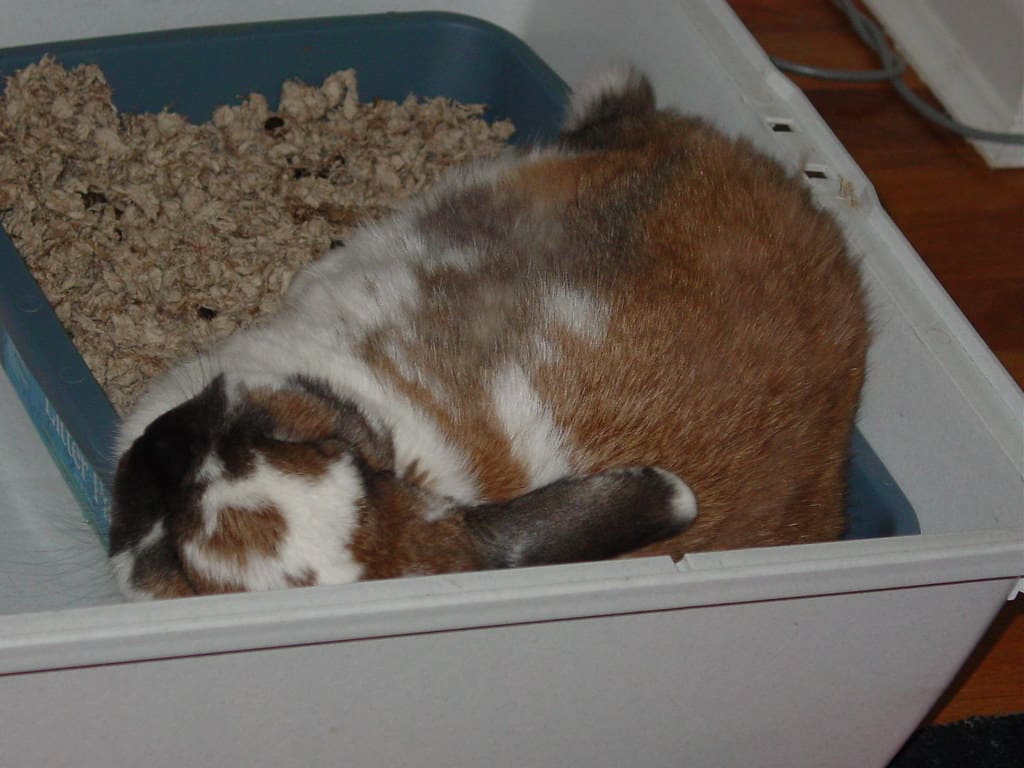
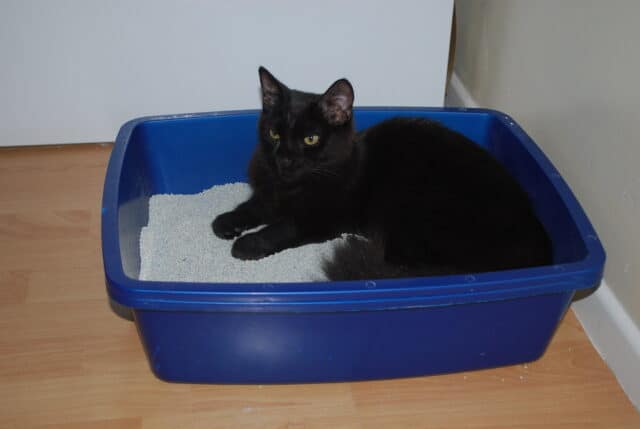
- Choose the right litter box. Get a box that is large enough for your rabbit to sit in comfortably with room to turn around. A properly sized litter box is critical. Corner boxes work for small breeds, but medium and large breeds need a cat-sized pan.
- Use rabbit-safe litter only. Never use clumping clay cat litter for rabbits. It can cause deadly intestinal blockages if ingested. Safe options include paper-based litter (like Carefresh), kiln-dried pine pellets, or aspen shavings. Avoid cedar shavings and scented products.
- Add hay to the litter box. Rabbits like to eat and poop at the same time. Placing a generous layer of timothy hay on top of the litter, or positioning a hay rack right next to the box, encourages your rabbit to spend time sitting in it.
- Observe where your rabbit goes naturally. Before you start training, watch where your rabbit chooses to urinate. Rabbits are creatures of habit and almost always pick one corner. Place the litter box in that exact spot.
- Transfer scent markers to the box. Pick up any stray poop pellets and place them in the litter box. If your rabbit urinates outside the box, blot it up with a paper towel and place the towel in the box. Then clean the accident spot thoroughly with white vinegar to remove the scent.
- Start in a small area. Confine your rabbit to a pen, large cage, or one small room with the litter box inside. Only expand their space once they are consistently using the box for at least a few days.
- Gradually expand territory. Once your rabbit is using the box reliably, open up a little more space. If accidents start happening in the new area, scale back and give them more time. You can add a second litter box in the new area if needed.
- Reward good behavior. When you see your rabbit hop into the litter box and use it, give them a small treat or gentle praise. Positive reinforcement works far better than punishment. Never yell at or hit a rabbit for accidents.
What Is the Best Litter for Rabbit Training?
The type of litter you use matters more than most people realize. Rabbits will nibble on their litter, so it must be safe if ingested. Here is a comparison of common options:
| Litter Type | Safe? | Absorbency | Odor Control | Cost |
|---|---|---|---|---|
| Paper-based (Carefresh, So Phresh) | Yes | High | Good | $$ |
| Kiln-dried pine pellets | Yes | Very high | Excellent | $ |
| Aspen shavings | Yes | Moderate | Fair | $ |
| Clumping clay cat litter | No, dangerous | High | Good | $$ |
| Cedar shavings | No, toxic phenols | Moderate | Good | $ |
| Scented cat litter | No | High | Artificial | $$ |
We recommend kiln-dried pine pellets for most rabbit owners. They are the most cost-effective option, absorb urine extremely well, and naturally control odor. You can buy them in bulk at farm supply stores for a fraction of the cost of pet store litter.
No matter which litter you choose, change it regularly to keep the box clean and inviting. A dirty litter box is one of the most common reasons a trained rabbit starts having accidents again.
Common Litter Training Problems and How To Fix Them
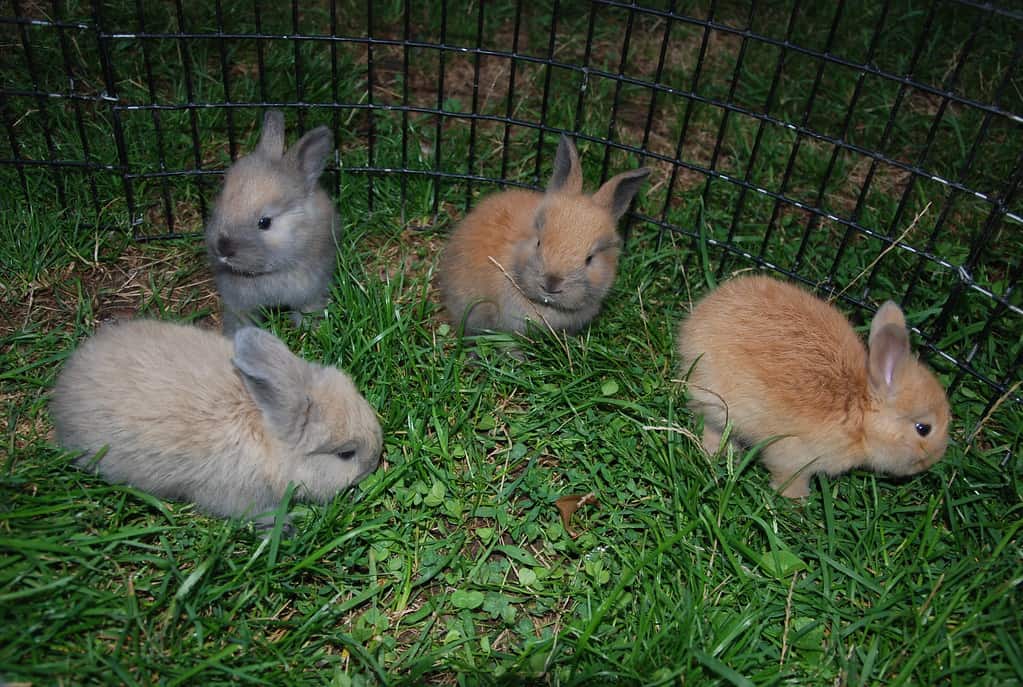
Rabbit Sprays Urine on Cage Walls
Spraying is a territorial behavior caused by hormones. If your rabbit lifts its tail and shoots urine sideways onto walls, cage bars, or furniture, it is almost certainly intact (not spayed or neutered). This behavior starts at sexual maturity, around 3 to 6 months old.
The solution is to get your rabbit spayed or neutered. Within 4 to 8 weeks after surgery, hormonal spraying usually stops completely. In the meantime, placing litter boxes with high backs or splash guards along the walls where your rabbit sprays can help contain the mess.
Rabbit Poops Outside the Litter Box
There is an important distinction between the two types of rabbit droppings. Hard, round fecal pellets scattered around your rabbit's space are territorial markers, not accidents. Even well-trained rabbits will leave some pellets outside the box, especially in a new area. This is normal and decreases over time.
If your rabbit is pooping everywhere in large quantities, or if they were previously trained and suddenly stopped using the box, check for a medical issue first. Urinary tract infections, E. cuniculi, arthritis, and GI stasis can all disrupt litter habits.
Rabbit Was Trained but Suddenly Stopped Using the Box
Regression is frustrating but common. Here are the most frequent causes:
- New environment. Moving to a new home, a new cage, or even rearranging furniture can reset your rabbit's litter habits. Go back to confining them to a small space with the box and retrain from there.
- Puberty. If your rabbit is intact and hits sexual maturity, expect litter training to fall apart. Spaying or neutering is the only reliable fix.
- New companion. Introducing a second rabbit triggers territorial behavior. Both rabbits may mark more heavily until they are fully bonded.
- Dirty litter box. If you are not cleaning the box frequently enough, your rabbit may start avoiding it. Clean the box at least every other day, or daily for multiple rabbits.
- Medical issues. Pain from arthritis can make it hard for a rabbit to climb into the box. Bladder sludge, infections, or kidney problems can cause incontinence. If regression comes on suddenly, see a rabbit-savvy veterinarian.
- Changed litter brand. Rabbits notice when you switch their litter. If you need to change brands, do it gradually by mixing the old and new together over a week or two.
Rabbit Pees Right Next to the Litter Box
This usually means the box is in the right spot but something about it is wrong. Common causes include a box that is too small, litter that is too deep (rabbits prefer a thin layer, about 1 inch), a box with sides that are too high for the rabbit to enter easily, or litter that has a strong scent the rabbit dislikes.
Why Litter Training Your Rabbit Is Worth the Effort
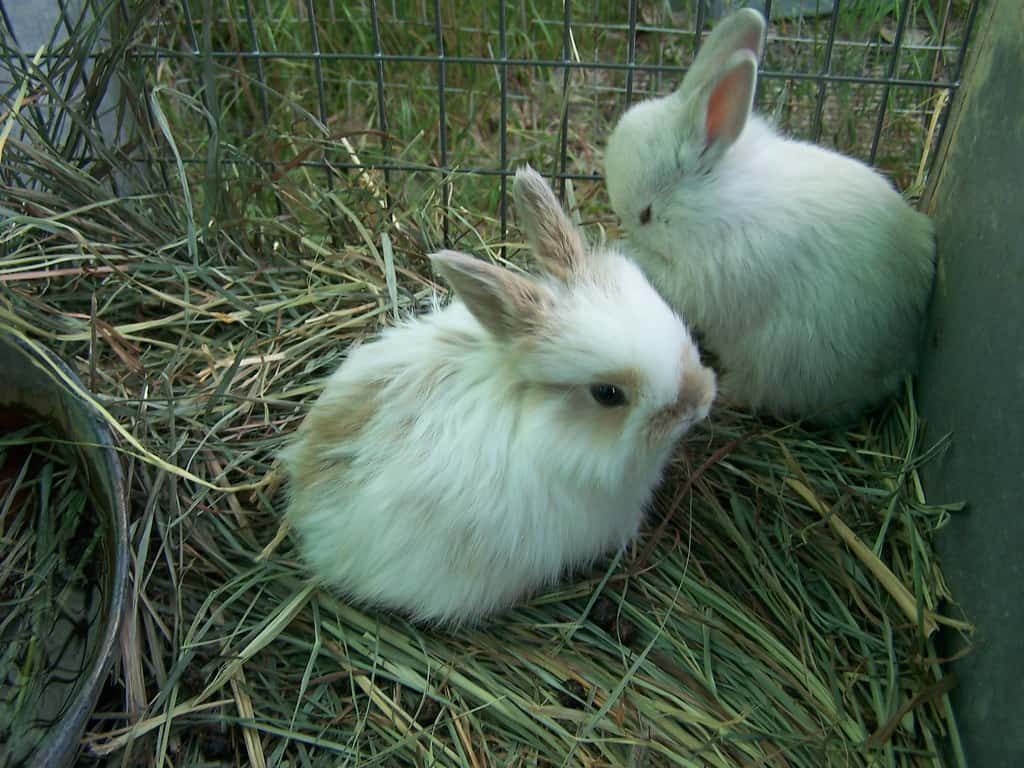
Litter training is not just a convenience for you. It genuinely improves your rabbit's quality of life.
- Cleaner living space. A litter-trained rabbit keeps their cage, hutch, or pen much cleaner. You spend less time scrubbing and your rabbit lives in a more hygienic environment.
- Better odor control. Rabbit urine has a strong ammonia smell, especially from intact males. Containing it in a litter box that you clean regularly makes a huge difference in how your home smells.
- More freedom for your rabbit. A litter-trained rabbit can be given supervised (or even unsupervised) free-roam time in your home. Rabbits that are not trained end up confined to their cage more often, which is less enriching.
- Easier health monitoring. When all of your rabbit's urine and droppings are in one place, it is much easier to notice changes that could signal health problems, like blood in the urine, smaller droppings, or diarrhea.
- Happier rabbit. Rabbits are naturally clean animals. They prefer to keep their living area tidy. A rabbit with a well-maintained litter box is a less stressed, more content rabbit.
Can You Litter Train an Old Rabbit?
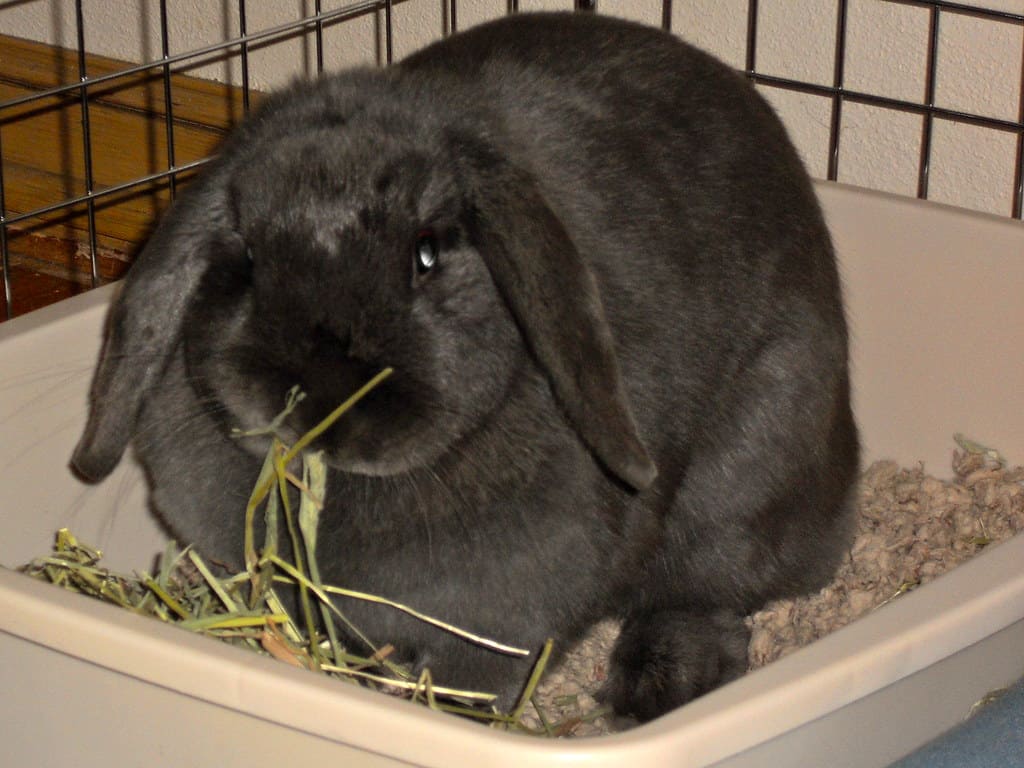
Yes, and older rabbits are often easier to train than young ones. Adult rabbits (especially those over 1 year old) are calmer, more settled in their habits, and less prone to the hormonal chaos that makes training young, intact rabbits so difficult.
If you have adopted a senior rabbit that was never litter trained, follow the same steps outlined above. Start with a confined space, observe where they naturally go, and place the box there. Most older, fixed rabbits will catch on within a week. The only exception is rabbits with arthritis or other mobility issues. For these rabbits, use a litter box with a very low entry point (you can cut down one side of a plastic storage bin) so they can step in without pain.
Tips From Breeders for Faster Litter Training
After years of breeding and training rabbits, here are some additional tips that can speed up the process:
- One box per area. If your rabbit has access to multiple rooms or a large pen, place one litter box in each area. You can reduce the number once they consistently use their favorite one.
- Do not punish accidents. Rabbits do not understand punishment. Yelling, clapping, or squirting water will just make your rabbit afraid of you, not more likely to use the box.
- Use white vinegar for cleanup. Regular household cleaners may not fully remove the urine scent. White vinegar neutralizes the ammonia and removes the "marker" that tells your rabbit to pee there again.
- Keep hay in or near the box always. Rabbits graze while they use the bathroom. An empty box with no hay is far less appealing.
- Be patient after spay/neuter. Hormonal changes take 4 to 8 weeks to fully settle after surgery. Do not expect instant improvement. The recovery period after spaying requires patience in general.
- Watch for patterns. If your rabbit keeps choosing the same wrong spot, just move the box there. It is easier to work with your rabbit's instincts than against them.
How To Maintain Good Litter Habits Long-Term
Once your rabbit is trained, maintaining those habits is straightforward. Clean the litter box every 1 to 3 days, depending on how many rabbits use it. Replace the litter completely at least once a week. Keep the same brand and type of litter; rabbits notice changes and may protest by peeing elsewhere.
If you need to rearrange your rabbit's space or move to a new home, temporarily confine them to a smaller area with their litter box until they re-establish their habits in the new setting. Most rabbits adjust within a few days.
Monitor your rabbit's output regularly. Changes in urine color, droppings size, or frequency can be early signs of health issues. A litter box makes this kind of health monitoring much simpler.
Frequently Asked Questions
Can you litter train a rabbit in one day?
It is very unlikely that a rabbit will be fully litter trained in a single day. Some rabbits start using the box on day one, but consistent, reliable use typically takes at least 3 to 7 days with a spayed or neutered rabbit. Be patient and keep reinforcing the behavior.
Why does my rabbit pee right next to the litter box?
This usually means the litter box itself has an issue. It may be too small, the sides may be too high to enter easily, or the litter type may be one your rabbit dislikes. Try a larger box with lower sides and unscented, rabbit-safe litter. Also make sure the box is not too dirty.
Do I need multiple litter boxes for one rabbit?
If your rabbit only has access to a cage or small pen, one box is enough. If they free-roam a larger area or multiple rooms, place one box in each space they use frequently. Once training is solid, you can often remove extras and keep just the one or two they prefer.
Should I put food in my rabbit's litter box?
You should put hay in or right next to the litter box, since rabbits naturally eat while they use the bathroom. Do not put pellets or fresh vegetables in the box, as those can spoil quickly in a soiled environment.
Is it normal for a litter-trained rabbit to leave a few droppings outside the box?
Yes. Rabbits leave a small number of hard fecal pellets around their territory as scent markers. This is normal behavior and not a sign of poor training. If the amount increases significantly, check for stress, hormonal changes, or health issues.
Cite this article:
Cite this article:
BunnySync (March 5, 2026) How Long Does It Take To Litter Train a Rabbit? Complete Training Guide. Retrieved from https://bunnysync.com/blog/how-long-does-it-take-to-litter-train-a-rabbit.
"How Long Does It Take To Litter Train a Rabbit? Complete Training Guide." BunnySync - March 5, 2026, https://bunnysync.com/blog/how-long-does-it-take-to-litter-train-a-rabbit