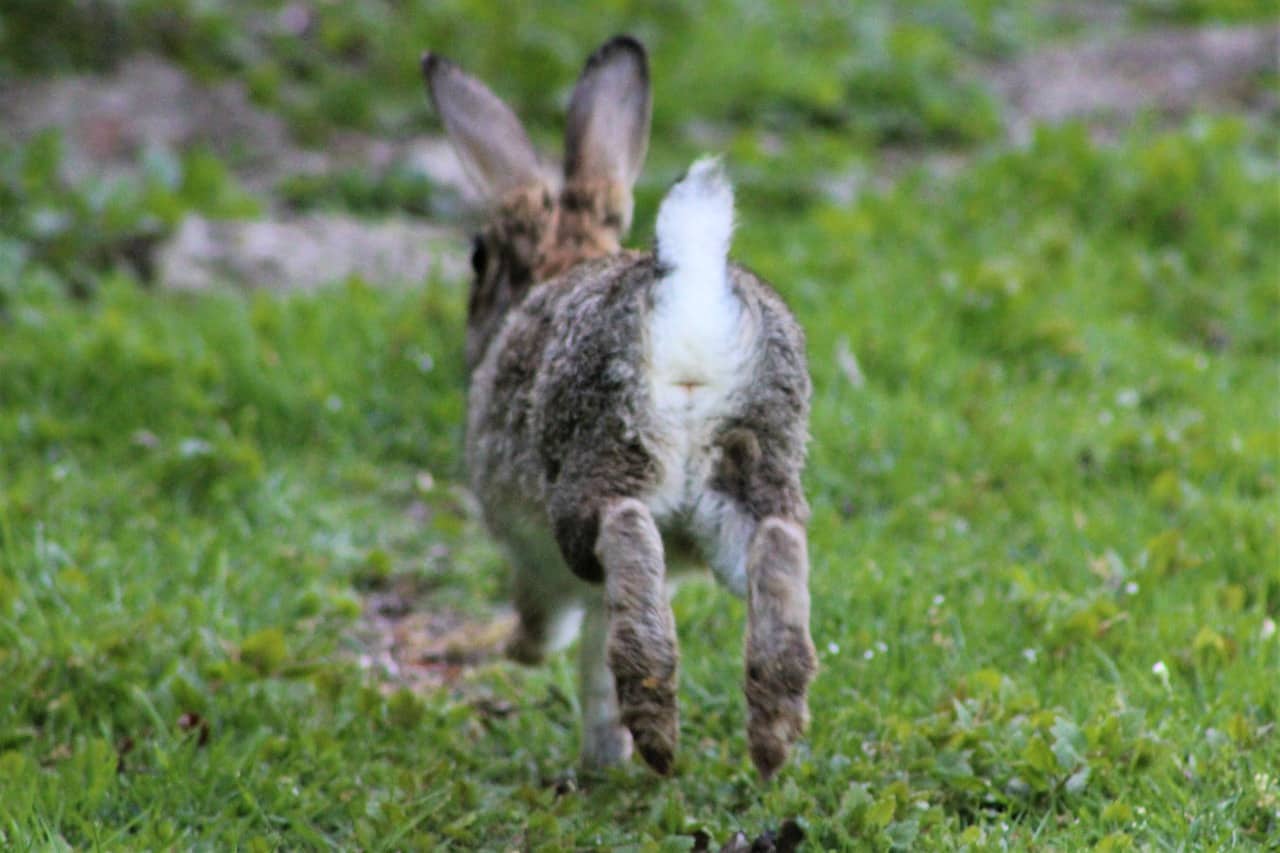
If your rabbit is pooping everywhere, the most likely cause is territorial marking. Unneutered rabbits naturally scatter droppings to claim their space, and this behavior typically starts around 4 months of age when hormones kick in. The good news: getting your rabbit spayed or neutered combined with proper litter training will solve this problem in most cases. If your rabbit is already fixed, the issue could be stress, a health condition, or a litter box setup that needs adjusting.
As breeders who have worked with hundreds of rabbits over the years, we have seen every variation of this problem. Below we cover every reason your rabbit might be pooping outside the litter box and exactly how to fix it.
Why Is My Rabbit Pooping Everywhere?
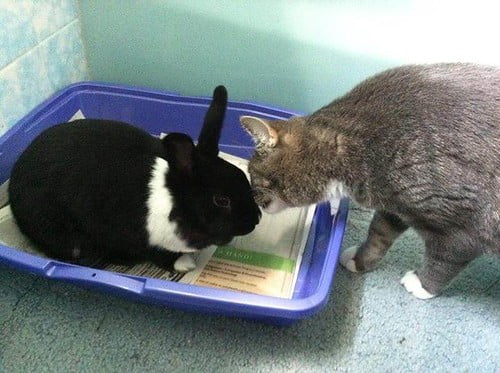
Rabbits are naturally clean animals that prefer to use one spot as their bathroom. When a rabbit starts scattering droppings across the room, floor, or cage, something has changed. Here are the six most common causes.
Territorial Marking in Unneutered Rabbits
This is the number one reason rabbits poop everywhere. When rabbits hit sexual maturity at around 3 to 4 months old, their hormones drive them to mark territory by scattering droppings. Both male and female rabbits do this, though intact bucks tend to be more aggressive markers.
Territorial pooping looks different from normal bathroom habits. Instead of leaving neat piles in one corner, your rabbit will deliberately drop individual pellets across the room, on furniture, on your bed, and even on you. They may also spray urine as part of the same marking behavior.
According to the House Rabbit Society, spaying or neutering resolves this territorial behavior in the vast majority of cases. Most veterinarians recommend fixing rabbits between 4 and 6 months of age. After the procedure, hormone levels drop over 4 to 8 weeks, and the marking behavior gradually stops.
Your Rabbit Is Not Fully Litter Trained
If you recently adopted your rabbit or are still in the early stages of litter training, scattered poops are completely normal. Rabbits do not learn litter habits overnight. Even rabbits that seem to "get it" may have setbacks during the first few weeks.
Young rabbits under 4 months old are especially difficult to litter train because their attention span is short and their hormones have not settled yet. If you are working with an adult rabbit, you might find it helpful to read our guide on how to litter train an older rabbit, since the approach differs slightly from training a baby bunny.
The key indicator here is progress. If your rabbit is using the litter box most of the time but still leaves a few stray pellets, that is normal behavior rather than a problem. Rabbits often drop a few "territory markers" even when fully trained. It is the rabbits that completely stop using the box that need intervention.
Digestive Problems and Health Issues
A sudden change in pooping habits can signal a health problem. Diarrhea, GI stasis, bladder infections, kidney stones, and arthritis can all cause a rabbit to stop using its litter box. If your rabbit was reliably litter trained and suddenly starts pooping everywhere, a vet visit should be your first step.
Watch for these warning signs alongside the scattered pooping:
- Soft, mushy, or watery droppings instead of firm round pellets
- Significantly fewer droppings than normal (a healthy rabbit produces 200 to 300 pellets per day)
- Loss of appetite or refusal to eat hay
- Hunched posture or a visibly bloated belly
- Loud teeth grinding, which signals pain
- Lethargy or reluctance to move around
- Poop stuck to your rabbit's bum, which often indicates cecal dysbiosis
Older rabbits with arthritis may struggle to climb into their litter box, leading them to go right next to it. In that case, switching to a litter box with a lower entry point can solve the problem immediately.
Stress and Environmental Changes
Rabbits are creatures of habit. Any disruption to their routine or environment can trigger a litter training regression. Common stress triggers include:
- Moving to a new home or rearranging furniture
- Loud construction, fireworks, or household noise
- A change in your daily schedule
- Moving the litter box to a different location
- Lack of social interaction or exercise
- Nearby predator animals such as dogs, cats, or birds of prey visible through windows
A stressed rabbit may poop and pee outside the litter box as a coping mechanism. The behavior usually resolves on its own once the stressor is removed and the rabbit feels safe again. Give your rabbit extra hiding spaces, maintain a consistent routine, and avoid making multiple changes to their environment at once.
Strong Cleaning Products and Confusing Scents
Rabbits rely heavily on scent to navigate their environment. If you clean their litter box or living area with strong-smelling chemicals, vinegar, bleach, or heavily fragranced detergents, your rabbit may become confused about where their designated bathroom spot is.
This happens because the cleaning product masks the scent your rabbit has associated with their litter box. Without that scent marker, they do not recognize the box as their toilet and start going elsewhere. Use a mild, unscented cleaner for their area, and always leave a small handful of used litter in the box after cleaning so the scent remains.
A New Rabbit or Guest in the Home
Bringing a new rabbit into the house, or even having a visitor with pet scent on their clothes, can trigger a marking frenzy. Your rabbit perceives the unfamiliar scent as a territorial threat and responds by scattering droppings to reaffirm ownership of their space.
This is especially common when pairing two unneutered males together, but even bonded, neutered pairs may temporarily increase their marking when a third rabbit is introduced. The behavior typically calms down within a few days to a couple of weeks as the rabbits adjust to each other.
Why Is My Neutered Rabbit Still Pooping Everywhere?
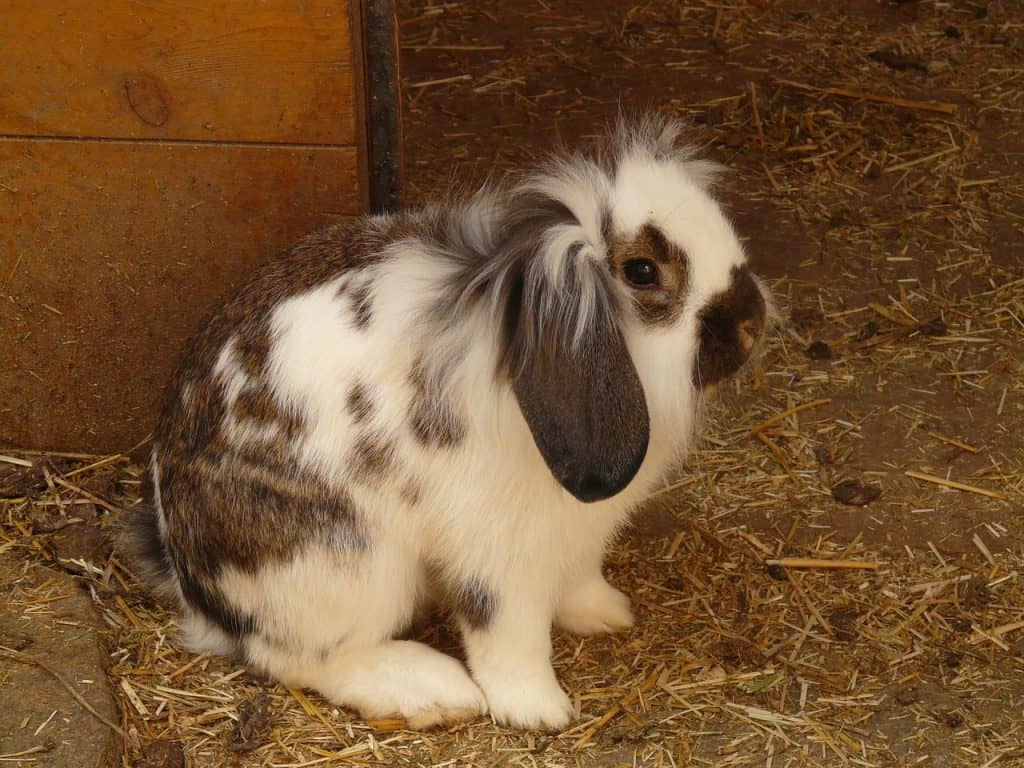
Neutering eliminates hormone-driven territorial marking, but it does not guarantee perfect litter habits. Several factors can cause a neutered rabbit to regress.
Timing matters. If your rabbit was neutered after it had already developed strong marking habits (after 6 months of age), those habits may be partially learned behavior rather than purely hormonal. In this case, retraining with consistent litter box reinforcement is needed alongside the hormonal benefits of neutering.
Recovery period. It takes 4 to 8 weeks after neutering for hormone levels to fully drop. Do not expect immediate results. Your rabbit may continue marking for a month or two after the surgery before the behavior tapers off.
Medical causes. If your neutered rabbit was litter trained for months or years and suddenly starts pooping everywhere, something medical is likely going on. Urinary tract infections, sludgy urine, arthritis, and GI problems can all override trained habits. Schedule a vet check.
Environmental triggers. Even well-trained, neutered rabbits will temporarily mark more when stressed. A new pet, a move, loud renovations, or a change to their litter box setup can all cause a setback. These regressions are usually short-lived.
Why Is My Rabbit Pooping Outside the Litter Box But Not Everywhere?
There is a big difference between a rabbit that poops in random spots all over the house and one that consistently goes right next to the litter box. If your rabbit is pooping in one or two specific spots outside the box, the issue is almost always a litter box problem rather than a behavioral one.
The litter box is too small. Rabbits like to eat and poop at the same time. If your rabbit cannot comfortably sit in the litter box with its hay rack nearby, it may hang its rear end over the edge. Check our guide on the proper litter box size for your rabbit to make sure your setup is right.
Wrong placement. Rabbits choose their bathroom corner, not you. If your rabbit consistently poops in one specific corner that is not where the litter box is, move the box to that corner instead of trying to retrain the rabbit. Working with your rabbit's natural preference is far easier than fighting it.
Dirty litter box. While rabbits will use a slightly soiled box, one that is too dirty becomes unappealing. You should know how often to change your rabbit's litter to strike the right balance between cleanliness and keeping enough scent for the rabbit to recognize the box as its spot.
Wrong substrate. Some rabbits dislike certain litter materials. Clay cat litter, wood shavings with strong scents (cedar or pine), and newspaper alone are poor choices. Paper-based litter or kiln-dried pine pellets tend to work best for most rabbits.
How to Stop Your Rabbit From Pooping Everywhere
Fixing scattered pooping requires a systematic approach. Follow these steps in order for the best results.
Step 1: Get Your Rabbit Spayed or Neutered
If your rabbit is not already fixed, this is the single most effective step you can take. Spaying or neutering reduces territorial marking by 80 to 90 percent in most rabbits. The House Rabbit Society recommends fixing rabbits before or shortly after they reach sexual maturity at 4 to 6 months old.
Talk to a rabbit-savvy veterinarian about scheduling the procedure. Rabbits should not be fasted before surgery (unlike dogs and cats), so make sure your vet is experienced with rabbit anesthesia.
Step 2: Set Up the Litter Box Correctly
A proper litter box setup is critical for success. Here is what you need:
| Component | Recommendation |
|---|---|
| Box size | Large enough for your rabbit to sit comfortably with room to spare |
| Litter material | Paper-based litter or kiln-dried pine pellets (1 inch layer) |
| Hay | Place hay at one end of the box or in a rack directly above it |
| Placement | In the corner your rabbit naturally chooses to go |
| Number of boxes | One per room your rabbit has access to, minimum |
Place hay in or right next to the litter box. Rabbits like to munch while they go, and this association helps reinforce the habit of sitting in the box.
Step 3: Restrict Free-Roam Space Initially
Do not give your rabbit full run of the house right away. Start with a small pen or one room. Place the litter box in the corner your rabbit gravitates toward, and let them establish the habit in that small space first.
Once your rabbit consistently uses the box in the smaller area (usually after 1 to 2 weeks), gradually expand their territory. Add one room at a time, and place an additional litter box in each new area.
Step 4: Reward Correct Behavior
When you see your rabbit using the litter box, offer a small treat or a gentle head rub. Positive reinforcement works far better with rabbits than punishment. Never yell at, hit, or chase your rabbit for pooping outside the box. This will only cause stress and make the problem worse.
Pick up any stray droppings and place them in the litter box. This helps reinforce where the droppings belong. Blot up urine accidents with a paper towel and place that in the box too.
Step 5: Clean Accidents Properly
If your rabbit pees or poops outside the litter box, clean the spot thoroughly with an enzymatic cleaner specifically designed for pet odors. Standard household cleaners may leave behind traces of scent that your rabbit can still detect, which encourages them to use the same spot again.
White vinegar diluted with water (50/50 mix) is a safe, effective option for cleaning rabbit urine. Avoid ammonia-based cleaners, as rabbit urine already contains ammonia, and the similar scent can actually attract your rabbit back to the wrong spot.
Step 6: Rule Out Health Problems
If you have tried all of the above steps and your rabbit is still pooping everywhere after 4 to 6 weeks, schedule a veterinary checkup. Persistent litter training failure in a neutered rabbit can indicate an underlying health condition that needs treatment.
Bring a fresh sample of your rabbit's droppings to the appointment. Your vet can check for parasites, evaluate gut health, and identify any other issues that might be contributing to the problem.
What Type of Poop Should You Worry About?
Not all rabbit droppings are the same. Understanding the differences can help you determine whether you are dealing with a behavior issue or a medical one.
| Poop Type | Appearance | Cause | Action Needed |
|---|---|---|---|
| Normal droppings | Round, dry, golden-brown pellets, uniform in size | Healthy digestion | None, this is normal |
| Cecotropes | Soft, dark, grape-like clusters covered in mucus | Normal; rabbits re-ingest these for nutrients | None unless found frequently (rabbit may have excess protein in diet) |
| Mushy droppings | Misshapen, soft, clumped together | Diet imbalance (too many treats or not enough hay) | Increase hay, reduce pellets and treats |
| True diarrhea | Watery, formless, stains fur | Infection, parasites, or serious GI issue | Emergency vet visit immediately |
| Small, dark, dry pellets | Noticeably smaller and darker than usual | Dehydration or early GI stasis | Increase water access, monitor closely, vet if no improvement in 12 hours |
| Linked "string of pearls" | Droppings connected by fur | Ingested fur during grooming | Increase hay and brushing, monitor for GI stasis signs |
If you are seeing true diarrhea (watery, formless stool), this is a medical emergency in rabbits. Do not wait to see if it improves. Contact a rabbit-savvy veterinarian immediately.
How Long Does It Take to Fix Litter Habits?
The timeline depends on the underlying cause and your rabbit's age.
- After neutering or spaying: 4 to 8 weeks for hormones to fully decline, with gradual improvement during that period
- Litter training a young rabbit (under 6 months): 2 to 4 weeks with consistent reinforcement
- Retraining an adult rabbit: 1 to 3 weeks if the original cause (stress, dirty box, etc.) is resolved
- After a stressful event: Usually resolves within a few days to 2 weeks once the stressor is gone
- Medical issues: Depends entirely on the condition; once treated, litter habits typically return within days
Patience is essential. Pushing too hard or punishing your rabbit for accidents will backfire. Rabbits respond to consistency, routine, and positive reinforcement.
Common Mistakes That Make the Problem Worse
Many rabbit owners unintentionally make their rabbit's pooping problem worse. Avoid these common pitfalls:
- Using the wrong litter. Clumping clay cat litter is dangerous for rabbits. If ingested, it can cause fatal intestinal blockages. Stick to paper-based litter or kiln-dried pine pellets.
- Cleaning too thoroughly. Scrubbing the litter box until it is spotless removes the scent markers your rabbit uses to identify it as a bathroom. Always leave a thin layer of used litter or a few droppings in the box after cleaning.
- Punishing accidents. Yelling, clapping, or squirting water at your rabbit teaches it to fear you, not to use the litter box. The added stress often increases marking behavior.
- Giving too much space too soon. A rabbit with access to five rooms before it has mastered the litter box in one room will struggle. Expand territory gradually.
- Ignoring the rabbit's chosen corner. If your rabbit picks a different corner than where you placed the box, move the box to their preferred spot. You will not win this battle.
When to See a Veterinarian
While most cases of rabbits pooping everywhere are behavioral, some require medical attention. See a rabbit-savvy vet if:
- Your neutered rabbit suddenly stops using the litter box after months of reliable habits
- The droppings are abnormal in size, color, consistency, or smell
- Your rabbit shows signs of pain such as teeth grinding, hunching, or refusing to move
- There is blood in the droppings or urine
- Your rabbit has stopped eating or drinking
- Litter training has not improved after 6 weeks of consistent effort with a neutered rabbit
Early veterinary intervention can catch conditions like GI stasis, urinary infections, and dental disease before they become serious. Always choose a vet who is experienced with rabbits, as their physiology differs significantly from cats and dogs.
Frequently Asked Questions
Is it normal for rabbits to poop a lot?
Yes, healthy rabbits produce between 200 and 300 droppings per day. This is completely normal and a sign of a well-functioning digestive system. The concern is not the amount of poop but where they are leaving it. If your rabbit produces significantly fewer droppings than usual, that could indicate a digestive slowdown that needs attention.
Will my rabbit ever be 100% litter trained?
Most neutered rabbits can become 95 to 99 percent reliable with their litter box. However, even perfectly trained rabbits will occasionally leave a few stray pellets, especially in new areas or when excited during playtime. A handful of scattered droppings is normal rabbit behavior and not a cause for concern.
Can I use cat litter for my rabbit's litter box?
Clumping clay cat litter is dangerous for rabbits and should never be used. Rabbits may ingest it, which can cause fatal intestinal blockages. Safe alternatives include paper-based litter (like Carefresh), kiln-dried pine pellets, or aspen shavings. Avoid cedar shavings, as the aromatic oils can damage a rabbit's respiratory system.
Should I punish my rabbit for pooping outside the litter box?
No. Rabbits do not understand punishment, and yelling, spraying water, or swatting will only make your rabbit afraid of you. This added stress will actually make the pooping problem worse. Instead, calmly pick up the droppings, place them in the litter box, and focus on positive reinforcement when your rabbit uses the box correctly.
Why does my rabbit poop on my bed or couch?
Your bed and couch carry your scent strongly. An unneutered rabbit may mark these areas to mix its scent with yours as a bonding or territorial claim. Neutering usually stops this behavior. In the meantime, restrict access to furniture until litter habits are established, or place a litter box on or near the furniture your rabbit favors.
Cite this article:
BunnySync (March 1, 2026) Why Is My Rabbit Pooping Everywhere? Causes, Solutions, and Prevention. Retrieved from https://bunnysync.com/blog/rabbit-pooping-everywhere.
"Why Is My Rabbit Pooping Everywhere? Causes, Solutions, and Prevention." BunnySync - March 1, 2026, https://bunnysync.com/blog/rabbit-pooping-everywhere