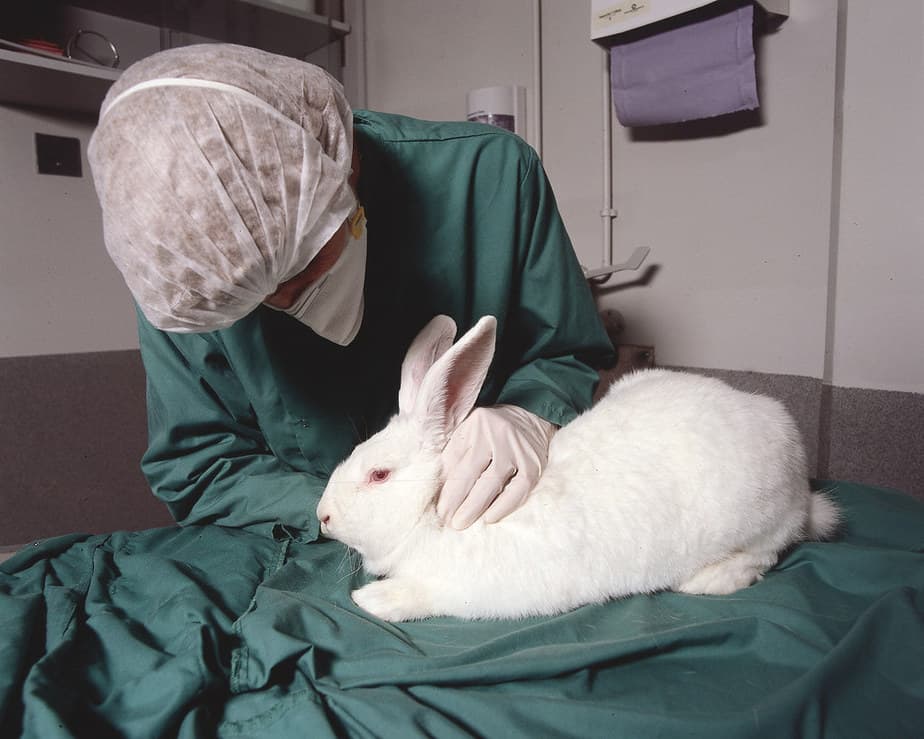
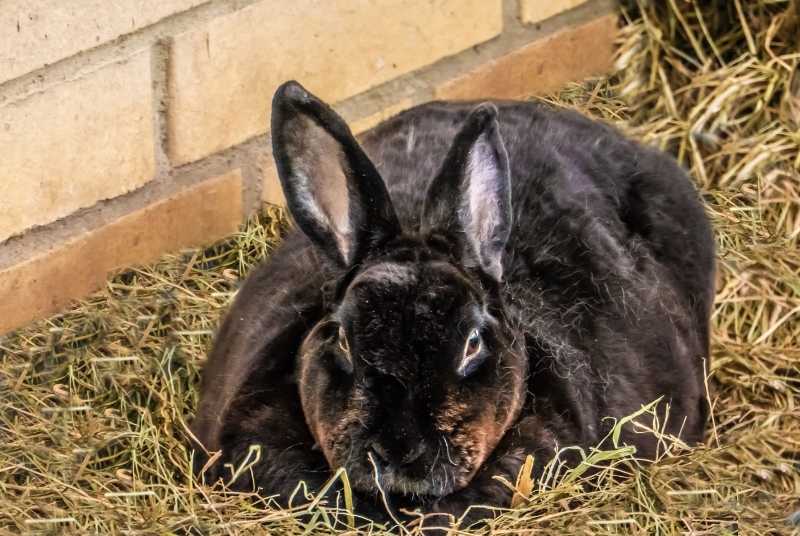
Rabbits are prey animals that instinctively hide weakness, making it difficult to tell when your rabbit is stressed. A stressed rabbit typically shows behavioral changes including aggression, excessive hiding, over-grooming or neglected grooming, loss of appetite, abnormal droppings, repetitive behaviors, and thumping. These signs can overlap with depression in rabbits, but stress tends to appear more suddenly in response to specific triggers. Catching stress early is critical because chronic stress can trigger GI stasis, a life-threatening digestive shutdown that can kill a rabbit within 24 to 48 hours.
Below is a detailed breakdown of every warning sign of stress, what causes it, and exactly how to fix it based on years of hands-on breeding experience.
What Are the Signs of a Stressed Rabbit?
Rabbits communicate almost entirely through body language. Since they rarely vocalize, you need to watch for changes in routine, posture, and daily habits. The PDSA's guide to rabbit body language is an excellent reference for learning to read these signals. Here are the seven most reliable indicators of stress in rabbits.
1. Aggression Toward You or Other Rabbits

A rabbit that suddenly lunges, bites, or growls at you or their bonded companion is likely stressed. Rabbits are not naturally aggressive animals, so this behavior almost always signals an underlying problem.
The most common trigger is boredom. Rabbits are intelligent, curious creatures that need mental stimulation throughout the day. A rabbit stuck in a small cage with no toys, no exercise time, and nothing to explore will eventually become frustrated and lash out. If you have ever seen a rabbit repeatedly chewing cage bars or charging at your hand during feeding time, boredom-driven stress is the likely culprit.
Territorial aggression is another possibility, especially in unspayed or unneutered rabbits. Hormones drive territorial marking, mounting, and fighting behavior. If your rabbit becomes aggressive after reaching sexual maturity (typically between 3 and 6 months), spaying or neutering often resolves the issue within a few weeks.
What to do: Provide at least four hours of free-roaming exercise daily. Add chew toys, tunnels, and digging boxes to your rabbit's environment. If hormones are the likely cause, consult your vet about spaying or neutering.
2. Nervousness and Hiding
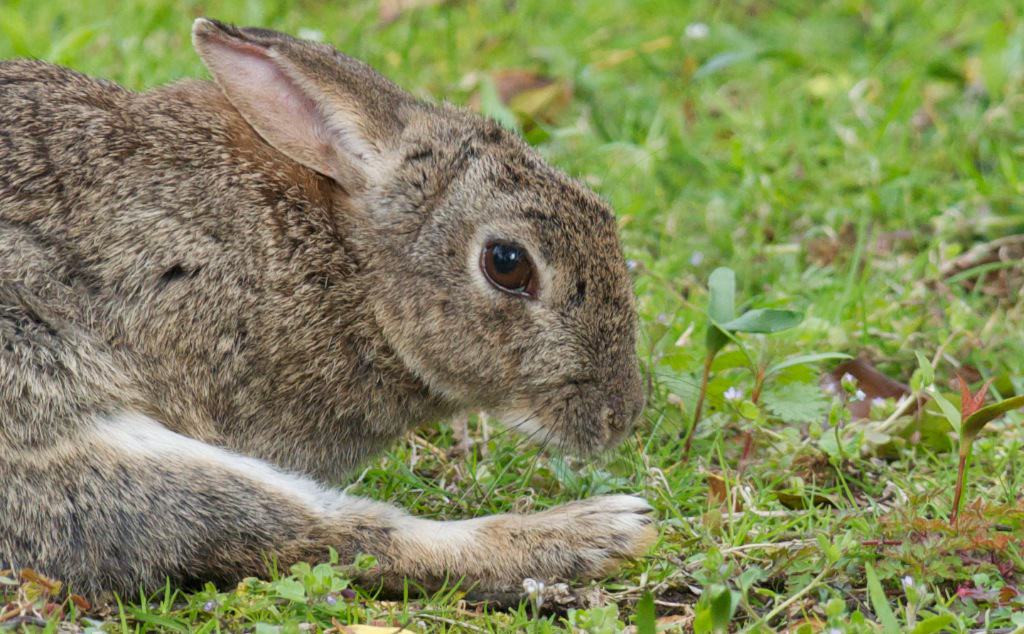
A nervous rabbit freezes in place, flattens their ears against their body, and stares at you without moving. They may also bolt to a hiding spot whenever you approach. This is different from a naturally cautious personality. A rabbit that was previously comfortable around you but suddenly starts avoiding all contact is likely stressed or frightened by something in their environment.
Common causes include past trauma (especially in rescue rabbits), a new person or pet in the household, or a recent move to a new home. If you need help with a fearful rabbit, our guide on how to calm down a scared rabbit covers trust-building techniques in detail.
Signs of nervousness to watch for:
- Ears pressed flat against the body
- Freezing mid-movement and staring with wide eyes
- Running away and hiding when you enter the room
- Stopping nose twitching entirely (a tense rabbit holds completely still)
- Refusing to come out for treats or food
What to do: Be patient. Do not chase or force interaction. Sit quietly on the floor near your rabbit and let them come to you on their own terms. Offer treats by hand to build positive associations. Avoid picking up your rabbit during this period, as it reinforces their fear.
3. Over-Grooming or Neglecting Grooming
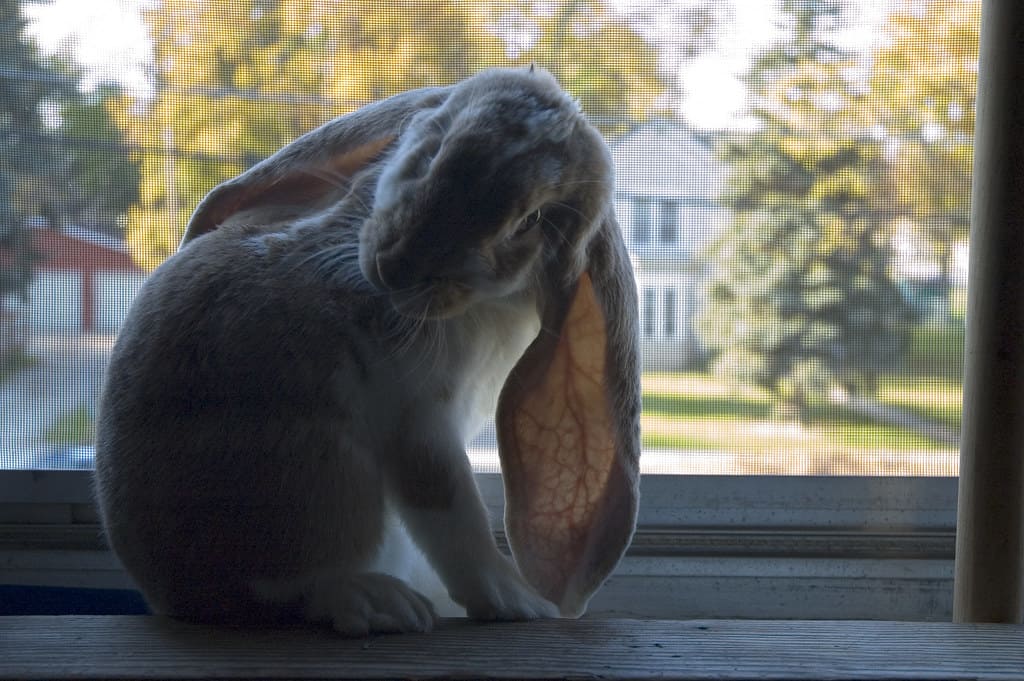
Both extremes of grooming behavior signal stress. Over-grooming results in bald patches, skin irritation, and sometimes self-inflicted wounds. A rabbit that stops grooming altogether will develop a matted, dull coat and may accumulate fecal matter around their hindquarters.
Over-grooming is typically a displacement behavior. The rabbit is anxious and channels that nervous energy into excessive licking and pulling at their own fur. Some stressed rabbits also barber their companions, pulling out the other rabbit's fur in clumps.
Neglected grooming usually indicates that the rabbit feels too unwell, too depressed, or too fearful to engage in normal self-care. If your rabbit's coat has deteriorated noticeably over a few days, a vet check is warranted to rule out pain or illness as the root cause.
What to do: Identify and remove the source of anxiety if possible. Provide more enrichment and exercise time. If you notice bald patches or raw skin, visit a veterinarian to rule out mites, fungal infections, or other dermatological conditions that can mimic stress-related grooming issues.
4. Loss of Appetite and Lethargy
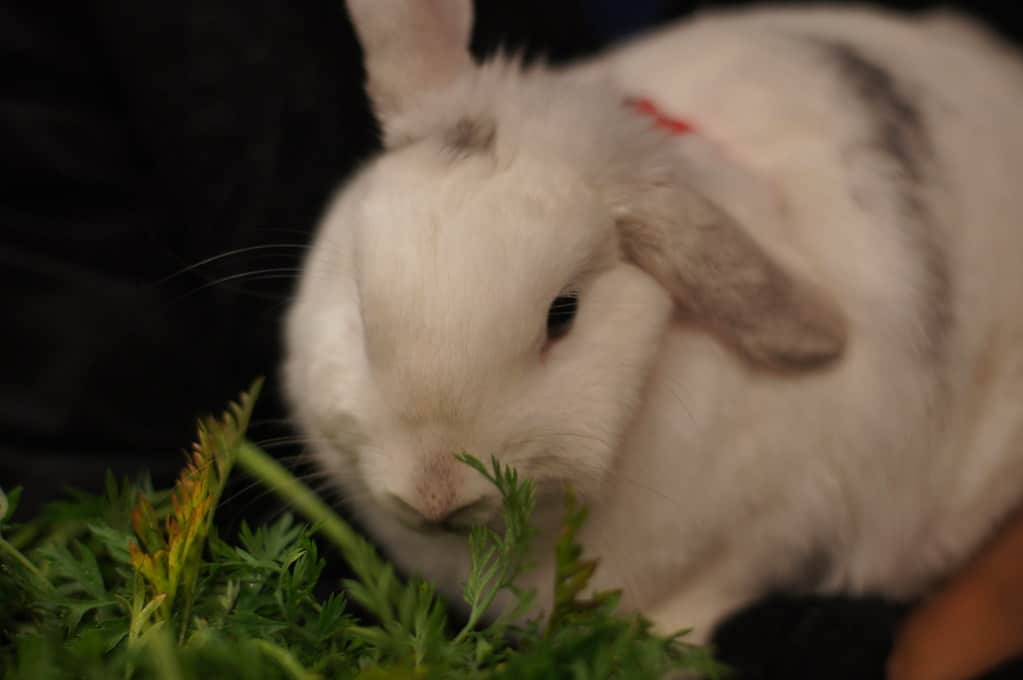
This is the most dangerous sign of stress in rabbits. A rabbit that stops eating, especially hay, is at serious risk of developing GI stasis. Rabbits need a constant supply of fiber moving through their digestive system to keep gut bacteria alive and gas from building up. Even 12 hours without eating can start a dangerous chain reaction.
Lethargy often accompanies appetite loss. A stressed rabbit that normally zooms around during exercise time may sit hunched in a corner instead. Their eyes may appear dull or half-closed, and they show no interest in treats, toys, or interaction. If your rabbit has stopped eating entirely, treat this as an emergency situation.
What to do: Contact your veterinarian immediately if your rabbit has not eaten for more than 12 hours. In the meantime, offer fresh hay, leafy greens, and water. Gentle belly massage in a circular motion can sometimes help stimulate gut movement while you arrange vet care.
5. Changes in Droppings and Litter Habits
Stress directly affects a rabbit's digestive system, so droppings are one of the earliest and most reliable stress indicators. Changes happen fast and are easy to spot if you know what to look for.
Warning signs in droppings include:
- Smaller than normal droppings or irregular shapes
- Strung-together droppings connected by fur (a sign of over-grooming combined with digestive stress)
- Soft, mushy cecotropes left uneaten on the cage floor
- Complete absence of droppings for several hours (a potential GI stasis emergency)
Some stressed rabbits also stop using their litter box entirely and begin pooping everywhere as a territorial response to whatever is triggering their anxiety. This is especially common when a new pet is introduced to the household or the rabbit's enclosure is moved to a different location.
What to do: Monitor droppings daily as part of your baseline health routine. Any sudden change in size, shape, consistency, or frequency warrants investigation. Combine dropping observations with other behavioral signs to determine whether stress is the underlying cause.
6. Repetitive or Unusual Behaviors
Repetitive behaviors, sometimes called stereotypies, are strong indicators of chronic stress. These behaviors develop when a rabbit's environment fails to meet their physical and mental needs over an extended period.
Common repetitive stress behaviors include:
- Circling the cage or running the same loop over and over
- Chewing cage bars persistently for long stretches
- Digging at corners, floors, or walls with no clear purpose
- Head swaying or rocking back and forth
- Excessive scratching at ears or face without any parasites present
These behaviors are your rabbit's way of coping with an environment that does not provide enough stimulation. They are especially common in rabbits kept in small hutches or cages without adequate exercise or enrichment opportunities.
What to do: Increase cage size, exercise time, and environmental enrichment. A rabbit's enclosure should be at least four times their stretched-out body length, and ideally much larger. Add cardboard boxes, tunnels, platforms, and foraging toys to keep their mind engaged.
7. Thumping and Vocalizing
Rabbits thump their hind feet as a warning signal when they feel threatened or alarmed. Occasional thumping in response to a sudden noise is perfectly normal, but persistent or frequent thumping throughout the day indicates ongoing stress. For a deeper look at this behavior, see our guide on why rabbits thump their feet.
In extreme cases, stressed rabbits may vocalize. Whimpering, grunting, or even screaming signals severe distress. A rabbit that screams is experiencing intense fear or pain and needs immediate attention.
What to do: Identify what is triggering the thumping. Common triggers include loud noises, unfamiliar smells, the presence of a predator animal such as a dog or cat, and sudden movements near the enclosure. Remove the trigger if possible and provide a covered hiding spot where your rabbit can feel secure.
What Causes Stress in Rabbits?
Understanding the root cause of stress is essential to solving the problem. Rabbits are sensitive animals with specific environmental and social needs. When those needs go unmet, stress follows. Here is a breakdown of the most common triggers.
| Cause | Why It Stresses Rabbits | Solution |
|---|---|---|
| Small living space | Rabbits need room to run, jump, and stand fully upright on hind legs | Minimum 12 sq ft enclosure plus daily free-roaming time |
| No exercise | Rabbits need 4+ hours of physical activity daily to stay healthy | Let them explore rabbit-proofed rooms or outdoor runs |
| Loneliness | Rabbits are social animals that live in groups in the wild | Consider a bonded companion rabbit |
| Loud noises | Acute hearing makes sudden sounds overwhelming and frightening | Buffer noise with curtains, white noise, or room relocation |
| Predator presence | Even the scent of a dog or cat activates prey instincts | Separate predator animals until fully acclimated |
| Improper handling | Being picked up mimics being caught by a predator | Minimize lifting and handle at ground level |
| Environmental changes | Rabbits rely on familiarity and routine for security | Make changes gradually and maintain consistent schedules |
| Illness or pain | Dental issues, GI problems, and infections cause chronic discomfort | Schedule regular vet checkups every 6 to 12 months |
It is worth noting that loud noises can actually kill rabbits through cardiac arrest in extreme cases. Noise management is particularly important for sensitive or elderly rabbits.
How Do You Calm a Stressed Rabbit?
Once you identify the cause of stress, the solution usually becomes clear. Here are the most effective strategies, organized by situation.
Improve Their Living Space
The single most effective change you can make is giving your rabbit more space. A rabbit's enclosure should be at least four times their stretched-out body length, with enough height for them to stand on their hind legs without touching the ceiling. Better yet, consider free-roaming your rabbit in a rabbit-proofed room or apartment.
Add enrichment items to keep your rabbit mentally stimulated:
- Untreated apple wood sticks and willow branches for chewing
- Cardboard boxes with multiple entry and exit holes
- Tunnels made from concrete forming tubes or fabric
- Digging boxes filled with shredded paper or child-safe soil
- Puzzle feeders and hay-stuffed toilet paper rolls for foraging
Provide Daily Exercise and Stimulation
Rabbits need a minimum of four hours of exercise outside their enclosure every single day. This is non-negotiable for their physical and mental health. Rabbits that do not get enough exercise can develop serious health problems including obesity, muscle atrophy, GI stasis, and chronic stress.
During exercise time, let your rabbit explore different areas of your home. Rotate toys weekly to prevent boredom. Hide small treats in different locations to encourage natural foraging behavior, which is one of the most effective stress-reduction activities for rabbits.
Consider a Companion Rabbit
Rabbits are social animals that live in groups of 8 to 15 in the wild. A single rabbit that spends long hours alone, especially while you are at work or school, is much more likely to develop stress-related behaviors. If you are wondering whether getting a second rabbit is the right choice, consider your rabbit's temperament and your ability to manage the bonding process.
Bonding two rabbits takes patience and should always be done in neutral territory that neither rabbit considers their own. Once successfully bonded, paired rabbits groom each other, sleep side by side, and provide constant companionship that dramatically reduces stress and loneliness.
Reduce Noise and Predator Exposure
If your rabbit is stressed by household noise or nearby animals, try these strategies:
- Close windows during fireworks, thunderstorms, or construction
- Play soft music or white noise to mask sudden, jarring sounds
- Move the enclosure to the quietest room in the house
- Hang thick curtains or blankets over windows to dampen outside noise
For predator-related stress, keep dogs and cats in separate rooms until your rabbit is fully accustomed to their presence and scent. Never leave a rabbit unsupervised with a predator animal, no matter how calm the interaction appears.
Build Trust Through Patience
For rabbits stressed by handling or human interaction, trust must be built slowly over time. Sit on the floor near your rabbit without reaching for them. Let them approach and sniff you at their own pace. Offer small pieces of their favorite leafy greens or herbs from your open palm. Over days and weeks, your rabbit will begin associating you with safety and rewards rather than being grabbed.
Avoid holding your rabbit like a baby or picking them up unnecessarily. This position mimics being caught by a predator and will set back your trust-building progress significantly, even if your rabbit appears calm while being held.
When to See a Veterinarian
Contact a rabbit-savvy veterinarian immediately if your rabbit:
- Has not eaten for more than 12 hours
- Shows signs of pain such as teeth grinding, hunched posture, or reluctance to move
- Has produced no droppings for more than 12 hours
- Has visible injuries, bald patches, or skin lesions
- Shows rapid or labored breathing while at rest
Some stress symptoms overlap with illness. A qualified vet can distinguish between behavioral stress and medical conditions like dental disease, urinary tract infections, ear mites, or internal parasites.
Can Stress Kill a Rabbit?
Yes, stress can kill a rabbit. Chronic stress weakens the immune system and disrupts digestion, leaving rabbits vulnerable to GI stasis. GI stasis can be fatal within 24 to 48 hours if the rabbit does not receive veterinary treatment. In acute situations involving extreme terror, such as a predator attack or very loud fireworks, the surge of adrenaline can cause cardiac arrest, killing a rabbit almost instantly.
Even when stress does not directly cause death, it significantly reduces quality of life and lifespan. Stressed rabbits are more susceptible to infections, dental problems, digestive disorders, and reproductive issues. The good news is that most sources of stress are entirely preventable with proper care, housing, and attention to your rabbit's behavioral cues.
How To Prevent Stress in Rabbits Long-Term
Prevention is always better than treatment. As of 2026, rabbit welfare guidelines from veterinary organizations consistently recommend these core principles for stress-free rabbit care:
- Maintain a consistent daily routine for feeding, exercise, and interaction times
- Provide a spacious, enrichment-filled living environment with hiding spots
- Keep at least one bonded companion rabbit when possible
- Schedule regular veterinary checkups every 6 to 12 months
- Rabbit-proof a room or area for safe, daily free-roaming exercise
- Avoid sudden environmental changes and introduce new items or pets gradually
- Learn to read your rabbit's body language so you can catch stress signals early
A rabbit that feels safe, mentally stimulated, and socially fulfilled is a happy rabbit with a much lower risk of stress-related health problems.
Frequently Asked Questions
How long does it take for a stressed rabbit to calm down?
It depends on the cause. Removing a specific trigger like a loud noise or unfamiliar pet can bring relief within hours. Building trust with a fearful or traumatized rabbit takes weeks or even months of consistent, gentle interaction. GI stasis caused by stress requires immediate veterinary treatment and typically takes several days to fully resolve.
Can rabbits get stressed from being alone?
Yes. Rabbits are social animals that naturally live in groups. A rabbit left alone for long periods without environmental enrichment can develop chronic stress leading to depression, destructive behaviors, and appetite loss. Bonded pairs handle alone time much better than solo rabbits because they provide each other with constant companionship.
Do rabbits hide when they are stressed?
Hiding is one of the primary stress responses in rabbits. A rabbit that suddenly spends most of their time hiding, especially one that was previously social and outgoing, is likely stressed or unwell. Always provide hiding spots in the enclosure so your rabbit has a safe retreat, but monitor increased hiding as a potential warning sign of a deeper issue.
Should I take my stressed rabbit to the vet?
If your rabbit has stopped eating, produced no droppings, shows signs of pain, or has visible physical symptoms like bald patches or skin lesions, a vet visit is essential. For behavioral stress without physical symptoms, try addressing environmental causes first. If the behavior persists for more than a week despite your changes, consult a rabbit-savvy veterinarian to rule out underlying health problems.
Can stress cause a rabbit to stop eating?
Absolutely. Stress is one of the most common causes of appetite loss in rabbits. When a rabbit stops eating, their gut bacteria begin dying off, which can trigger GI stasis within hours. A rabbit that refuses food for more than 12 hours needs veterinary attention as soon as possible to prevent a potentially fatal outcome.
Cite this article:
Cite this article:
BunnySync (March 1, 2026) How To Tell If Your Rabbit Is Stressed: 7 Warning Signs. Retrieved from https://bunnysync.com/blog/how-to-tell-if-your-rabbit-is-stressed.
"How To Tell If Your Rabbit Is Stressed: 7 Warning Signs." BunnySync - March 1, 2026, https://bunnysync.com/blog/how-to-tell-if-your-rabbit-is-stressed
Sources and further reading
- Buseth, Marit Emilie., and Richard A. Saunders. Rabbit Behaviour, Health, and Care. CABI, 2014.
- Lebas, F. The Rabbit: Husbandry, Health, and Production. Food and Agriculture Organization of the United Nations, 1997.
- Patry, Karen, et al. The Rabbit-Raising Problem Solver: Your Questions Answered about Housing, Feeding, Behavior, Health Care, Breeding, and Kindling. Storey Publishing, 2014.
- Overgrooming - House Rabbit Society
- Rabbit Body Language - PDSA