A rabbit shaking and laying down can be completely normal or a sign of a serious health problem. If your rabbit is trembling slightly while resting, it is most likely just sleeping. Rabbits often twitch and shake during sleep, much like dogs or cats do while dreaming. However, if the shaking is intense, prolonged, or paired with symptoms like loss of appetite, labored breathing, head tilt, or lethargy, it could point to heatstroke, GI stasis, a parasitic infection, or a bacterial ear infection. In those cases, you should contact a rabbit-savvy veterinarian immediately.
I remember coming home one day to find my rabbit, Freya, lying on the floor shaking. My heart dropped. But the moment I walked over, she sprang up, binkied toward me, and started nudging my hand for treats. She had simply been napping. That experience taught me the difference between harmless sleep tremors and the kind of shaking that demands urgent attention.
Below, I will walk you through every reason a rabbit might shake while laying down, how to tell the difference between normal and dangerous shaking, and exactly what steps to take for each scenario.
Is It Normal for Rabbits to Shake While Lying Down?
Yes, mild shaking or twitching while lying down is perfectly normal for most rabbits. Rabbits experience sleep cycles that include a light REM phase, during which their legs, nose, or entire body may twitch. You might notice their whiskers moving, their paws paddling slightly, or small tremors running through their body. This is the rabbit equivalent of dreaming, and it is nothing to worry about.
Rabbits are prey animals, so they rarely fall into a deep, motionless sleep in the way humans do. Instead, they rest in short bursts, often with their eyes partially open. During these rest periods, light twitching is a sign that your rabbit feels safe enough to relax. If you notice this happening in a rabbit that is otherwise eating, drinking, pooping, and behaving normally, you can be confident the shaking is harmless.
The key difference between normal sleep twitching and concerning shaking is context. Normal twitching is brief, intermittent, and stops when the rabbit wakes up. Abnormal shaking tends to be continuous, more intense, and accompanied by at least one other symptom like refusal to eat, abnormal breathing, or a change in posture.
What Causes a Rabbit to Shake and Lay Down?
When shaking goes beyond normal sleep twitching, there are several medical and environmental causes to consider. Here are the most common reasons, ranked roughly by how frequently they occur.
1. Heatstroke
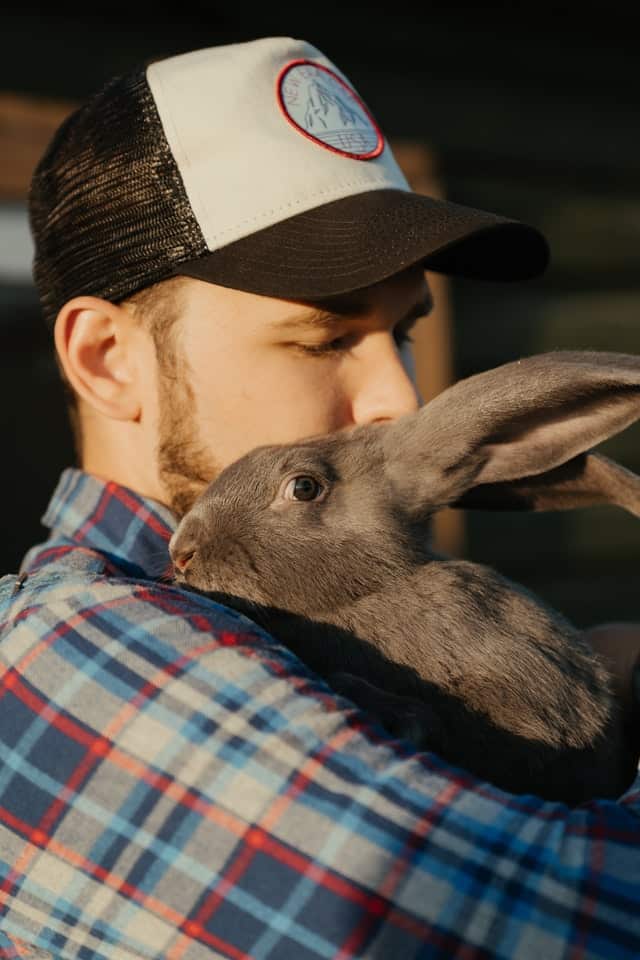
Heatstroke is one of the most common and most dangerous causes of shaking in rabbits. Rabbits have no sweat glands (apart from a few on their lips) and cannot pant effectively like dogs. They regulate body heat primarily through their ears, which makes them extremely vulnerable to high temperatures.
The ideal temperature range for rabbits is between 60 and 70 degrees Fahrenheit (15 to 21 degrees Celsius). Once the ambient temperature climbs above 80 degrees Fahrenheit (27 degrees Celsius), rabbits start to struggle. Above 85 degrees Fahrenheit (29 degrees Celsius), heatstroke becomes a real risk.
When a rabbit overheats, their body may begin to tremble or shake as the cardiovascular system strains to cope. Rapid breathing, which can look like shaking from a distance, is often the first visible sign.
Symptoms of heatstroke in rabbits:
- Rapid, shallow breathing or open-mouth breathing
- Reddened or hot ears
- Lethargy and reluctance to move
- Drooling or wetness around the mouth
- Bluish or grey lips and gums
- Loss of appetite
- Confusion or uncoordinated movement
- Collapse
What to do if you suspect heatstroke:
- Move your rabbit to a cool, shaded area immediately.
- Place a frozen water bottle wrapped in a thin towel next to your rabbit (not directly on them).
- Dampen their ears with cool (not cold) water to help lower their body temperature.
- Offer fresh, cool water to drink.
- Do NOT submerge your rabbit in cold water or use ice water. The sudden temperature change can cause shock.
- Contact your veterinarian, even if your rabbit seems to be recovering.
Prevention is far easier than treatment. Keep your rabbit out of direct sunlight, provide plenty of ventilation in their hutch, and always have a frozen water bottle available during warm months.
2. Gastrointestinal Stasis (GI Stasis)
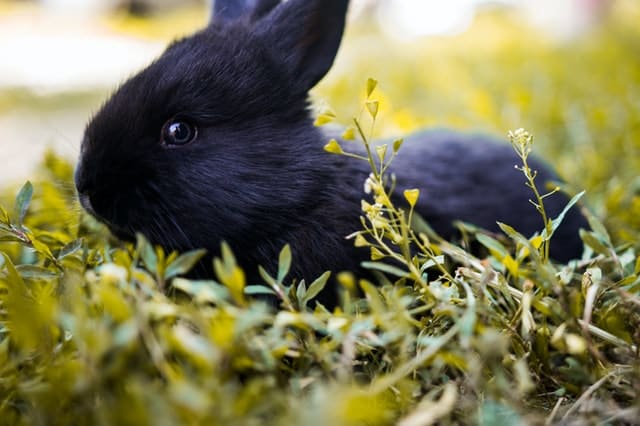
Gastrointestinal stasis, commonly called GI stasis, is a potentially fatal condition where the rabbit's digestive system slows down or stops completely. It is one of the leading causes of death in pet rabbits, partly because it can progress from subtle symptoms to a life-threatening emergency within hours.
When a rabbit with GI stasis is shaking while laying down, it usually means the condition has advanced to a painful or critical stage. The rabbit may be trembling from abdominal pain, struggling to breathe due to gas buildup pressing on the diaphragm, or both.
Common causes of GI stasis include:
- A diet too low in fiber (not enough hay)
- A diet too high in starch or sugar (too many pellets or treats)
- Dehydration
- Stress from environmental changes, loud noises, or new animals
- Lack of exercise
- Pain from another underlying condition (dental disease, urinary issues)
- Ingesting fur or foreign material that causes a blockage
Symptoms of GI stasis:
| Symptom | What to Look For |
|---|---|
| Reduced or absent droppings | Fewer, smaller, or no fecal pellets in the litter box |
| Loss of appetite | Refusing favorite foods, ignoring hay |
| Bloated abdomen | Stomach feels hard or distended when gently touched |
| Teeth grinding (loud) | Audible grinding indicates pain (different from soft purring) |
| Hunched posture | Sitting in a tight, hunched position and pressing belly to the ground |
| Lethargy | Refusing to move, hiding in corners |
| Shaking or trembling | Body tremors from pain or difficulty breathing |
If your rabbit stops pooping and is shaking while lying down, treat this as an emergency. GI stasis can become fatal within 24 to 48 hours if left untreated. A veterinarian can administer fluids, gut motility drugs, and pain relief to help the digestive system start moving again.
To reduce the risk of GI stasis, make sure your rabbit has unlimited access to timothy hay (or other grass hays), gets regular exercise outside of their enclosure, and always has fresh water available.
3. Encephalitozoon Cuniculi (E. Cuniculi)
Encephalitozoon cuniculi, or E. cuniculi, is a microscopic parasite that commonly infects rabbits. Many rabbits carry the parasite without ever showing symptoms, but when it does become active, it can attack the brain, kidneys, and eyes, causing a range of neurological problems including tremors and seizures.
E. cuniculi is transmitted through urine. A rabbit can pick it up from contaminated bedding, water, or food. The parasite can remain dormant for months or even years before symptoms appear, often triggered by stress or a weakened immune system.
Brain and nervous system symptoms:
- Head tilt (wry neck)
- Loss of balance, falling to one side, or rolling
- Circling or walking in circles
- Jerky, involuntary eye movements (nystagmus)
- Facial paralysis on one or both sides
- Weakness or paralysis in one or more limbs
- Stiffened hind leg gait
- Tremors or full seizures
- Behavioral changes and signs of depression
- In severe cases, collapse, coma, or sudden death
Kidney symptoms:
- Excessive thirst and increased urination
- Loss of appetite and weight loss
- General weakness
- Ammonia smell on the breath
If you notice your rabbit shaking with a head tilt, uncoordinated movement, or any of the neurological symptoms listed above, get to a veterinarian as soon as possible. E. cuniculi is typically treated with a 28-day course of fenbendazole (Panacur), along with supportive care. Early treatment significantly improves the chances of recovery, though some rabbits may retain a permanent head tilt.
4. Bacterial Otitis Media/Interna
Bacterial otitis media or interna is an infection of the middle or inner ear. It usually starts as an upper respiratory infection that spreads into the ear canal. In rabbits, ear infections can be particularly dangerous because the inner ear controls balance. When the infection reaches the inner ear (otitis interna), it can cause severe vestibular symptoms that look very similar to E. cuniculi.
Symptoms of bacterial otitis:
- Head tilt (often the first noticeable sign)
- Scratching or pawing at the affected ear
- Loss of balance
- Circling toward the affected side
- Discharge from the ear or a foul smell
- Refusal to eat (due to pain when chewing)
- In severe cases, tremors, seizures, or encephalitis
Lop-eared breeds are at higher risk because their ear anatomy makes drainage more difficult, creating an environment where bacteria can thrive. Diagnosis typically involves an otoscopic exam, skull X-rays, or a CT scan. Treatment usually requires a long course of antibiotics (often 4 to 6 weeks), anti-inflammatory medication, and sometimes surgical intervention if an abscess has formed.
5. Fear and Extreme Stress
Rabbits are prey animals with a finely tuned fight-or-flight response. When they feel threatened and cannot escape, they may freeze in place and tremble. This can happen after a loud noise (fireworks, thunder, construction), an encounter with a predator (dog, cat, hawk), or even a stressful visit to the veterinarian.
Stress-related shaking is usually temporary. Once the perceived threat passes and the rabbit feels safe, the trembling should stop. You can help by moving your rabbit to a quiet, familiar space and sitting nearby without handling them. Offering a favorite treat can also help reassure them.
However, chronic stress can weaken the immune system and trigger secondary health problems like GI stasis. If your rabbit shows signs of ongoing stress, such as over-grooming, aggression, hiding constantly, or refusing food, you need to identify and remove the source of stress.
6. Pain from Injury or Illness
Rabbits instinctively hide pain to avoid appearing vulnerable to predators. By the time a rabbit is visibly shaking from pain, the situation is usually quite serious. Common painful conditions that can cause trembling include dental abscesses, urinary stones or sludge, fractures, arthritis (especially in older rabbits), and post-surgical pain.
If your rabbit is shaking and you have ruled out environmental factors like heat, look for subtle signs of pain: teeth grinding (loud, audible grinding as opposed to the soft tooth purring of contentment), a hunched posture, reluctance to be touched, or pressing their belly to the ground.
How to Tell if Your Rabbit's Shaking Is an Emergency
Not every instance of shaking requires a rush to the emergency vet. Use this guide to assess the severity:
| Situation | Action |
|---|---|
| Mild twitching during sleep, rabbit wakes up and acts normal | No action needed. This is normal sleep behavior. |
| Shaking after a loud noise or scare, stops within 30 minutes | Monitor closely. Offer a quiet, safe space and a treat. |
| Shaking with hot ears, rapid breathing, temperature above 80 F | Begin cooling measures immediately. Call your vet. |
| Shaking with reduced appetite or fewer droppings | Vet visit within the next few hours. Could be early GI stasis. |
| Shaking with head tilt, loss of balance, or circling | Emergency vet visit. Possible E. cuniculi or ear infection. |
| Shaking with no droppings for 12+ hours, bloated belly, teeth grinding | Emergency. GI stasis may be in a critical stage. |
| Seizures, collapse, or inability to stand | Rush to the nearest emergency vet immediately. |
What Should You Do if Your Rabbit Is Shaking and Laying Down?
If you find your rabbit shaking while lying down, take a calm, methodical approach. Panicking will not help your rabbit, and sudden movements could stress them further.
Step 1: Observe without touching. Watch your rabbit for 2 to 3 minutes. Are they twitching lightly with closed or half-closed eyes? They are probably sleeping. Are they shaking continuously with wide-open eyes, a hunched posture, or labored breathing? That is a sign of a medical problem.
Step 2: Check the environment. Is the room hot? Is there a heat source nearby? Rabbits can overheat quickly in rooms above 80 degrees Fahrenheit. If heat is the issue, move your rabbit to a cooler location and begin the cooling steps outlined in the heatstroke section above.
Step 3: Check food and droppings. Has your rabbit been eating normally? Is there a normal amount of droppings in their litter box? A rabbit that has stopped eating and pooping while also shaking is likely experiencing GI stasis or pain from another condition.
Step 4: Look for neurological signs. Is your rabbit's head tilted to one side? Are they falling over, circling, or showing jerky eye movements? These point to E. cuniculi or an inner ear infection and require immediate veterinary attention.
Step 5: Contact your veterinarian. If the shaking does not resolve quickly or is accompanied by any of the symptoms listed above, call a rabbit-savvy vet. Describe what you are seeing, when it started, and any recent changes in diet, environment, or behavior. If your rabbit is in severe distress, keeping them comfortable while you arrange transport to the vet is the best thing you can do.
How to Prevent Common Causes of Shaking in Rabbits
Many of the conditions that cause shaking in rabbits are preventable with proper care and husbandry.
Temperature management: Keep your rabbit in a room between 60 and 70 degrees Fahrenheit. During summer, use fans for air circulation, provide ceramic tiles for your rabbit to lie on, and always have frozen water bottles available. Never place a hutch in direct sunlight.
Proper diet: A diet built around unlimited grass hay (timothy, orchard, or meadow hay) is the single most important factor in preventing GI stasis. Hay keeps the gut moving and provides the fiber rabbits need. Supplement with a measured portion of quality pellets and a daily serving of fresh leafy greens.
Hydration: Always provide clean, fresh water. Some rabbits drink more from a bowl than a bottle, so offer both if you are unsure which your rabbit prefers. Dehydration is a major trigger for GI stasis.
Exercise: Rabbits need a minimum of 3 to 4 hours of exercise outside their enclosure every day. Regular movement keeps the digestive system active and reduces stress.
Clean living space: Regularly clean your rabbit's enclosure, litter box, and food and water containers. E. cuniculi is transmitted through urine, so maintaining a clean environment reduces the risk of infection. If you have multiple rabbits, quarantine new arrivals for at least 30 days before introducing them.
Regular vet checkups: Even if your rabbit seems healthy, annual checkups with a rabbit-savvy vet can catch early signs of dental disease, kidney issues, or parasitic infections before they become emergencies. Some vets recommend routine E. cuniculi screening for at-risk rabbits.
Here is a helpful video showing how to properly cool down a rabbit on a hot day:
Frequently Asked Questions
Why is my rabbit shaking but still eating?
If your rabbit is shaking but still eating and producing normal droppings, the trembling is most likely caused by mild stress, a cool environment, or simple sleep twitching. Monitor for any additional symptoms over the next 24 hours. If the shaking persists without an obvious cause, a vet visit is still a good idea to rule out early-stage illness.
Can rabbits shake from being cold?
Rabbits are well-insulated against cold and rarely shiver the way humans do. However, wet rabbits, very young kits, or sick rabbits with weakened immune systems can become hypothermic in cold conditions. If your rabbit is cold and shaking, move them to a warmer area and wrap them gently in a dry towel. Temperatures below 50 degrees Fahrenheit can be risky for small or unwell rabbits.
Should I hold my rabbit when it is shaking?
It depends on the cause. If your rabbit is shaking from fear, gentle handling in a calm environment may help reassure them. However, if you suspect a medical cause like GI stasis or E. cuniculi, avoid handling your rabbit unnecessarily. Picking up a rabbit in pain or with a vestibular condition can cause additional stress and potentially worsen their condition. Instead, sit beside them quietly and keep them comfortable until you can reach a vet.
How do I know if my rabbit is having a seizure?
A seizure looks very different from normal shaking. During a seizure, a rabbit may fall onto their side, paddle their legs uncontrollably, arch their back, and lose control of their bladder or bowels. Their eyes may roll or become fixed. Seizures are a medical emergency. Do not try to restrain your rabbit during a seizure. Remove nearby objects that could injure them, keep the area quiet, and rush to an emergency vet as soon as the seizure ends.
Is rabbit shaking a sign of dying?
Shaking can be a sign that a rabbit is in the final stages of a serious illness, but it is not always a death sentence. GI stasis, heatstroke, and E. cuniculi can all cause severe shaking and are treatable if caught in time. The key is to act quickly. If your rabbit is shaking, unresponsive, breathing irregularly, or has not eaten or produced droppings in over 12 hours, seek emergency veterinary care immediately.
Cite this article:
Cite this article:
BunnySync (March 2, 2026) Why Is My Rabbit Shaking and Laying Down? Causes and What to Do. Retrieved from https://bunnysync.com/blog/why-is-my-rabbit-shaking-and-laying-down.
"Why Is My Rabbit Shaking and Laying Down? Causes and What to Do." BunnySync - March 2, 2026, https://bunnysync.com/blog/why-is-my-rabbit-shaking-and-laying-down
Sources and Further Reading
- Patry, Karen, et al. The Rabbit-Raising Problem Solver: Your Questions Answered about Housing, Feeding, Behavior, Health Care, Breeding, and Kindling. Storey Publishing, 2014.
- Otitis Media and Interna in Animals - Merck Veterinary Manual
- Meredith, Anna, et al. BSAVA Manual of Rabbit Medicine. British Small Animal Veterinary Association, 2014.
- Managing GI Stasis in Rabbits - Vet Times