No, rabbits cannot pant. Unlike dogs and many other mammals, rabbits are obligate nasal breathers, meaning they can only breathe through their noses. They lack the physiological ability to open-mouth breathe for temperature regulation. The only sweat glands rabbits possess are a few tiny ones located on their lips, which do virtually nothing to cool them down. If your rabbit looks like it is panting, it is actually breathing rapidly, and that is a warning sign you should never ignore.
Because rabbits cannot pant or sweat effectively, they rely on two primary cooling mechanisms: their ears and their nose twitching rate. When either of these systems becomes overwhelmed, your rabbit is in real danger. As breeders, we have lost rabbits to heatstroke that could have been prevented with earlier intervention, and the signs often mimic what new owners mistake for "panting."
Why Can't Rabbits Pant Like Dogs?
Panting is a thermoregulation strategy used by animals like dogs, who rapidly breathe through their open mouths to evaporate moisture from their tongues and respiratory tract. This process releases heat and cools the body. Rabbits simply do not have this option.
According to the PDSA, rabbits are unable to breathe through their mouths under normal circumstances. Their anatomy is designed exclusively for nasal breathing. The soft palate in a rabbit sits high and close to the epiglottis, effectively sealing off the oral airway during normal respiration.
This means rabbits have zero capacity for open-mouth panting. If you ever see a rabbit breathing through its mouth, that is a life-threatening emergency requiring immediate veterinary attention. Mouth breathing in rabbits typically indicates severe respiratory distress, not normal cooling behavior.
How Rabbits Actually Regulate Body Temperature
Since rabbits cannot pant, they have evolved two primary methods for managing their body heat:
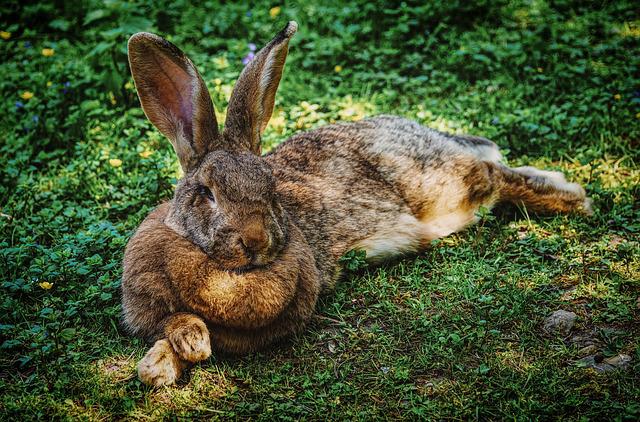
- Ear vasodilation: A rabbit's ears contain a dense network of blood vessels close to the surface. When a rabbit gets warm, blood flow to the ears increases, allowing heat to radiate out through the thin skin. This is why you will notice your rabbit's ears feeling warmer during hot weather. Larger-eared breeds like Flemish Giants and English Lops have an advantage here, while compact breeds like Netherland Dwarfs overheat more easily.
- Nasal breathing rate: Rabbits adjust their nose twitching speed to regulate airflow. Faster twitching increases air exchange across the moist nasal membranes, providing some evaporative cooling. A resting rabbit typically breathes 30 to 60 times per minute. Rates above 60 indicate the rabbit is actively trying to cool down or is stressed.
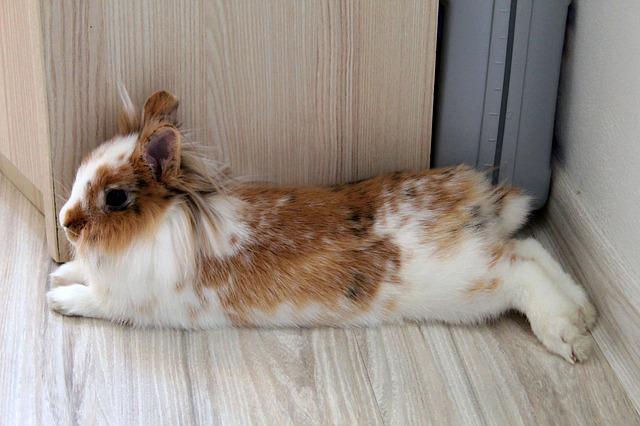
- Behavioral cooling: Rabbits will seek cool surfaces, stretch out flat (called "splooting"), and dig into earth or bedding to find cooler ground. Wild rabbits spend the hottest parts of the day underground in their warrens.
- Lip sweat glands: Rabbits do have a handful of sweat glands on their lips, but these are so minimal they provide virtually no cooling benefit. They appear to play a role in scent marking rather than thermoregulation.
The ideal temperature range for rabbits is 60 to 70°F (15 to 21°C). Once ambient temperatures exceed 80°F (27°C), rabbits begin to struggle, especially breeds with thick, dense coats like Rex or Angoras.
What Does It Mean When a Rabbit Looks Like It Is Panting?
If your rabbit appears to be panting, what you are actually seeing is rapid or labored breathing. This is called tachypnea (fast breathing) or dyspnea (difficult breathing), and it always signals a problem. The causes range from mild and temporary to immediately life-threatening.
Temporary Fast Breathing (Usually Not Dangerous)
Some situations cause temporary rapid breathing that resolves on its own within a few minutes:
- After exercise: Rabbits that have been running, binkying, or playing vigorously will breathe faster as they recover. This is normal and should return to baseline within 5 to 10 minutes.
- Stress or fear: A sudden noise, unfamiliar person, or perceived predator can trigger fast breathing. If your rabbit is also shaking and laying down, the stress may be more severe.
- Mild warmth: On a warm day (75 to 80°F), your rabbit may breathe slightly faster as its ears work to dissipate heat. Provide shade and cool water, and monitor closely.
In these cases, the breathing rate should normalize within 10 to 15 minutes. If it does not, something else is going on.
Dangerous Causes of Rapid Breathing in Rabbits
The following conditions cause rapid breathing that will not resolve on its own and requires intervention:
How to Recognize Heatstroke in Rabbits
Heatstroke is the most common reason a rabbit appears to pant. Because rabbits cannot sweat or pant, their body temperature can spike dangerously fast, especially in temperatures above 80°F (27°C) with high humidity.
A rabbit's normal body temperature is 101 to 103°F (38.3 to 39.4°C). Heatstroke begins when body temperature exceeds 104°F (40°C) and becomes fatal above 106°F (41.1°C).
Early Warning Signs of Heatstroke
| Sign | What to Look For |
|---|---|
| Hot ears | Ears feel significantly warmer than normal, with visible reddening of blood vessels |
| Fast breathing | Breathing rate exceeds 60 breaths per minute at rest |
| Wet nose | Excessive moisture around the nostrils as the rabbit tries to cool nasal passages |
| Lethargy | Rabbit is reluctant to move, seems weak or unresponsive |
| Sprawling | Lying flat and stretched out on cool surfaces |
Advanced Heatstroke Symptoms (Emergency)
- Open-mouth breathing or gasping
- Bluish or grayish discoloration of the lips and gums
- Drooling or excess salivation
- Loss of coordination or stumbling
- Seizures or convulsions
- Complete collapse and unresponsiveness
If you see any advanced symptoms, your rabbit needs a veterinarian within minutes. Heatstroke can kill a rabbit in under an hour once symptoms progress to this stage.
How to Cool Down an Overheating Rabbit
- Move to a cool area immediately. Bring your rabbit indoors to an air-conditioned room if possible. If not, move to the shadiest, coolest spot available.
- Dampen the ears with cool (not cold) water. Since the ears are the primary cooling organ, gently wiping them with a cool, damp cloth helps radiate heat. Never use ice water, as extreme cold can cause the blood vessels to constrict, trapping heat inside the body.
- Place a frozen water bottle wrapped in a towel nearby. Let your rabbit lean against it if it chooses. Do not force the rabbit onto it.
- Mist the fur lightly. A light misting with cool water can help. Do not soak your rabbit, as a drenched coat can actually insulate body heat and the shock of being soaked can worsen the situation.
- Offer fresh, cool water. Dehydration and heatstroke go hand in hand. You can add a few ice cubes to the water bowl. If the rabbit will not drink, wet the lips gently with a syringe.
- Set up a fan for airflow. A fan blowing across the rabbit (not directly in its face) helps with evaporative cooling from any moisture on the fur and ears.
Even if your rabbit seems to recover after cooling measures, a veterinary checkup is still recommended. Internal organ damage from heatstroke can be delayed and may not show symptoms for 24 to 48 hours.
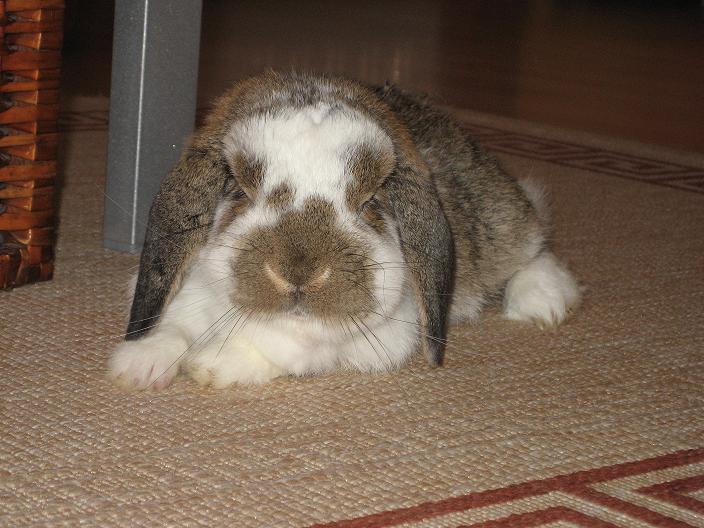
Can GI Stasis Make a Rabbit Look Like It Is Panting?
Yes. Gastrointestinal stasis (GI stasis) is one of the most dangerous conditions in rabbits, and rapid, shallow breathing is a key symptom. GI stasis occurs when the normal muscular contractions of the gut slow down or stop completely, causing gas to build up painfully in the intestines.
A rabbit with GI stasis will often sit hunched up, pressing its belly to the ground, and breathing rapidly from pain. This can easily be mistaken for panting. Other signs include:
- Reduced or absent fecal pellets (or very small, hard droppings)
- Loud gurgling stomach sounds, or complete silence where gut sounds should be
- Refusal to eat, including favorite treats
- Teeth grinding (a sign of pain, different from the soft "purring" grind of contentment)
- A bloated or tight-feeling abdomen
GI stasis can progress to a fatal stage within 12 to 24 hours if untreated. In the terminal stage, the rabbit may shake uncontrollably while struggling to breathe. This is not panting. It is the body shutting down.
If you suspect GI stasis, withhold pellets but offer unlimited hay and water. Gentle belly massage in a circular motion can sometimes help restart gut motility. However, if the rabbit is not eating or producing droppings within a few hours, get to a rabbit-savvy vet immediately. They may administer gut motility drugs (like metoclopramide or cisapride), pain medication, and subcutaneous fluids.
Can Parasites Cause Fast Breathing in Rabbits?
Yes. Several parasitic infections can cause neurological symptoms that include rapid or irregular breathing, tremors, and movements that look like panting.
The most significant is Encephalitozoon cuniculi (E. cuniculi), a microsporidian parasite that affects up to 50% of domestic rabbits according to the MSD Veterinary Manual. Many rabbits carry E. cuniculi without symptoms, but when the parasite spreads to the brain and nervous system, it can cause:
- Head tilt (wry neck or torticollis)
- Loss of balance and rolling
- Tremors and seizures that resemble panting or shaking
- Hind limb weakness or paralysis
- Kidney lesions and increased thirst
- Cataracts or lens rupture (the parasite can infect the eyes)
E. cuniculi spreads through contaminated urine and can remain infectious in the environment for over a month. Treatment typically involves fenbendazole (Panacur) administered orally for 28 days, along with anti-inflammatory medication to reduce brain swelling.
Can Ear Infections Make Rabbits Breathe Rapidly?
Absolutely. Bacterial otitis media and interna (middle and inner ear infections) are relatively common in rabbits, especially lop-eared breeds where the ear canal anatomy promotes bacterial growth.
The infection typically starts in the upper respiratory tract and travels to the middle ear through the Eustachian tube. When the infection reaches the inner ear, it can affect the vestibular system (balance center) and even spread to the brain.
Symptoms of Ear Infection in Rabbits
- Head tilt toward the affected side
- Scratching or pawing at the ear
- Loss of balance, circling, or falling over
- Nystagmus (rapid involuntary eye movement)
- Discharge or bad smell from the ear
- In severe cases: seizures, encephalitis, and rapid breathing
Seizures from advanced ear infections can look very much like panting or gasping to an inexperienced owner. If your rabbit is breathing rapidly and showing any signs of head tilt or balance issues, an ear infection should be high on the list of suspects.
Treatment involves long-term antibiotics (often enrofloxacin or penicillin G) for a minimum of 4 to 6 weeks. In some cases, surgery to drain the middle ear (bulla osteotomy) may be necessary. Recovery from the head tilt can take weeks to months, and some rabbits retain a permanent slight tilt.
Other Medical Causes of Fast Breathing in Rabbits
Beyond the major causes above, several other conditions can produce rapid breathing:
| Condition | Breathing Pattern | Other Symptoms |
|---|---|---|
| Upper respiratory infection (snuffles) | Noisy, congested breathing with increased rate | Nasal discharge, sneezing, wet forepaws from wiping nose |
| Pneumonia | Rapid, shallow breathing, may hear crackling | Fever, lethargy, blue-tinged lips |
| Heart disease | Persistently elevated resting rate | Exercise intolerance, fluid retention, coughing |
| Pain (any source) | Fast, shallow breathing with tense body | Teeth grinding, hunched posture, reluctance to move |
| Bloat | Rapid, distressed breathing | Swollen abdomen, no droppings, rabbit stretching repeatedly |
Any rabbit breathing consistently faster than 60 breaths per minute at rest (when not recently exercised or obviously stressed) should be evaluated by a veterinarian.
How to Prevent Overheating and Breathing Problems
Since rabbits cannot pant, prevention is your best tool for keeping them safe during warm weather and protecting their respiratory health year-round.
Temperature Management
- Keep indoor rabbits in rooms that stay below 75°F (24°C)
- Never place cages or hutches in direct sunlight
- Provide ceramic tiles or marble slabs for rabbits to lie on (these stay naturally cool)
- Use frozen water bottles wrapped in towels during heat waves
- If housing rabbits outdoors, ensure the hutch is fully shaded during all daylight hours and has adequate ventilation
- Move outdoor rabbits inside when temperatures exceed 85°F (29°C)
Hydration
- Always provide fresh, clean water (change daily at minimum)
- Offer both a water bottle and a water bowl, as many rabbits drink more from bowls
- Add ice cubes to water during hot weather
- Feed water-rich vegetables like cucumber, romaine lettuce, and celery to supplement hydration
Respiratory Health
- Use dust-free bedding (avoid cedar and pine shavings, which release harmful phenols)
- Keep the living area well-ventilated but draft-free
- Clean litter boxes regularly to prevent ammonia buildup, which damages respiratory tissue
- Quarantine new rabbits for at least 2 weeks before introducing them to existing rabbits
- Schedule annual veterinary checkups that include dental and respiratory assessment
When to Call the Vet About Your Rabbit's Breathing
Not every episode of fast breathing is an emergency, but certain situations demand immediate veterinary care. Call your vet right away if you observe any of the following:
- Open-mouth breathing or gasping at any time
- Blue, gray, or white discoloration of the lips or gums
- Breathing rate over 60 per minute that persists beyond 15 minutes at rest
- Fast breathing combined with refusal to eat for more than 4 to 6 hours
- Fast breathing with head tilt, loss of balance, or seizures
- Nasal discharge (especially if thick, white, yellow, or bloody)
- Audible wheezing, crackling, or clicking sounds during breathing
- Fast breathing combined with a distended or hard abdomen
When in doubt, err on the side of calling. Rabbits are prey animals that instinctively hide illness until they are severely compromised. By the time breathing problems are obvious, the underlying condition may already be advanced.
Frequently Asked Questions
Can rabbits breathe through their mouths?
No, rabbits are obligate nasal breathers and cannot breathe through their mouths under normal conditions. If a rabbit is mouth-breathing, it is in severe respiratory distress and needs emergency veterinary care immediately. This is never normal behavior.
Is it normal for my rabbit to breathe fast after running?
Yes, rabbits breathe faster after exercise to recover, just like humans. A healthy rabbit should return to its normal resting breathing rate of 30 to 60 breaths per minute within 5 to 10 minutes. If fast breathing continues longer, check the ambient temperature and watch for other symptoms.
What temperature is too hot for rabbits?
Rabbits begin to struggle when temperatures exceed 80°F (27°C), and temperatures above 85°F (29°C) become dangerous, especially with high humidity. The ideal temperature range is 60 to 70°F (15 to 21°C). Breeds with dense fur, overweight rabbits, and elderly rabbits are at higher risk.
How can I tell if my rabbit is overheating or just stressed?
Check the ears. If your rabbit's ears are abnormally hot and the blood vessels are visibly engorged, overheating is likely. A stressed rabbit will typically have cool or normal-temperature ears but may thump, hide, or flatten against the ground. Both situations warrant attention, but overheating is more immediately dangerous.
Why is my rabbit shaking and breathing fast at the same time?
Shaking combined with fast breathing usually indicates pain, fear, or a serious medical condition like GI stasis, heatstroke, or a neurological problem. If shaking persists for more than a few minutes and your rabbit is not eating or moving normally, seek veterinary care promptly.
Cite this article:
Cite this article:
BunnySync (March 13, 2026) Do Rabbits Pant? Why Rabbits Can't Pant and What Fast Breathing Means. Retrieved from https://bunnysync.com/blog/do-rabbits-pant.
"Do Rabbits Pant? Why Rabbits Can't Pant and What Fast Breathing Means." BunnySync - March 13, 2026, https://bunnysync.com/blog/do-rabbits-pant