No, rabbits should not eat pickles. Pickles are cucumbers that have been soaked in a brine of vinegar, salt, and spices, making them far too high in sodium and acidity for a rabbit's sensitive digestive system. While a tiny nibble of pickle is unlikely to cause a medical emergency, pickles offer zero nutritional benefit to rabbits and carry real risks including dehydration, GI stasis, and reduced growth over time.
As breeders, we have seen rabbits accidentally get into pickle jars left on counters. The good news is that most rabbits will avoid pickles on their own because the strong vinegar smell repels them. But if your rabbit did eat some, you need to know exactly what to watch for and how to respond. This guide covers the full picture: why pickles are harmful, what the sodium numbers actually mean, the specific health risks, and what safe alternatives you can offer instead.
Why Are Pickles Bad for Rabbits?
Pickles start as cucumbers, which are perfectly safe for rabbits in moderation. The problem is everything that happens during the pickling process. Cucumbers get submerged in a solution of water, vinegar, and salt, often with added garlic, dill, mustard seeds, and other spices. This transformation turns a rabbit-safe vegetable into something completely unsuitable for them.
Excessive Sodium Content
A single pickle slice (about 7 grams) contains roughly 61 mg of sodium, according to USDA nutritional data. That might not sound like much, but consider this: a whole medium pickle (about 65 grams) packs around 570 mg of sodium. For a 2 kg (4.4 lb) rabbit, the recommended sodium intake is only 10 to 20 grams per kilogram of diet, and most of that is already covered by their regular hay, pellets, and vegetables.
The BSAVA Manual of Rabbit Medicine notes that excess dietary sodium is associated with reduced growth rates in rabbits. While it takes a significant amount to reach truly dangerous levels (over 8 to 10 g NaCl per kg of diet), the issue is cumulative. Your rabbit is already getting sodium from other sources in their daily food, and adding a high-sodium food like pickles tips the balance unnecessarily.
High Acidity from Vinegar
Pickles are preserved in vinegar, which gives them a pH between 2.5 and 4.5. A rabbit's stomach has a natural pH of 1 to 2 when empty, but their overall digestive system, especially the cecum where fermentation occurs, relies on a carefully balanced microbial environment. Introducing highly acidic foods can disrupt the cecal flora and lead to digestive upset.
Interestingly, vinegar is actually used as a rabbit repellent by gardeners. The strong, sour smell is offensive to rabbits' sensitive noses, which is why most rabbits will turn away from pickles if offered one. Their instincts are telling them this is not food.
Added Spices and Preservatives
Most commercial pickles contain additional ingredients that are problematic for rabbits:
- Garlic: Many pickle recipes include garlic, which belongs to the allium family and is toxic to rabbits. Even small amounts can cause oxidative damage to red blood cells.
- Mustard seeds: These can cause gastrointestinal irritation in rabbits.
- Sugar: Bread-and-butter pickles and sweet pickles contain significant added sugar, which disrupts the gut flora and can trigger enteritis.
- Calcium chloride: Often added as a firming agent, this adds even more unnecessary minerals to your rabbit's diet.
- Artificial preservatives: Sodium benzoate and potassium sorbate are common in commercial pickles and have not been tested for safety in rabbits.
Zero Fiber Content
Rabbits need a diet that is at least 80% hay to keep their digestive system functioning properly. Pickles contain virtually no fiber. If a rabbit fills up on pickles instead of hay, they miss out on the long-strand fiber that keeps their gut moving. This is how GI stasis develops, and it can be life-threatening if not caught early.
What Happens If a Rabbit Eats a Pickle?
The severity of the reaction depends on how much pickle the rabbit ate and their individual sensitivity. Here is what to expect based on the amount consumed.
A Small Nibble (One Bite or Less)
If your rabbit took a single bite of pickle, there is usually no cause for alarm. The amount of sodium and vinegar in one bite is small enough that a healthy rabbit's kidneys can process it without issue. Monitor your rabbit for the next 12 to 24 hours, but you likely will not see any symptoms.
A Few Slices (10 to 20 Grams)
At this level, you may notice some mild digestive upset. Watch for:
- Soft or misshapen cecotropes
- Slightly reduced appetite for the next meal
- Increased water consumption as the kidneys work to flush the excess sodium
- Mild lethargy for a few hours
Offer plenty of fresh timothy hay and clean water. The fiber will help normalize gut function, and the water will help dilute and flush the sodium.
A Whole Pickle or More
This is unlikely since most rabbits refuse pickles, but if it happens, take it seriously. A whole medium pickle delivers around 570 mg of sodium, which is a significant hit for a small animal. Symptoms to watch for include:
- Diarrhea or very wet droppings
- Complete loss of appetite
- Excessive thirst and frequent urination
- Bloating or a distended abdomen
- Grinding teeth (a sign of pain in rabbits)
- No droppings for more than 8 to 12 hours (a sign of GI stasis)
If you observe any of these symptoms, contact your veterinarian immediately. GI stasis can become fatal within 24 to 48 hours if left untreated.
Health Risks of Feeding Pickles to Rabbits
Even if your rabbit seems fine after eating a pickle once, there are several documented health risks associated with feeding pickles to rabbits regularly.
Gastrointestinal Stasis
GI stasis is the most serious risk. When a rabbit's gut slows down or stops, gas builds up in the intestines, causing severe pain and further reducing the rabbit's desire to eat. This creates a dangerous cycle. The vinegar and sodium in pickles can disrupt the delicate balance of bacteria in the cecum, triggering this slowdown. According to veterinary research on managing GI stasis, dietary disruptions are one of the primary causes.
Dehydration
High sodium intake forces the kidneys to work harder to maintain electrolyte balance. This means the rabbit excretes more water through urine, which can lead to dehydration if they do not drink enough to compensate. Dehydration in rabbits compounds the risk of GI stasis because the gut contents become drier and harder to move through the intestinal tract.
Reduced Growth in Young Rabbits
The BSAVA Manual of Rabbit Medicine specifically notes that elevated dietary sodium is linked to reduced growth rates. For growing kits and juvenile rabbits, this is especially concerning. Young rabbits have higher metabolic demands, and any disruption to their nutrition can have lasting effects on their development and adult size.
Kidney Strain
Rabbits have relatively small kidneys for their body size. Consistently feeding high-sodium foods forces these organs to work overtime filtering excess salt from the blood. Over time, this additional workload can contribute to kidney damage, particularly in older rabbits or those with pre-existing kidney conditions.
Diarrhea and Cecal Dysbiosis
The combination of vinegar, salt, and spices can disrupt the cecal microbiome, the population of beneficial bacteria that ferments fiber in the rabbit's large intestine. When this microbiome is thrown off balance, the result is often diarrhea or abnormal cecotropes. True diarrhea (as opposed to soft cecotropes) is a medical emergency in rabbits and requires immediate veterinary attention.
Would a Rabbit Voluntarily Eat Pickles?
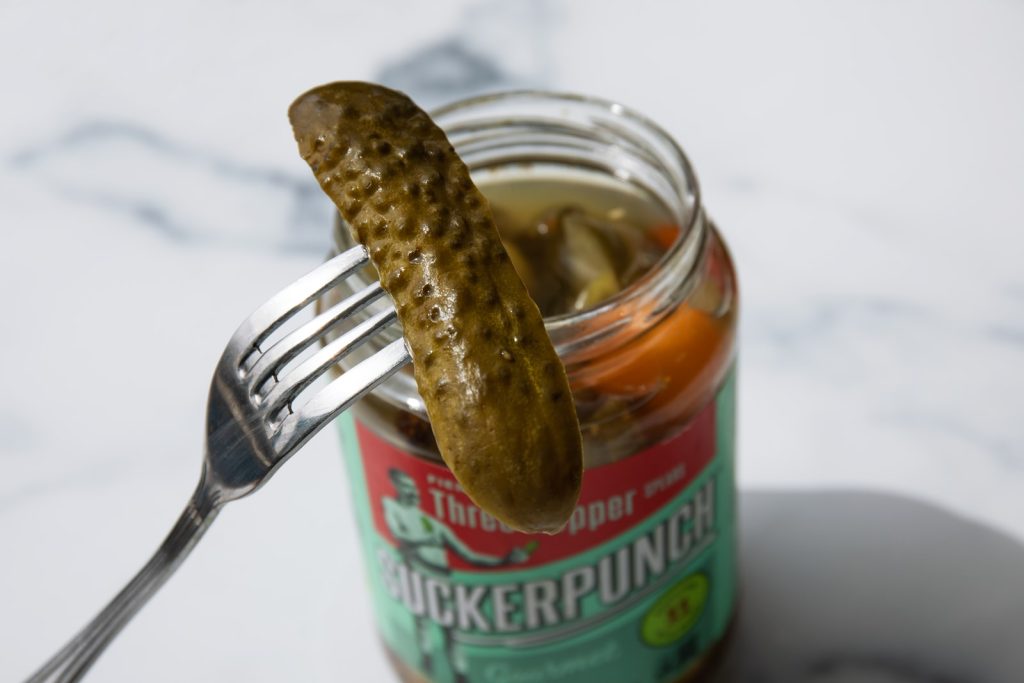
In our experience, the vast majority of rabbits will not touch a pickle. Rabbits have approximately 17,000 taste buds (compared to about 10,000 in humans), and they are particularly sensitive to sour and bitter flavors. The strong vinegar smell alone is usually enough to make them hop away.
Gardeners have long used vinegar sprays as a natural rabbit deterrent around vegetable gardens. The acetic acid in vinegar produces a smell that rabbits find genuinely unpleasant. Since pickles are essentially vinegar-soaked cucumbers, the same principle applies.
That said, every rabbit has a unique personality. Some adventurous rabbits may take an exploratory nibble, especially if they associate the smell of cucumber with a safe food. This is most likely to happen with lightly pickled or fresh refrigerator pickles that have a milder vinegar taste compared to heavily brined shelf-stable varieties.
What About Different Types of Pickles?
Not all pickles are created equal, but none of them are suitable for rabbits. Here is how the most common types compare.
| Pickle Type | Sodium per 100g | Key Concern for Rabbits | Safe? |
|---|---|---|---|
| Dill pickles | ~1,208 mg | Very high sodium | No |
| Kosher dill pickles | ~1,208 mg | High sodium, garlic content | No |
| Bread-and-butter pickles | ~717 mg | High sugar and sodium | No |
| Sweet gherkins | ~673 mg | Very high sugar | No |
| Sour pickles | ~1,208 mg | Extreme acidity | No |
| Pickled vegetables (mixed) | ~900 mg | Sodium, vinegar, spices | No |
Even "low sodium" pickle varieties still contain significant amounts of vinegar and preservatives that make them inappropriate for rabbits. The bottom line: if it has been pickled, it is not rabbit food.
What to Do If Your Rabbit Ate Pickles
If you discover that your rabbit has gotten into pickles, follow these steps:
- Remove access immediately. Take away any remaining pickles and clean up any pickle juice or brine that may have spilled.
- Provide fresh water. Make sure your rabbit has access to plenty of clean, fresh water. The extra sodium will make them thirsty, and adequate hydration helps the kidneys flush the salt.
- Offer unlimited hay. Timothy hay or orchard grass will provide the fiber needed to keep the gut moving and help dilute any irritants in the digestive tract.
- Monitor droppings. Check your rabbit's litter box every few hours for the next 24 hours. Normal droppings should be round, dry, and uniform. Any changes in size, shape, consistency, or frequency are warning signs.
- Watch their behavior. A rabbit that is hunched up, grinding their teeth, refusing food, or unusually still may be in pain. These are signs of GI distress that need veterinary attention.
- Contact your vet if needed. If your rabbit stops eating, stops producing droppings, develops diarrhea, or shows signs of pain, call your veterinarian right away. Do not wait to see if it resolves on its own.
Safe Alternatives to Pickles for Rabbits
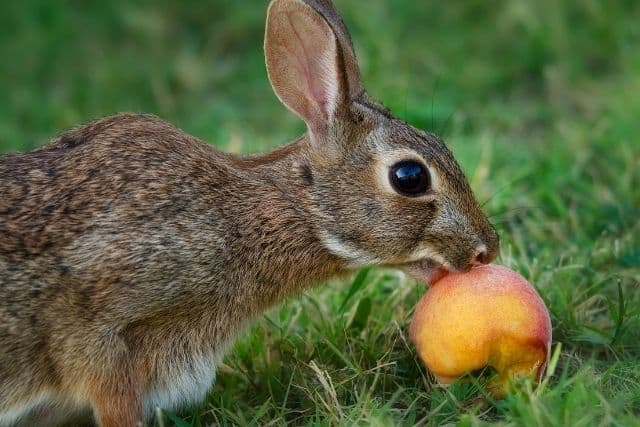
If you want to give your rabbit a treat, skip the pickles and reach for something that is actually good for them. Here are some breeder-approved options, organized by category.
Safe Vegetables (Daily Rotation)
These can be fed daily as part of a balanced rabbit feeding plan. Aim for about 1 cup of mixed vegetables per 2 lbs of body weight per day.
- Fresh cucumber (the unpickled version is perfectly safe and hydrating)
- Bell peppers (remove seeds)
- Cilantro
- Basil
- Parsley
- Romaine lettuce
- Bok choy
Safe Fruits (Treats Only, 1 to 2 Times Per Week)
Fruits are higher in sugar, so limit them to 1 to 2 tablespoons per 2 lbs of body weight, no more than twice per week.
- Apple (remove seeds and stem)
- Strawberries
- Blueberries
- Watermelon (remove seeds)
- Banana (small slices only)
- Pear
Safe Herbs
Frequently Asked Questions
Can rabbits eat pickle juice?
No, pickle juice is even worse than the pickles themselves. It is concentrated brine with extremely high sodium levels, vinegar, and dissolved spices. Even a small amount of pickle juice can cause digestive upset in rabbits. Keep all pickle jars and containers securely sealed and out of your rabbit's reach.
Can rabbits eat pickled vegetables other than cucumbers?
No. The pickling process adds the same problematic ingredients (salt, vinegar, spices) regardless of which vegetable is pickled. Pickled carrots, pickled beets, pickled peppers, and any other pickled vegetable are all unsafe for rabbits. Always offer vegetables fresh and washed instead.
My rabbit ate one pickle slice. Should I go to the vet?
A single pickle slice is unlikely to cause a medical emergency in a healthy adult rabbit. Offer fresh water and plenty of hay, and monitor their droppings and behavior for 24 hours. Only visit the vet if you notice diarrhea, loss of appetite, lethargy, or no droppings for more than 12 hours.
Are homemade pickles safer for rabbits than store-bought?
No. Homemade pickles still contain vinegar and salt, which are the primary concerns for rabbits. While homemade versions may have fewer artificial preservatives, the sodium and acidity levels are comparable to commercial products. Neither type is appropriate for rabbit consumption.
Can rabbits eat fresh cucumbers instead of pickles?
Yes. Fresh, washed cucumbers are safe for rabbits and make an excellent hydrating treat. They are low in calories, contain some fiber, and most rabbits enjoy the mild, crisp flavor. Offer cucumber slices 2 to 3 times per week as part of a varied vegetable rotation alongside unlimited hay.
Cite this article:
Cite this article:
BunnySync (March 12, 2026) Can Rabbits Eat Pickles? Why Pickled Foods Are Unsafe for Rabbits. Retrieved from https://bunnysync.com/blog/can-rabbits-eat-pickles.
"Can Rabbits Eat Pickles? Why Pickled Foods Are Unsafe for Rabbits." BunnySync - March 12, 2026, https://bunnysync.com/blog/can-rabbits-eat-pickles