Yes, rabbits can eat small amounts of toilet paper without serious harm. Toilet paper is made primarily from wood pulp, which is a plant-based cellulose fiber, so nibbling on it during playtime is not toxic. However, toilet paper has almost zero nutritional value and should never replace hay in your rabbit's diet. Most rabbits will shred and chew toilet paper rolls out of curiosity or boredom, swallowing only tiny pieces in the process. As long as your rabbit still eats their normal hay, pellets, and greens, the occasional nibble of toilet paper is nothing to worry about.
That said, there are real risks when a rabbit starts eating excessive amounts of toilet paper or cardboard. In this guide, we cover exactly what types of paper are safe, the health risks of overconsumption, signs of digestive trouble to watch for, and better alternatives that satisfy your rabbit's natural urge to chew.
Is Toilet Paper Safe for Rabbits?
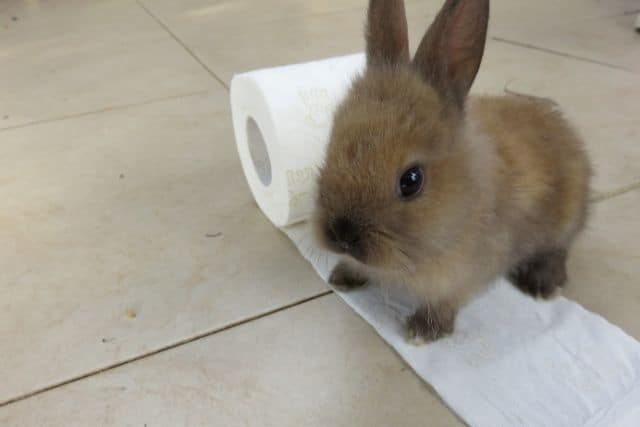
Toilet paper is generally safe for rabbits in small quantities. It is made from wood pulp that has been processed into soft, thin sheets. Unlike printed materials, plain white toilet paper contains no inks, dyes, or chemical coatings that could harm your rabbit.
The key factor is quantity. A rabbit that tears apart a toilet paper roll during play and swallows a few small pieces is not in danger. The cellulose fibers will pass through their digestive system much like low-quality roughage. Problems only arise when a rabbit begins consuming large volumes of toilet paper, replacing the fiber-rich hay their gut depends on.
Why Do Rabbits Chew on Toilet Paper?
Rabbits are natural chewers. Their teeth grow continuously throughout their lives, at a rate of roughly 2 to 3 millimeters per week. Chewing on fibrous materials helps wear down their teeth and prevents painful dental overgrowth. If you have ever dealt with overgrown teeth in rabbits, you know how serious this issue can become.
Toilet paper rolls are lightweight, easy to shred, and satisfying for rabbits to tear apart. The texture and resistance of cardboard tubing gives them something to grip and gnaw on. Many rabbit owners hand their bunny an empty roll specifically as an enrichment toy, and this is a perfectly fine practice as long as you monitor how much paper your rabbit actually ingests.
Plain vs. Scented vs. Colored Toilet Paper
Not all toilet paper is created equal when it comes to rabbit safety. Here is a quick breakdown:
| Type | Safe for Rabbits? | Notes |
|---|---|---|
| Plain white (unscented) | Yes, in small amounts | No dyes or fragrances. Safest option. |
| Scented toilet paper | No | Contains chemical fragrances that can irritate a rabbit's sensitive respiratory system and gut. |
| Colored or printed | Avoid | Dyes may contain chemicals not tested for animal ingestion. |
| Recycled toilet paper | Use with caution | May contain trace amounts of BPA from recycled thermal paper. Plain white recycled is generally fine. |
If you are going to let your rabbit play with toilet paper, always stick with plain, unscented, white varieties. This eliminates any concern about chemical additives entering your rabbit's system.
What Types of Paper Can Rabbits Safely Eat?
Beyond toilet paper, rabbits may encounter other paper products around the house. Here is what you need to know about each type.
Newspaper
Newspaper is one of the safer printed papers for rabbits. Most modern newspapers use soy-based or vegetable-based inks, which are non-toxic. Newspaper is commonly used as rabbit cage lining and bedding material. If your rabbit nibbles on a small piece of newspaper while sitting on it, there is no cause for alarm.
Cardboard
Plain, uncoated cardboard is safe for rabbits to chew on in moderation. Avoid cardboard with glossy coatings, heavy printing, tape, or staples. Always remove any metal fasteners before giving cardboard to your rabbit, as these pose a serious choking hazard.
Magazines and Glossy Paper
Magazines and glossy flyers should never be given to rabbits. These materials are printed with petroleum-based inks and coated with clay or plastic finishes. The combination of non-food-safe inks and coating materials makes them genuinely dangerous for rabbits to ingest.
Paper Towels
Paper towels are similar to toilet paper in composition and are safe in small amounts. However, they tend to be thicker and more absorbent, which means they can clump together in a rabbit's stomach if eaten in large quantities. Use the same caution as with toilet paper: a few nibbles are fine, but do not let your rabbit eat sheets of it.
Health Risks of Eating Too Much Toilet Paper
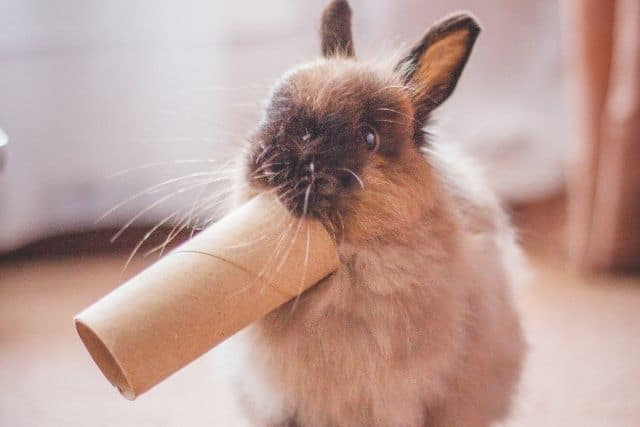
While a small amount of toilet paper passes through a rabbit's system without issue, excessive consumption creates several potentially life-threatening problems. A rabbit's digestive system is finely tuned to process high-fiber hay, and replacing that hay with toilet paper disrupts the entire balance.
Gastrointestinal (GI) Stasis
GI stasis is one of the most dangerous conditions in rabbits. It occurs when the normal muscular contractions of the gut slow down or stop entirely, allowing food to sit and ferment in the digestive tract. According to veterinary research published in Vet Times, GI stasis can lead to a dangerous buildup of gas, toxin production by harmful bacteria, and eventually organ failure if left untreated.
Toilet paper does not provide the long-strand fiber that keeps a rabbit's gut motile. When a rabbit fills up on toilet paper instead of hay, the gut slows down, bacteria proliferate, and gas builds painfully in the intestines.
Watch for these warning signs of GI stasis:
- Reduced or absent fecal pellets
- Small, misshapen, or mucus-coated droppings
- Loss of appetite or refusal to eat
- Hunched posture with a tense abdomen
- Teeth grinding (a sign of pain in rabbits)
- Lethargy or reluctance to move
If you notice any combination of these symptoms, especially if your rabbit has stopped pooping, treat it as an emergency and contact your veterinarian immediately. GI stasis can be fatal within 24 to 48 hours without treatment.
Intestinal Blockage
Large quantities of toilet paper or cardboard can form a dense mass in the gut that physically blocks the passage of food. Unlike fur (which can also cause blockages), paper does not break down easily once it has clumped together with moisture in the stomach.
An intestinal blockage is a veterinary emergency that often requires surgical intervention. Symptoms include a completely distended, hard abdomen, total loss of appetite, and no fecal output for 12 or more hours.
Diarrhea
A sudden large intake of any non-food substance can disrupt the delicate bacterial balance in a rabbit's cecum, the fermentation chamber where beneficial microbes break down fiber. This disruption can trigger diarrhea, which in rabbits is a medical emergency. Rabbits dehydrate rapidly, and severe diarrhea (true watery stool, not just soft cecotropes) can be fatal within hours, especially in young or elderly rabbits.
Nutritional Deficiency
Toilet paper contains no vitamins, minerals, or usable protein. A rabbit that regularly fills up on paper instead of hay will gradually develop nutritional deficiencies. Over time, this leads to weight loss, a dull coat, weakened immune function, and dental problems from insufficient tooth wear (toilet paper is far too soft to grind down teeth effectively).
How to Tell If Your Rabbit Is Eating Too Much Paper
Most rabbits shred toilet paper rolls without actually eating much of the material. They enjoy the act of tearing and tossing more than consuming. However, some rabbits do develop a habit of actually ingesting paper. Here are the signs to watch for:
- The roll disappears quickly. If you give your rabbit a toilet paper roll and the paper is completely gone (not scattered around the enclosure) within an hour, your rabbit is likely eating it rather than just playing.
- Reduced hay consumption. Track how much hay your rabbit eats daily. If hay intake drops noticeably when paper toys are available, your rabbit may be substituting paper for hay.
- Changes in droppings. Look for smaller, lighter-colored, or irregularly shaped fecal pellets. Paper fragments visible in droppings are a clear sign of ingestion.
- Papery residue around the mouth. If your rabbit's chin or lips appear damp with paper pulp, they are chewing and swallowing rather than just shredding.
If you confirm your rabbit is eating excessive amounts of paper, remove all paper-based toys immediately and replace them with safer alternatives.
Better Alternatives to Toilet Paper Rolls for Rabbits
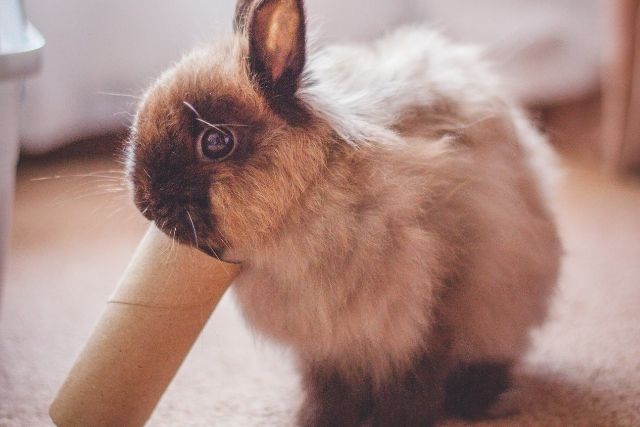
If your rabbit tends to eat too much paper, or if you simply want to provide more beneficial enrichment, consider these alternatives. Wood-based and natural fiber toys are better for dental health because they require more effort to chew, which helps redirect your rabbit's chewing instinct toward something productive.
Natural Wood Chew Toys
These are the gold standard for rabbit enrichment. They provide genuine resistance that wears down teeth and keeps rabbits mentally stimulated:
- Willow balls and willow sticks: Soft enough for rabbits to chew comfortably but firm enough to provide real dental benefit. Willow is completely safe for rabbits and most love the taste.
- Apple wood sticks: Slightly harder than willow, excellent for aggressive chewers. Make sure the wood is untreated and pesticide-free.
- Willow bridges and tunnels: Serve double duty as a hiding spot and a chew toy.
- Wooden dumbbells: Designed specifically for small animals, easy for rabbits to pick up and toss around.
Hay-Based Toys
Hay-based toys combine enrichment with nutrition:
- Timothy hay cubes: Compressed blocks of hay that rabbits can gnaw on for extended periods.
- Hay stuffing toys: Hollow balls or tubes that you fill with loose hay, encouraging foraging behavior.
- Woven grass mats: Flat mats made from seagrass or timothy hay that rabbits can shred and eat safely.
DIY Safe Enrichment
You do not need to spend a lot on rabbit toys. Here are some budget-friendly options:
- Stuff a toilet paper roll with hay so your rabbit gets the fun of tearing apart the roll while eating hay inside.
- Stack plain cardboard boxes with holes cut in them to create a digging and exploring structure.
- Place treats inside a paper bag (plain, unprinted brown bags only) and let your rabbit forage for them.
- Offer untreated pine cones (dried and cleaned) as a natural, free chew toy.
The hay-stuffed toilet paper roll trick is especially effective. Your rabbit still gets the satisfaction of destroying the roll, but they consume beneficial hay rather than paper in the process.
When to See a Veterinarian
If your rabbit has eaten a large amount of toilet paper or any paper product, monitor them closely for the following 24 to 48 hours. Contact your rabbit-savvy veterinarian immediately if you observe:
- No fecal pellets for more than 12 hours
- Watery diarrhea (not just soft cecotropes)
- Complete refusal to eat or drink
- A bloated, hard, or painful abdomen
- Teeth grinding or pressing their belly to the floor
- Extreme lethargy or unresponsiveness
According to the RSPCA, rabbits are prey animals that instinctively hide illness, so by the time you notice obvious symptoms, the situation may already be serious. Early veterinary intervention significantly improves outcomes for digestive emergencies.
While waiting for your appointment, you can gently massage your rabbit's abdomen in small circles to encourage gut movement, offer fresh hay and water, and keep them in a warm, quiet space. Do not force-feed or give any medications without veterinary guidance.
Frequently Asked Questions
Can rabbits play with toilet paper rolls without eating them?
Can rabbits eat newspaper safely?
Can rabbits eat cardboard?
What should I do if my rabbit ate a lot of toilet paper?
Are toilet paper rolls better than wood chew toys for rabbits?
Cite this article:
Cite this article:
BunnySync (March 13, 2026) Can Rabbits Eat Toilet Paper? Safety Guide for Rabbit Owners. Retrieved from https://bunnysync.com/blog/can-rabbits-eat-toilet-paper.
"Can Rabbits Eat Toilet Paper? Safety Guide for Rabbit Owners." BunnySync - March 13, 2026, https://bunnysync.com/blog/can-rabbits-eat-toilet-paper