Can Rabbits Safely Eat Green Beans?
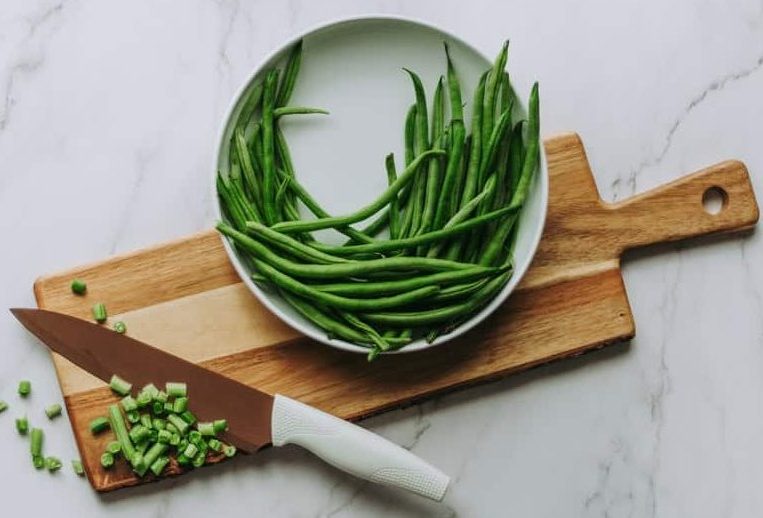
Yes, rabbits can eat green beans safely. Green beans (Phaseolus vulgaris), also called French beans, string beans, or snap beans, are a nutritious vegetable that most rabbits enjoy. The key requirement is that your rabbit must be at least 12 weeks old before you introduce green beans, and you should always feed them in moderation as part of a balanced, hay-based diet.
Green beans provide moderate amounts of vitamin A along with trace amounts of several other essential nutrients. They are low in sugar compared to fruits, making them one of the safer vegetable options for regular feeding. However, like all vegetables, green beans should never replace hay as the foundation of your rabbit's diet.
In our rabbitry, green beans are a consistent favorite. Both our Holland Lops and Flemish Giants get excited the moment they hear the snap of a fresh green bean. We grow our own during the summer months, which gives us a reliable supply of pesticide-free beans throughout the growing season.
What Makes Green Beans Good for Rabbits?
Green beans offer a solid nutritional profile for rabbits without the high sugar content found in many fruits and some other vegetables. Here is what 100 grams of raw green beans provides:
| Nutrient | Amount per 100g | Benefit for Rabbits |
|---|---|---|
| Vitamin A | 690 IU | Supports vision, immune function, and reproductive health |
| Vitamin C | 12.2 mg | Rabbits produce their own, but it supports immune health |
| Vitamin K | 14.4 mcg | Essential for blood clotting and bone metabolism |
| Fiber | 2.7 g | Supports digestive motility (though far less than hay) |
| Calcium | 37 mg | Bone and dental health in moderate amounts |
| Potassium | 211 mg | Supports muscle function and fluid balance |
| Folate | 33 mcg | Important for cell growth and development |
| Water content | 90.3% | Contributes to hydration |
The moderate vitamin A content is the standout benefit. Vitamin A is critical for rabbits, particularly breeding does and growing kits. A deficiency can lead to reproductive problems, poor growth, and increased susceptibility to infections. Green beans provide a reliable, low-risk source of this nutrient.
Green beans also contain small amounts of B vitamins including B6, niacin, and pantothenic acid. These support metabolic processes and energy production. The calcium-to-phosphorus ratio in green beans is acceptable for rabbits, though you should still rotate green beans with other vegetables to prevent calcium buildup over time.
How Do Green Beans Compare to Other Vegetables?
Compared to other common rabbit vegetables, green beans sit in a middle range for nutritional value. They have less calcium than broccoli or kale, which is actually an advantage for rabbits prone to bladder sludge. They contain more vitamin A than celery but less than carrot tops.
The sugar content in green beans is roughly 3.3 grams per 100 grams, which is lower than bell peppers, carrots, and most fruits. This makes green beans a good everyday vegetable option rather than a treat-only food like strawberries or bananas.
How Much Green Beans Can a Rabbit Eat Per Day?
The amount of green beans your rabbit can eat depends on two factors: their body weight and their age. Green beans fall into the vegetable category of a rabbit's diet, which should make up roughly 10% of their daily food intake. The remaining diet should be approximately 80-90% hay, with a small portion of pellets.
Here is a breakdown of recommended green bean portions based on rabbit breed size:
| Breed Size | Typical Weight | Daily Vegetable Allowance | Green Bean Portion |
|---|---|---|---|
| Small breeds (Netherland Dwarf, Mini Rex) | 1.1 to 3.5 lbs | Up to 128 grams total vegetables | 2 to 4 beans |
| Medium breeds (Holland Lop, Rex, Dutch) | 6 to 10 lbs | 384 to 640 grams total vegetables | 6 to 10 beans |
| Large breeds (Flemish Giant, French Lop) | 9 to 12+ lbs | 384 to 760 grams total vegetables | 8 to 12 beans |
These portions represent the green bean component of the total daily vegetable allowance, not the entire vegetable serving. You should be offering 3 to 5 different vegetables each day, so green beans would be one part of that mix. A good daily vegetable plate for a medium-sized rabbit might include a few green beans, some cilantro, a leaf of romaine lettuce, and a sprig of parsley.
How Often Should You Feed Green Beans to Rabbits?
You can offer green beans to your rabbit daily as long as they are part of a varied vegetable rotation. We typically include green beans in our rabbits' vegetable mix 3 to 4 times per week, rotating them with other safe vegetables like bell peppers, herbs, and leafy greens.
If your rabbit has never eaten green beans before, start with just one small piece and monitor their droppings for the next 24 hours. Soft or misshapen cecotrophs, smaller droppings, or any sign of diarrhea means you should stop green beans and try again in a week with an even smaller portion.
When Can Baby Rabbits Start Eating Green Beans?
Baby rabbits should not eat green beans or any vegetables until they are at least 12 weeks old. Before this age, their gut flora is still developing and cannot properly process vegetable matter. Introducing vegetables too early can cause serious digestive upset, including potentially fatal diarrhea.
Here is an age-based feeding guide for introducing green beans:
| Age | Green Bean Recommendation | Notes |
|---|---|---|
| 0 to 3 weeks | None, mother's milk only | Kits nurse from the doe once or twice daily |
| 3 to 7 weeks | None, hay and pellets only | Kits begin nibbling hay and pellets alongside milk |
| 7 to 12 weeks | None, hay and pellets only | Weaning period, gut flora still developing |
| 12 to 16 weeks | One small piece every few days | Introduce one new vegetable at a time, monitor stool |
| 4 to 7 months | Gradually increase to half portion | Continue adding new vegetables one at a time |
| 7 months to 1 year | Gradually increase to full portion | Rabbit can now handle a full vegetable rotation |
| 1 to 5 years (adult) | Full daily portion as listed above | 1 to 2 cups of mixed vegetables per 6 lbs body weight |
| 6+ years (senior) | Full portion, adjust based on weight | Monitor weight and adjust portions if needed |
The one-at-a-time rule is critical. When you introduce green beans for the first time, do not introduce any other new food for at least 5 to 7 days. This way, if your rabbit has a digestive reaction, you will know exactly which food caused it.
Can Rabbits Eat All Parts of the Green Bean Plant?
Rabbits can eat multiple parts of the green bean plant, not just the pods themselves. Here is a breakdown of which parts are safe:
- Green bean pods (the bean itself): Fully safe when raw. This is the most commonly fed part. Choose fresh, firm beans with no signs of mold or wilting.
- Green bean leaves: Safe to feed. The leaves are a good source of fiber and many rabbits enjoy their texture. Mix them with other leafy greens for variety.
- Green bean stems and vines: Safe to feed. The stems provide good chewing material and additional fiber. Make sure they are free of pesticides.
- Green bean flowers: Safe in small amounts. The flowers are edible but are typically available only briefly during the growing season.
- Dried or cooked green beans: Not recommended. Cooking changes the nutritional profile and texture. Dried beans can be too hard and pose a choking risk. Always feed green beans raw and fresh.
- Canned green beans: Never feed these. Canned green beans contain added salt, preservatives, and sometimes sugar that are harmful to rabbits.
If you grow green beans in your garden, you have a ready source of leaves, stems, and pods throughout the growing season. Just ensure you have not used any pesticides, herbicides, or chemical fertilizers on the plants. Wash all parts thoroughly before feeding.
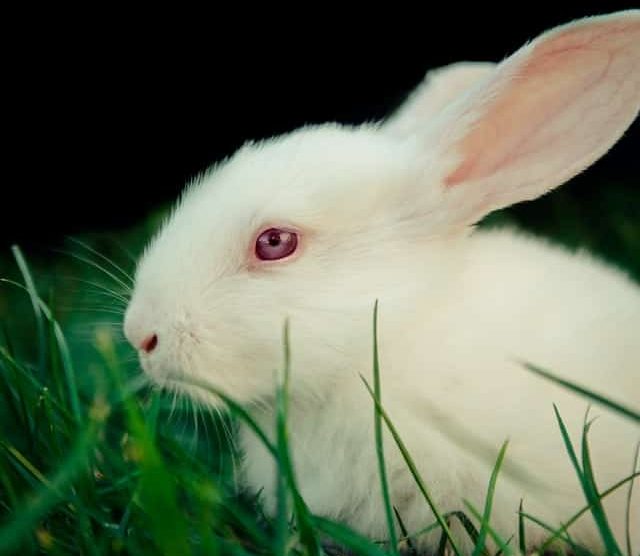
What Are the Risks of Feeding Green Beans to Rabbits?
While green beans are safe when fed correctly, overfeeding or improper introduction can cause several health problems. Understanding these risks helps you avoid them entirely.
Gastrointestinal Stasis (GI Stasis)
Gastrointestinal stasis is the most serious risk associated with overfeeding vegetables, including green beans. GI stasis occurs when the normal movement of food through the digestive tract slows down or stops completely. This happens when a rabbit's diet contains too many vegetables and not enough hay fiber.
Green beans contain only 2.7 grams of fiber per 100 grams, which is far less than the fiber content of timothy hay. If a rabbit fills up on green beans instead of eating hay, their gut motility decreases. Bacteria in the gut begin producing excess gas, causing painful bloating. Without treatment, GI stasis can lead to organ failure and death within 24 to 48 hours.
Signs of GI stasis include a hunched posture, reduced or absent droppings, refusal to eat, teeth grinding from pain, and a bloated or hard abdomen. If you notice any of these symptoms, contact a rabbit-savvy veterinarian immediately.
Uneaten Cecotrophs
Cecotrophs are the soft, nutrient-rich droppings that rabbits normally re-ingest directly from their anus. When a rabbit's diet is too high in vegetables and too low in fiber, the cecotrophs become mushy and the rabbit may stop eating them. You will find these grape-like clusters stuck to your rabbit's fur or scattered around the enclosure.
Uneaten cecotrophs are one of the first warning signs that your rabbit's diet needs adjustment. If you notice them after introducing green beans, reduce the vegetable portion and increase hay availability. The problem typically resolves within a few days once the diet is corrected.
Diarrhea
True diarrhea in rabbits is a veterinary emergency. It differs from soft cecotrophs in that diarrhea produces watery, formless stool and the rabbit often stops eating entirely. Overfeeding green beans, especially to young rabbits or those with sensitive digestive systems, can trigger diarrhea by disrupting the balance of gut bacteria.
If your rabbit develops diarrhea, remove all vegetables and fruits immediately. Offer only unlimited hay and fresh water. Contact your veterinarian right away, as diarrhea can be fatal to rabbits within hours due to rapid dehydration.
Gas and Bloating
Some rabbits are more sensitive to green beans than others. The legume family, which includes green beans, can produce gas in certain rabbits. While green beans cause far less gas than dried beans or other legumes, a small percentage of rabbits may still experience discomfort. If your rabbit shows signs of gas after eating green beans, such as a tense abdomen, reluctance to move, or pressing their belly to the floor, remove green beans from the rotation and try other vegetables instead.
When Should You Avoid Feeding Green Beans to Your Rabbit?
There are specific situations where you should hold off on feeding green beans entirely:
- Your rabbit is under 12 weeks old. Young rabbits cannot process vegetables safely. Stick to hay, pellets, and mother's milk during this period.
- Your rabbit is showing digestive problems. If you see soft stools, uneaten cecotrophs, or reduced droppings, remove all vegetables and feed only hay until the digestive issue resolves.
- Your rabbit was recently spayed or neutered. Post-surgery rabbits often have reduced appetite and sensitive digestion. Wait until they are eating hay normally before reintroducing vegetables.
- The green beans are not fresh. Wilted, slimy, or moldy green beans can harbor harmful bacteria. Only feed crisp, fresh beans.
- The green beans were treated with pesticides. Wash all produce thoroughly or choose organic options. Better yet, grow your own if possible.
- Your rabbit has a history of bladder sludge. While green beans are moderate in calcium, rabbits with urinary calcium issues should have their vegetable calcium intake monitored closely by a veterinarian.
How to Prepare and Serve Green Beans for Rabbits
Proper preparation ensures your rabbit gets the most benefit from green beans while minimizing any risks.
- Choose fresh, firm beans. Look for bright green color with no brown spots, wilting, or sliminess. Fresh beans should snap cleanly when bent.
- Wash thoroughly. Rinse under cool running water for at least 30 seconds to remove dirt, pesticide residue, and any bacteria from handling.
- Serve raw. Never cook, steam, or microwave green beans for rabbits. Cooking removes nutrients and changes the fiber structure. Raw green beans provide the best nutritional value and the satisfying crunch that rabbits enjoy.
- Cut to appropriate size. For small breeds, cut beans into 1 to 2 inch pieces. Medium and large breeds can handle whole beans. Avoid pieces small enough to be swallowed without chewing.
- Mix with other vegetables. Combine green beans with 2 to 4 other safe vegetables to create a varied daily plate. Good companions include cilantro, parsley, romaine lettuce, and pea pods.
- Remove uneaten portions. Take away any green beans that have not been eaten within 2 to 3 hours. Fresh vegetables spoil quickly at room temperature and can grow harmful bacteria.
Best Vegetables to Rotate With Green Beans
Variety is essential for a healthy rabbit diet. Rotating vegetables ensures your rabbit gets a broad range of nutrients while preventing overexposure to any single compound like oxalates or calcium. Here are excellent vegetables to rotate alongside green beans:
| Vegetable | Key Nutrients | Feeding Frequency |
|---|---|---|
| Cilantro | Vitamin A, Vitamin K | Daily |
| Parsley | Vitamin C, Iron, Vitamin K | 3 to 4 times per week |
| Bell peppers | Vitamin C, Vitamin A | Daily |
| Romaine lettuce | Vitamin A, folate, low calcium | Daily |
| Basil | Vitamin K, manganese | 3 to 4 times per week |
| Celery (cut small) | Vitamin K, potassium, hydration | 3 to 4 times per week |
| Bok choy | Vitamin A, Vitamin C, calcium | 2 to 3 times per week |
When building your rabbit's daily vegetable plate, aim for at least one leafy green (like cilantro or romaine), one crunchy vegetable (like green beans or bell pepper), and one herb (like parsley or basil). This combination provides textural variety and a good nutritional spread.
Frequently Asked Questions
Can rabbits eat frozen green beans?
You should thaw frozen green beans completely and bring them to room temperature before feeding. Frozen vegetables lose some texture and nutrients during processing. Fresh green beans are always the better option. Never feed green beans straight from the freezer, as the cold temperature can cause digestive discomfort.
Can rabbits eat green bean leaves and stems?
Yes, rabbits can safely eat green bean leaves, stems, vines, and flowers. All parts of the green bean plant are non-toxic to rabbits. The leaves and stems offer additional fiber and many rabbits enjoy foraging through them. Just make sure the plants are free from pesticides and chemical treatments.
Can baby rabbits eat green beans?
Baby rabbits should not eat green beans until they reach 12 weeks of age. Before this point, their digestive system is too immature to handle vegetable matter safely. At 12 weeks, introduce a single small piece and wait 5 to 7 days while monitoring their droppings before offering more.
Are canned green beans safe for rabbits?
No, never feed canned green beans to rabbits. Canned vegetables contain added sodium, preservatives, and sometimes sugar that are harmful to a rabbit's sensitive digestive system. The canning process also destroys much of the nutritional value. Always choose fresh, raw green beans instead.
How do I know if my rabbit ate too many green beans?
Watch for reduced droppings, soft or misshapen cecotrophs, bloating, a hunched posture, or refusal to eat hay. These signs indicate digestive upset from too many vegetables. Remove all vegetables immediately, offer unlimited hay and water, and contact your veterinarian if symptoms persist beyond 12 hours.
Cite this article:
BunnySync (March 14, 2026) Can Rabbits Eat Green Beans? Safe Feeding Guide for 2026. Retrieved from https://bunnysync.com/blog/can-rabbits-eat-green-beans.
"Can Rabbits Eat Green Beans? Safe Feeding Guide for 2026." BunnySync - March 14, 2026, https://bunnysync.com/blog/can-rabbits-eat-green-beans