No, bunnies do not eat insects on purpose. Rabbits are strict herbivores whose digestive systems are designed to process hay, leafy greens, and pellets. However, bunnies can and do accidentally ingest small insects that hide in their hay, burrow into their food bowls, or crawl across leaves while they graze. As breeders, we have seen this happen plenty of times, and in most cases a tiny bug swallowed by accident causes no harm at all. The real concern comes when your rabbit encounters a poisonous insect, one carrying parasites, or one that has been sprayed with pesticides.
This guide covers why rabbits sometimes end up eating bugs, which insects pose genuine health risks, and the practical steps you can take to keep your bunnies safe.
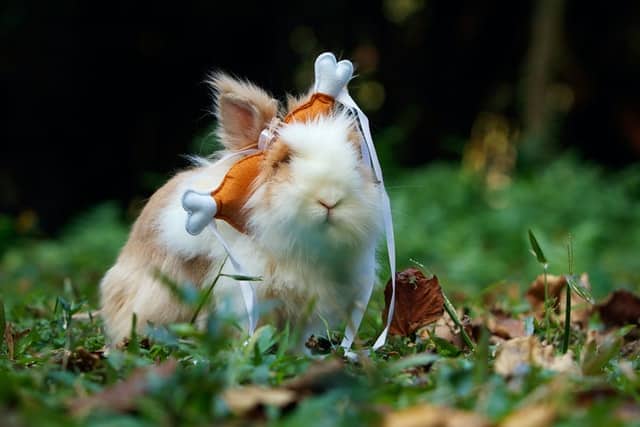
Are Rabbits Herbivores or Omnivores?
Rabbits are obligate herbivores. Their entire gastrointestinal tract, from their continuously growing teeth to their specialized cecum, is built to break down plant fiber. Unlike omnivores such as dogs or chickens, rabbits lack the stomach acidity and the enzymatic toolkit needed to digest animal protein efficiently.
A rabbit's natural diet in the wild consists of grasses, wildflowers, bark, and leafy weeds. Domestic rabbits thrive on a combination of unlimited timothy hay, a measured portion of quality pellets, and a daily rotation of fresh vegetables. There is no nutritional reason for a rabbit to seek out insects, and healthy rabbits with a complete diet will never go looking for bugs to eat.
This is why feeding rabbits any form of animal protein is strongly discouraged. Their gut flora depends on a high-fiber, plant-based diet, and introducing foreign proteins can disrupt the delicate microbial balance in the cecum.
Why Would a Rabbit Eat an Insect?
Even though rabbits are herbivores, there are several situations where a bunny may end up ingesting an insect. Understanding these scenarios helps you prevent them.
Accidental Ingestion While Grazing
This is by far the most common reason. Small insects like aphids, tiny beetles, and mites live on the same plants rabbits eat. When your rabbit chomps through a mouthful of fresh parsley or tears into a flake of hay, any small bug clinging to that plant gets swallowed along with it.
Commercially available hay and even fresh garden greens can harbor insects. Small ants, hay mites, and grain weevils are frequently found in stored hay bales, particularly if the hay has not been stored in a cool, dry environment. Buying from reputable suppliers and inspecting hay before serving it can reduce this risk significantly.
Curiosity and Exploration
Rabbits are naturally curious animals. When a small insect crawls across the floor near your bunny, your rabbit may investigate by nudging it with their nose or nibbling at it. Young rabbits are especially prone to this behavior because they explore the world with their mouths, much like human toddlers.
This type of encounter is usually harmless as long as the insect is not toxic. Your rabbit will likely spit it out or show no interest after the first taste, since insects do not match the flavor or texture profile rabbits prefer.
Territorial Behavior
Unneutered or unspayed rabbits tend to be more territorial and aggressive. A territorial rabbit may lunge at, bite, or attack anything that enters its perceived space, including insects. In the process, the rabbit might accidentally ingest the bug.
This territorial behavior is driven by hormones and is one of many reasons breeders recommend spaying or neutering pet rabbits. Neutered rabbits are calmer, less aggressive, and far less likely to attack random bugs in their enclosure.
Is It Dangerous for Rabbits to Eat Insects?
In most cases, swallowing a single small, harmless insect will not cause any health problems for your rabbit. The bug will simply pass through the digestive system without being properly broken down. However, there are several real risks you need to be aware of.
Poisonous and Venomous Insects
Certain insects carry toxins that can harm your rabbit if ingested or if the insect bites or stings during the encounter. Dangerous insects for rabbits include:
- Spiders (especially black widows and brown recluses)
- Centipedes (which can bite and inject venom)
- Scorpions (a serious risk in warmer climates)
- Fireflies (contain lucibufagins, which are toxic to many small animals)
- Certain caterpillars (some species have toxic bristles or secrete poison)
If you suspect your rabbit has eaten or been bitten by a venomous insect, watch for symptoms like drooling, lethargy, swelling around the mouth, or sudden loss of appetite. Contact your rabbit-savvy veterinarian immediately if you notice any of these signs.
Parasites
Many insects serve as intermediate hosts for internal parasites. Fleas, flies, and beetles can carry tapeworm larvae, protozoal organisms, and other parasites that may transfer to your rabbit upon ingestion. According to the VCA Animal Hospitals guide on rabbit health problems, gastrointestinal parasites can cause weight loss, diarrhea, and general decline in rabbits if left untreated.
Outdoor rabbits and those housed near barns or livestock areas face higher parasite exposure. Regular veterinary checkups that include fecal exams can catch parasitic infections early.
Pesticide Exposure
This is a risk many owners overlook. Insects that have been exposed to pesticides, herbicides, or insecticides carry chemical residues on and inside their bodies. If your rabbit eats a bug that was recently sprayed or that has been feeding on treated plants, those chemicals can transfer directly to your rabbit.
Symptoms of pesticide poisoning in rabbits include tremors, excessive salivation, difficulty breathing, and in severe cases, seizures. If you use any form of pest control in or around your home, make sure the products are labeled as safe for use around small animals, and keep your rabbit away from treated areas for the recommended waiting period.
Digestive Upset
Even non-toxic insects can cause mild digestive issues. Rabbits rely on a finely tuned gut microbiome to ferment plant fiber in the cecum. Introducing animal protein, chitin (the material that makes up insect exoskeletons), and other non-plant substances can temporarily disrupt this balance.
Signs of digestive upset include soft cecotropes, true diarrhea, reduced appetite, or a temporary halt in droppings. A single accidental bug is unlikely to cause serious GI stasis, but repeated ingestion over time could contribute to chronic digestive problems.
Which Insects Are Most Commonly Found in Rabbit Habitats?
Knowing which bugs your rabbit is most likely to encounter helps you take targeted preventive action. Here is a breakdown of common insects found in and around rabbit enclosures:
| Insect | Risk Level | Where Found | Concern |
|---|---|---|---|
| Hay mites | Low | Stored hay, bedding | Can cause skin irritation and mange |
| Ants | Low to moderate | Food bowls, enclosure floors | Fire ants can bite and cause allergic reactions |
| Flies | Moderate | Near droppings, soiled bedding | Risk of flystrike (myiasis), a life-threatening condition |
| Beetles | Low | Hay, outdoor enclosures | Minimal risk unless treated with pesticides |
| Spiders | High (some species) | Corners, dark spaces, outdoor hutches | Venomous bites can be fatal to rabbits |
| Fleas | Moderate | Bedding, carpet, multi-pet homes | Carry parasites and cause skin irritation |
| Mosquitoes | Moderate | Outdoor enclosures | Can transmit myxomatosis in some regions |
Flies deserve special attention. Flystrike occurs when flies lay eggs on soiled fur (usually around a rabbit's rear), and the hatching maggots burrow into the skin. This is a medical emergency and one of the most common causes of death in outdoor rabbits during warm months. Keeping your rabbit's living area clean and checking their rear end daily during summer are essential prevention steps.
Can Rabbits Eat Mealworms or Other Feeder Insects?
Some owners who also keep chickens, reptiles, or hedgehogs may wonder whether rabbits can share feeder insects like mealworms. The answer is a firm no. Mealworms are high in fat and protein, both of which rabbits cannot process efficiently. Feeding mealworms to a rabbit can cause obesity, liver problems, and serious digestive disturbances.
The same applies to crickets, waxworms, and any other feeder insect sold for omnivorous or insectivorous pets. These products have zero nutritional value for rabbits and carry all the risks outlined above. Stick to a proper rabbit diet of hay, fresh leafy vegetables, and measured pellets.
How to Prevent Your Rabbit From Eating Insects
Prevention is straightforward and comes down to good husbandry practices. Here are the most effective steps:
1. Buy Quality Hay and Pellets
Low-quality hay that has been stored improperly often harbors mites, beetles, and other small insects. Purchase hay from trusted suppliers who store their product in climate-controlled environments. When you open a new bag, shake it out and inspect it visually before placing it in your rabbit's hay rack. If you see webs, moving insects, or unusual dust, discard that batch.
The same goes for pellets. Store them in sealed, airtight containers to prevent grain weevils and pantry moths from getting in. Never leave an open bag of pellets sitting on the floor.
2. Keep the Enclosure Clean
A dirty enclosure attracts insects. Flies are drawn to urine-soaked bedding and accumulated droppings. Ants target spilled pellets and fresh food scraps. Clean your rabbit's litter box daily, remove uneaten fresh food within a few hours, and do a thorough enclosure cleaning at least once a week.
Pay special attention to corners, under platforms, and behind water bottles where debris tends to accumulate. These are the exact spots where insects like to hide and breed.
3. Bunny-Proof Your Space
If your rabbit has free roam of a room or your home, seal cracks and gaps where insects can enter. Place fine mesh screens on windows. Avoid leaving doors open for extended periods during bug-heavy seasons. If your rabbit plays outdoors, use a secure exercise pen with a solid floor to minimize contact with ground-dwelling insects.
4. Avoid Pesticides Near Your Rabbit
It might seem logical to spray for bugs to protect your rabbit, but conventional pesticides can be just as dangerous as the insects themselves. If you need pest control, use rabbit-safe methods such as diatomaceous earth (food grade only) applied in areas your rabbit cannot access, or consult a pest control professional who has experience with homes that have small animals.
5. Check Your Rabbit's Outdoor Play Area
Before letting your rabbit out in the yard, scan the area for ant hills, spider webs, wasp nests, and other insect habitats. Remove any visible insect activity. Avoid letting your rabbit graze on grass that has been treated with lawn chemicals, and keep them away from compost piles and garden beds where insects concentrate.
What to Do If Your Rabbit Eats an Insect
If you catch your rabbit eating a bug, stay calm and follow these steps:
- Identify the insect if possible. Try to determine what type of bug your rabbit ate. If you can safely capture a specimen or take a photo, do so. This information will be helpful if your rabbit shows symptoms later.
- Check your rabbit's mouth. Look for any signs of a sting or bite inside the mouth, including swelling, redness, or excessive drooling.
- Monitor for the next 24 hours. Watch for changes in appetite, energy level, droppings, and behavior. A rabbit that stops eating or produces abnormal droppings within 24 hours of eating an insect needs veterinary attention.
- Contact your vet if symptoms appear. Symptoms that warrant an immediate vet visit include lethargy, refusal to eat, diarrhea, visible swelling, tremors, or any sign of unusual stress or discomfort.
For common, non-toxic insects like small ants, gnats, or aphids, your rabbit will almost certainly be fine. The insect will pass through the digestive system without causing issues. There is no need to induce vomiting (rabbits physically cannot vomit) or rush to the vet unless you see concerning symptoms.
Insects That Are Dangerous to Rabbits (Even Without Being Eaten)
Some insects pose a threat to rabbits through biting, stinging, or laying eggs, even if your rabbit never eats them. Being aware of these helps you protect your bunny more broadly:
- Botflies: Lay eggs under the skin, causing painful warbles (cuterebra). Common in outdoor rabbits during summer and fall.
- Fleas: Cause itching, hair loss, and can transmit myxomatosis and rabbit hemorrhagic disease in certain regions.
- Ticks: Carry Lyme disease and other tick-borne illnesses. Check outdoor rabbits thoroughly after each play session.
- Mosquitoes: Primary vector for myxomatosis in Europe and Australia. Use mosquito netting on outdoor enclosures in affected areas.
- Blowflies: Responsible for flystrike. This condition can kill a rabbit within 24 hours if not treated.
According to veterinary researchers at Merck Veterinary Manual, ectoparasites (external parasites like fleas, mites, and flies) are among the most common health concerns in domestic rabbits. Regular grooming, clean housing, and preventive veterinary care are your best defenses.
Frequently Asked Questions
Will eating a bug make my rabbit sick?
In most cases, no. A single small, non-toxic insect like a gnat, aphid, or tiny beetle will pass through your rabbit's system without causing problems. The risk increases with venomous insects, those carrying parasites, or bugs exposed to pesticides. Monitor your rabbit for 24 hours after the incident.
Do wild rabbits eat insects intentionally?
No. Wild rabbits are strict herbivores that feed on grasses, clover, wildflowers, and bark. They do not hunt or seek out insects. Any insect consumption in wild rabbits is purely accidental, occurring when small bugs are present on the plants they eat.
Can insects in my rabbit's hay cause health problems?
Yes. Hay mites can cause skin irritation and mange in rabbits. Grain weevils and pantry moths indicate poor storage conditions that may also mean mold growth. Always buy hay from reputable sources, store it in a dry location, and inspect each batch before feeding.
Should I use insect repellent around my rabbit?
Never apply conventional insect repellent directly on or near your rabbit. Most commercial repellents contain DEET or permethrin, both of which are toxic to rabbits. Instead, use physical barriers like mosquito netting and keep the enclosure clean to naturally reduce insect presence.
Is flystrike caused by rabbits eating flies?
No. Flystrike occurs when flies lay eggs on soiled or damp fur, typically around a rabbit's rear end. The hatching maggots then burrow into the skin, causing tissue destruction. It is not related to ingestion. Prevent flystrike by keeping your rabbit clean, dry, and checking their rear daily during warm months.
Cite this article:
Cite this article:
BunnySync (March 15, 2026) Do Bunnies Eat Insects? What Every Rabbit Owner Should Know. Retrieved from https://bunnysync.com/blog/do-bunnies-eat-insects.
"Do Bunnies Eat Insects? What Every Rabbit Owner Should Know." BunnySync - March 15, 2026, https://bunnysync.com/blog/do-bunnies-eat-insects