Yes, rabbits can eat kale safely, and it is one of the most nutrient-dense leafy greens you can offer your bunny. Kale is packed with vitamin A, vitamin K, and calcium, making it a solid addition to any adult rabbit's vegetable rotation. The key is moderation: kale should be one of several greens you rotate throughout the week rather than a daily staple. Rabbits must be at least 12 weeks old before you introduce any vegetables, including kale, and you should always start with small portions of around 15 grams.
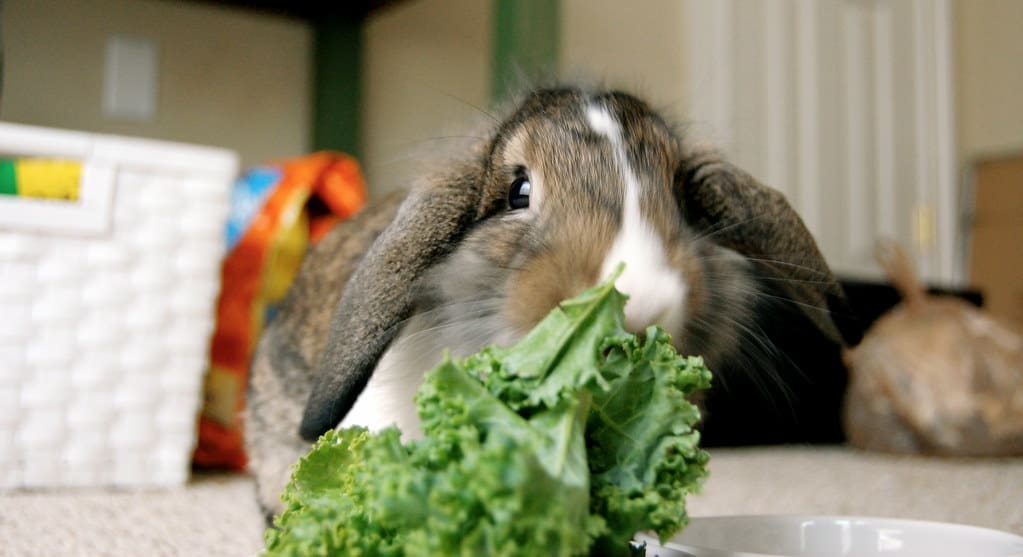
Is Kale Safe for Rabbits?
Kale belongs to the Brassica family, which also includes cabbage and broccoli. All three are safe for rabbits when fed in appropriate amounts. The concern some owners have about kale relates to its calcium and oxalate content, but research from the National Center for Biotechnology Information shows that kale actually contains lower oxalate levels than spinach, making it a safer leafy green option for regular rotation.
As breeders, we feed kale to our rabbits regularly without any issues. The important thing is that kale never replaces hay, which should always make up 80% or more of your rabbit's diet. Hay provides the long-strand fiber that keeps the gut moving and wears down teeth properly. Kale and other vegetables are supplements, not substitutes.
That said, kale is not safe for all rabbits in all situations. You should avoid giving kale to:
- Rabbits younger than 12 weeks old
- Rabbits currently experiencing soft stools or diarrhea
- Rabbits with a history of bladder sludge or urinary calcium issues
- Rabbits who have never eaten vegetables before (introduce gradually)
What Are the Nutritional Benefits of Kale for Rabbits?
Kale is one of the most nutrient-dense vegetables you can give your rabbit. Per 100 grams of raw kale, here is what your bunny gets:
| Nutrient | Amount per 100g | Benefit for Rabbits |
|---|---|---|
| Vitamin A | 9,990 IU | Supports eye health, immune function, and reproduction |
| Vitamin K | 704.8 mcg | Essential for blood clotting and bone health |
| Vitamin C | 120 mg | Rabbits produce their own, but extra supports immune health |
| Calcium | 150 mg | Supports bone and dental health (monitor intake) |
| Fiber | 3.6 g | Aids digestion alongside hay |
| Protein | 4.3 g | Supports muscle maintenance and growth |
| Iron | 1.5 mg | Prevents anemia, supports oxygen transport |
| Potassium | 491 mg | Supports heart and muscle function |
The standout nutrient in kale is vitamin A. This vitamin is critical for rabbits, especially breeding does and growing kits. Vitamin A deficiency can lead to poor coat condition, weakened immune response, and reproductive issues. A small serving of kale a few times per week helps ensure your rabbit gets adequate vitamin A from whole food sources rather than relying solely on pellets.
Kale also provides a decent amount of dietary fiber, which complements the long-strand fiber from hay. While kale fiber alone is not enough to keep the gut healthy, it adds variety to the microbial environment in your rabbit's cecum, supporting a more diverse and resilient gut flora.
How Much Kale Should You Feed Your Rabbit?
The general guideline is to feed 1 packed cup of mixed leafy greens per 2 pounds of body weight daily. Kale should make up no more than one-third of that daily greens portion. Here is a practical breakdown by rabbit size:
| Rabbit Size | Body Weight | Total Daily Greens | Max Kale Portion |
|---|---|---|---|
| Small breed (Netherland Dwarf, Mini Rex) | 1.1 to 3.5 lbs | 0.5 to 1.5 cups | 2 to 3 small leaves |
| Medium breed (Holland Lop, Dutch) | 4 to 7 lbs | 2 to 3.5 cups | 3 to 5 leaves |
| Large breed (New Zealand, Californian) | 8 to 12 lbs | 4 to 6 cups | 5 to 8 leaves |
| Giant breed (Flemish Giant, Continental) | 12+ lbs | 6+ cups | 8 to 10 leaves |
These are approximate guidelines. Every rabbit is different, and you should adjust based on how your individual rabbit responds. If you notice softer droppings after feeding kale, reduce the amount or frequency.
We recommend feeding kale 2 to 3 times per week rather than daily. On the other days, rotate in other safe greens like cilantro, parsley, romaine lettuce, or bok choy. This rotation ensures your rabbit gets a wide range of nutrients and reduces the risk of calcium buildup from any single food.
Feeding Kale to Baby and Young Rabbits
Baby rabbits under 12 weeks old should not eat kale or any other vegetable. Their digestive systems are still developing, and introducing vegetables too early can cause serious gastrointestinal problems. Stick to their mother's milk, alfalfa hay, and age-appropriate pellets until they are ready.
Once your rabbit reaches 12 weeks, you can begin introducing vegetables one at a time. Start with just 15 grams (about half an ounce) of kale and wait 24 to 48 hours. Watch for any signs of digestive upset such as soft cecotropes, reduced appetite, or bloating. If everything looks normal, you can gradually increase the portion over the next two weeks.
Here is the recommended vegetable introduction schedule by age:
| Age | Vegetable Guidelines |
|---|---|
| Under 12 weeks | No vegetables at all |
| 12 weeks | Introduce one vegetable at a time, starting at 15g or less |
| 7 months to 1 year | Gradually increase daily vegetable portions |
| Adult (1 to 5 years) | 1 to 2 cups of mixed greens per 6 lbs body weight |
| Senior (6+ years) | Consult your veterinarian for adjusted portions |
Can Rabbits Eat All Parts of the Kale Plant?
Rabbits can safely eat every part of the kale plant, including the leaves, stems, and flowers. Each part has slightly different characteristics that are worth knowing about.
Kale Leaves
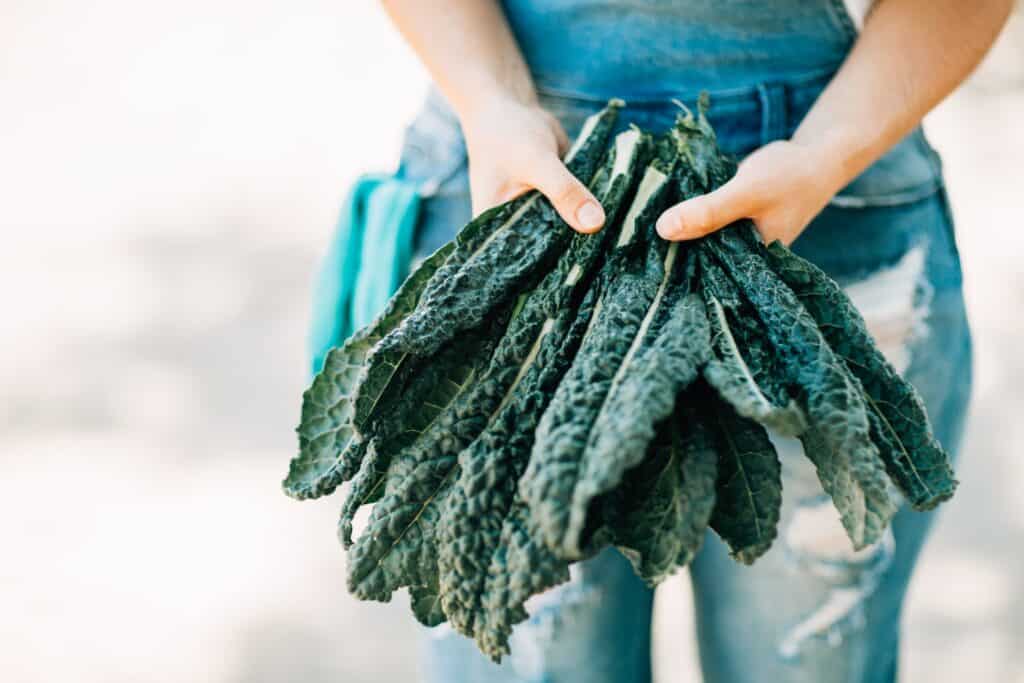
The leaves are the most commonly fed part and the one your rabbit will likely enjoy most. Curly kale and lacinato (dinosaur) kale are both safe. The leaves are tender, easy to chew, and contain the highest concentration of vitamins. Always wash kale leaves thoroughly before serving to remove pesticide residues, dirt, or potential contaminants.
Kale Stems
The thick central stems of kale are safe and actually provide some dental benefits. Chewing on the fibrous stems helps wear down your rabbit's continuously growing teeth, similar to how hay and wooden chew toys work. Some rabbits love crunching through kale stems, while others leave them behind. If your rabbit eats them, great. If not, do not worry about it.
Kale Flowers
When kale plants bolt (go to seed), they produce small yellow flowers. These flowers are perfectly safe for rabbits and can be offered as an occasional treat. Many rabbits find them especially tasty. If you grow kale in your garden, let a few plants flower and harvest the blooms for your bunnies.
What Types of Kale Are Best for Rabbits?
There are several common varieties of kale, and all of them are safe for rabbits. However, some are better choices than others based on their nutrient profiles:
- Curly kale: The most widely available variety. Good all-around nutrient profile with slightly lower calcium than other types. This is a great default choice.
- Lacinato kale (dinosaur kale): Darker leaves with a slightly sweeter flavor. Higher in iron and vitamin A than curly kale. Many rabbits prefer its softer texture.
- Red Russian kale: Tender leaves with a mild, slightly sweet taste. Lower in calcium compared to other varieties, making it a good option for rabbits prone to urinary issues.
- Baby kale: Young, tender leaves that are easy for rabbits to eat. Nutritionally similar to mature kale but in smaller, more convenient portions.
Regardless of the variety, always choose organic kale when possible. Kale consistently appears on the Environmental Working Group's "Dirty Dozen" list of produce with the highest pesticide residues. If organic is not available, soak conventional kale in water for 10 to 15 minutes and rinse thoroughly before feeding.
The Calcium Question: Should You Worry About Kale and Bladder Sludge?
One of the most common concerns about feeding kale to rabbits is its calcium content. Rabbits metabolize calcium differently from most mammals. Instead of regulating calcium absorption in the gut, rabbits absorb nearly all the calcium they consume and excrete the excess through their kidneys. This means high-calcium diets can lead to bladder sludge or even urinary stones in some rabbits.
Kale contains about 150 mg of calcium per 100 grams. For comparison:
| Leafy Green | Calcium per 100g | Oxalate Level |
|---|---|---|
| Kale | 150 mg | Low |
| Spinach | 99 mg | High |
| Parsley | 138 mg | Moderate |
| Romaine lettuce | 33 mg | Very low |
| Cilantro | 67 mg | Low |
| Bok choy | 105 mg | Low |
While kale is higher in calcium than some other greens, its low oxalate content actually makes the calcium more bioavailable but also easier for the kidneys to process. The real problem comes when owners feed large amounts of high-calcium greens without rotation.
For healthy rabbits with no history of urinary problems, feeding kale 2 to 3 times per week as part of a varied diet is perfectly fine. If your rabbit has been diagnosed with bladder sludge or has a history of urinary issues, stick to lower-calcium greens like romaine lettuce, cilantro, and herbs. Always ensure your rabbit has unlimited access to fresh water, as proper hydration is the single most important factor in preventing urinary calcium problems.
What Are the Risks of Overfeeding Kale to Rabbits?
While kale is a safe and healthy food for rabbits, overfeeding can cause several problems:
Gastrointestinal Stasis
GI stasis is the most serious risk associated with any dietary imbalance in rabbits. If a rabbit fills up on kale and eats less hay as a result, the reduced fiber intake can slow gut motility to a dangerous crawl. GI stasis can become life-threatening within 12 to 24 hours if not treated. Signs include refusing food, no droppings, a hunched posture, and grinding teeth from pain.
Soft Cecotropes
Cecotropes are the soft, grape-like clusters of droppings that rabbits normally re-ingest directly from their body. When the diet contains too many vegetables and not enough hay, cecotropes can become mushy and stick to the rabbit's fur rather than being eaten. You might notice them smeared around the cage or stuck to your rabbit's backside. Reducing vegetable portions and increasing hay usually resolves this within a day or two.
Gas and Bloating
Kale and other cruciferous vegetables can produce gas during digestion. While humans can pass gas easily, rabbits cannot burp or vomit, making gas buildup painful and potentially dangerous. If you notice your rabbit's belly feels tight or they seem uncomfortable after eating kale, reduce the amount or switch to a non-cruciferous green.
Diarrhea
True diarrhea (watery stool) is a veterinary emergency in rabbits. It is more likely to occur when large amounts of a new food are introduced too quickly. This is why the gradual introduction of kale over 1 to 2 weeks is so important, especially for young rabbits or those who have never eaten leafy greens before.
How to Prepare and Serve Kale for Your Rabbit
Proper preparation takes just a minute but makes a real difference in safety:
- Wash thoroughly: Rinse kale under cool running water. For non-organic kale, soak in water for 10 to 15 minutes first to help remove pesticide residues.
- Pat dry: Shake off excess water. While a little moisture is fine and can help with hydration, sopping wet greens sitting in a bowl can attract bacteria.
- Tear into pieces: For small rabbits, tear the leaves into manageable pieces. Large rabbits can handle whole leaves.
- Mix with other greens: Combine kale with 2 to 3 other safe vegetables to create a varied salad. This is better nutritionally and helps prevent overconsumption of any single food.
- Serve at room temperature: Do not feed kale straight from the refrigerator. Let it sit out for a few minutes to take the chill off. Cold food can cause stomach discomfort in sensitive rabbits.
- Remove uneaten portions: Take away any leftover kale after 2 to 3 hours to prevent wilting and bacterial growth.
Healthy Alternatives to Kale for Your Rabbit
Variety is essential for a healthy rabbit diet. Here are some excellent leafy greens and vegetables you can rotate alongside kale to keep your rabbit's diet balanced and interesting:
- Spinach (feed sparingly due to high oxalates)
- Romaine lettuce (low calcium, good for daily feeding)
- Bok choy (another Brassica, similar benefits to kale)
- Various safe vegetables (full guide for rabbit-safe options)
- Watercress (nutrient-dense, peppery flavor rabbits enjoy)
- Endive and escarole (low calcium, high fiber)
- Swiss chard (feed sparingly, high in oxalates)
- Arugula (peppery, most rabbits love it)
Aim to rotate between at least 3 to 5 different greens each week. This approach mimics the dietary variety that wild rabbits naturally enjoy when foraging, and it ensures your bunny gets a broad spectrum of vitamins and minerals.
Frequently Asked Questions
Can rabbits eat kale stems?
Yes, kale stems are safe for rabbits and provide dental benefits. The fibrous texture helps wear down your rabbit's teeth, which grow continuously throughout their life. Some rabbits love chewing on stems while others prefer just the leaves.
Can rabbits eat kale every day?
Feeding kale daily is not recommended because of its moderate calcium content and gas-producing potential. Offer kale 2 to 3 times per week and rotate with other safe greens like romaine lettuce, cilantro, and herbs on the other days for optimal nutrition.
Can baby rabbits eat kale?
Baby rabbits under 12 weeks old should not eat kale or any vegetables. Their digestive systems need time to develop. After 12 weeks, introduce kale slowly starting with just 15 grams, and wait 24 to 48 hours to check for any digestive issues before offering more.
Can rabbits eat kale flowers?
Yes, kale flowers are safe and many rabbits find them especially tasty. When kale plants bolt and produce yellow flowers, you can harvest these blooms as occasional treats. Feed them in moderation just like you would the leaves.
Is kale better than spinach for rabbits?
Kale is generally a better choice than spinach for rabbits. While both are nutritious, spinach contains significantly higher levels of oxalic acid, which can bind with calcium and contribute to kidney or bladder problems over time. Kale provides similar vitamins with lower oxalate levels.
Cite this article:
BunnySync (March 16, 2026) Can Rabbits Eat Kale? Safe Feeding Guide for 2026. Retrieved from https://bunnysync.com/blog/can-rabbits-eat-kale.
"Can Rabbits Eat Kale? Safe Feeding Guide for 2026." BunnySync - March 16, 2026, https://bunnysync.com/blog/can-rabbits-eat-kale