Yes, rabbits can eat cabbage in small amounts. Cabbage is not toxic to rabbits, but it does contain compounds called glucosinolate goitrogens that can interfere with thyroid function and cause digestive upset when fed in excess. As breeders, we treat cabbage as an occasional leafy green rather than a dietary staple. A few small leaves once or twice per week is safe for most healthy adult rabbits, as long as their diet is built around unlimited hay, which should make up at least 80% of what they eat each day.
Cabbage belongs to the Brassica family, which also includes broccoli, kale, and Brussels sprouts. All of these cruciferous vegetables share similar nutritional profiles and similar risks when overfed. Below, we break down exactly how to feed cabbage safely, which types are best, and when you should avoid it entirely.
Is Cabbage Safe for Rabbits?
Cabbage is generally safe for rabbits when offered in moderation. The key concern is a group of naturally occurring compounds called glucosinolates. According to Nutrition of the Rabbit (2nd Edition), these glucosinolates break down into goitrogens during digestion. Goitrogens impair iodine uptake in the thyroid gland, which can lead to thyroid dysfunction over time if a rabbit consumes large quantities of cabbage repeatedly.
In practical terms, a few leaves of cabbage once or twice a week will not cause thyroid problems. The risk comes from making cabbage the primary vegetable in your rabbit's diet or feeding it daily in large amounts. Many breeders have fed cabbage to their rabbits for years without issues, simply by rotating it with other vegetables.
The other common concern with cabbage is gas. Cruciferous vegetables are known to produce gas during digestion. While humans can handle intestinal gas without much trouble, rabbits cannot burp or pass gas as easily. Excess gas can lead to gastrointestinal (GI) stasis, a potentially life-threatening condition where the gut slows down or stops moving entirely.
Nutritional Profile of Cabbage for Rabbits
Cabbage does offer some nutritional value for rabbits. Here is what a typical 100-gram serving of raw green cabbage provides:
| Nutrient | Amount per 100g | Benefit for Rabbits |
|---|---|---|
| Calories | 25 kcal | Low-calorie, won't contribute to obesity |
| Water | 92.2g | Helps with hydration |
| Fiber | 2.5g | Supports digestive health |
| Calcium | 40mg | Moderate, supports bone health |
| Phosphorus | 26mg | Works with calcium for bone strength |
| Vitamin C | 36.6mg | Antioxidant support (rabbits produce their own) |
| Vitamin K | 76mcg | Supports blood clotting |
| Folate | 43mcg | Important for cell function |
While these nutrients are beneficial, cabbage does not contain enough fiber or protein to serve as a primary food source. Hay remains the foundation of a healthy rabbit diet because it provides the long-strand fiber that keeps the gut moving and wears down teeth naturally. Cabbage is best viewed as a supplement to a hay-based diet, not a replacement.
Which Types of Cabbage Can Rabbits Eat?
There are several common varieties of cabbage, and rabbits can eat all of them in moderation. However, some types are gentler on the digestive system than others.
Green Cabbage
Green cabbage is the most common variety and the one most rabbit owners will have on hand. It has a mild flavor and moderate glucosinolate content. This is a fine choice for rabbits, but stick to the outer, darker leaves when possible. The darker leaves tend to have more fiber and nutrients than the pale inner leaves.
Red (Purple) Cabbage
Red cabbage contains higher levels of anthocyanins, which are antioxidant compounds that give it its deep purple color. Nutritionally, red cabbage is slightly richer in vitamins A and C compared to green cabbage. It is safe for rabbits in the same small portions as green cabbage.
Savoy Cabbage
Savoy cabbage has crinkled, tender leaves and a milder flavor than green or red cabbage. Many breeders consider savoy cabbage the best option for rabbits because its softer leaves are easier to digest and it tends to produce less gas. If your rabbit has a sensitive stomach, savoy cabbage is a good starting point.
Napa (Chinese) Cabbage
Napa cabbage is lighter and more watery than other varieties. It has a milder taste and lower glucosinolate content, which makes it gentler on the digestive system. The downside is that it also has fewer nutrients per serving. It is safe for rabbits and a good option for those that are new to eating vegetables.
Quick Comparison by Type
| Cabbage Type | Glucosinolate Level | Gas Risk | Best For |
|---|---|---|---|
| Green | Moderate | Moderate | General feeding, most rabbits |
| Red (Purple) | Moderate | Moderate | Extra antioxidant benefit |
| Savoy | Lower | Lower | Sensitive stomachs |
| Napa | Lower | Lower | New vegetable introduction |
How Much Cabbage Should You Feed Your Rabbit?
The general rule for leafy greens is to offer about one packed cup of mixed greens per two pounds of body weight per day. Cabbage should make up only a portion of that daily greens allowance, not the entire thing.
Here is a practical guideline based on rabbit size:
- Small breeds (under 4 lbs): 1 to 2 small cabbage leaves, once or twice per week
- Medium breeds (4 to 8 lbs): 2 to 3 medium leaves, once or twice per week
- Large breeds (over 8 lbs): 3 to 4 leaves, once or twice per week
Always mix cabbage with other safe vegetables for your rabbit rather than feeding it on its own. A good vegetable mix for one day might include a couple of cabbage leaves, some cilantro, and a piece of bell pepper. Rotating through different vegetables ensures your rabbit gets a range of nutrients while reducing the risk of overexposure to any single compound like goitrogens.
Remember that the leafy greens portion of your rabbit's diet should only be about 10% of their total daily food intake. The remaining 80% should be hay, with pellets making up roughly 5% and treats another 5% at most.
How to Introduce Cabbage to Your Rabbit's Diet
If your rabbit has never eaten cabbage before, introduce it slowly. A sudden change in diet is one of the most common causes of digestive upset in rabbits.
- Start with a single small leaf. Offer just one leaf and wait 24 hours before giving more.
- Watch for signs of digestive upset. Check your rabbit's droppings over the next day. Soft, mushy, or watery droppings mean the cabbage did not agree with them.
- Monitor for bloating. Feel your rabbit's belly gently. A tight, distended abdomen can indicate trapped gas. If your rabbit seems uncomfortable, hunched, or refuses to eat, stop feeding cabbage and offer only hay until symptoms resolve.
- Increase gradually. If the first leaf went well, offer two leaves the next time, still watching for any changes in droppings or behavior.
- Settle into a routine. Once you know your rabbit tolerates cabbage, you can include it in their vegetable rotation one to two times per week.
This gradual introduction should take about one to two weeks. Rushing the process is not worth the risk of GI issues.
Risks and Side Effects of Feeding Cabbage to Rabbits
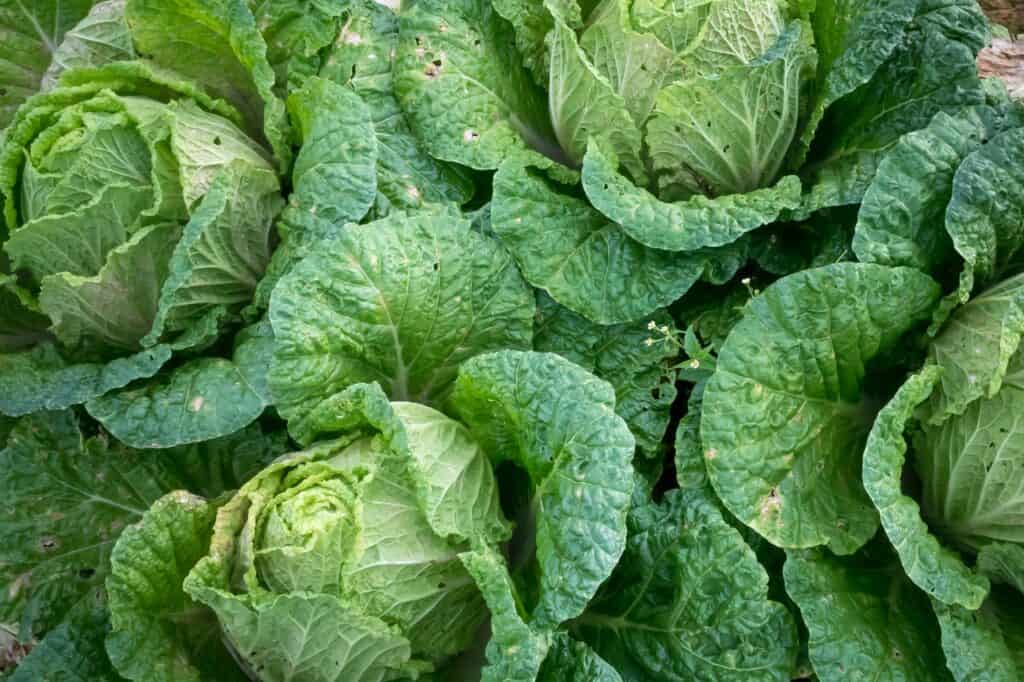
While cabbage is safe in small amounts, there are real risks associated with overfeeding. Here are the main concerns every rabbit owner should understand.
Goitrogen Exposure and Thyroid Problems
The glucosinolates in cabbage break down into goitrogens, which block iodine absorption in the thyroid. In rabbits fed large amounts of cabbage over extended periods, this can lead to hypothyroidism. Symptoms include lethargy, weight gain, and a dull coat. This is not a concern at normal feeding levels, but it is the reason cabbage should never be a daily staple.
Gas and Bloating
Cruciferous vegetables produce sulfur-containing compounds during digestion that create intestinal gas. Unlike dogs or cats, rabbits have a very delicate digestive system that relies on a steady flow of food through the gut. Trapped gas can slow gut motility and trigger GI stasis, which is one of the leading causes of death in pet rabbits. Watch for signs like a hunched posture, grinding teeth (a sign of pain), loss of appetite, or a sudden drop in fecal pellet production.
Diarrhea and Soft Stools
Too much cabbage can cause soft cecotropes or true diarrhea. Healthy rabbit droppings should be firm, round, and uniform in size. If you notice mushy or watery droppings after feeding cabbage, reduce the amount or stop feeding it altogether. Persistent diarrhea requires a vet visit, as dehydration can become dangerous quickly in rabbits.
Calcium Concerns
Cabbage contains about 40mg of calcium per 100 grams. While this is not extremely high, rabbits process calcium differently than most mammals. They absorb all the calcium they consume and excrete the excess through their kidneys. Over time, a diet too high in calcium can contribute to bladder sludge or kidney stones. This is another reason to rotate vegetables rather than relying on any single one.
When Should You Not Feed Cabbage to Rabbits?
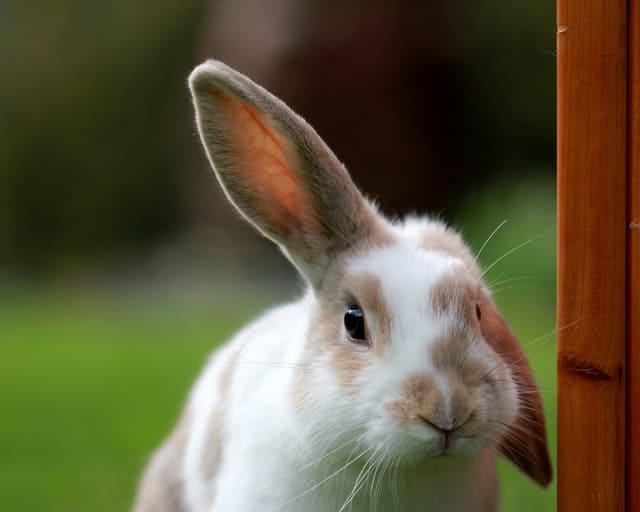
There are specific situations where cabbage should be avoided entirely.
Baby Rabbits Under 12 Weeks Old
Kits under 12 weeks should eat only their mother's milk, hay, and a small amount of pellets. Their digestive systems are not mature enough to handle fresh vegetables, and introducing cabbage too early can cause serious digestive problems. Most breeders begin introducing vegetables gradually after 12 weeks of age, starting with milder options before trying cruciferous vegetables like cabbage.
Rabbits with GI Stasis or Diarrhea
If your rabbit is currently experiencing digestive issues, remove all vegetables and treats from their diet. Offer unlimited hay and fresh water only. Cabbage, with its gas-producing properties, would make an existing GI problem worse. Consult a rabbit-savvy veterinarian if symptoms persist beyond 12 hours.
Rabbits with Known Thyroid Issues
If your rabbit has been diagnosed with any thyroid condition, avoid all cruciferous vegetables including cabbage, broccoli, and kale. The goitrogens in these vegetables can worsen thyroid dysfunction.
Rabbits on Medication
Some medications can interact with the compounds in cruciferous vegetables. If your rabbit is on any medication, check with your vet before adding cabbage or any new food to their diet.
Better Alternatives to Cabbage for Rabbits
If you are looking for leafy greens that carry fewer risks than cabbage, consider these safer options that most rabbits enjoy:
- Romaine lettuce: Low in calories, high in water content, and very gentle on the stomach. An excellent everyday green.
- Cilantro: Most rabbits love it, and it provides good vitamin A and K levels without the gas risk.
- Basil: Aromatic and appealing to most rabbits, with anti-inflammatory properties.
- Bok choy: While technically a cruciferous vegetable, bok choy has lower glucosinolate levels than cabbage and is generally better tolerated.
- Parsley: Rich in vitamins but should also be fed in moderation due to its calcium content.
- Spinach: Nutritious but should be fed sparingly due to its high oxalate content, similar to how cabbage should be limited for its goitrogens.
The best approach is to rotate between five or six different greens throughout the week. This ensures nutritional variety and prevents overexposure to any single problematic compound.
How to Prepare Cabbage for Your Rabbit
Proper preparation is important to keep your rabbit safe.
- Choose fresh, organic cabbage when possible. Organic cabbage has not been treated with pesticides that could harm your rabbit. If organic is not available, conventional cabbage is still fine with proper washing.
- Wash thoroughly under running water. Even organic produce can carry dirt, bacteria, or traces of handling chemicals. Rub the leaves under cool water for at least 30 seconds.
- Remove the tough stem and core. The thick, white stem is harder to digest and offers less nutritional value. Stick to the leafy parts.
- Tear into manageable pieces. You do not need to chop cabbage finely, but tearing it into pieces roughly the size of your rabbit's head makes it easier to eat.
- Serve at room temperature. Do not feed cabbage straight from the refrigerator. Cold food can shock the digestive system. Let it sit for 15 to 20 minutes before offering it.
- Remove uneaten cabbage within 2 to 3 hours. Fresh vegetables spoil quickly and can attract flies or grow bacteria if left in the enclosure.
Can Rabbits Eat Cooked Cabbage?
No. Rabbits should only eat raw vegetables. Cooking changes the fiber structure of cabbage, making it harder for a rabbit's digestive system to process. Cooked cabbage is also softer and stickier, which can cause issues in the gut. Additionally, cooked food often contains added oils, salt, or seasonings that are harmful to rabbits. Always serve cabbage raw and plain.
Signs Your Rabbit Has Eaten Too Much Cabbage
Even careful owners occasionally overfeed a particular vegetable. Watch for these warning signs after feeding cabbage:
- Reduced or absent droppings: If your rabbit stops producing fecal pellets within 8 to 12 hours of eating cabbage, this could indicate GI stasis.
- Soft or watery stools: A temporary issue if mild, but persistent soft stools warrant veterinary attention.
- Hunched posture: A rabbit in pain will often sit hunched with its eyes partially closed, showing little interest in food or surroundings.
- Loud stomach gurgling: While some gut sounds are normal, excessively loud gurgling can indicate trapped gas.
- Refusal to eat: If your rabbit turns down food (especially hay, which they rarely refuse), something is wrong.
- Pressing belly to the ground: This is a classic sign of abdominal discomfort in rabbits.
If you observe any of these symptoms, stop all vegetables immediately. Offer only hay and water. Gentle belly massage in a circular motion can sometimes help move trapped gas. If symptoms do not improve within a few hours, contact a rabbit-experienced veterinarian.
Frequently Asked Questions
Can rabbits eat cabbage every day?
Can baby rabbits eat cabbage?
Which type of cabbage is safest for rabbits?
Can cabbage cause GI stasis in rabbits?
Do I need to wash cabbage before feeding it to my rabbit?
Cite this article:
Cite this article:
BunnySync (February 24, 2026) Can Rabbits Eat Cabbage? Safe Feeding Guide for 2026. Retrieved from https://bunnysync.com/blog/can-rabbits-eat-cabbages.
"Can Rabbits Eat Cabbage? Safe Feeding Guide for 2026." BunnySync - February 24, 2026, https://bunnysync.com/blog/can-rabbits-eat-cabbages