If your rabbit's pee smells like ammonia, the most common causes are a high-protein diet, dehydration, and hormones from not being spayed or neutered. A dirty litter box makes the problem worse because bacteria break down the nitrogen in urine over time, releasing stronger ammonia fumes. In some cases, underlying health conditions like urinary tract infections or kidney disease can also be to blame. The good news is that most causes are easy to fix once you identify what is going on.
As breeders, we deal with rabbit urine daily, and ammonia smell is one of the most common complaints we hear from new rabbit owners. If you have been wondering whether rabbits actually smell bad, the answer is that healthy rabbits are surprisingly clean animals. The smell almost always comes from their urine, not from the rabbits themselves. Understanding why it happens is the first step to fixing it.
What Causes Ammonia Smell in Rabbit Urine?
Rabbit urine naturally contains nitrogen compounds. When bacteria break these compounds down, they produce ammonia gas, which creates that sharp, pungent smell. Several factors determine how strong the ammonia odor gets.
High-Protein Diet
A diet too high in protein is one of the leading causes of strong-smelling rabbit urine. When rabbits consume more protein than their body needs, the excess is metabolized and excreted as urea through the kidneys. Bacteria in the environment then convert this urea into ammonia.
The protein content in your rabbit's pellets matters a great deal. Check the label on whatever pellets you are feeding. According to the American Rabbit Breeders Association, the recommended nutritional profile for rabbit pellets is:
| Nutrient | Recommended Range |
|---|---|
| Fiber | 12% to 22% (not less than 18%) |
| Fat | 3% or less |
| Calcium | Less than 1% |
| Protein | 14% to 18% |
If your pellets contain more than 18% protein, that could be the source of the ammonia smell. Many cheaper commercial pellets run as high as 20% to 22% protein, which is far more than most pet rabbits need. Breeding does and growing kits need higher protein, but adult pet rabbits do fine on 14% to 16%.
Beyond pellets, feeding too many high-protein treats like alfalfa hay to adult rabbits can also contribute. Adult rabbits should primarily eat timothy hay, which is lower in protein and calcium. If you are unsure about portion sizes, our guide on how much pellets your rabbit should eat breaks it down by weight and age.
Not Spayed or Neutered
Intact rabbits, meaning those that have not been spayed or neutered, produce hormones that significantly affect the smell of their urine. Both male and female rabbits develop stronger-smelling urine once they reach sexual maturity, which typically occurs between 4 and 6 months of age depending on the breed.
Intact males (bucks) tend to have the strongest-smelling urine. They also spray urine to mark their territory, which makes the problem even worse. The hormones add specific compounds to the urine that intensify the ammonia smell.
Getting your rabbit spayed or neutered between 4 and 6 months of age (or as soon as your veterinarian recommends) can dramatically reduce the ammonia odor. According to the House Rabbit Society, spaying and neutering also reduces territorial marking behavior, which means less urine ending up outside the litter box entirely.
Keep in mind that the smell reduction after spaying or neutering is not instant. It can take 4 to 8 weeks for hormone levels to fully drop. Be patient and continue with your regular cleaning schedule during this period.
Dirty Litter Box
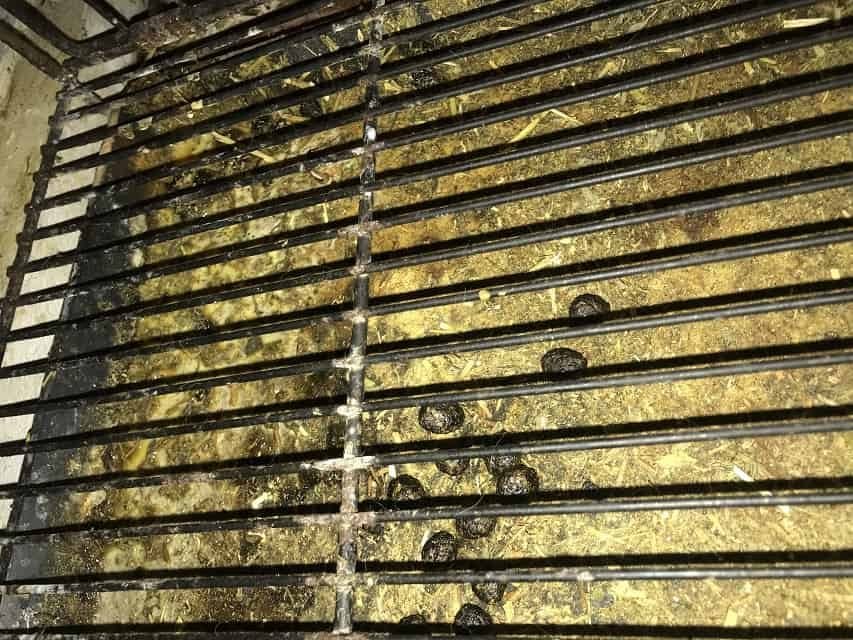
Even if your rabbit's diet and hormones are perfectly balanced, a litter box that is not cleaned often enough will produce a strong ammonia smell. This is simply chemistry: the longer urine sits, the more time bacteria have to convert urea into ammonia.
We recommend cleaning your rabbit's litter box every 1 to 2 days. If you have multiple rabbits sharing a space, daily cleaning is a must. To understand the full scope of how much waste rabbits produce, consider these numbers for a medium-sized rabbit (6 to 10 pounds):
| Cleaning Frequency | Urine Accumulated | Poop Accumulated |
|---|---|---|
| Every day | 330 to 560 ml | 220 to 450 grams |
| Every 2 days | 660 to 1,120 ml | 440 to 900 grams |
| Once a week | 2,310 to 3,920 ml | 1,540 to 3,150 grams |
That weekly number means you could be dealing with nearly 4 liters of urine and over 3 kilograms of poop. The ammonia buildup at that point is not just unpleasant for you, it can actually be harmful to your rabbit's respiratory system. Rabbits are low to the ground and breathe in those fumes directly.
For a deeper dive into cleaning schedules, check out our article on how often you should change your rabbit's litter.
Dehydration
When a rabbit is not drinking enough water, their urine becomes more concentrated. Concentrated urine contains a higher proportion of urea and other waste products per milliliter, which means a stronger ammonia smell even from a small amount of urine.
Common signs of dehydration in rabbits include:
- Dark yellow, orange, or brown urine with a very strong smell
- Thick, sludgy urine
- Loss of skin elasticity (perform a skin tent test on the scruff)
- Lethargy and reduced appetite
- Dry or sticky gums
- Fewer and smaller droppings
A healthy rabbit drinks approximately 50 to 100 ml of water per kilogram of body weight per day. For a medium-sized rabbit weighing around 3 to 4 kg, that is 150 to 400 ml daily. Hot weather, dry environments, and high-hay diets can all increase water requirements.
Always provide fresh, clean water in a bowl (rabbits tend to drink more from bowls than bottles) and change it at least once daily. If you suspect your rabbit may be dehydrated, our guide on how to tell if a rabbit is dehydrated covers all the signs to watch for and what to do about it.
Rabbits that eat plenty of fresh leafy greens like romaine lettuce, cilantro, and parsley get extra hydration from their food. If your rabbit refuses to drink water, try adding more water-rich vegetables to their diet.
Underlying Health Problems
If you have corrected the diet, ensured proper hydration, cleaned the litter box regularly, and your rabbit is spayed or neutered, but the urine still smells strongly of ammonia, a health issue could be the cause.
Several medical conditions can affect the smell of rabbit urine:
- Urinary tract infections (UTIs): Bacterial infections in the bladder or urethra can produce strong-smelling, cloudy, or bloody urine. You may notice your rabbit straining to urinate or urinating more frequently in small amounts.
- Kidney disease: Damaged kidneys cannot filter waste products efficiently, leading to higher concentrations of urea and other compounds in the urine.
- E. cuniculi: This common parasite in rabbits can affect the kidneys over time. Infected rabbits may develop chronic kidney inflammation that changes urine odor and consistency.
- Bladder sludge: Rabbits that consume too much calcium can develop thick, chalky sediment in their bladder. This sludge creates an ideal environment for bacteria and produces a noticeably stronger smell.
- Liver disease: Since the liver processes nitrogen waste before the kidneys excrete it, liver problems can alter how urine smells.
If you notice any changes in your rabbit's urination habits alongside the strong smell, such as blood in the urine, straining, frequent small urinations, or a complete stop in urination, see a rabbit-savvy veterinarian immediately. These can be signs of a serious condition that requires prompt treatment.
Does Gender Affect How Strong Rabbit Urine Smells?
Yes, gender plays a role. Intact male rabbits generally produce the strongest-smelling urine because testosterone increases the concentration of certain hormonal compounds in their urine. This is a natural territorial marking behavior, and the strong smell is designed to communicate with other rabbits.
Intact female rabbits also develop stronger urine odor around the time they reach sexual maturity, but it tends to be less intense than that of intact males. Pregnant or nursing does may also have changes in urine odor due to the metabolic demands of reproduction.
Once both males and females are spayed or neutered, the difference between genders largely disappears. At that point, diet, hydration, and litter box cleanliness become the primary factors.
That said, every rabbit is an individual. We have had bucks with barely any smell and does whose urine could clear a room. If your female rabbit's urine smells stronger than your male's, that alone is not a reason for concern. Look at the whole picture: behavior, appetite, droppings, and overall energy levels.
How to Reduce or Eliminate Ammonia Smell in Rabbit Urine
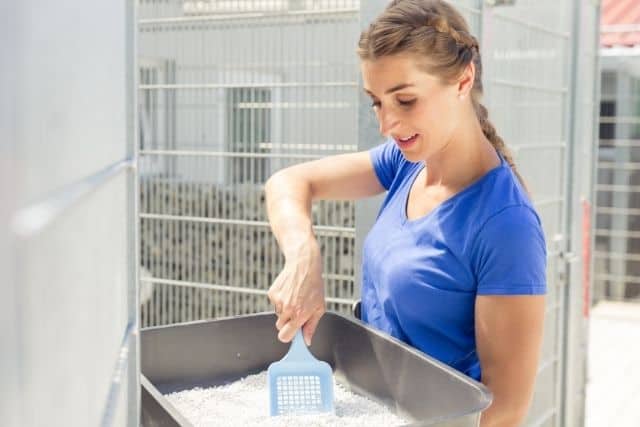
Here is a step-by-step approach to tackling the ammonia smell. Work through these in order, since the most common causes are listed first.
1. Adjust the Diet
Switch to a high-quality timothy hay-based pellet with 14% to 16% protein for adult pet rabbits. Make sure unlimited timothy hay is the main component of their diet (about 80% of what they eat). Hay is lower in protein than pellets and helps keep the digestive and urinary systems healthy.
Limit alfalfa hay to young rabbits under 6 months and pregnant or nursing does. Adult rabbits on alfalfa hay will get too much protein and calcium, both of which contribute to smelly urine and bladder sludge.
2. Get Your Rabbit Spayed or Neutered
If your rabbit is intact and over 4 months old, schedule a spay or neuter appointment with a rabbit-experienced veterinarian. This single step often makes the biggest difference in urine odor, especially with male rabbits. The procedure also provides significant health benefits, including a greatly reduced risk of uterine cancer in female rabbits.
3. Clean the Litter Box Frequently
Commit to cleaning the litter box every 1 to 2 days. For tips beyond just scooping, our article on how to keep your rabbit's cage from smelling covers ventilation, litter types, and deep-cleaning techniques that make a real difference.
When you clean the litter box, use a white vinegar solution (1 part vinegar to 1 part water) to neutralize ammonia residue. Avoid bleach or harsh chemical cleaners, which can irritate your rabbit's sensitive respiratory system.
4. Choose the Right Litter
Not all litters are created equal when it comes to odor control. The best options for controlling ammonia smell are:
- Paper-based litter (e.g., Carefresh): Highly absorbent and good at trapping odor. Safe if ingested in small amounts.
- Kiln-dried pine pellets: Excellent at neutralizing ammonia. The kiln-drying process removes harmful phenols, making them safe for rabbits.
- Aspen shavings: A decent budget option. Less absorbent than paper or pine pellets but still safe for rabbits.
Avoid cedar shavings (toxic phenols), clumping cat litter (dangerous if ingested), and corn cob litter (molds quickly and offers poor odor control).
5. Ensure Proper Hydration
Provide fresh water at all times. Use a heavy ceramic bowl rather than a bottle, as studies show rabbits drink more water from bowls. Change the water at least once per day, and more often in warm weather.
If your rabbit is reluctant to drink, try adding a small splash of unsweetened cranberry juice or apple juice to the water. You can also increase water intake by offering fresh leafy greens that have been rinsed but not dried, so extra water clings to the leaves.
6. Improve Ventilation
Good airflow around your rabbit's living space helps dissipate ammonia fumes before they build up. If your rabbit lives in an enclosed hutch, make sure it has wire mesh sides for air circulation. Indoor rabbits benefit from being housed in an open-top pen or exercise pen rather than a closed cage with solid sides.
Avoid placing the litter box in a corner with no air movement, such as a closet or under furniture. The stagnant air traps ammonia fumes and makes the smell much worse for both you and your rabbit.
What Does Normal Rabbit Urine Look Like?
Before you panic about your rabbit's urine, it helps to know what normal looks like. Rabbit urine is quite different from cat or dog urine, and variations that seem alarming are often perfectly healthy.
- Color: Normal rabbit urine ranges from pale yellow to dark orange, and can even appear reddish or brown. Red-tinged urine is usually caused by plant pigments (porphyrins) from certain vegetables and is not blood. True blood in urine (hematuria) is a different, darker red and often appears as streaks or spots.
- Consistency: A slight cloudiness is normal in rabbit urine due to calcium excretion. Very thick, chalky white sediment at the bottom of the litter box could indicate excess calcium and potential bladder sludge.
- Smell: Fresh rabbit urine has a mild smell. A noticeable ammonia odor that appears shortly after urination (within an hour or two) suggests a problem. Urine that develops a smell after sitting in the litter box for a day is more related to cleaning frequency than a health issue.
When Should You See a Vet About Your Rabbit's Urine?
Schedule a veterinary visit if you notice any of the following:
- Strong ammonia smell that persists after correcting diet, hydration, and cleaning habits
- Blood in the urine (distinct from the normal reddish tint caused by plant pigments)
- Straining or crying while urinating
- Frequent small urinations or dribbling urine
- Complete cessation of urination for more than 12 hours
- Thick, gritty, or sludgy urine on a consistent basis
- Changes in behavior alongside urine changes, such as lethargy, hunched posture, or teeth grinding
A rabbit-savvy vet can run a urinalysis, blood work, and imaging (X-rays or ultrasound) to identify infections, bladder stones, sludge, or kidney issues. Early treatment is important because urinary problems can escalate quickly in rabbits.
Frequently Asked Questions
Is ammonia from rabbit urine dangerous to humans?
Yes, prolonged exposure to high levels of ammonia can irritate your eyes, nose, throat, and lungs. In a poorly ventilated room with an infrequently cleaned litter box, ammonia concentrations can reach levels that cause headaches and respiratory discomfort. Clean the litter box every 1 to 2 days and ensure good airflow to keep ammonia levels safe for both you and your rabbit.
Can white vinegar neutralize ammonia in a rabbit's litter box?
White vinegar is one of the best household solutions for neutralizing ammonia. Mix equal parts white vinegar and water, and use it to wipe down the litter box during each cleaning. The acetic acid in vinegar reacts with ammonia to neutralize it. Let the box air dry before adding fresh litter. Avoid mixing vinegar with bleach, as this creates toxic fumes.
Why does my rabbit's urine smell worse in the summer?
Warm temperatures accelerate bacterial growth, which speeds up the conversion of urea into ammonia. Your rabbit may also become mildly dehydrated in hot weather, producing more concentrated urine. Clean the litter box daily during summer months and ensure your rabbit always has access to fresh, cool water.
Does the type of hay my rabbit eats affect urine smell?
Yes. Alfalfa hay is higher in protein and calcium compared to timothy hay, orchard grass, or meadow hay. Feeding alfalfa to adult rabbits increases nitrogen and calcium excretion through the urine, making it smell stronger and appear more cloudy. Switch to timothy hay as the primary hay source for adult rabbits to reduce both smell and bladder sludge risk.
How long after neutering will my rabbit's urine smell improve?
Most rabbit owners notice a significant improvement within 4 to 8 weeks after neutering or spaying. Hormone levels do not drop immediately after surgery, so the change is gradual. Territorial spraying behavior also decreases during this period, which further reduces the overall urine odor in your rabbit's living space.
Cite this article:
Cite this article:
BunnySync (February 23, 2026) Why Does My Rabbit's Pee Smell Like Ammonia?. Retrieved from https://bunnysync.com/blog/rabbit-pee-smells-like-ammonia.
"Why Does My Rabbit's Pee Smell Like Ammonia?." BunnySync - February 23, 2026, https://bunnysync.com/blog/rabbit-pee-smells-like-ammonia