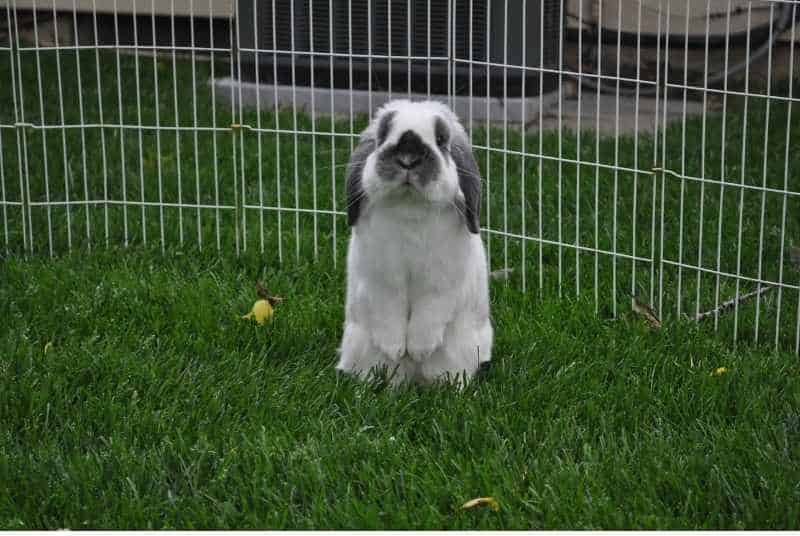
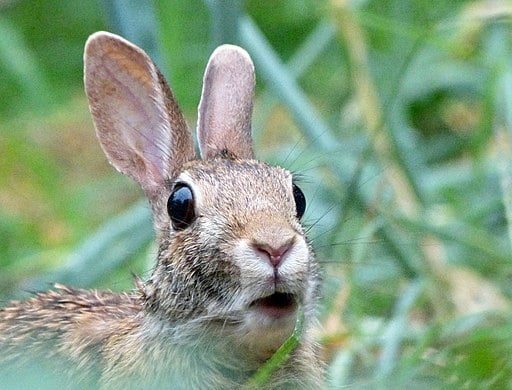
No, rabbits do not smell bad. Healthy rabbits are actually one of the cleanest pets you can own because they are meticulous self-groomers who spend hours each day keeping their fur spotless. Their dry fecal pellets are nearly odorless, and a well-maintained rabbit living area should have little to no smell. If you do notice a bad odor coming from your rabbit or their enclosure, it almost always points to a husbandry issue, a hormonal factor, or an underlying health problem that needs attention.
As breeders who have kept dozens of rabbits over the years, we can tell you that most rabbit odor complaints come down to a handful of fixable causes. In this guide, we will walk you through every reason a rabbit might smell, exactly how to fix each one, and how to keep your rabbit's space fresh and clean long-term.
Why Don't Rabbits Smell Bad Naturally?
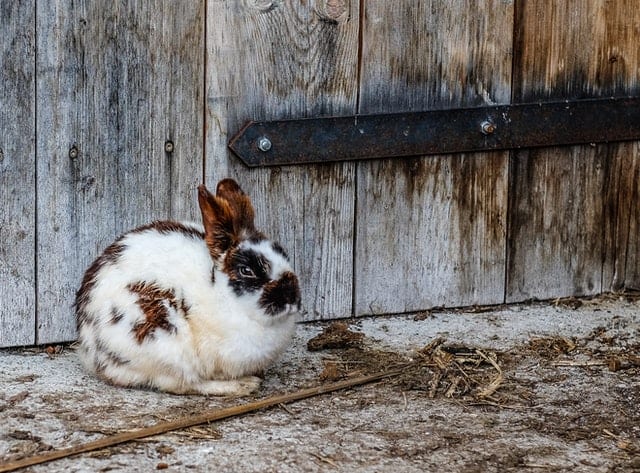
Rabbits are prey animals, and in the wild, a strong body odor would attract predators. Evolution has made them exceptionally clean creatures. They groom themselves constantly, similar to cats, licking their fur, paws, and ears multiple times throughout the day. If you have ever watched a rabbit settle in after eating, you have probably noticed an extended grooming session that can last 15 to 20 minutes.
Their fecal pellets are small, dry, and made mostly of compressed fiber. Unlike dog or cat waste, rabbit droppings have very little odor when fresh. The digestive process extracts most of the moisture and nutrients, leaving behind hard, nearly scentless pellets.
Rabbits also produce cecotropes, which are soft, nutrient-rich droppings they eat directly from their body, usually at night. When a rabbit is healthy, you should rarely even see cecotropes because they consume them immediately. It is only when cecotropes go uneaten that odor problems begin.
What Causes a Rabbit to Smell Bad?
When a rabbit or its living area does smell, there is always a specific cause. Here are the most common reasons, ranked from most to least frequent.
Dirty Litter Box or Enclosure
This is the number one reason people think rabbits smell bad. It is not the rabbit that stinks; it is the accumulated urine in an uncleaned litter box. Rabbit urine contains ammonia, and when it sits in a litter box for days, the ammonia concentration builds up and creates a sharp, pungent odor that can fill an entire room.
Rabbits produce 120 to 130 ml of urine per kilogram of body weight each day. A 2 kg (4.4 lb) rabbit can produce up to 260 ml of urine daily. Combine that with 200 to 300 fecal pellets per day, and you can see why a neglected litter box gets overwhelming fast.
The fix is straightforward:
- Spot-clean the litter box daily by removing wet clumps and excess droppings
- Do a full litter change every 2 to 3 days (or daily if you are sensitive to odors)
- Use an absorbent, rabbit-safe litter such as paper-based litter, kiln-dried pine, or aspen shavings
- Never use cedar shavings, clumping cat litter, or scented litters, as these can harm your rabbit's respiratory system
For a deeper dive into cleaning schedules, check out our guide on how often you should change your rabbit's litter.
Unneutered or Unspayed Rabbits
Hormones play a major role in rabbit odor. Unneutered male rabbits (bucks) produce significantly stronger-smelling urine than neutered males. The testosterone-driven urine has a musky, sometimes overpowering scent that is noticeably different from a fixed rabbit's urine.
Unneutered rabbits also spray urine to mark territory. This means urine ends up on cage walls, flooring, furniture, and sometimes even on you. The sprayed urine dries and leaves behind a concentrated residue that is difficult to remove and contributes heavily to persistent odor.
Unspayed females can also develop hormonal odor changes, though it is typically less intense than in intact males.
The solution: have your rabbit spayed or neutered between 4 and 6 months of age. According to the House Rabbit Society, spaying and neutering not only reduces urine odor and spraying behavior but also prevents reproductive cancers, which affect up to 80% of unspayed female rabbits by age 5.
Uneaten Cecotropes
Cecotropes are grape-like clusters of soft, dark droppings that rabbits produce and immediately re-ingest for their vitamin and nutrient content. A healthy rabbit eats these directly, so you should almost never find them lying around.
When cecotropes go uneaten, they are extremely smelly. They have a strong, fermented odor that is unmistakable. Uneaten cecotropes also stick to the rabbit's fur, particularly around the hindquarters, creating a matted, smelly mess on their bottom.
Common causes of uneaten cecotropes include:
- Obesity: Overweight rabbits physically cannot reach their bottom to eat cecotropes
- Arthritis or spinal issues: Pain prevents the rabbit from bending
- Overfeeding pellets or treats: Too many calories means the rabbit is too full to eat cecotropes
- Dental problems: Pain while chewing discourages the rabbit from consuming them
If you regularly find uneaten cecotropes in your rabbit's enclosure, a vet visit is warranted to rule out underlying health issues.
Poor Diet Causing Smelly Urine
What your rabbit eats directly affects how their urine and droppings smell. Diets too high in protein, calcium, or sugar produce stronger-smelling urine. Low-quality pellets with corn, seeds, or artificial ingredients are common culprits.
A proper rabbit diet should follow this breakdown:
| Food Type | Daily Amount | Notes |
|---|---|---|
| Timothy Hay | Unlimited (80%+ of diet) | The foundation of a healthy diet |
| Fresh Greens | 1 packed cup per 2 lbs body weight | Rotate varieties for balanced nutrition |
| Quality Pellets | 1/4 cup per 5 lbs body weight | Timothy-based, 18%+ fiber, under 3% fat |
| Treats/Fruit | 1-2 tablespoons max | Only 2-3 times per week |
If you are unsure about pellet quality and portions, our guide on how much pellets a rabbit should eat covers the exact nutritional requirements recommended by the American Rabbit Breeders Association.
Scent Gland Buildup
Rabbits have scent glands located on either side of their genitals and under their chin. The chin gland produces a scent undetectable to humans, but the inguinal glands (near the genitals) can accumulate a waxy, brown substance that becomes quite pungent if not cleaned periodically.
Many rabbit owners do not even know these glands exist. The buildup looks like dark, sticky wax and has a strong, musky smell. Checking and cleaning these glands should be part of your regular grooming routine.
To clean scent glands:
- Gently restrain your rabbit on their back or have a helper hold them
- Look for the small slits on either side of the genital area
- Use a damp cotton swab or cotton ball to gently wipe away any waxy buildup
- Be gentle, as this area is sensitive
- Check and clean every 1 to 2 months, or more often for older or overweight rabbits
Wet or Soiled Fur
A rabbit with consistently wet fur around its bottom, feet, or dewlap will start to smell. Wet fur also creates a breeding ground for bacteria and can lead to a painful condition called urine scald, where the skin becomes raw and inflamed from constant moisture exposure.
Causes of chronically wet fur include:
- A leaking water bottle dripping onto the rabbit
- A litter box that is too small, forcing the rabbit to sit in its own waste
- Urinary incontinence due to age, obesity, or urinary tract issues
- Dental problems causing drooling and a wet dewlap
Address the root cause rather than bathing the rabbit. Never fully submerge a rabbit in water. Rabbits do not need baths, and the stress of bathing can cause shock or even death. If your rabbit's fur is soiled, use a damp cloth for spot cleaning only.
Illness or Infection
Sometimes a foul smell indicates a medical problem that needs veterinary attention. Conditions that can cause unusual odors include:
- Urinary tract infections (UTIs): Produce cloudy, extra-smelly urine, sometimes with a reddish tint
- GI stasis: Slowed gut movement leads to gas buildup and foul-smelling soft stool
- Ear infections: Produce a distinctive foul smell from the ear canal
- Abscesses: Infected wounds or tooth root abscesses produce a strong, unpleasant odor
- Flystrike: A life-threatening condition where flies lay eggs in soiled fur; the resulting maggots cause a terrible smell and require emergency veterinary care
If your rabbit suddenly smells different and you cannot identify a husbandry-related cause, schedule a vet visit promptly. A sudden change in odor is often one of the earliest signs of illness.
How to Keep Your Rabbit's Area Smelling Fresh
Prevention is always easier than dealing with a smelly situation after it develops. Here is a practical cleaning schedule that works for most rabbit setups.
Daily Tasks
- Spot-clean the litter box (remove wet spots and excess droppings)
- Check for uneaten cecotropes
- Wipe down any surfaces with dried urine spots
- Ensure water bottle or bowl is clean and fresh
Every 2 to 3 Days
- Complete litter change with fresh bedding
- Wash the litter box with warm water and white vinegar
- Sweep or vacuum around the enclosure
Weekly
- Deep clean the entire enclosure
- Wash fabric items (fleece liners, blankets) in unscented detergent
- Check scent glands for buildup
- Inspect your rabbit's bottom for soiling or matted fur
For a complete breakdown of cage cleaning techniques, including how to tackle stubborn urine stains, read our guide on how to keep your rabbit's cage from smelling.
Best Litter Types for Odor Control
The litter you choose makes a huge difference in odor management. Here is how the most common options compare:
| Litter Type | Odor Control | Absorbency | Safety | Cost |
|---|---|---|---|---|
| Paper-based (Carefresh) | Good | Excellent | Very safe | $$ |
| Kiln-dried pine | Excellent | Good | Safe (must be kiln-dried) | $ |
| Aspen shavings | Good | Good | Safe | $ |
| Hay over newspaper | Fair | Fair | Safe | $ |
| Cedar shavings | N/A | N/A | TOXIC, never use | N/A |
| Clumping cat litter | N/A | N/A | DANGEROUS if ingested | N/A |
A layer of hay on top of the litter encourages your rabbit to use the box consistently, since rabbits like to munch while they do their business.
Do Rabbits Smell Worse Than Other Pets?
Compared to most common household pets, rabbits are among the least smelly. Here is how they stack up:
| Pet | Natural Body Odor | Waste Odor | Maintenance Level |
|---|---|---|---|
| Rabbits | None | Low (urine is main issue) | Moderate |
| Dogs | Moderate to strong | Strong | High |
| Cats | Low | Strong (litter box) | Moderate |
| Ferrets | Strong | Strong | High |
| Guinea Pigs | Mild | Moderate | Moderate |
| Hamsters | Mild | Moderate | Low |
Rabbits have virtually no natural body odor. Their fur does not produce the oils that give dogs and ferrets their characteristic smell. The only real odor concern with rabbits is urine management, and that is entirely within the owner's control.
Can You Use Air Fresheners or Sprays Around Rabbits?
Be very cautious with artificial fragrances around rabbits. Their respiratory systems are delicate, and strong chemicals can cause irritation or even respiratory illness. Avoid the following near your rabbit:
- Scented candles and incense
- Aerosol air fresheners
- Essential oil diffusers (many essential oils are toxic to rabbits)
- Strongly scented cleaning products
Safe alternatives for freshening the area include:
- White vinegar solution (1:1 with water) for cleaning, as it neutralizes ammonia
- Baking soda sprinkled under the litter (not where the rabbit can dig in it)
- Good ventilation by keeping the area near a window or using a fan
- An air purifier with a HEPA filter placed near the enclosure
Should You Bathe a Smelly Rabbit?
No. This is one of the most important things to understand about rabbit care. Rabbits should not be bathed. Their dense undercoat takes an extremely long time to dry, creating a risk of hypothermia. The stress of being submerged in water can also trigger fatal shock in sensitive rabbits.
If your rabbit has soiled fur, follow these steps instead:
- Use a damp, warm washcloth to gently wipe the affected area
- For stubborn dried-on waste, hold a warm damp cloth against the area for a minute to soften it before gently wiping
- Dry the area thoroughly with a towel
- You can use a hair dryer on the lowest, coolest setting held at a distance, but only if your rabbit tolerates it without stress
- Apply a thin layer of cornstarch (not talcum powder) to help keep the area dry afterward
If your rabbit consistently has a dirty bottom, the underlying cause needs to be addressed. Repeated cleaning without fixing the root issue (obesity, dental disease, arthritis) will only lead to more frustration and potential skin damage.
Frequently Asked Questions
Do female rabbits smell less than male rabbits?
Female rabbits generally produce less pungent urine than intact males. However, both sexes are virtually odor-free once spayed or neutered. The biggest factor in rabbit smell is enclosure cleanliness, not the rabbit's sex. Neutering a male rabbit reduces urine odor dramatically within a few weeks of the procedure.
Why does my rabbit's cage smell even after cleaning?
Persistent odor after cleaning usually means urine has soaked into porous surfaces like untreated wood, fabric, or foam. Use a 1:1 white vinegar and water solution to neutralize ammonia. For stubborn stains on wood, sand the surface lightly and seal it with a pet-safe waterproof coating. Replacing porous materials with washable alternatives also helps.
Do rabbits smell worse in summer?
Warm temperatures accelerate bacterial growth and ammonia release from urine, making odors stronger in summer. During hot months, increase your cleaning frequency to daily litter changes and ensure the rabbit's area has good air circulation. A small fan or air purifier near the enclosure helps significantly.
At what age do rabbits start to smell more?
Rabbits may develop stronger urine odor when they reach sexual maturity, typically between 3 and 6 months of age. This is driven by hormonal changes and territorial marking behavior. Spaying or neutering at the appropriate age eliminates this hormonal odor increase. Senior rabbits may also smell more if mobility issues prevent proper grooming.
Can rabbit urine smell make you sick?
Prolonged exposure to high ammonia concentrations from accumulated rabbit urine can irritate the eyes, nose, and throat in humans, and can also harm your rabbit's respiratory system. According to the Merck Veterinary Manual, ammonia levels above 25 ppm can cause respiratory disease in rabbits. Regular cleaning prevents ammonia from reaching harmful levels for both you and your rabbit.
Cite this article:
Cite this article:
BunnySync (March 5, 2026) Do Rabbits Smell Bad? Odor Causes, Fixes, and Prevention. Retrieved from https://bunnysync.com/blog/do-rabbits-smell-bad.
"Do Rabbits Smell Bad? Odor Causes, Fixes, and Prevention." BunnySync - March 5, 2026, https://bunnysync.com/blog/do-rabbits-smell-bad