Yes, rabbits can eat spinach. As breeders who have raised dozens of litters, we can tell you from direct experience that spinach is a safe leafy green for rabbits when fed in moderation. The key concern with spinach is its oxalate content, but the reality is that small, controlled portions pose no threat to a healthy rabbit. A good starting point is around 15 grams for a rabbit being introduced to spinach for the first time, and your rabbit should be at least 12 weeks old before you offer any vegetables at all.
Spinach (Spinacia oleracea) is nutrient-dense, affordable, and widely available. But it requires more careful handling than lower-oxalate greens. In this guide, updated for 2026, we break down exactly how much spinach is safe, which rabbits should avoid it, and what alternatives you can rotate into your herd's diet.
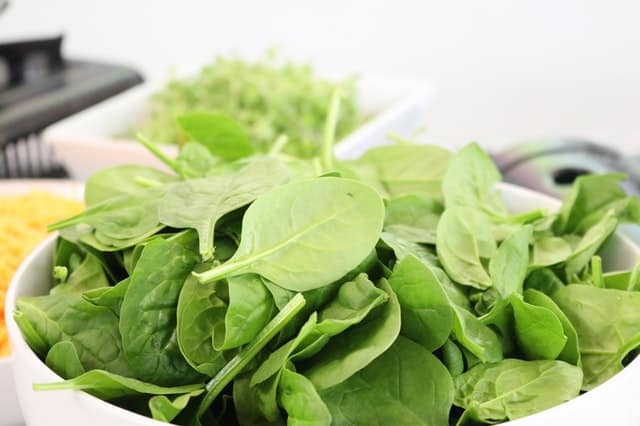
Is Spinach Safe for Rabbits to Eat?
Spinach is safe for rabbits when given in appropriate quantities. The concern you will hear most often centers on oxalic acid (oxalates), which spinach contains in higher concentrations than many other leafy greens. Oxalates can bind with calcium in the body and, over time, contribute to kidney stones or urinary sludge.
However, this only becomes a genuine problem when a rabbit eats large amounts of high-oxalate foods consistently over weeks or months. A small serving of spinach once or twice a week, rotated with other greens, does not create this risk. The VCA Animal Hospitals feeding guide confirms that spinach can be part of a balanced rabbit diet as long as it is rotated with other vegetables.
We have fed spinach to our own breeding rabbits for years without any health issues, and many experienced breeders in our community do the same. The secret is simple: variety and portion control.
What Nutrients Does Spinach Provide for Rabbits?
Spinach is one of the most nutrient-dense leafy greens you can offer. Per 100 grams of raw spinach, your rabbit gets a solid nutritional profile.
| Nutrient | Amount per 100g Raw Spinach | Benefit for Rabbits |
|---|---|---|
| Vitamin A | 9,377 IU | Supports eye health, immune function, and reproduction |
| Vitamin K | 482.9 mcg | Essential for blood clotting and bone metabolism |
| Folate | 194 mcg | Supports cell growth and tissue repair |
| Vitamin C | 28.1 mg | Antioxidant support (rabbits produce their own, but supplemental is fine) |
| Potassium | 558 mg | Supports heart and muscle function |
| Iron | 2.7 mg | Oxygen transport in the blood |
| Fiber | 2.2 g | Supports healthy digestion alongside hay |
| Calcium | 99 mg | Bone health (but excess can cause urinary issues) |
| Oxalic Acid | ~970 mg | Caution: high levels require portion control |
The standout nutrients are vitamin A and potassium. Vitamin A is especially valuable for breeding does, as it supports reproductive health and kit development. Potassium helps maintain proper muscle function, which matters for active rabbits.
Spinach also provides trace amounts of vitamin E, vitamin B6, copper, niacin, protein, and choline. It is a genuinely beneficial food when used correctly.
How Much Spinach Can a Rabbit Eat?
The right portion depends on your rabbit's weight, age, and what other vegetables they are eating that day. As a general rule, leafy greens (including spinach) should make up about 1 packed cup per 2 pounds of body weight daily. Because spinach is high in oxalates, it should only represent a fraction of that total, not the entire serving.
Portion Guidelines by Rabbit Size
| Rabbit Size | Body Weight | Total Daily Greens | Max Spinach Portion |
|---|---|---|---|
| Small breed | 1 to 3.5 lbs | 0.5 to 1.5 cups | 2 to 3 leaves |
| Medium breed | 6 to 10 lbs | 3 to 5 cups | 5 to 8 leaves |
| Large breed | 9 to 12+ lbs | 4.5 to 6 cups | 8 to 12 leaves |
These amounts assume you are rotating spinach with at least two other types of leafy greens. If spinach is the only green you have on hand, reduce the serving size by half and increase the amount of hay your rabbit eats to compensate.
How Often Should You Feed Spinach?
We recommend feeding spinach no more than two to three times per week. On the days you skip spinach, offer lower-oxalate greens such as cilantro, romaine lettuce, or bok choy. This rotation prevents oxalate buildup while still giving your rabbit the nutritional benefits spinach provides.
A practical weekly schedule might look like this:
- Monday: Spinach + cilantro
- Tuesday: Romaine lettuce + parsley
- Wednesday: Bok choy + carrot tops
- Thursday: Spinach + dandelion greens
- Friday: Romaine lettuce + basil
- Saturday: Endive + mint
- Sunday: Spinach + watercress
This kind of rotation ensures variety, keeps oxalate exposure low, and provides a broad spectrum of vitamins and minerals. For more details on structuring your rabbit's meals, see our guide on how many times a day to feed your rabbit.
At What Age Can Rabbits Start Eating Spinach?
Baby rabbits should not eat spinach or any other vegetable until they are at least 12 weeks old. Before that age, their digestive systems are still developing, and introducing fresh foods too early can cause serious gastrointestinal problems.
Here is the timeline we follow in our own rabbitry:
| Age | Vegetable Feeding Guideline |
|---|---|
| 0 to 3 weeks | Mother's milk only |
| 3 to 7 weeks | Hay and pellets gradually introduced alongside milk |
| 7 to 12 weeks | Weaned onto hay and pellets, no vegetables yet |
| 12 weeks | Begin introducing one vegetable at a time, less than 15 grams per serving |
| 4 to 7 months | Slowly increase vegetable variety and quantity |
| 7 months to 1 year | Gradually work up to full adult vegetable portions |
| 1 to 5 years (adult) | 1 to 2 cups of mixed greens per 6 lbs body weight |
| 6+ years (senior) | Adjust based on health; consult your veterinarian for specialized diets |
When you first introduce spinach at 12 weeks, offer just one or two small leaves. Watch for any signs of soft stool or digestive upset over the next 24 hours. If everything looks normal, you can gradually add spinach to the regular rotation.
What Are the Risks of Feeding Too Much Spinach?
Overfeeding spinach to rabbits carries real risks. Understanding these helps you avoid common mistakes that can lead to health problems.
Oxalate Buildup and Kidney Problems
The primary concern is oxalic acid. When rabbits consume excessive amounts of high-oxalate foods over extended periods, the oxalates bind with calcium in the urinary tract. This can result in bladder sludge, kidney stones, or in severe cases, kidney damage. Signs of urinary problems include thick, white, or gritty urine, straining to urinate, and reduced appetite.
Gastrointestinal Stasis
If a rabbit fills up on spinach and eats less hay as a result, the reduction in fiber intake can trigger gastrointestinal stasis. GI stasis is a potentially fatal condition where the gut slows down or stops moving entirely. The rabbit stops eating, becomes lethargic, and produces fewer or no droppings. This is a veterinary emergency.
Diarrhea and Soft Cecotropes
Introducing too much spinach too quickly, or feeding it in excessive quantities, can cause loose stools or soft, uneaten cecotropes. Cecotropes are the nutrient-rich droppings rabbits normally re-ingest. When they become too soft, the rabbit cannot eat them properly, which leads to nutritional loss and a messy coat around the hindquarters.
Calcium Overload
Spinach contains a moderate amount of calcium (99 mg per 100g). Rabbits metabolize calcium differently than most mammals. They absorb all dietary calcium and excrete the excess through their urine. When calcium intake is consistently too high, it leads to thick, chalky urine and potential bladder stones. Pairing spinach with other high-calcium greens like kale on the same day increases this risk.
When Should You Stop Feeding Spinach to Your Rabbit?
Remove spinach from your rabbit's diet immediately if you notice any of the following signs:
- Soft, mushy, or watery droppings lasting more than 12 hours
- Complete loss of appetite or refusal to eat hay
- Thick, white, or gritty residue in the urine
- Straining or crying while urinating
- Bloated or distended abdomen
- Lethargy, hunched posture, or teeth grinding (signs of pain)
The immediate response to any digestive issue is to pull all vegetables and treats, leaving only unlimited timothy hay and fresh water. Hay provides the fiber needed to get the gut moving again. If symptoms persist beyond 12 to 24 hours, take your rabbit to a rabbit-savvy veterinarian.
Rabbits with a known history of bladder sludge, kidney stones, or chronic urinary issues should avoid spinach entirely. Stick to low-oxalate, low-calcium greens for these animals.
Can Rabbits Eat All Parts of the Spinach Plant?
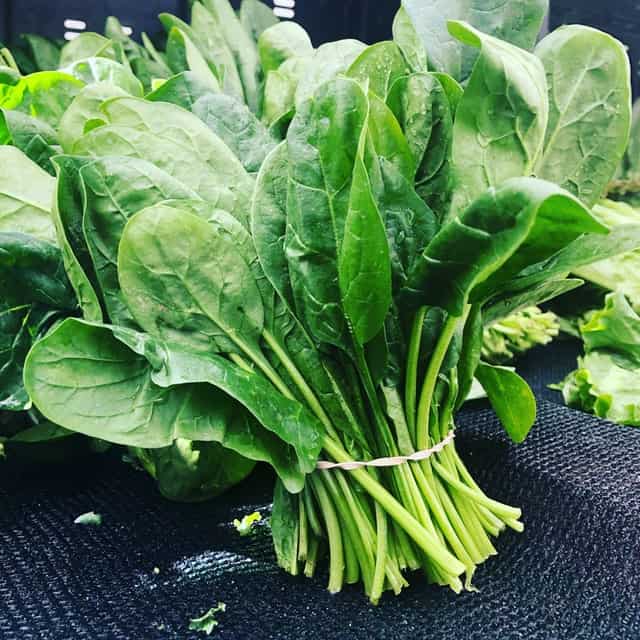
Yes. Both the leaves and stems of the spinach plant are safe for rabbits. The stems are slightly more fibrous than the leaves, which actually makes them a bit more beneficial for dental wear and digestive health. There is no need to remove the stems before feeding.
However, there are a few preparation steps you should always follow:
- Wash thoroughly. Spinach is one of the most pesticide-heavy crops. Rinse it under running water and consider using a vegetable wash or soaking in water with a splash of white vinegar for 5 minutes.
- Serve raw only. Never cook spinach for your rabbit. Cooked vegetables lose fiber content and can cause digestive issues. Rabbits need the raw, crunchy texture.
- Remove wilted or slimy leaves. Spoiled greens can harbor harmful bacteria. Only offer fresh, crisp spinach.
- Organic when possible. If your budget allows, organic spinach reduces pesticide exposure. If not, thorough washing is sufficient.
What Are the Best Alternatives to Spinach for Rabbits?
Variety is the cornerstone of a healthy rabbit diet. We always recommend offering at least three different types of leafy greens daily, rotating throughout the week. Here is how common rabbit-safe greens compare to spinach.
| Green | Oxalate Level | Calcium Level | Feeding Frequency |
|---|---|---|---|
| Spinach | High | Moderate | 2 to 3 times per week |
| Romaine Lettuce | Low | Low | Daily |
| Cilantro | Low | Low | Daily |
| Bok Choy | Low | Moderate | Daily |
| Parsley | High | High | 2 to 3 times per week |
| Kale | Moderate | High | 2 to 3 times per week |
| Dandelion Greens | Low | Moderate | Daily |
| Basil | Low | Low | Daily |
| Mint | Low | Low | Daily |
| Watercress | Low | Moderate | Daily |
The safest daily greens are romaine lettuce, cilantro, bok choy, and basil. Save the higher-oxalate options like spinach, parsley, and kale for occasional rotation. For a complete list of rabbit-safe vegetables, check our guide on what vegetables you can feed your rabbit.
Does Spinach Type Matter: Baby Spinach vs. Mature Spinach?
Baby spinach and mature spinach are the same plant harvested at different growth stages. Baby spinach is picked about 15 to 35 days after planting, while mature spinach grows for 40 to 65 days. Both are safe for rabbits, but there are some practical differences worth noting.
Baby spinach has smaller, more tender leaves with a milder flavor. It also tends to have slightly lower oxalate concentrations than mature spinach because the oxalate content increases as the plant ages. For rabbits that are new to spinach, baby spinach is a gentler introduction.
Mature spinach has larger, tougher leaves and thicker stems. The slightly higher fiber content in mature leaves can be beneficial for dental health, as the added chewing helps wear down continuously growing teeth. Either variety works well in your rabbit's diet.
Can Pregnant or Nursing Rabbits Eat Spinach?
Pregnant and nursing does can eat spinach in the same moderate amounts as other adult rabbits. The high vitamin A content is actually beneficial during pregnancy, as it supports fetal development and immune health in both the doe and her kits.
That said, pregnant does are more susceptible to digestive upset, so stick to greens she is already familiar with. Pregnancy is not the time to introduce new foods. If spinach is already part of her regular rotation, continue offering it two to three times per week at the same portion size.
During lactation, the doe's caloric and nutritional needs increase significantly. You can slightly increase her overall vegetable portions, but keep spinach within its normal limits. The extra nutrition should come primarily from unlimited hay and a measured increase in quality pellets.
How Does Spinach Compare to Other High-Oxalate Greens?
Spinach often gets singled out as a high-oxalate food, but it is not the only leafy green with elevated levels. Understanding the full picture helps you manage your rabbit's total oxalate intake more effectively.
| Leafy Green | Oxalic Acid (mg per 100g) | Classification |
|---|---|---|
| Spinach | 970 | High |
| Beet Greens | 610 | High |
| Swiss Chard | 645 | High |
| Parsley | 100 | Moderate |
| Kale | 20 | Low to Moderate |
| Romaine Lettuce | 5 | Very Low |
| Cilantro | Trace | Very Low |
The rule of thumb is simple: never feed two high-oxalate greens on the same day. If you give spinach on Monday, do not pair it with beet greens or Swiss chard. Space out the high-oxalate options and fill the rest of the rotation with low-oxalate staples.
Frequently Asked Questions
Can rabbits eat spinach every day?
No. Spinach contains high levels of oxalic acid, which can accumulate and contribute to kidney stones or bladder sludge over time. Limit spinach to two or three servings per week and rotate it with lower-oxalate greens like romaine lettuce, cilantro, or bok choy to keep your rabbit healthy.
Can rabbits eat spinach stems?
Yes, spinach stems are completely safe for rabbits and slightly more fibrous than the leaves. The added fiber and firmer texture can help with dental wear, as rabbits need to chew tough material to keep their continuously growing teeth at the right length. Always wash stems thoroughly before serving.
Can baby rabbits eat spinach?
Rabbits under 12 weeks old should not eat spinach or any other vegetable. Their digestive systems need time to develop on a diet of mother's milk, hay, and pellets. After 12 weeks, introduce spinach slowly with just one or two small leaves, and monitor for any signs of soft stool or digestive upset.
Is frozen spinach safe for rabbits?
Frozen spinach is not recommended for rabbits. The freezing and thawing process breaks down the cell structure, making the leaves too soft and watery. This can cause digestive problems and reduces the chewing benefit that raw, fresh spinach provides. Always feed spinach in its raw, fresh form for the best results.
Can I mix spinach with other greens in one serving?
Absolutely. Mixing spinach with two or three low-oxalate greens in a single serving is the ideal approach. Combine a few spinach leaves with romaine lettuce, cilantro, or basil to create a nutrient-rich salad. Just avoid pairing spinach with other high-oxalate greens like beet greens or Swiss chard on the same day.
Cite this article:
Cite this article:
BunnySync (February 24, 2026) Can Rabbits Eat Spinach? Safe Feeding Guide for Rabbit Owners. Retrieved from https://bunnysync.com/blog/can-rabbits-eat-spinach.
"Can Rabbits Eat Spinach? Safe Feeding Guide for Rabbit Owners." BunnySync - February 24, 2026, https://bunnysync.com/blog/can-rabbits-eat-spinach