No, rabbits should never eat chives. Chives belong to the Allium family, the same plant group that includes garlic, onions, leeks, and scallions, all of which are toxic to rabbits. The compounds in chives, specifically disulfides and thiosulfates, destroy red blood cells and can cause hemolytic anemia, allergic reactions, and even death in severe cases. As breeders, we consider chives one of the most dangerous herbs a rabbit could accidentally consume.
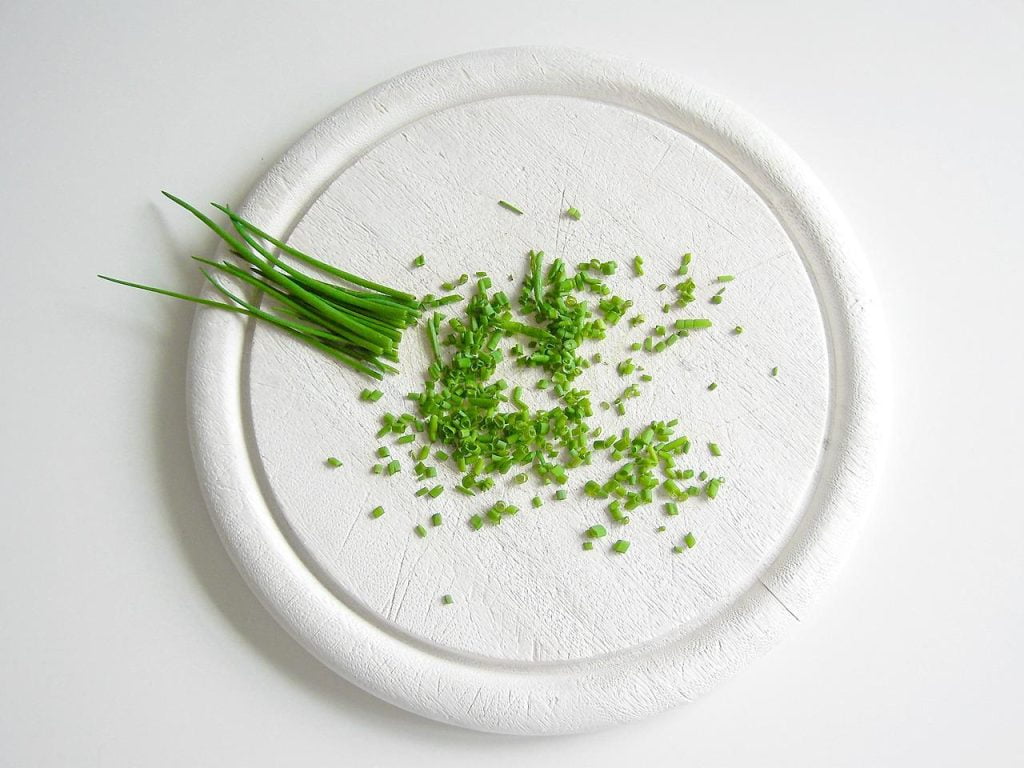
Even a small nibble is unlikely to cause immediate harm, but repeated exposure or a larger serving can trigger serious health problems. Every part of the chive plant is dangerous: the leaves, bulbs, flowers, and stems all contain the same toxic compounds. This guide covers exactly why chives are harmful, what symptoms to watch for, and what safe herbs you can feed your rabbit instead.
Why Are Chives Toxic to Rabbits?
Chives (Allium schoenoprasum) contain two groups of sulfur-based compounds that are responsible for their toxicity: disulfides and thiosulfates. These chemicals are present in every member of the Allium family, though concentrations vary between species. Garlic tends to have the highest concentration, followed by onions, with chives containing somewhat lower levels. However, "lower" does not mean "safe" for rabbits.
How Disulfides and Thiosulfates Damage Rabbit Blood
When a rabbit ingests chives, the disulfides and thiosulfates enter the bloodstream and attack the hemoglobin inside red blood cells. These compounds cause oxidative damage to the cell membranes, making the red blood cells fragile and prone to rupturing. This process is called hemolysis, and it is the primary mechanism behind Allium toxicity in rabbits and other small mammals.
Once red blood cells begin breaking apart faster than the rabbit's bone marrow can replace them, the rabbit develops hemolytic anemia. The damaged hemoglobin can also form structures called Heinz bodies, which are visible under a microscope and serve as a diagnostic marker for Allium poisoning.
Why Rabbits Are Especially Vulnerable
Rabbits are more susceptible to Allium toxicity than many larger animals for several reasons. Their small body size means that even a modest amount of chives represents a relatively large dose per kilogram of body weight. Additionally, rabbits have a limited ability to metabolize and excrete the sulfur compounds found in Allium plants. Their liver enzyme systems are not well-equipped to neutralize these toxins, which means the compounds remain active in the bloodstream for longer periods.
According to research published in the Journal of Medicinal Plants Research, the lethal dose (LD50) of Allium extract in rabbits was found to be approximately 3,200 mg/kg of body weight. While this is a high dose, sublethal amounts can still cause significant health problems including chronic anemia and immune suppression over time.
What Happens If a Rabbit Eats Chives?
The effects of chive consumption depend on the amount eaten and the size of the rabbit. A single small nibble may not produce noticeable symptoms, but larger quantities or repeated exposure can lead to several serious conditions.
Hemolytic Anemia
Hemolytic anemia is the most common and dangerous consequence of chive ingestion in rabbits. When red blood cells are destroyed faster than they can be replaced, your rabbit's organs and tissues receive less oxygen. According to the Unusual Pet Vets veterinary resource on anemia in rabbits, the signs include:
- Lethargy and reluctance to move
- Loss of appetite or complete refusal to eat
- Pale or white gums and inner ear skin
- Rapid or labored breathing
- Decreased exercise tolerance
- Weakness in the hind legs
Symptoms may not appear immediately. It can take 24 to 72 hours after ingestion for anemia to develop, which makes it easy to miss the connection between chive exposure and the onset of symptoms. If your rabbit seems unusually tired or stops eating within a few days of potential chive exposure, seek veterinary care right away.
Anaphylactic Reactions
Some rabbits can develop a severe allergic response to compounds in chives. Anaphylaxis is a life-threatening emergency that requires immediate veterinary intervention. Warning signs of an anaphylactic reaction include:
- Sudden difficulty breathing or wheezing
- Swelling around the face, mouth, or throat
- Rapid onset of shock (cold extremities, rapid heart rate, collapse)
- Excessive drooling or pawing at the mouth
Anaphylaxis can progress from mild symptoms to life-threatening shock within minutes. If you observe any of these signs after your rabbit has eaten chives or any Allium plant, transport them to an emergency veterinarian immediately.
Methemoglobinemia
The thiosulfates in chives can also cause methemoglobinemia, a condition where the hemoglobin in red blood cells is converted to methemoglobin. Unlike normal hemoglobin, methemoglobin cannot carry oxygen effectively. This means that even if your rabbit has enough red blood cells, those cells cannot deliver adequate oxygen to the body's tissues.
Signs of methemoglobinemia overlap with anemia but may also include a brownish discoloration of the gums and mucous membranes. In severe cases, the rabbit's blood may appear chocolate-brown rather than bright red.
Hemoglobinuria
When large numbers of red blood cells rupture, the released hemoglobin is filtered through the kidneys and excreted in the urine. This condition, called hemoglobinuria, produces visibly dark or reddish-brown urine. While rabbit urine naturally varies in color from pale yellow to deep orange-red depending on diet, dark brown urine after potential chive exposure is a serious warning sign that warrants immediate veterinary attention.
Immune System Suppression
Research has shown that disulfides and thiosulfates have immunosuppressive effects in small mammals. Even if a rabbit survives an episode of chive toxicity without developing severe anemia, the compounds can weaken the immune system for days or weeks afterward. During this vulnerable period, rabbits are more susceptible to secondary infections, respiratory illness, and other health problems.
Gastrointestinal Distress
Beyond the blood-related effects, chives can irritate the delicate lining of a rabbit's digestive tract. This irritation may cause:
- Soft or watery droppings
- Reduced or absent fecal output (a sign of GI stasis, which is dangerous even without toxicity)
- Excess soft cecotropes left uneaten
- Bloating or a visibly distended abdomen
- Teeth grinding from pain
If your rabbit is producing no droppings at all, this is a veterinary emergency regardless of the cause. GI stasis can become fatal within 24 to 48 hours.
Which Parts of the Chive Plant Are Toxic?
Every part of the chive plant contains disulfides and thiosulfates. There is no safe portion of chives for rabbits to eat.
| Plant Part | Toxic? | Notes |
|---|---|---|
| Leaves (green stems) | Yes | Most commonly encountered part; contains moderate toxin levels |
| Bulbs | Yes | Higher concentration of sulfur compounds than leaves |
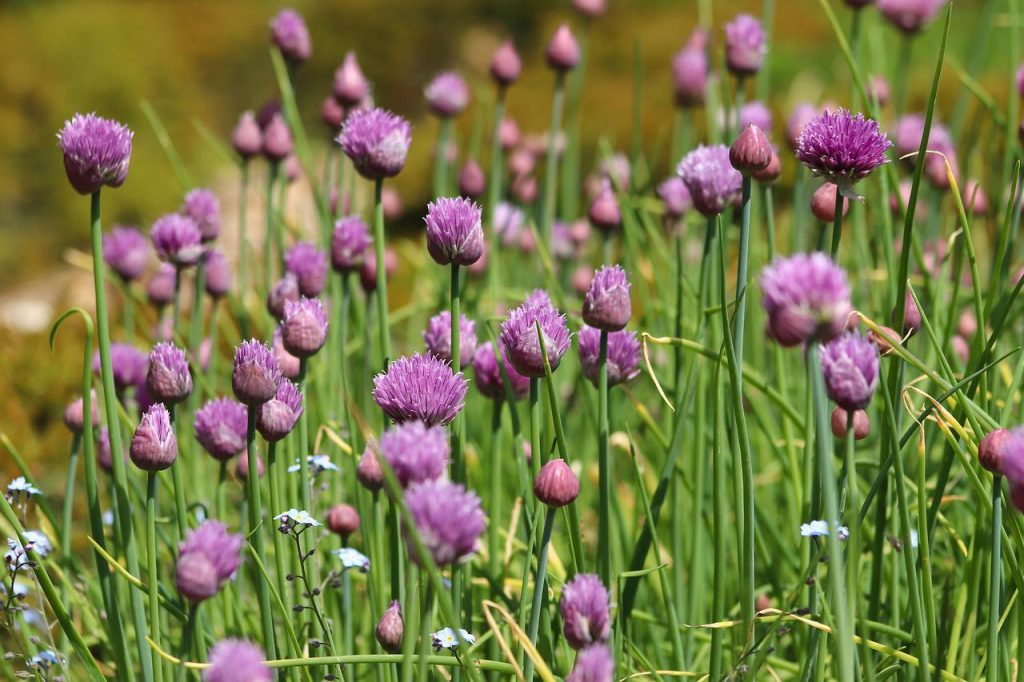
| Flowers | Yes | Purple blossoms are attractive but still contain toxins |
| Seeds | Yes | Less commonly eaten but still harmful |
| Roots | Yes | Contains toxins similar to the bulbs |
Cooking, drying, or processing chives does not eliminate the toxic compounds. Dried chives, chive powder, and cooked chives remain equally dangerous for rabbits. If you grow chives in your garden or keep them in your kitchen, make sure your rabbit cannot access them during free-roam time.
Other Allium Plants Rabbits Must Avoid
Since the toxicity of chives comes from compounds shared across the entire Allium family, rabbits must avoid all related plants. If your rabbit cannot eat chives, it also cannot eat:
- Garlic: contains the highest concentration of disulfides among common Allium plants
- Green onions (scallions): toxic in both the green tops and white bulb
- Common onions: all varieties (white, yellow, red) are equally dangerous
- Leeks: larger bulbs mean a higher total toxin dose per serving
- Shallots: concentrated flavor means concentrated toxins
- Wild garlic and ramsons: commonly found in gardens and wooded areas in spring
If you grow any of these plants in your garden, fence off the area completely before allowing your rabbit outdoor time. Rabbits are curious foragers and may sample plants they encounter, even ones that smell strong or taste unpleasant.
What to Do If Your Rabbit Ate Chives
If you discover that your rabbit has eaten chives, stay calm but act quickly. The steps you take in the first few hours can significantly affect the outcome.
- Remove access immediately. Take away any remaining chives and move your rabbit to a clean, chive-free area.
- Estimate the amount consumed. Try to determine how much your rabbit ate. A single leaf tip is less concerning than a handful of chopped chives.
- Offer unlimited hay. Fresh timothy hay helps keep the digestive system moving and can help push the toxic material through the gut faster.
- Monitor closely for 72 hours. Watch for lethargy, appetite changes, abnormal droppings, labored breathing, or pale gums.
- Contact your veterinarian. If your rabbit consumed more than a tiny nibble, call your rabbit-savvy vet for guidance. They may recommend a blood test to check red blood cell counts.
- Call poison control if needed. If you cannot reach your vet, contact the ASPCA Animal Poison Control Center for immediate advice.
Do not attempt to induce vomiting. Rabbits are physically unable to vomit, and any attempt to force it can cause additional harm. The best approach is supportive care: hay, water, warmth, and veterinary monitoring.
Safe Herb Alternatives to Chives for Rabbits
Many rabbit owners enjoy sharing herbs with their bunnies, and fortunately there are plenty of safe options that provide flavor and nutritional variety without any toxicity risk. Here are the best herb alternatives to chives that you can offer your rabbit:
| Herb | Serving Frequency | Benefits |
|---|---|---|
| Parsley | A few sprigs daily | High in vitamin C and fiber; most rabbits love the taste |
| Cilantro | A few sprigs daily | Rich in antioxidants; good for digestive health |
| Basil | 2-3 leaves daily | Anti-inflammatory properties; aromatic and palatable |
| Mint | A few leaves daily | Supports digestion; refreshing treat in warm weather |
| Dill | A few sprigs daily | Mild flavor; good source of calcium and manganese |
| Oregano | 1-2 small sprigs daily | Natural antibacterial properties; most rabbits enjoy it |
For a complete list of rabbit-safe greens beyond herbs, check our guide on what vegetables you can safely feed your rabbit.
When introducing any new herb, start with a small amount and watch for digestive changes over 24 hours. If your rabbit's droppings remain normal, you can gradually increase the serving size over a week.
How to Rabbit-Proof Your Garden Against Chives
Chives are a popular garden herb, and their purple flowers make them an attractive border plant. If you grow chives and also let your rabbit play outdoors, you need to take precautions to prevent accidental ingestion.
Fencing and Barriers
The most reliable method is physical separation. Use wire mesh fencing at least 60 cm (24 inches) tall around any Allium beds. Bury the bottom edge 15 cm (6 inches) into the soil to prevent digging underneath. Rabbits are persistent diggers, so surface-level barriers alone are not sufficient.
Raised Beds and Containers
Growing chives in raised beds at least 90 cm (36 inches) off the ground puts them well out of reach for most rabbits. Container gardening on shelves, windowsills, or hanging baskets is another effective solution. This approach also works well for apartment dwellers who grow herbs indoors.
Indoor Free-Roam Precautions
If you keep fresh chives in your kitchen, store them in sealed containers in the refrigerator. During food preparation, keep your rabbit out of the kitchen or confined to a pen. Even small pieces of chopped chives that fall on the floor can be found and eaten by a curious rabbit.
Frequently Asked Questions
Can rabbits eat dried chives or chive powder?
No. Drying or powdering chives does not remove the toxic disulfides and thiosulfates. Dried chives and chive powder are equally dangerous to rabbits as fresh chives. Keep all forms of chives, including seasoning blends that contain chive powder, away from your rabbit.
How much chive would a rabbit need to eat to get sick?
There is no established safe threshold for chive consumption in rabbits. While a single small nibble is unlikely to cause visible symptoms, the toxic compounds can accumulate with repeated exposure. Any intentional feeding of chives should be completely avoided. If accidental ingestion occurs, monitor your rabbit for 72 hours and consult your vet if any symptoms appear.
Are chive flowers safe for rabbits?
No. The purple flowers of the chive plant contain the same toxic sulfur compounds found in the leaves and bulbs. Chive flowers may look appealing scattered in a garden, but they pose the same risk of hemolytic anemia and other toxic effects as any other part of the plant.
Can wild rabbits eat chives safely?
Wild rabbits generally avoid strong-smelling Allium plants through instinct, but they are not immune to the toxicity. Wild rabbits that consume chives face the same health risks as domestic rabbits. The strong odor of chives typically acts as a natural deterrent, which is why some gardeners plant chives as a rabbit repellent around more vulnerable crops.
What herbs from the same family should I also avoid?
Avoid all plants in the Allium genus. This includes garlic, onions (all varieties), green onions, leeks, shallots, and ramsons (wild garlic). If a plant has a strong onion-like or garlic-like smell, treat it as potentially toxic and keep it away from your rabbit.
Cite this article
Cite this article:
BunnySync (March 15, 2026) Can Rabbits Eat Chives?. Retrieved from https://bunnysync.com/blog/can-rabbits-eat-chives.
"Can Rabbits Eat Chives?." BunnySync - March 15, 2026, https://bunnysync.com/blog/can-rabbits-eat-chives