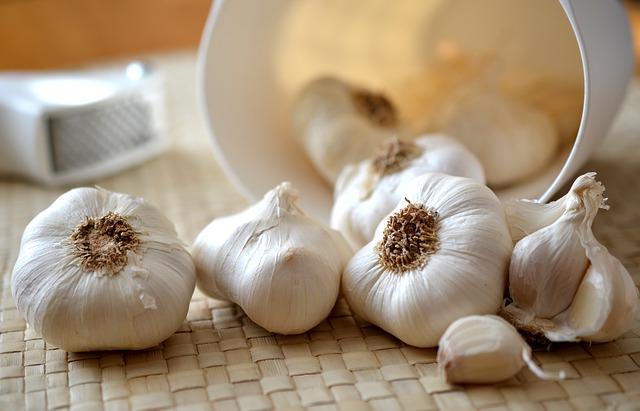
No, rabbits should never eat garlic. Garlic belongs to the Allium family, and every part of the plant, including the bulb, leaves, and stalk, is toxic to rabbits. Garlic contains compounds called disulfides and thiosulphates that can destroy your rabbit's red blood cells, leading to hemolytic anemia. Even small amounts carry risk, and larger doses can trigger life-threatening allergic reactions or organ damage. As breeders, we consider garlic one of the most dangerous foods a rabbit could accidentally consume.
Most rabbits will naturally avoid garlic because of its strong, pungent smell. We have personally watched our own rabbits sniff a garlic clove and immediately turn away. However, accidents happen, especially in kitchens or gardens where garlic is present. Knowing exactly why garlic is dangerous and what to do if your rabbit eats some could save their life.
Why Is Garlic Toxic to Rabbits?
Garlic toxicity in rabbits comes down to its chemical composition. Allium vegetables, including garlic, onions, and chives, all contain organosulfur compounds. When a rabbit ingests these compounds, they oxidize the hemoglobin in red blood cells, causing the cells to rupture and die faster than the body can replace them.
This process is called oxidative hemolysis, and it is particularly dangerous for rabbits because their small body size means even a relatively small amount of garlic represents a significant dose relative to their weight. Dogs and cats face similar risks from Allium plants, but rabbits are even more vulnerable due to their delicate digestive systems and faster metabolism.
The Dangerous Compounds in Garlic
Garlic contains several harmful compounds that affect rabbits:
- Allicin: Released when garlic is crushed or chopped, allicin is the compound responsible for garlic's strong smell. In rabbits, it irritates the gastrointestinal lining and can cause digestive distress.
- Disulfides: These sulfur-based compounds directly attack red blood cells, leading to their premature destruction.
- Thiosulphates: Working alongside disulfides, thiosulphates accelerate the breakdown of hemoglobin and contribute to anemia.
- N-propyl disulfide: This specific compound is one of the primary agents responsible for hemolytic anemia in small animals exposed to Allium plants.
The toxic effects are cumulative, meaning that even repeated small exposures over time can build up and cause damage. A single large exposure is more immediately dangerous, but regular nibbling on garlic scraps is not safe either.
Garlic Is More Concentrated Than Onions
While all Allium plants are toxic to rabbits, garlic is actually more concentrated in these harmful compounds than onions. Gram for gram, garlic contains roughly three to five times the concentration of thiosulphates found in onions. This means a much smaller amount of garlic is needed to cause the same level of damage. If you are concerned about green onions and rabbits, know that garlic poses an even greater threat.
Health Risks of Garlic for Rabbits
The health consequences of a rabbit eating garlic range from mild digestive upset to fatal organ failure, depending on the amount consumed. Here are the specific conditions garlic can cause in rabbits.
Hemolytic Anemia
Hemolytic anemia is the most serious risk associated with garlic ingestion in rabbits. This condition occurs when the disulfides and thiosulphates in garlic destroy red blood cells faster than your rabbit's bone marrow can produce new ones. Without enough healthy red blood cells, your rabbit's organs do not receive adequate oxygen.
According to veterinary research on anemia in rabbits, the signs of hemolytic anemia include:
- Lethargy and weakness: Your rabbit may seem unusually tired, reluctant to move, or unable to hop normally.
- Pale mucous membranes: Check your rabbit's gums, inner ears, and eyelids. Healthy tissue should be pink. Pale or white tissue indicates severe anemia.
- Decreased appetite: Anemic rabbits often stop eating, which compounds the problem since gut stasis can develop rapidly.
- Rapid breathing: The body compensates for low oxygen by increasing the respiratory rate.
- Dark or discolored urine: As damaged red blood cells are processed by the kidneys, urine may appear brown or reddish.
Hemolytic anemia can develop within 24 to 72 hours after garlic ingestion, depending on the amount consumed. Without veterinary treatment, severe cases can be fatal.
Anaphylactic Reactions
Some rabbits can experience an anaphylactic reaction to garlic, which is a severe, whole-body allergic response. This is less common than anemia but far more immediately dangerous because it can progress within minutes.
Signs of anaphylaxis in rabbits include:
- Sudden difficulty breathing or wheezing
- Swelling of the face, mouth, or throat
- Rapid heart rate combined with weak pulse
- Collapse or loss of coordination
- Cool extremities and pale ears
Anaphylaxis is a veterinary emergency. If you notice any of these signs after your rabbit has been near garlic, get them to an emergency veterinarian immediately. Every minute counts.
Acute Toxicity and Organ Damage
Research published in the Journal of Medicinal Plants Research found that the lethal dose (LD50) of garlic extract in rabbits is approximately 3,200 mg/kg of body weight. For a typical 2 kg (4.4 lb) rabbit, this translates to roughly 6.4 grams of pure garlic extract, though toxicity symptoms appear at much lower doses.
Signs of acute garlic toxicity in rabbits include:
- Complete loss of appetite
- Partial paralysis or difficulty moving
- Abdominal pain (hunched posture, teeth grinding)
- Liver and kidney stress
It is important to note that these are extreme cases. You should never wait for severe symptoms to appear before seeking veterinary help. Even mild signs warrant a call to your vet.
Digestive Problems
Even in amounts too small to cause anemia or toxicity, garlic can seriously disrupt your rabbit's digestive system. Rabbits have a highly specialized cecum-based digestive system that relies on a delicate balance of beneficial bacteria. Garlic's antimicrobial properties, the same ones that make it a popular human health supplement, can wipe out these beneficial gut bacteria.
Digestive problems from garlic exposure include:
- True diarrhea: Watery, formless stool that coats the fur around the tail. This is a life-threatening emergency in rabbits.
- GI stasis: The gut slows down or stops entirely, which can be fatal within 24 to 48 hours without treatment.
- Uneaten cecotropes: Soft, grape-like clusters of nutrient-rich droppings that your rabbit fails to consume, often caused by gut flora disruption.
- Gas and bloating: Garlic can cause painful gas buildup in the cecum.
Note that true diarrhea is different from uneaten cecotropes. A rabbit with uneaten cecotropes will still produce normal, round fecal pellets. A rabbit with true diarrhea produces no solid droppings at all and needs emergency veterinary care.
Immunosuppression
One often overlooked effect of garlic on rabbits is its immunosuppressive properties. While garlic is marketed as an immune booster for humans, in rabbits it has the opposite effect. Studies have shown that garlic compounds can suppress rabbit immune function, leaving them more vulnerable to infections, parasites, and secondary illnesses. This is particularly concerning for young rabbits, elderly rabbits, or those already dealing with health issues.
What to Do If Your Rabbit Eats Garlic
If you discover that your rabbit has eaten garlic, stay calm but act quickly. The steps you take in the first few hours can make a significant difference in the outcome.
- Remove access immediately: Take your rabbit away from the garlic source and clean up any remaining pieces.
- Assess how much was eaten: Try to determine approximately how much garlic your rabbit consumed. A tiny nibble is very different from eating an entire clove.
- Offer unlimited hay: Provide plenty of fresh timothy hay to help move the garlic through the digestive system and support gut motility.
- Monitor closely for 72 hours: Watch for any of the symptoms listed above, paying special attention to energy levels, appetite, droppings, and urine color.
- Contact your veterinarian: If your rabbit ate more than a small nibble, or if you notice any symptoms at all, call your rabbit-savvy veterinarian right away. For suspected poisoning, you can also contact an animal poison control hotline.
- Keep your rabbit hydrated: Ensure fresh water is always available. Dehydration compounds the effects of toxicity.
Do not attempt to induce vomiting. Rabbits are physically incapable of vomiting, and attempting any home remedy to force it can cause additional harm.
How to Prevent Garlic Exposure
Prevention is always better than treatment. Here are practical steps to keep your rabbit safe from garlic:
- Secure your kitchen: If your rabbit free-roams, make sure garlic bulbs, cloves, and garlic-containing scraps are stored in closed cabinets or on high shelves.
- Check your garden: If you grow garlic, onions, or other Allium plants, make sure your rabbit cannot access the garden area. Even wild garlic (ramsons) growing in yards can pose a risk.
- Read ingredient labels: Some commercial treats or supplements marketed for small animals may contain garlic powder as a "natural" ingredient. Always check labels carefully before giving your rabbit any new product.
- Educate family members: Make sure everyone in your household knows that garlic is toxic to rabbits. Children especially may try to share kitchen scraps with a pet bunny.
- Separate food prep waste: Use a sealed compost bin or trash can for garlic peels and scraps. Rabbits are curious and will investigate accessible garbage.
Other Allium Plants That Are Toxic to Rabbits
Garlic is not the only Allium plant your rabbit needs to avoid. The entire Allium family contains the same harmful compounds in varying concentrations.
| Allium Plant | Toxicity Level | Common Forms |
|---|---|---|
| Garlic | High (most concentrated) | Fresh cloves, powder, granules, oil |
| Onion | High | Raw, cooked, powder, dried flakes |
| Green onions/scallions | Moderate to high | Fresh stalks and bulbs |
| Chives | Moderate | Fresh or dried herb |
| Leeks | Moderate | Fresh stalks |
| Shallots | High | Fresh or cooked |
| Wild garlic (ramsons) | Moderate to high | Wild-growing leaves and bulbs |
Keep all of these plants away from your rabbit. If you grow any Allium species in your garden, fence off the area completely.
Safe Treat Alternatives for Rabbits
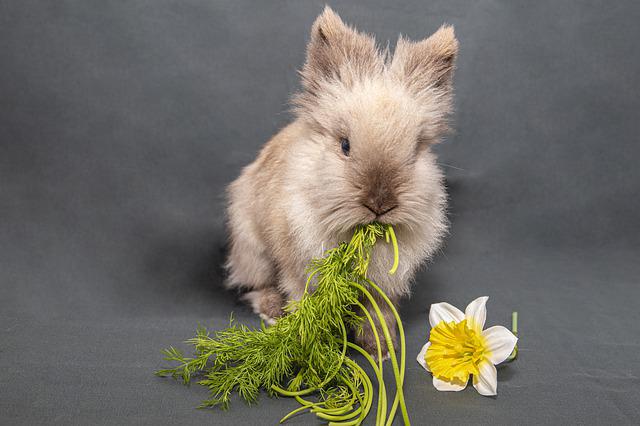
Instead of garlic or other harmful foods, offer your rabbit safe, healthy treats. The foundation of any rabbit's diet should be unlimited hay, fresh water, and a measured portion of quality pellets. Treats should make up no more than 5% of their daily intake.
Safe Vegetables (Daily, 1 Cup per 2 lbs Body Weight)
For a full list of rabbit-safe vegetables, check our guide on what vegetables rabbits can eat. Some top choices include:
- Romaine lettuce
- Cilantro
- Basil
- Bok choy
- Carrot tops (not the root in large amounts)
- Parsley (in moderation due to calcium content)
- Bell peppers (remove seeds)
Safe Fruits (1-2 Times Per Week, 1-2 Tablespoons)
Fruits are high in sugar, so they should only be given as occasional treats:
- Apple (remove seeds and stem)
- Banana (small slices)
- Blueberries
- Strawberries
- Watermelon (remove seeds)
- Papaya
- Pear (remove seeds)
Safe Herbs
Many herbs are excellent for rabbits and provide variety along with nutritional benefits:
- Basil
- Cilantro
- Dill
- Mint
- Oregano
- Rosemary (small amounts)
- Thyme
Notice that garlic, onion, and chives are absent from this list. Not all herbs are safe, so always verify before introducing something new to your rabbit's diet.
Garlic Myths and Rabbit Care
"Garlic Repels Fleas and Parasites in Rabbits"
One persistent myth suggests adding garlic to a rabbit's food or water to repel fleas, mites, or intestinal parasites. This is false and dangerous. There is no scientific evidence that garlic prevents parasites in rabbits, and the risks of toxicity far outweigh any theoretical benefit. If your rabbit has parasites, consult your veterinarian for safe, proven treatments like Revolution (selamectin) for external parasites or appropriate dewormers for internal ones.
"Cooked Garlic Is Safe for Rabbits"
Cooking does reduce some of garlic's compounds, but it does not eliminate the toxic disulfides and thiosulphates. Cooked garlic, garlic powder, garlic salt, and garlic oil are all still toxic to rabbits. There is no preparation method that makes garlic safe for rabbit consumption.
"A Little Bit Won't Hurt"
While it is true that a single tiny nibble is unlikely to cause immediate, life-threatening harm, this does not mean garlic is safe in small amounts. The toxic compounds accumulate in the body over time. Repeated small exposures can eventually cause the same damage as a single large dose. The safest amount of garlic for a rabbit is zero.
Frequently Asked Questions
Can rabbits eat garlic bread?
No, rabbits should never eat garlic bread. It contains garlic, which is toxic, along with butter, oil, salt, and processed wheat. None of these ingredients are suitable for rabbits. Even plain bread is unhealthy for rabbits because their digestive systems cannot properly process grains and processed carbohydrates.
How much garlic is lethal to a rabbit?
Research indicates the lethal dose of garlic extract in rabbits is approximately 3,200 mg per kilogram of body weight. However, serious health effects like hemolytic anemia can occur at much lower doses. There is no established "safe" amount, so any garlic exposure should be treated as potentially dangerous.
Will my rabbit die if it ate one garlic clove?
A single garlic clove is unlikely to be immediately fatal to an adult rabbit, but it can cause significant health problems including digestive upset and the beginnings of red blood cell damage. Monitor your rabbit closely for 72 hours and contact your veterinarian if you notice lethargy, appetite loss, abnormal droppings, or discolored urine.
Can the smell of garlic harm rabbits?
The smell of garlic alone will not cause toxicity. However, rabbits have sensitive respiratory systems, and strong odors including garlic can cause stress and irritation. If you are cooking with garlic, ensure your rabbit's living area is well-ventilated.
Are garlic supplements safe for rabbits?
No. Garlic supplements, garlic oil capsules, and garlic powder are all concentrated forms of garlic and are toxic to rabbits. Never give your rabbit any supplement containing garlic, regardless of the dose or formulation.
Cite this article:
Cite this article:
BunnySync (March 10, 2026) Can Rabbits Eat Garlic?. Retrieved from https://bunnysync.com/blog/can-rabbits-eat-garlic.
"Can Rabbits Eat Garlic?." BunnySync - March 10, 2026, https://bunnysync.com/blog/can-rabbits-eat-garlic