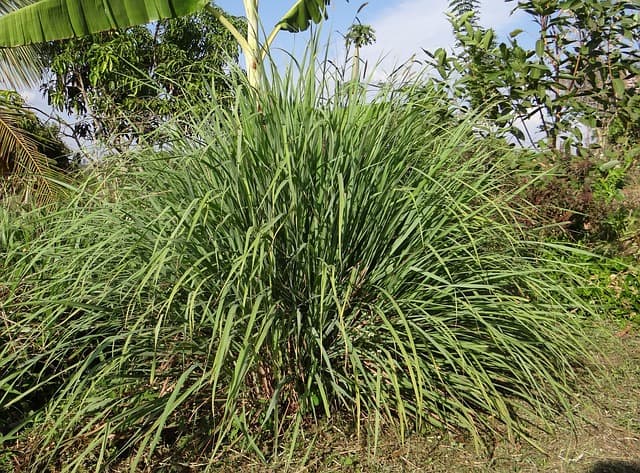
Yes, rabbits can eat lemongrass safely. This fragrant herb is non-toxic and provides vitamins and minerals that benefit your rabbit's health. Lemongrass contains B vitamins, folate, calcium, iron, and manganese. You can feed adult rabbits (over 7 months old) up to 1 cup (128 grams) of lemongrass per 2 pounds of body weight daily. However, lemongrass should only be a supplement to your rabbit's primary diet of unlimited hay, not a replacement for it.
As breeders, we regularly offer lemongrass to our rabbits alongside other fresh herbs. They tend to enjoy both the leaves and the tough stalks, which give them something satisfying to chew on. If you have access to fresh lemongrass (commonly found in Asian grocery stores or grown at home in warmer climates), it makes a worthwhile addition to your rabbit's rotating greens.
Is Lemongrass Safe for Rabbits?
Lemongrass (Cymbopogon citratus) is completely safe for domestic rabbits when fed in appropriate amounts. Unlike some aromatic plants that contain compounds harmful to rabbits, lemongrass poses no toxicity risk. The essential oils present in lemongrass are at low enough concentrations in the fresh plant that they do not cause digestive upset in healthy adult rabbits.
That said, safety depends on the source. Only offer your rabbit fresh, organic lemongrass that has not been treated with pesticides or herbicides. Lemongrass purchased from grocery stores intended for human cooking is generally fine, but wash it thoroughly before serving. Never give your rabbit lemongrass essential oil, lemongrass tea, or any processed lemongrass product. These concentrated forms can irritate your rabbit's digestive tract and are not suitable for rabbits.
If you grow lemongrass in your garden, make sure no chemical fertilizers or pest sprays have been applied near the plants. Rabbits are sensitive to chemical residues, and even small amounts can cause health problems over time.
What Are the Nutritional Benefits of Lemongrass for Rabbits?
Lemongrass offers several vitamins and minerals that support rabbit health. While it should never replace hay as the foundation of your rabbit's diet, it provides nutritional variety that mimics the diverse foraging rabbits would do in the wild.
Here are the key nutrients in lemongrass and how they benefit rabbits:
| Nutrient | Amount per 100g | Benefit for Rabbits |
|---|---|---|
| Vitamin B1 (Thiamine) | 0.065 mg | Supports nervous system function and energy metabolism |
| Vitamin B2 (Riboflavin) | 0.135 mg | Important for growth and red blood cell production |
| Folate | 75 mcg | Essential for cell division and healthy litter development |
| Calcium | 65 mg | Supports strong teeth and bone structure |
| Iron | 8.17 mg | Critical for oxygen transport and preventing anemia |
| Manganese | 5.22 mg | Supports bone health and reproductive function |
| Potassium | 723 mg | Helps regulate fluid balance and muscle function |
| Fiber | Moderate | Supports healthy gut motility |
Vitamin B deficiency in rabbits can lead to diarrhea, anemia, loss of appetite, rough coat, and reduced litter size. Adding herbs like lemongrass to the diet helps prevent these issues. Calcium supports strong teeth and bones, though too much calcium can cause urinary problems, which is another reason to feed lemongrass in moderation. Iron plays a role in hemoglobin formation, while manganese supports skeletal development and reproductive health.
According to Blas and Wiseman in The Nutrition of the Rabbit (CAB International, 1998), rabbits require trace minerals like manganese and iron for normal growth and reproduction. Lemongrass provides these in small but meaningful quantities when included as part of a varied diet.
How Much Lemongrass Can a Rabbit Eat?
The right amount of lemongrass depends on your rabbit's age, weight, and whether they have eaten it before. As a general guideline, adult rabbits can have up to 128 grams (about 1 cup) of lemongrass per 2 pounds (1 kg) of body weight per day. This amount should be part of your rabbit's total daily vegetable and herb allowance, not in addition to it.
Feeding Guidelines by Age
| Rabbit Age | Lemongrass Allowed? | Recommended Amount |
|---|---|---|
| Under 12 weeks | No | None. Feed only hay and water |
| 12 weeks to 7 months | Not recommended | Stick to hay and small amounts of pellets |
| 7 months to 1 year | Yes, introduce slowly | Start with a few leaves, increase gradually over 2 weeks |
| Adult (1 to 5 years) | Yes | Up to 1 cup per 2 lbs body weight daily |
| Senior (6+ years) | Yes | Up to 1 cup per 2 lbs body weight daily |
| Pregnant or lactating | Yes, reduced amount | 1 cup per 2 lbs body weight every other day |
How to Introduce Lemongrass to Your Rabbit
If your rabbit has never eaten lemongrass before, follow these steps to introduce it safely:
- Start with 2 to 3 small leaves or a thin slice of the stalk.
- Offer the lemongrass alongside their regular hay and observe for 24 hours.
- Watch for signs of digestive upset: soft stool, reduced appetite, or lethargy.
- If your rabbit tolerates the first serving well, offer a slightly larger portion the next day.
- Over 1 to 2 weeks, gradually increase to the full recommended amount.
- If you notice any changes in stool consistency, stop feeding lemongrass immediately and return to a hay-only diet until stools normalize.
This gradual approach gives your rabbit's gut flora time to adjust. Rabbits have a delicate cecal balance, and sudden dietary changes are one of the most common causes of digestive problems.
Can Rabbits Eat All Parts of the Lemongrass Plant?

Rabbits can eat every part of the lemongrass plant: leaves, stalks, and roots. Each part has slightly different characteristics that appeal to rabbits in different ways.
Lemongrass Leaves
The long, blade-like leaves are the easiest part to feed. They are soft enough for rabbits to chew and digest without difficulty. The leaves contain the highest concentration of vitamins and are the most nutritious part of the plant. Cut the leaves into manageable pieces (about 4 to 6 inches long) to prevent your rabbit from pulling too much at once.
Lemongrass Stalks
The stalks are tougher and more fibrous than the leaves. Many rabbits enjoy gnawing on lemongrass stalks because the texture satisfies their natural urge to grind their teeth. Chewing on firm stalks can also help wear down your rabbit's continuously growing teeth, contributing to dental health. Cut stalks into shorter segments (2 to 3 inches) so your rabbit can manage them easily.
Lemongrass Roots
The roots are safe but less commonly offered. They are tough and fibrous, providing good chewing enrichment. Wash them thoroughly to remove soil and any potential contaminants. The nutritional value of the roots is lower than the leaves or stalks, so they function more as an enrichment item than a significant food source.
When Should You Not Feed Lemongrass to Rabbits?

While lemongrass is safe for most adult rabbits, there are specific situations where you should avoid feeding it:
- Rabbits under 7 months old: Young rabbits have undeveloped gut flora. Introducing any greens, including lemongrass, can trigger potentially fatal diarrhea. Stick to hay, water, and age-appropriate pellets.
- Rabbits with active diarrhea or soft stools: If your rabbit is already experiencing digestive issues, remove all greens and herbs. Return to a hay-only diet and consult your veterinarian if symptoms persist beyond 24 hours.
- Rabbits recovering from GI stasis: After a bout of gastrointestinal stasis, your rabbit's digestive system needs time to recover. Wait until your vet confirms recovery before reintroducing any greens.
- Rabbits on medication: Some medications interact with dietary changes. Check with your vet before adding new foods during treatment.
- Lemongrass treated with pesticides: Never feed chemically treated lemongrass. The pesticide residue can be toxic to rabbits even in small amounts.
As a general rule, if you notice any changes in your rabbit's stool after introducing lemongrass, stop feeding it immediately. Soft, mushy, or unusually dark droppings are warning signs. Normal rabbit droppings should be round, firm, and uniform in size.
What Are the Risks of Overfeeding Lemongrass?
Even though lemongrass is safe, overfeeding it can cause problems. Here are the main risks to be aware of:
Digestive Upset and Diarrhea
The most immediate risk of overfeeding lemongrass is diarrhea. Rabbits have a specialized digestive system designed primarily for high-fiber, low-nutrient foods like grass and hay. When too much fresh food displaces hay in their diet, the balance of bacteria in the cecum shifts, potentially causing loose stools or full-blown diarrhea. In young rabbits, diarrhea can become life-threatening within hours.
Reduced Hay Intake
If your rabbit fills up on lemongrass, they may eat less hay. Since hay should make up 80 to 90 percent of a rabbit's diet, anything that reduces hay consumption is a concern. Hay provides the long-strand fiber essential for proper gut motility and dental wear. Without enough hay, rabbits are at risk for GI stasis and dental disease.
Obesity
Lemongrass contains more carbohydrates per gram than hay. While the difference is small in moderate servings, consistently overfeeding greens and herbs at the expense of hay can contribute to weight gain over time. Obese rabbits face higher risks of heart disease, joint problems, and difficulty grooming, which can lead to fly strike.
Calcium Buildup
Lemongrass contains calcium, which is necessary in small amounts but problematic in excess. Rabbits metabolize calcium differently from most animals. They absorb all dietary calcium and excrete the excess through their kidneys. Too much calcium over time can lead to urinary sludge or bladder stones, conditions that are painful and may require veterinary treatment.
Best Herbs to Feed Alongside Lemongrass
Variety is the key to a healthy rabbit diet. Rotating different herbs and greens ensures your rabbit gets a broad spectrum of nutrients and prevents overexposure to any single compound. Here are some excellent herbs to rotate with lemongrass:
| Herb | Key Benefits | Feeding Notes |
|---|---|---|
| Parsley | High in vitamin C and iron | Feed in moderation due to high calcium content |
| Cilantro | Good source of vitamins A and K | Most rabbits love it; great daily herb |
| Basil | Anti-inflammatory properties | All varieties are safe for rabbits |
| Mint | Aids digestion, refreshing flavor | Safe in all common varieties (peppermint, spearmint) |
| Wheatgrass | High in fiber, gentle on digestion | Excellent transitional green for young rabbits |
Aim to rotate between 3 to 4 different herbs each week. This mimics the natural foraging behavior of wild rabbits, who would eat whatever plants are available rather than relying on a single food source. As of 2026, most rabbit welfare organizations recommend offering at least three different types of leafy greens daily for optimal nutrition.
How to Store Lemongrass for Your Rabbit
Fresh lemongrass stays good in the refrigerator for up to two weeks when stored properly. Wrap the stalks loosely in a damp paper towel and place them in a plastic bag with some air holes. This keeps the leaves from drying out while preventing excess moisture buildup that could cause mold.
You can also freeze lemongrass for longer storage. Cut it into portions, seal in freezer bags, and thaw individual servings as needed. Frozen lemongrass loses some of its crisp texture, but the nutritional value remains largely intact. Some rabbits enjoy gnawing on partially thawed stalks, especially in warm weather.
Growing your own lemongrass is another option. It thrives in pots on sunny windowsills or outdoors in warm climates (USDA zones 9 to 11). A single pot of lemongrass can provide a steady supply of fresh leaves throughout the growing season. Just be sure not to use any chemical fertilizers or pesticides on plants you intend to feed your rabbit.
Can Rabbits Eat Lemongrass During Pregnancy?
Pregnant and lactating rabbits can eat lemongrass, but in reduced amounts. During pregnancy, a doe needs to prioritize high-protein, high-calorie foods to support the developing kits. If she fills up on lemongrass, she may not eat enough pellets and hay to meet her increased nutritional demands.
For pregnant rabbits, offer lemongrass every other day rather than daily. Limit the serving to about half the standard adult portion. This gives her the nutritional benefits of the herb without compromising her calorie and protein intake. After kindling, you can maintain this reduced schedule throughout lactation, as nursing does have similarly high energy requirements.
Lemongrass vs. Lemon Balm: What Is the Difference?
Lemongrass and lemon balm are two different plants that people sometimes confuse because of the similar citrus scent. Both are safe for rabbits, but they come from entirely different plant families.
Lemongrass (Cymbopogon citratus) is a tropical grass with long, stiff blades and a woody stalk base. It is primarily used in Southeast Asian cooking. Lemon balm (Melissa officinalis) is a member of the mint family with soft, rounded leaves. It grows more easily in temperate climates.
Both plants can be offered to rabbits as part of their herb rotation. Lemon balm has mild calming properties, which some breeders find helpful for anxious or stressed rabbits. Lemongrass tends to be tougher, making it better for dental enrichment.
Frequently Asked Questions
Can rabbits eat dried lemongrass?
Yes, dried lemongrass is safe for rabbits. It retains most of its nutritional value and can be mixed into hay for added variety. However, fresh lemongrass is always preferable because it provides hydration and has a stronger aroma that most rabbits find more appealing. If using dried lemongrass, make sure it has been dried naturally without any added preservatives or flavorings.
Can baby rabbits eat lemongrass?
No. Rabbits under 7 months old should not eat lemongrass or any other fresh greens. Young rabbits have immature digestive systems, and introducing herbs too early can trigger severe diarrhea that may become fatal within hours. Stick to unlimited alfalfa hay and age-appropriate pellets until your rabbit reaches 7 months of age, then begin introducing greens gradually.
How often should I feed my rabbit lemongrass?
Adult rabbits can have lemongrass daily as part of their vegetable and herb rotation. However, it is better to rotate between several different herbs and greens throughout the week rather than feeding lemongrass every single day. Aim for 3 to 4 different greens per day, with lemongrass appearing in the rotation 2 to 3 times per week for optimal variety.
Will lemongrass repel fleas on my rabbit?
While lemongrass oil is sometimes marketed as a natural insect repellent, feeding your rabbit fresh lemongrass will not provide meaningful flea protection. The concentrations of citronella in fresh lemongrass are far too low to repel insects from your rabbit's fur. Never apply lemongrass essential oil directly to your rabbit, as it can irritate their skin and be toxic if ingested during grooming.
Can lemongrass cause gas in rabbits?
Lemongrass is unlikely to cause gas when fed in recommended amounts. However, any sudden dietary change can temporarily disrupt your rabbit's gut bacteria and lead to gas or bloating. This is why gradual introduction over 1 to 2 weeks is so important. If your rabbit shows signs of gas (hunched posture, reduced appetite, gurgling stomach sounds), remove the lemongrass and consult your veterinarian.
Cite this article:
BunnySync (March 11, 2026) Can Rabbits Eat Lemongrass? Safe Feeding Guide for Rabbit Owners. Retrieved from https://bunnysync.com/blog/can-rabbits-eat-lemongrass.
"Can Rabbits Eat Lemongrass? Safe Feeding Guide for Rabbit Owners." BunnySync - March 11, 2026, https://bunnysync.com/blog/can-rabbits-eat-lemongrass