No, rabbits should not eat duck food. Duck feed is formulated for waterfowl and contains far too much protein, too much calcium, and nowhere near enough fiber for a rabbit's digestive system. If your rabbit accidentally nibbled some duck food, there is no need to panic. A small, one-time taste will not cause harm. The real danger comes from repeated or intentional feeding, which can lead to serious digestive problems like gastrointestinal stasis, kidney damage, and obesity.
As breeders who have kept rabbits alongside poultry for years, we have seen firsthand what happens when rabbits get into the wrong feed bin. Below, we break down exactly why duck food is unsuitable for rabbits, what to do if your rabbit ate some, and how to keep your animals' feeds safely separated.
What Is Duck Food Made Of?
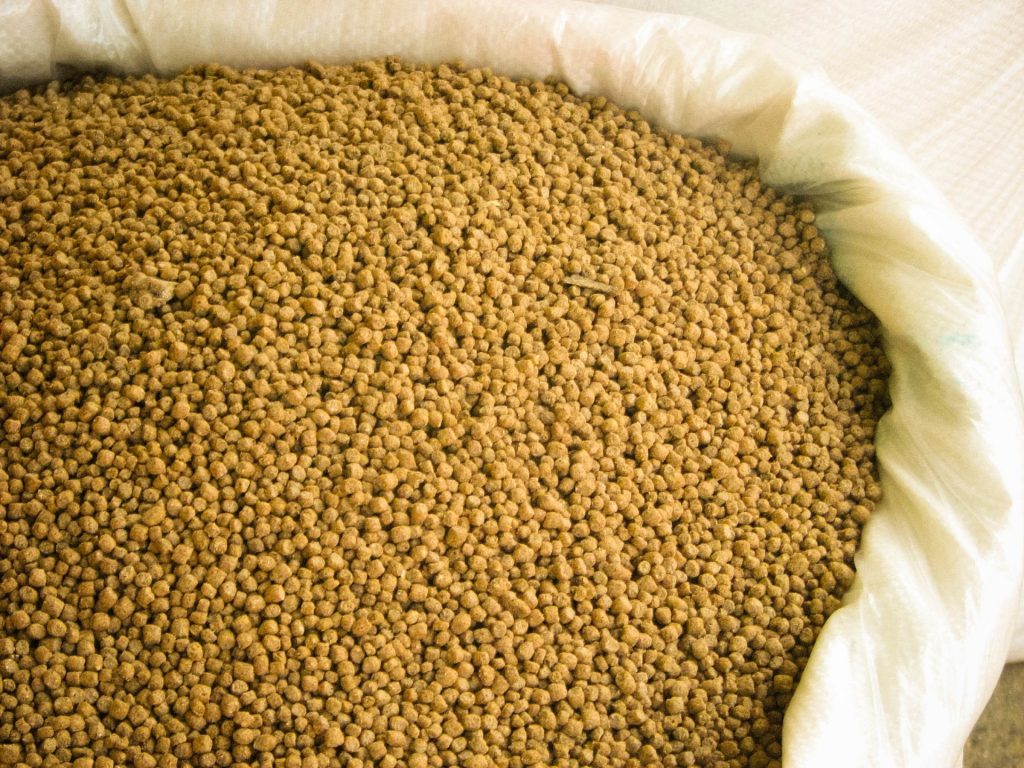
Understanding why duck food is harmful to rabbits starts with knowing what goes into it. Duck feed is a grain-based product designed to support the rapid growth, egg production, and feather development of waterfowl. Most commercial duck feeds, whether from Purina, Mazuri, or Tractor Supply brands, share a similar nutritional profile.
Typical Duck Feed Nutritional Breakdown
| Nutrient | Duck Feed (Typical) | Rabbit Feed (Recommended) |
|---|---|---|
| Crude Protein | 16-20% | 14-18% |
| Crude Fiber | 3-5% | 18-25% |
| Crude Fat | 2-4% | 1-3% |
| Calcium | 0.75-3.5% | 0.5-1.0% |
| Phosphorus | 0.5-0.8% | 0.4-0.8% |
The most critical difference is fiber content. Rabbit pellets contain 18-25% crude fiber because a rabbit's cecal digestive system depends on high fiber to function properly. Duck feed contains only 3-5% fiber, which is dangerously low for any rabbit.
Duck layer feeds are especially problematic because they can contain up to 3.5% calcium to support eggshell production. That is more than three times the safe calcium level for adult rabbits. Even duck starter and grower feeds run higher in protein and lower in fiber than what rabbits need.
Common Ingredients in Duck Feed
Most duck feeds contain corn, soybean meal, wheat middlings, fish meal, and added vitamins formulated for poultry. Several of these ingredients are problematic for rabbits:
- Corn: High in starch and low in fiber. Rabbits cannot efficiently digest large amounts of corn, and it can cause dangerous blockages in the cecum.
- Soybean meal: A concentrated protein source that pushes overall protein levels beyond what rabbits need.
- Fish meal: An animal-based protein that has no place in a herbivore's diet. Rabbits are strict herbivores and lack the enzymes to process animal proteins efficiently.
- Added calcium and phosphorus: Formulated at levels that support shell production in ducks but can cause urinary sludge and kidney stones in rabbits.
Why Is Duck Food Dangerous for Rabbits?
Feeding duck food to rabbits creates multiple health risks. Some show up within days, while others develop gradually over weeks of repeated exposure. Here are the primary dangers every rabbit owner should understand.
Gastrointestinal Stasis
GI stasis is the single biggest risk when a rabbit eats food that is too low in fiber. A rabbit's gut relies on a constant flow of long-strand fiber to keep food moving through the digestive tract. When fiber intake drops below what the gut needs, motility slows down or stops entirely.
Once the gut slows, the delicate balance of bacteria in the cecum gets disrupted. Harmful bacteria begin to proliferate, producing painful gas. According to veterinary research, GI stasis can progress to organ failure and death within 24-48 hours if left untreated.
Signs of GI stasis include:
- Sudden loss of appetite or refusal to eat
- No droppings or very small, misshapen droppings
- Hunched, pressed posture with reluctance to move
- Teeth grinding (bruxism) from pain
- Bloated or tight-feeling abdomen
- Lethargy and depression
If you notice any of these symptoms after your rabbit has eaten duck food, contact a rabbit-savvy veterinarian immediately. GI stasis is a medical emergency.
Kidney Damage and Urinary Sludge
Rabbits process calcium differently from most mammals. They absorb all the calcium they consume through food, and the excess gets filtered out through the kidneys and excreted in their urine. This is why healthy rabbit urine often appears cloudy or white, which is normal calcium sediment.
When calcium intake spikes from eating duck feed (especially layer feed with 3%+ calcium), the kidneys have to work much harder. Over time, excess calcium forms thick, paste-like sludge in the bladder. In severe cases, it hardens into bladder stones or kidney stones that require surgical removal.
Symptoms of calcium overload include:
- Thick, gritty, or paste-like urine
- Straining to urinate
- Urine scalding around the hind end
- Decreased appetite
- Pain when picked up around the abdomen
Obesity and Liver Problems
Duck food is calorie-dense compared to rabbit pellets. The combination of higher fat content, higher protein, and starchy grains like corn means that rabbits eating duck food take in significantly more calories than their bodies need. Rabbits are designed to thrive on a low-calorie, high-fiber diet, and excess calories get stored as fat quickly.
Obese rabbits face a cascade of health problems, including hepatic lipidosis (fatty liver disease), joint strain, inability to groom properly, and a shortened lifespan. In our experience breeding rabbits, we have seen overweight rabbits struggle with fertility issues and difficulty kindling, making obesity a serious concern for breeding operations.
Diarrhea and Cecal Dysbiosis
Sudden dietary changes are one of the most common triggers for diarrhea in rabbits. Introducing duck food, with its completely different ingredient profile, can shock the gut microbiome. The beneficial bacteria in a rabbit's cecum are adapted to break down plant fiber, not the corn and soy-heavy formulation found in duck feed.
True diarrhea in rabbits (watery stool coating the fur around the tail) is a veterinary emergency. It can cause dehydration rapidly, especially in young kits. Do not confuse it with soft cecotropes, which are a different issue. If your rabbit develops watery diarrhea after eating duck food, seek veterinary care right away.
What Should Rabbits Eat Instead?
A proper rabbit diet is built around four core components. Getting these right eliminates any temptation to substitute with feeds designed for other animals.
1. Unlimited Timothy Hay (80-85% of Diet)
Hay is the foundation of every rabbit's diet. It provides the long-strand fiber that keeps the gut moving, wears down continuously growing teeth, and gives rabbits the chewing activity they need for mental enrichment. Timothy hay, orchard grass, and meadow hay are all excellent choices for adult rabbits. If you are wondering how much hay a rabbit should eat daily, the answer is essentially unlimited: a body-sized pile every day.
2. Measured Pellets (5% of Diet)
High-quality rabbit pellets provide concentrated vitamins and minerals that complement the hay-based diet. Choose pellets with at least 18% fiber, no more than 14-16% protein, and no added treats, seeds, or colored pieces. For a detailed breakdown of proper pellet amounts based on body weight, check our guide on how much pellets a rabbit should eat.
3. Fresh Vegetables (10% of Diet)
Fresh leafy greens provide additional nutrients, hydration, and variety. Good daily options include romaine lettuce, cilantro, parsley, and herbs. Introduce new vegetables slowly and one at a time to monitor for digestive upset. Our complete list of safe vegetables for rabbits covers which greens to offer and which to avoid.
4. Fresh Water (Always Available)
Clean, fresh water must be available at all times, either in a heavy ceramic bowl or a bottle. Rabbits drink a surprising amount of water relative to their body size, and dehydration is a contributing factor to GI stasis.
My Rabbit Ate Duck Food: What Should I Do?
If your rabbit has already eaten some duck food, here is a step-by-step guide based on how much they consumed.
Small Amount (A Few Bites)
A few nibbles of duck food will not cause an emergency. Remove the duck food immediately so your rabbit cannot eat more. Offer plenty of timothy hay to encourage fiber intake and normal gut motility. Monitor their droppings for the next 12-24 hours. Healthy droppings should be round, uniform, and dry. If droppings look normal and your rabbit is eating and behaving normally, no veterinary visit is needed.
Moderate Amount (A Handful or More)
If your rabbit ate a significant amount of duck food, watch more closely. Ensure unlimited hay is available and encourage eating by offering fresh herbs or their favorite greens. Watch for changes in droppings: smaller than normal, fewer in quantity, or sticky/mushy consistency are all warning signs. If your rabbit stops pooping entirely, that is an emergency. Contact your veterinarian within 12 hours if you see any concerning changes.
Large Amount or Repeated Exposure
If your rabbit got into an entire bag of duck feed or has been eating it regularly over days or weeks, a veterinary visit is warranted even if symptoms have not appeared yet. Your vet may want to check for early signs of urinary sludge, run bloodwork, or palpate the abdomen for bloating.
How to Keep Rabbits Away from Duck Food
If you keep both ducks and rabbits on the same property (common for homesteaders and small farms), preventing cross-feeding requires some practical management. Here are strategies that work in real-world farm setups.
Separate Feeding Areas
Feed ducks and rabbits in completely different areas. If your rabbits free-range in the yard, never scatter duck feed on the ground where rabbits can access it. Use elevated platforms or enclosed feeding stations that ducks can reach but rabbits cannot.
Secure Feed Storage
Store all animal feeds in sealed, heavy-duty containers with tight-fitting lids. Metal trash cans with locking lids work well and also prevent rodent access. Never leave open feed bags in areas where rabbits can reach them. We have seen rabbits chew through paper and even thin plastic bags to get to grain-based feeds.
Timed Feeding for Ducks
Instead of leaving duck food out all day, switch to timed feeding sessions. Put out the duck feed, let the ducks eat for 15-20 minutes, then remove the remaining food. This eliminates the chance of rabbits encountering leftover duck feed during their exercise time.
Physical Barriers
If you cannot fully separate feeding areas, use physical barriers. Low fencing that ducks can step over but rabbits cannot access, or feeding enclosures with openings sized for ducks only, can solve the problem. Hardware cloth with openings large enough for a duck's head but too small for a rabbit to enter is another effective option.
Duck Food vs. Other Animal Feeds: Which Are Safe for Rabbits?
Duck food is not the only off-limits feed. Here is how several common animal feeds compare when it comes to rabbit safety.
| Animal Feed | Safe for Rabbits? | Main Concerns |
|---|---|---|
| Duck Feed | No | Too low in fiber, too high in calcium and protein |
| Chicken Feed | No | Similar issues to duck feed; layer feed is extremely high in calcium |
| Dog Food | No | Contains animal proteins; far too high in fat and protein for herbivores |
| Cat Food | No | Highest protein of all pet foods; contains taurine and animal-based ingredients |
| Guinea Pig Food | Occasionally | Closest to rabbit food but may contain added vitamin C that rabbits do not need |
| Rabbit Pellets | Yes | Specifically formulated for rabbit nutritional needs |
The takeaway is straightforward: always feed rabbits food that is specifically formulated for rabbits. No other animal's feed comes close to matching a rabbit's unique nutritional requirements, with the partial exception of guinea pig food in a pinch.
Signs Your Rabbit's Diet Is Wrong
Whether from eating duck food or any other dietary issue, these symptoms indicate something is off with your rabbit's nutrition:
- Soft, mushy, or sticky droppings: Indicates too little fiber or too much sugar/starch in the diet.
- Decreased droppings or no droppings: Could signal GI stasis or a blockage.
- Weight gain: Suggests excess calories from treats, pellets, or wrong feed types.
- Dental problems: Insufficient hay can lead to overgrown teeth and spurs.
- Thick, white, or gritty urine: Points to excess calcium intake.
- Fur loss or poor coat quality: Can indicate nutritional deficiencies or imbalances.
- Lethargy or decreased activity: General sign that something is not right with health or nutrition.
If you notice any of these signs, review your rabbit's diet first. Ensure they are getting unlimited hay, measured pellets, fresh greens, and nothing else. Remove any access to other animals' feeds.
Frequently Asked Questions
Can rabbits eat duck food pellets?
No, rabbits should not eat duck food pellets. Duck pellets contain only 3-5% fiber compared to the 18-25% fiber rabbits need. They also have excessive calcium and protein levels that can cause kidney problems and digestive issues in rabbits over time.
Will a small amount of duck food kill my rabbit?
A few bites of duck food will not kill a rabbit. The danger comes from repeated or large-quantity consumption. If your rabbit ate a small amount accidentally, remove the feed, offer plenty of hay, and monitor droppings for 24 hours. Seek veterinary care only if symptoms appear.
Can baby rabbits eat duck food?
Baby rabbits should absolutely never eat duck food. Kits have even more sensitive digestive systems than adult rabbits. Their gut microbiome is still developing, and the wrong food can cause fatal diarrhea. Kits should only eat their mother's milk, alfalfa hay, and age-appropriate rabbit pellets.
Is medicated duck food more dangerous for rabbits?
Yes, medicated duck feed is significantly more dangerous. Some duck feeds contain coccidiostats or antibiotics formulated specifically for poultry. These medications can be toxic to rabbits, causing liver damage or fatal reactions even in small doses. Never allow rabbits access to any medicated animal feed.
Can rabbits and ducks share the same living space?
Rabbits and ducks can share outdoor space for supervised exercise, but they should not share living quarters or feeding areas. Besides the feed cross-contamination risk, ducks create wet environments that promote bacterial growth harmful to rabbits. Keep housing, feeding, and water stations completely separate.
Cite this article:
Cite this article:
BunnySync (March 9, 2026) Can Rabbits Eat Duck Food?. Retrieved from https://bunnysync.com/blog/can-rabbits-eat-duck-food.
"Can Rabbits Eat Duck Food?." BunnySync - March 9, 2026, https://bunnysync.com/blog/can-rabbits-eat-duck-food