Cold ears on a rabbit usually mean your bunny is regulating its body temperature, and it is completely normal. Rabbits rely on their ears as their primary thermoregulation tool. When the ambient temperature drops, rabbits constrict the blood vessels in their ears to reduce heat loss and keep their core body warm. This is a healthy, automatic response. However, if your rabbit has cold ears paired with lethargy, appetite loss, or changes in droppings, it could signal a health problem that needs veterinary attention.
Why Do Rabbits Get Cold Ears?
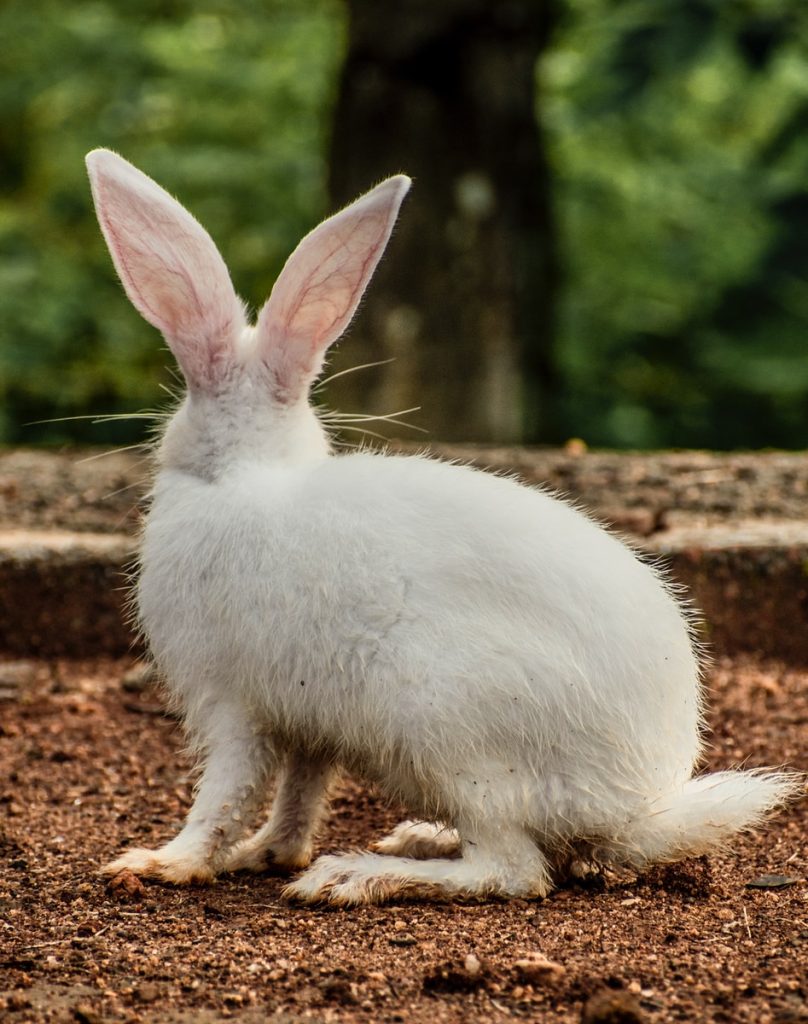
Unlike dogs and cats, rabbits cannot pant or sweat to regulate their body temperature. Instead, they use their ears. A rabbit's ears contain a dense network of blood vessels that sit close to the surface of the skin. These vessels allow heat to either escape (in warm weather) or be retained (in cold weather).
When the surrounding temperature drops below your rabbit's comfort zone, the blood vessels in their ears constrict. This process is called vasoconstriction. By narrowing these vessels, less warm blood flows through the ears, which means less heat escapes from the body. The result? The ears feel cold to the touch, but the rabbit's core stays warm and protected.
This is the same biological mechanism that causes your own fingers and toes to feel cold in winter. Your body prioritizes keeping your vital organs warm by pulling blood away from your extremities. Rabbits do the exact same thing with their ears.
Understanding the ideal temperature range for rabbits helps you know when cold ears are expected. Rabbits are most comfortable between 55 and 70 degrees Fahrenheit (13 to 21 degrees Celsius). If the room temperature falls below this range, cold ears are a predictable and healthy response.
How Rabbit Ear Thermoregulation Works
A rabbit's ears can make up as much as 12% of their total body surface area, especially in breeds with large, upright ears like Flemish Giants or English Lops. This large surface area makes ears an incredibly efficient heat exchange system.
Here is how it works in different temperatures:
| Temperature | Blood Vessel Response | Ear Temperature | Purpose |
|---|---|---|---|
| Below 55°F (13°C) | Vasoconstriction (vessels narrow) | Cold to touch | Conserve body heat |
| 55 to 70°F (13 to 21°C) | Normal blood flow | Warm, neutral | Comfortable baseline |
| Above 75°F (24°C) | Vasodilation (vessels widen) | Hot, flushed | Release excess heat |
| Above 85°F (29°C) | Maximum dilation | Very hot, red | Emergency cooling |
Rabbits are actually far more tolerant of cold than heat. Heatstroke is a serious risk for rabbits because once temperatures exceed 85°F, their ear-based cooling system can become overwhelmed. Cold ears, by contrast, are rarely dangerous on their own.
Is It Normal for Rabbits to Have Cold Ears?
Yes, in most situations cold ears are perfectly normal. If your rabbit is eating well, producing healthy droppings, moving around normally, and behaving like their usual self, cold ears simply mean the room temperature is a bit low and their body is compensating.
Rabbits kept in outdoor hutches during autumn and winter will almost always have cold ears in the morning, especially before the sun warms the air. Indoor rabbits may have cold ears if the heating is off overnight or if they are in a drafty room.
You might also notice your rabbit adopting a "loaf" position when they are cold. They tuck their legs underneath their body and press their ears flat against their back. This reduces exposed skin and helps conserve heat.
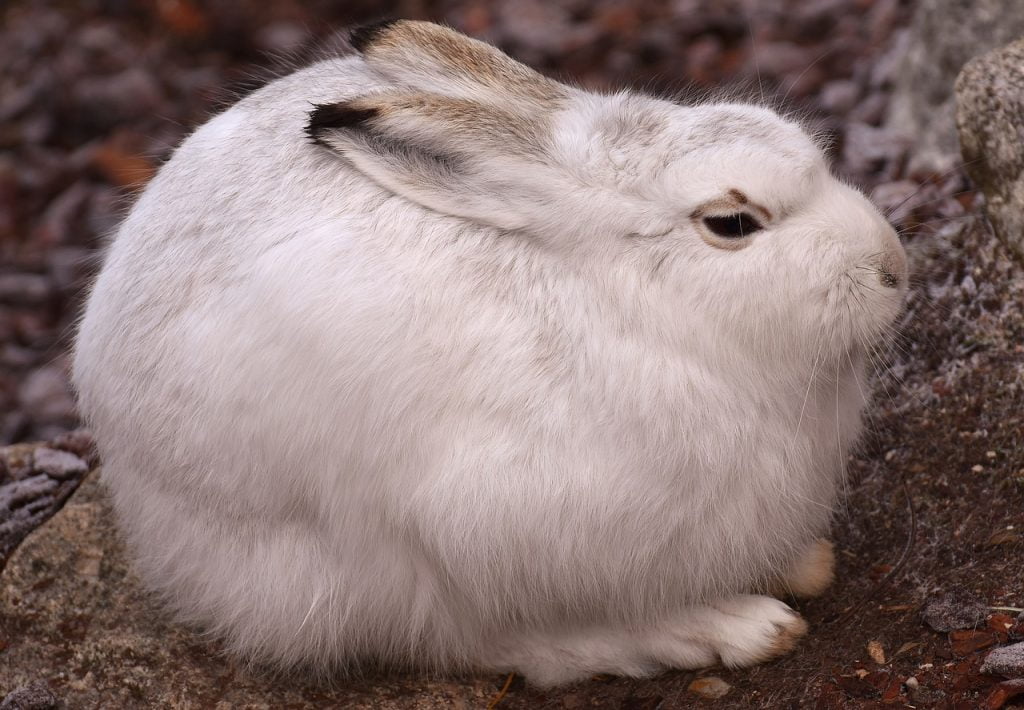
This curled position is instinctive. Wild rabbits do the same thing in their burrows during cold nights. If your rabbit is loafing with cold ears but is otherwise alert and responsive, there is nothing to worry about.
When Do Cold Ears Signal a Health Problem?
Cold ears become a concern when they appear alongside other symptoms. A sudden drop in body temperature can indicate shock, severe illness, or organ failure. If your rabbit's ears are cold and they are also showing any of the following signs, you need to act quickly:
- Loss of appetite: Refusing food for more than 12 hours is a red flag. A rabbit that is not eating could be developing GI stasis, a potentially fatal digestive shutdown.
- Lethargy or unresponsiveness: A rabbit that will not move, does not react to sounds, or sits hunched in a corner may be in pain or shock.
- Shivering or trembling: If your rabbit is shaking and laying down, they may be hypothermic or in distress.
- Changes in droppings: Smaller, fewer, or absent droppings alongside cold ears suggest a digestive issue.
- Pale or blue gums: This indicates poor circulation and is a veterinary emergency.
- Labored breathing or mouth breathing: Rabbits normally breathe through their nose. Mouth breathing signals severe respiratory distress.
GI Stasis and Cold Ears
One of the most common health issues linked to cold ears is gastrointestinal stasis (GI stasis). When a rabbit's digestive system slows down or stops, their body temperature can drop rapidly. GI stasis can be caused by stress, dehydration, insufficient fiber, or pain from another condition.
According to Michigan State University, a healthy rabbit's core body temperature ranges from 101 to 103°F (38.3 to 39.4°C). If their temperature drops below 100°F, you are dealing with hypothermia, and GI stasis is one of the most common causes in domestic rabbits.
Signs of GI stasis include:
- No droppings or very small, hard droppings for more than 8 to 10 hours
- Refusal to eat, even favorite treats
- A bloated or hard-feeling abdomen
- Teeth grinding (a sign of pain)
- Cold ears combined with a hunched posture
GI stasis requires immediate veterinary treatment. Without intervention, it can be fatal within 24 to 48 hours.
Shock in Rabbits
Rabbits can go into shock from trauma, extreme fright, or sudden illness. A rabbit in shock will have cold ears, cold feet, a limp body, and unfocused or glazed eyes. Their breathing may become rapid and shallow.
If you suspect shock, wrap your rabbit in a warm towel, keep them in a quiet and dim space, and get to a veterinarian immediately. Do not try to force-feed water or food to a rabbit in shock.
How to Warm Up a Rabbit With Cold Ears
If your rabbit's ears are cold and you want to warm them up, there are several safe methods. The key is to warm your rabbit gradually. Sudden temperature changes can cause additional stress.
Safe Warming Methods
- Warm water bottle: Fill a bottle with warm (not hot) water and wrap it in a towel. Place it next to your rabbit so they can snuggle against it. Never use boiling water, and always have a towel layer between the bottle and your rabbit to prevent burns.
- Microwavable heat pad: Pet-safe heat pads designed for small animals work well. Follow the product instructions and always cover the pad with a cloth.
- Gentle ear massage: Cup your rabbit's ears in your hands and gently rub them. Your body heat will help warm the blood vessels and restore circulation. Many rabbits find this comforting.
- Extra bedding: Add more hay or fleece blankets to your rabbit's enclosure. Hay is an excellent insulator and gives your rabbit material to burrow into.
- Move to a warmer room: If your rabbit is in a cold part of the house or in an outdoor hutch, bring them into a warmer indoor area temporarily.
What NOT to Do When Warming Your Rabbit
- Never use a hair dryer on your rabbit. The noise can cause extreme stress, and the heat is difficult to control.
- Never place your rabbit directly on a heating pad without a cover. Burns can happen quickly on thin rabbit skin.
- Never submerge your rabbit in warm water. Baths are stressful and dangerous for rabbits. Wet fur loses its insulating properties and can actually make the situation worse.
- Avoid heating lamps positioned too close to the enclosure. These can overheat your rabbit or cause burns.
How to Keep Your Rabbit From Getting Too Cold
Prevention is always easier than treatment. Whether your rabbit lives indoors or outdoors, there are practical steps you can take to keep them comfortable during colder months.
For Indoor Rabbits
- Keep the room temperature between 55 and 70°F (13 to 21°C)
- Place the enclosure away from drafty windows and exterior doors
- Avoid rooms with tile or concrete floors, as these radiate cold. Place a mat or rug under the enclosure
- Provide plenty of hay for burrowing and insulation
- Consider a fleece snuggle sack or enclosed hideout where your rabbit can retreat
For Outdoor Rabbits
- Insulate the hutch with blankets, cardboard, or foam panels on the outside walls
- Position the hutch facing away from prevailing winds
- Raise the hutch off the ground to prevent cold air from seeping in through the floor
- Use a waterproof cover over the hutch during rain and snow, leaving ventilation gaps to prevent condensation
- Provide a thick layer of straw (not just hay) for bedding, as straw has better insulating properties
- Check water bottles twice daily in freezing weather to ensure they have not frozen
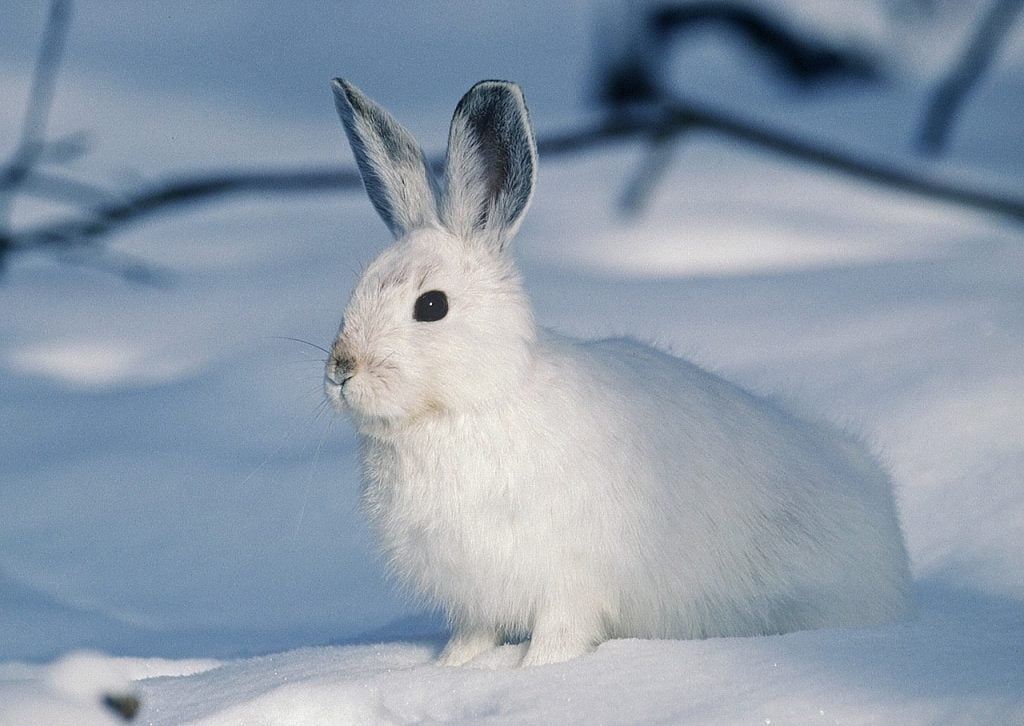
Rabbits that live outdoors can tolerate surprisingly cold temperatures as long as they have a dry, draft-free shelter with adequate bedding. Rabbits in cold weather and snow can manage well if they have gradually acclimatized and have proper shelter. The bigger danger for outdoor rabbits is damp or wet conditions, which strip away the insulating properties of their fur.
Do Lop-Eared Rabbits Get Colder Ears Than Upright-Eared Breeds?
Ear shape and size do play a role in thermoregulation. Lop-eared breeds like Holland Lops and Mini Lops have ears that hang down alongside their face. This position means their ears are somewhat shielded from air circulation, which can make them slightly less efficient at both releasing and retaining heat compared to upright-eared breeds.
Upright-eared breeds with large ears, such as Flemish Giants and English Lops, have more surface area exposed to the air. This makes them better at cooling down in summer but also means they can lose heat faster in winter.
In practical terms, the difference is minimal for pet rabbits kept in normal indoor temperatures. But if you keep large-eared breeds outdoors, pay extra attention to cold weather housing. And if you notice signs that your rabbit is stressed during temperature extremes, adjust their environment accordingly.
Can You Check Your Rabbit's Temperature at Home?
Yes, you can take your rabbit's temperature using a digital rectal thermometer. This is the most accurate way to know if your rabbit is actually cold or if their cold ears are just normal thermoregulation.
Here is how to do it safely:
- Use a digital pet thermometer with a flexible tip
- Apply a small amount of petroleum jelly or water-based lubricant to the tip
- Have someone hold the rabbit securely on a non-slip surface
- Gently insert the thermometer about 1 inch (2.5 cm) into the rectum
- Wait for the reading (usually 30 to 60 seconds)
| Temperature Range | What It Means | Action |
|---|---|---|
| 101 to 103°F (38.3 to 39.4°C) | Normal | No action needed |
| 100 to 101°F (37.8 to 38.3°C) | Slightly low | Warm gently, monitor closely |
| Below 100°F (37.8°C) | Hypothermia | Warm immediately, contact vet |
| Above 104°F (40°C) | Fever or heatstroke | Cool down, contact vet |
If you are uncomfortable taking your rabbit's temperature at home, a quick trip to the vet can give you peace of mind. Many rabbit-savvy veterinarians welcome a brief check-in if you are concerned about temperature changes.
When Should You Take Your Rabbit to the Vet?
Cold ears alone do not require a vet visit. But certain combinations of symptoms demand immediate professional attention. Contact a rabbit-savvy veterinarian right away if your rabbit has cold ears along with any of these:
- No food intake for more than 12 hours
- No droppings for more than 10 hours
- Rectal temperature below 100°F (37.8°C)
- Pale or blue-tinged gums and lips
- Limp, unresponsive body
- Rapid, shallow breathing or mouth breathing
- Hunched posture with loud teeth grinding
- Cold ears that persist despite warming the environment to 65 to 70°F
If you cannot reach a vet immediately, wrap your rabbit in a warm towel, place a covered warm water bottle nearby, and keep them in a quiet, warm space until you can get professional help.
Frequently Asked Questions
Should I worry if my rabbit's ears are cold at night?
No, cold ears at night are normal because room temperatures naturally drop after dark. As long as your rabbit is eating, producing droppings, and acting normally the next morning, cold ears overnight are simply their body conserving heat. Provide extra hay for burrowing and ensure the room stays above 50°F (10°C).
Can cold ears mean my rabbit has a fever?
Cold ears typically indicate the opposite of a fever. A rabbit with a fever usually has hot ears because blood flow increases to release excess heat. However, in late-stage illness, a rabbit's temperature can drop suddenly, causing cold ears. If your rabbit seems unwell, take their rectal temperature to get an accurate reading.
How quickly should a rabbit's ears warm up indoors?
If you bring a cold rabbit into a warm room (65 to 70°F), their ears should feel noticeably warmer within 15 to 30 minutes. If the ears remain cold after an hour in a warm environment and your rabbit seems lethargic or is not eating, contact your veterinarian for advice.
Do baby rabbits get cold ears more easily than adults?
Yes, baby rabbits (kits) are much more vulnerable to cold because they are born hairless and cannot regulate their body temperature until they grow fur at around 7 to 10 days old. Kits rely entirely on their mother's body heat and nest insulation. If you find kits with cold ears, ensure the nest box is well-insulated with fur and straw, and keep the room at least 65°F (18°C).
Are some rabbit breeds more cold-tolerant than others?
Yes. Dense-coated breeds like Rex, Flemish Giant, and Silver Fox handle cold weather better than thin-coated or dwarf breeds. Angora rabbits have excellent cold tolerance due to their thick wool. Regardless of breed, all rabbits need dry shelter and protection from wind and dampness in cold weather.
Cite this article:
BunnySync (March 1, 2026) What Does It Mean When Your Rabbit's Ears Are Cold?. Retrieved from https://bunnysync.com/blog/cold-rabbit-ears.
"What Does It Mean When Your Rabbit's Ears Are Cold?." BunnySync - March 1, 2026, https://bunnysync.com/blog/cold-rabbit-ears