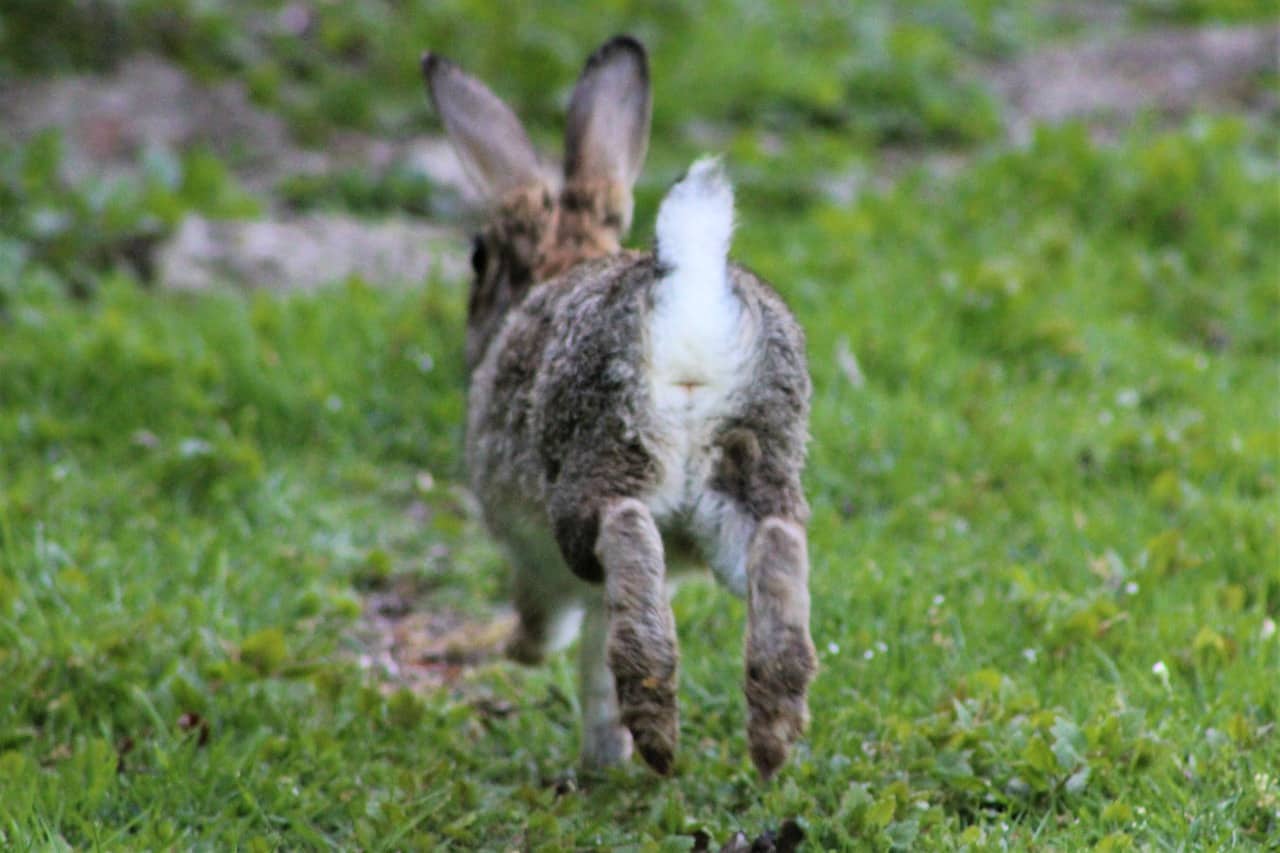
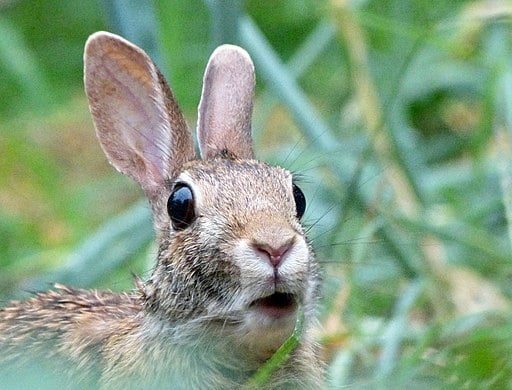
Yes, you can tell if your rabbit is happy by watching their body language and behavior. Happy rabbits binky (jump and twist mid-air), flop onto their sides, purr by softly grinding their teeth, and seek out your company for grooming and play. A content rabbit has relaxed ears, a calm posture, and will often lick you, nudge you, or run circles around your feet. If your rabbit shows several of these signs regularly, you are doing a great job as a rabbit owner.
Understanding rabbit happiness is not just about warm feelings. As prey animals, rabbits hide pain and stress instinctively, so recognizing genuine contentment helps you catch problems early. A rabbit that stops showing happy behaviors may be sick, stressed, or depressed. This guide covers every sign of a happy rabbit, what each behavior actually means, and how to encourage more of it in your home.
What Does a Happy Rabbit Look Like? The Key Body Language Signs
Before diving into specific behaviors, it helps to understand the baseline body language of a content rabbit. Rabbits communicate almost entirely through posture, ear position, and movement. Once you learn to read these signals, you will never wonder about your rabbit's mood again.
Relaxed Ears
A happy rabbit holds its ears in a neutral, relaxed position. For upright-eared breeds like the Netherland Dwarf or Rex, this means ears pointing gently upward or slightly to the side, not pressed flat against the back. Lop-eared breeds show contentment when their ears hang naturally without tension at the base.
Ears pressed flat and tight against the body signal fear or submission. Ears held rigid and forward mean the rabbit is on high alert. The relaxed, loose ear position sits right between these two extremes and is the posture you want to see most often.
Soft, Half-Closed Eyes
Rabbits that feel safe in their environment will rest with their eyes half-closed or fully closed. This is significant because rabbits often sleep with their eyes open as a survival instinct. When your rabbit closes its eyes around you, it is a strong signal of trust and comfort.
Relaxed Body Posture
A happy rabbit sits with its weight distributed evenly, not hunched or pressed into a corner. You may notice your rabbit stretching out with its back legs extended behind it (sometimes called a "sploot") or sitting in a loaf position with its paws tucked neatly underneath. Both postures indicate a rabbit that feels safe and at ease.
A stressed rabbit, by contrast, will sit hunched with tense muscles, wide eyes, and ears pinned back. Learning to spot the difference between these postures helps you respond quickly when something is wrong.
The Binky: The Ultimate Sign of Rabbit Happiness
If there is one behavior that guarantees your rabbit is happy, it is the binky. A binky is when your rabbit leaps into the air and twists its body or kicks its feet mid-jump. Some rabbits do full binkies with dramatic height and rotation. Others do smaller "half binkies" where they flick their head to the side while hopping. Both versions mean the same thing: pure joy.
Binkies usually happen during playtime, when a rabbit is let out of its enclosure, or when it gets excited about food. Young rabbits binky more frequently than older ones, but even senior rabbits will binky occasionally when they are feeling good. If your rabbit binkies regularly, you are providing an excellent environment.
You cannot force a binky. It is a completely spontaneous expression of happiness that cannot be trained or prompted. That is what makes it such a reliable indicator.
Why Does My Rabbit Lick Me?
When your rabbit licks you, it is grooming you the same way it would groom a bonded partner. In rabbit social groups, mutual grooming is one of the strongest expressions of trust and affection. Rabbits only groom individuals they consider family, so a rabbit licking you is a genuine compliment.
Most rabbits lick hands, feet, or arms. Some will lick your face if you lie down at their level. The licking often comes in short bursts and may be accompanied by gentle tooth purring, which sounds like a very soft grinding and indicates deep contentment.
Not every rabbit is a licker, though. Some rabbits show their affection through other means like nudging, following you around, or simply sitting near you. If your rabbit does not lick you, it does not mean it is unhappy. Look at the full picture of their behavior instead.
What Does It Mean When My Rabbit Nudges Me?
Nudging is when your rabbit presses its nose against you and pushes gently. This behavior has several meanings depending on context:
- Attention seeking: Your rabbit wants you to pet it, play with it, or simply acknowledge its presence.
- Food request: If your rabbit nudges you near feeding time, it is likely asking for a meal or treat.
- Move please: Sometimes rabbits nudge to ask you to move out of their way, especially if you are blocking a favorite spot.
- Affection: Gentle, repeated nudging without an obvious goal is often just your rabbit saying hello and checking in with you.
Regardless of the specific reason, nudging shows that your rabbit is comfortable enough to approach you and initiate contact. A scared or unhappy rabbit would never voluntarily touch a human.
The Flop: When Your Rabbit Falls Over on Purpose
One of the most dramatic signs of rabbit happiness is the flop. Your rabbit will be standing or hopping normally, then suddenly throw itself onto its side (or even its back) and lie completely still. The first time you see this, you might panic and think something is wrong. Do not worry. This is completely normal and very healthy behavior.
Flopping means your rabbit is so relaxed and content that it just collapses into rest mode. In the wild, a rabbit would never expose its belly or lie on its side because it would be vulnerable to predators. When your domestic rabbit flops in front of you, it is telling you that it feels 100% safe in your home.
Some rabbits flop slowly and gracefully. Others drop like a sack of potatoes with zero warning. Both styles are equally valid signs of happiness.
Does My Rabbit Love Me If It Runs in Circles Around My Feet?
Yes, circling is a strong sign of excitement and affection. When your rabbit runs tight circles around your feet or legs, it is showing that it is thrilled to see you. This behavior is most common when you come home after being away, when you approach with food, or during free-roam playtime.
It is worth noting that circling can also be a hormonal behavior in unspayed or unneutered rabbits. If your rabbit circles obsessively and makes honking sounds, it may be displaying mating behavior rather than simple happiness. Spaying or neutering typically reduces hormonally driven circling while preserving the joyful variety.
You can learn more about this behavior in our guide on why rabbits run in circles in their cage.
Tooth Purring vs. Teeth Grinding: Know the Difference
Rabbits produce two very different sounds with their teeth, and telling them apart is important for understanding your rabbit's emotional state.
| Sign | Tooth Purring (Happy) | Teeth Grinding (Pain) |
|---|---|---|
| Sound | Soft, quiet clicking or vibration | Loud, audible grinding |
| Body language | Relaxed, eyes half-closed | Hunched, tense, pressing belly to ground |
| When it happens | During petting, grooming, or resting | Continuously, even without interaction |
| Jaw movement | Subtle, barely visible | Obvious, exaggerated chewing motion |
| Other signs | May lick you or nudge for more | Refusal to eat, lethargy, hiding |
Tooth purring is the rabbit equivalent of a cat's purr. It happens when you scratch behind their ears, stroke their forehead, or massage along their cheeks. If your rabbit tooth-purrs while you pet it, that is one of the clearest signs of happiness you will ever get. Learn more about what it means when rabbits grind their teeth.
How Do Rabbits Show Affection to Their Owners?
Beyond the individual behaviors already covered, rabbits show affection through patterns of interaction that build over time. Here are additional ways rabbits show affection to humans:
- Following you around: A rabbit that hops after you from room to room considers you its companion. This is especially meaningful because rabbits are prey animals and choose to stay near those they trust.
- Chinning: Rabbits have scent glands under their chin. When your rabbit rubs its chin on you or your belongings, it is marking you as "theirs." This is a possessive but affectionate gesture.
- Jumping on your lap: Rabbits that voluntarily climb onto your lap and settle down are showing deep trust. Prey animals do not put themselves in vulnerable positions unless they feel completely safe.
- Sleeping near you: If your rabbit chooses to sleep in the same room as you, or even next to you on the couch, it trusts you enough to let its guard down completely.
- Approaching you first: Happy rabbits will come to you when you sit on the floor, rather than waiting for you to come to them.
What Does a Relaxed Sleeping Rabbit Look Like?
How your rabbit sleeps tells you a lot about its emotional state. A happy, secure rabbit will sleep in exposed, vulnerable positions. Here is what to look for:
- Side sleeping: Lying fully on one side with legs stretched out. This is a deeply relaxed position.
- Dead bunny flop: Lying so still that the rabbit appears lifeless. Alarming the first time, but it means your rabbit is in the deepest state of relaxation.
- Loaf position with closed eyes: Sitting upright with paws tucked under but eyes fully shut. The rabbit feels safe enough to close its eyes, which is a big deal for a prey animal.
An anxious rabbit, on the other hand, sleeps in a crouched position with eyes open and ears on alert. If your rabbit only sleeps in tense, alert positions, consider whether something in its environment is causing stress, like loud noises, other pets, or a cage that is too small.
How to Make Your Rabbit Happier
If your rabbit is not showing many happy behaviors, there are practical steps you can take to improve its quality of life:
Provide Enough Space
Rabbits need a minimum of 12 square feet of living space, plus several hours of free-roam time daily. A cramped cage is one of the most common causes of unhappiness in pet rabbits. Check our guide on what size a rabbit cage should be for specific recommendations.
Offer Mental Stimulation
Bored rabbits become destructive or withdrawn. Provide cardboard boxes to chew and explore, tunnels to run through, and puzzle feeders that make them work for treats. Rotating toys every few days keeps things interesting.
Consider a Companion
Rabbits are social animals that thrive with a bonded partner. A single rabbit can be happy with enough human interaction, but most rabbits benefit enormously from having another rabbit companion. The bonding process takes patience, but the result is two rabbits that groom each other, play together, and sleep side by side.
Maintain a Consistent Routine
Rabbits are creatures of habit. Feeding at the same times each day, keeping their environment stable, and avoiding sudden changes reduces stress and promotes contentment. Even rearranging furniture can temporarily unsettle a rabbit.
Spend Floor Time Together
Sit on the floor at your rabbit's level for at least 30 minutes daily. Let your rabbit come to you on its own terms. Avoid picking up your rabbit unless necessary, as most rabbits dislike being lifted off the ground. Floor-level interaction builds trust faster than any other method.
Signs Your Rabbit Is NOT Happy
Knowing the warning signs of an unhappy rabbit is just as important as recognizing happiness. Watch for these red flags:
- Hiding constantly: A rabbit that spends all its time hiding is likely scared or stressed.
- Aggression: Biting, lunging, or boxing with front paws can indicate pain, fear, or territorial stress.
- Over-grooming: Pulling out its own fur (outside of nesting behavior) suggests anxiety.
- Loss of appetite: A rabbit that stops eating is either sick or severely stressed. This requires veterinary attention within 12 hours, as rabbits cannot go long without food before developing GI stasis.
- Thumping frequently: Occasional thumping is normal communication. Constant thumping indicates your rabbit feels threatened or annoyed.
- Lethargy: A rabbit that sits hunched and motionless for long periods may be in pain or deeply unhappy.
If your rabbit displays multiple warning signs, consult a rabbit-savvy veterinarian. Physical health problems often present as behavioral changes first.
Frequently Asked Questions
Do rabbits wag their tails when they are happy?
Yes, some rabbits do a subtle tail wag or flick when they are excited or happy, though it is less obvious than a dog's wag. You are more likely to notice it during playtime or when your rabbit is exploring a new area. Tail wagging combined with binkies and relaxed ears confirms your rabbit is in a great mood.
Can rabbits smile?
Rabbits cannot physically smile like humans. However, a relaxed face with soft whiskers, half-closed eyes, and gently positioned ears gives a "smiling" appearance that experienced rabbit owners learn to recognize. This relaxed facial expression is a genuine indicator of contentment.
How long does it take for a new rabbit to show signs of happiness?
Most rabbits need 2 to 4 weeks to settle into a new home before showing confident, happy behaviors. Some shy rabbits may take 2 to 3 months. During this adjustment period, give your rabbit space, maintain a quiet environment, and let it approach you on its own terms.
Is a quiet rabbit a happy rabbit?
Not necessarily. Rabbits are naturally quiet animals, so silence alone does not indicate happiness or unhappiness. Look at body language instead. A quiet rabbit that flops, binkies, and seeks out your company is happy. A quiet rabbit that hides, refuses food, or sits hunched is not.
Do rabbits get happier with age?
Many rabbits become calmer and more affectionate as they mature, typically around 1 to 2 years old. They may binky less frequently but show more subtle signs of contentment like flopping, tooth purring, and seeking out cuddles. Senior rabbits (7+ years) tend to be the most relaxed and bonded with their owners.
Cite this article:
Cite this article:
BunnySync (March 6, 2026) How To Tell If A Rabbit Is Happy? 8 Clear Signs of a Content Bunny. Retrieved from https://bunnysync.com/blog/how-to-tell-if-a-bunny-is-happy.
"How To Tell If A Rabbit Is Happy? 8 Clear Signs of a Content Bunny." BunnySync - March 6, 2026, https://bunnysync.com/blog/how-to-tell-if-a-bunny-is-happy
Sources and Further reading
- Patry, Karen, et al. The Rabbit-Raising Problem Solver: Your Questions Answered about Housing, Feeding, Behavior, Health Care, Breeding, and Kindling. Storey Publishing, 2014.
- San Diego Rabbit Behavior Guide
- Binkies, Nose Bonks and Flops: Rabbit Behavior Explained - My House Rabbit
- RSPCA Rabbit Behaviour Guide