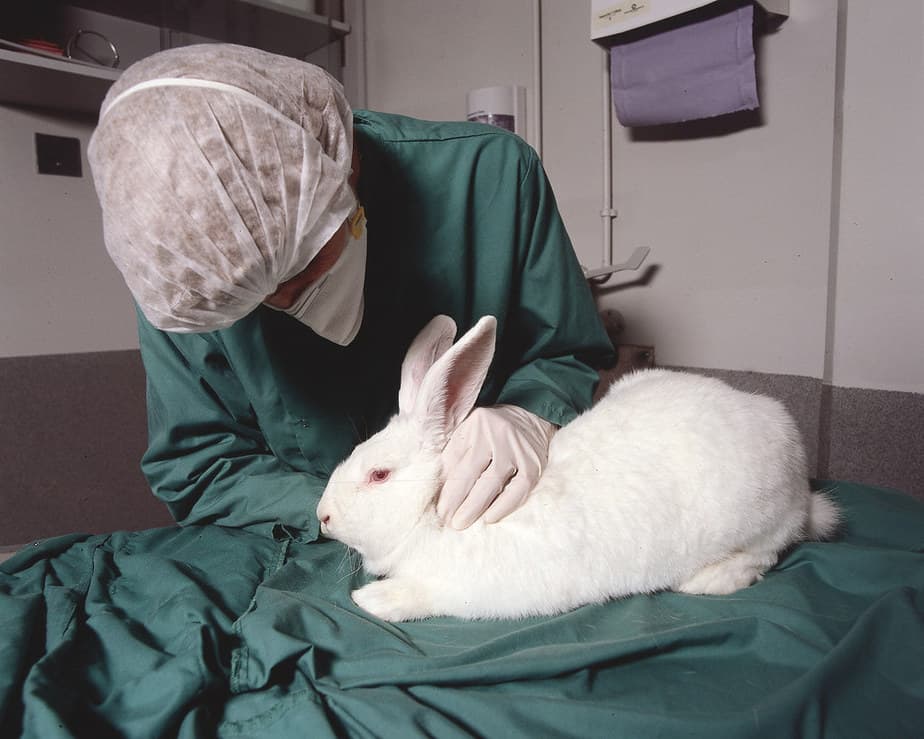
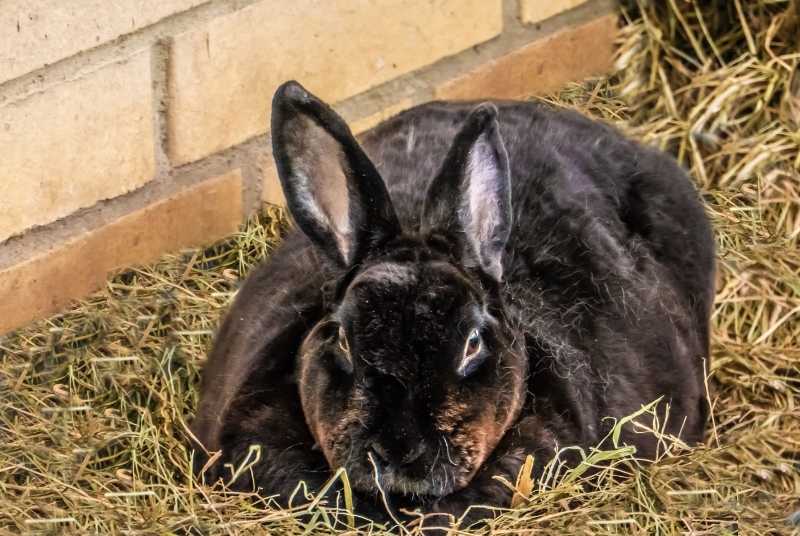
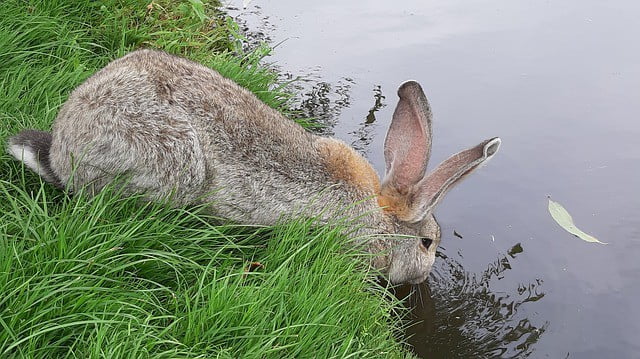
Rabbits twitch their noses to enhance their sense of smell, regulate breathing, and monitor their environment for danger. A fast nose twitch means your rabbit is alert, scanning for predators, or curious about a new scent. A slow twitch means they feel safe and relaxed. Since rabbits are obligate nasal breathers, nose twitching also plays a direct role in how they breathe and control their body temperature.
Understanding the speed and rhythm of your rabbit's nose wiggle gives you a real-time window into their emotional and physical state. As breeders, we rely on nose twitching as one of the first indicators of whether a rabbit is comfortable, stressed, overheated, or unwell. Below, we break down exactly what different twitching speeds mean and when you should be concerned.
The Anatomy Behind a Rabbit's Nose Twitch
Before diving into what different twitching speeds mean, it helps to understand the physical mechanics involved. A rabbit's nose is far more complex than it appears from the outside.
Rabbits have approximately 100 million olfactory receptors in their nasal passages, compared to only about 6 million in humans. That puts their sense of smell in the same league as many dog breeds. The nose wiggle exposes more of these receptors to incoming air, giving the rabbit a broader and more detailed picture of nearby scents.
The twitching motion itself is powered by a network of small muscles surrounding the nostrils. Rabbits have a distinctive split upper lip (sometimes called a "harelip"), which allows each nostril to move somewhat independently. This gives them the ability to fine-tune the direction and volume of air flowing through their nasal passages.
A key anatomical feature is the alar fold, a structure inside the nose that partially blocks the nostril opening and creates a comma-shaped opening. This fold, along with a spiral-shaped nasal vestibule, splits incoming air into different streams. Some air flows toward the olfactory region for scent detection, while the rest passes through for breathing and temperature regulation.
Because rabbits are obligate nasal breathers, meaning they cannot breathe through their mouths like dogs or humans, the nose does triple duty: breathing, smelling, and thermoregulation. This is why nose twitching is not just a cute quirk. It is a critical survival function.
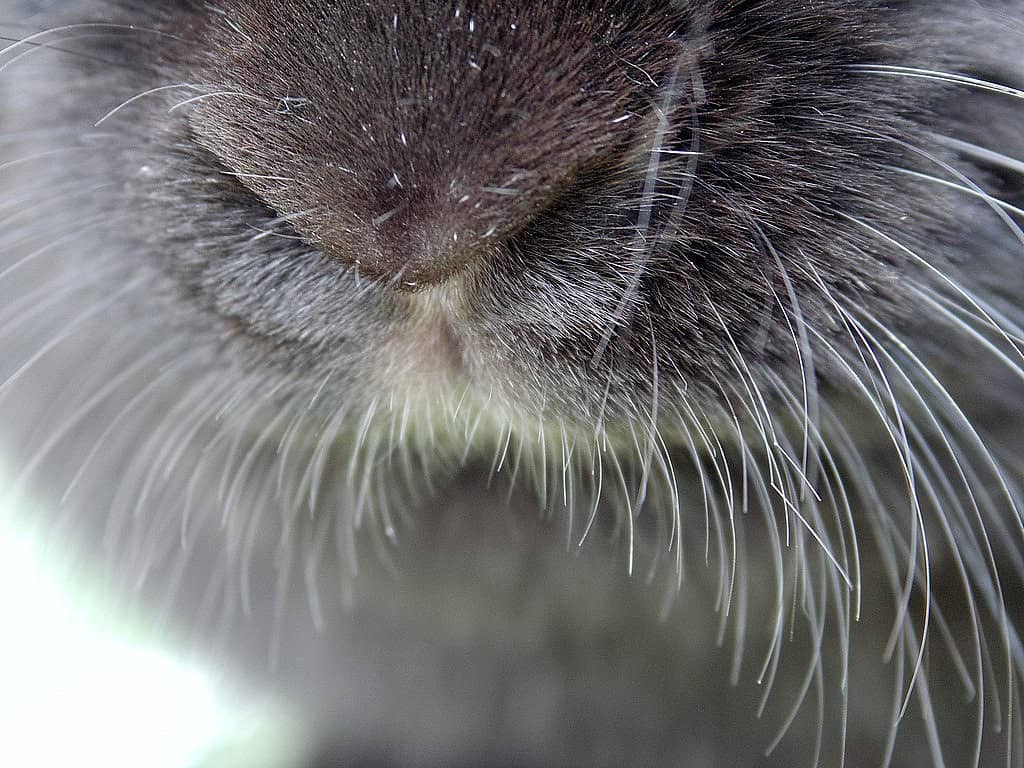
What Does Fast Nose Twitching Mean in Rabbits?
A rabbit's nose can twitch anywhere from 20 to 120 times per minute, and in some cases up to 150 times per minute during peak alertness. When the twitching speed ramps up, it almost always signals that your rabbit's senses are on high alert. Here are the most common reasons for fast nose wiggling.
Your Rabbit Is Scanning for Predators
Rabbits are prey animals, and millions of years of evolution have hardwired them to be hyper-vigilant about potential threats. When a rabbit catches an unfamiliar scent on the air, the nose twitching immediately accelerates.
This rapid wiggling serves a clear purpose: it draws more air across those 100 million scent receptors, giving the rabbit a much more detailed "picture" of what is nearby. Within seconds, a rabbit can determine whether a scent belongs to a known household member, another pet, food, or something potentially dangerous.
Even domestic rabbits that have never encountered a wild predator still have this instinct fully intact. If your rabbit's nose starts wiggling rapidly when you enter the room, when someone new visits, or when they hear an unexpected sound, they are running a quick "threat assessment." This is perfectly normal behavior, so do not take it personally if your rabbit seems cautious around you. It is just nature at work.
For more on how rabbits respond to perceived threats, check out our guide on how rabbits protect themselves from predators.
Your Rabbit Is Regulating Body Temperature
Rabbits cannot pant like dogs. They also have very few sweat glands, limited mostly to the pads of their feet. This means they rely heavily on their ears and their respiratory system to manage heat.
When a rabbit gets warm, you will notice the nose twitching speed increase. This faster breathing moves more air across the moist nasal mucosa, which helps dissipate heat through evaporative cooling. Think of it as the rabbit equivalent of panting, except it happens entirely through the nose.
This is especially important during hot weather. A rabbit that is twitching its nose very rapidly while also showing other signs like sprawling out flat, holding its ears away from its body, or appearing lethargic may be struggling with the heat. The ideal temperature range for rabbits is between 60 and 70 degrees Fahrenheit (15 to 21 degrees Celsius). Anything above 80 degrees Fahrenheit (27 degrees Celsius) starts becoming dangerous.
If you notice rapid nose twitching combined with lethargy or wet fur around the nose, take steps to cool your rabbit down immediately. Move them to a cooler area, provide fresh water, and place a frozen water bottle wrapped in a towel near them.
Your Rabbit Is Curious About a New Scent
Not all fast nose twitching signals danger or discomfort. Rabbits are naturally curious animals, and encountering a new scent often triggers a burst of rapid wiggling.
You might notice this when you introduce new food, bring home a new item of furniture, wear different perfume, or come home smelling like another animal. The rabbit is essentially "downloading" as much scent information as possible to categorize and file the new smell.
This curiosity-driven twitching is usually accompanied by other body language cues: ears pointed forward, body leaning slightly toward the source of the scent, and sometimes a few cautious hops closer. Once the rabbit has identified the scent and determined it is not a threat, the twitching typically slows back to a normal pace.
Your Rabbit Is Excited or Stimulated
Positive excitement also triggers fast nose twitching. If your rabbit sees you preparing their food, hears the rustle of a treat bag, or is let out for exercise time, you will likely notice the nose picking up speed.
This is different from fear-based twitching in a couple of ways. An excited rabbit will typically have relaxed ears (not pinned back), may do small jumps or binkies, and will move toward the stimulus rather than away from it. The fast twitching here is the rabbit's way of processing all the exciting new scent information flooding in during an enjoyable experience.
What Does Slow Nose Twitching Mean in Rabbits?
While fast twitching indicates alertness or arousal, slow nose twitching is the opposite signal. A rabbit whose nose is barely moving, or moving in slow, gentle rhythms, is telling you they feel safe and content.
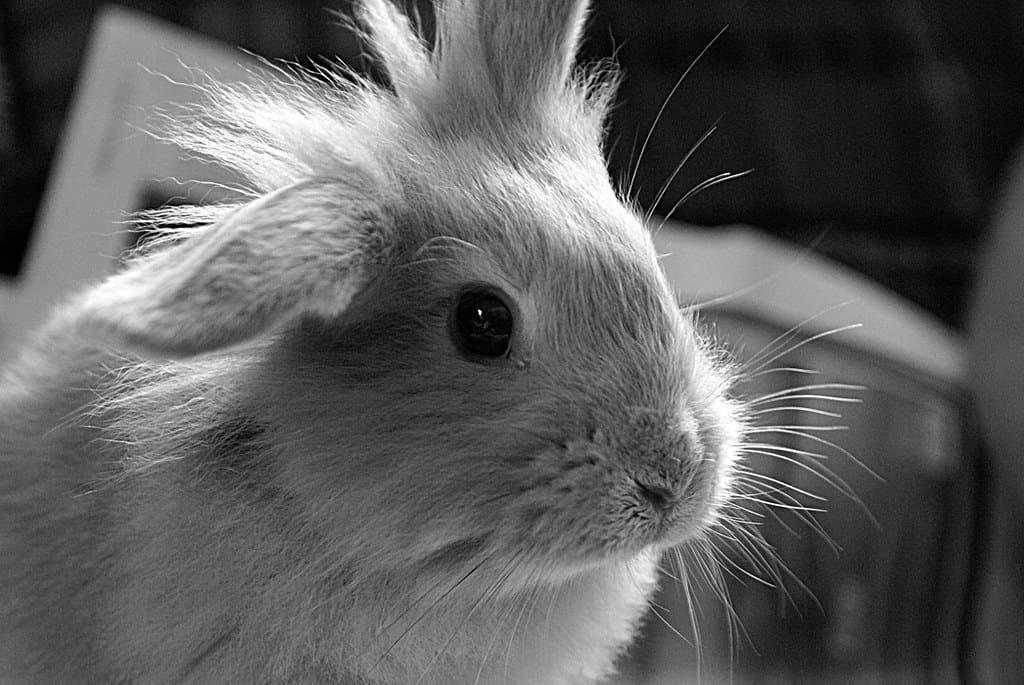
Your Rabbit Feels Safe and Relaxed
A slow nose twitch is one of the best compliments your rabbit can give you. It means they have decided there are no threats worth monitoring, so they have dialed back their scent surveillance.
You will often see this when petting your rabbit in their favorite spot, when they are lounging in a familiar space, or when they are grooming themselves. The nose may slow to just 20 or 30 twitches per minute, barely visible compared to the rapid wiggling of an alert rabbit.
If your rabbit's nose slows down when you approach or sit near them, congratulations. That is a genuine sign of trust. For more ways to tell if your rabbit is comfortable with you, read our article on how to tell if your rabbit is happy.
Your Rabbit Is Falling Asleep
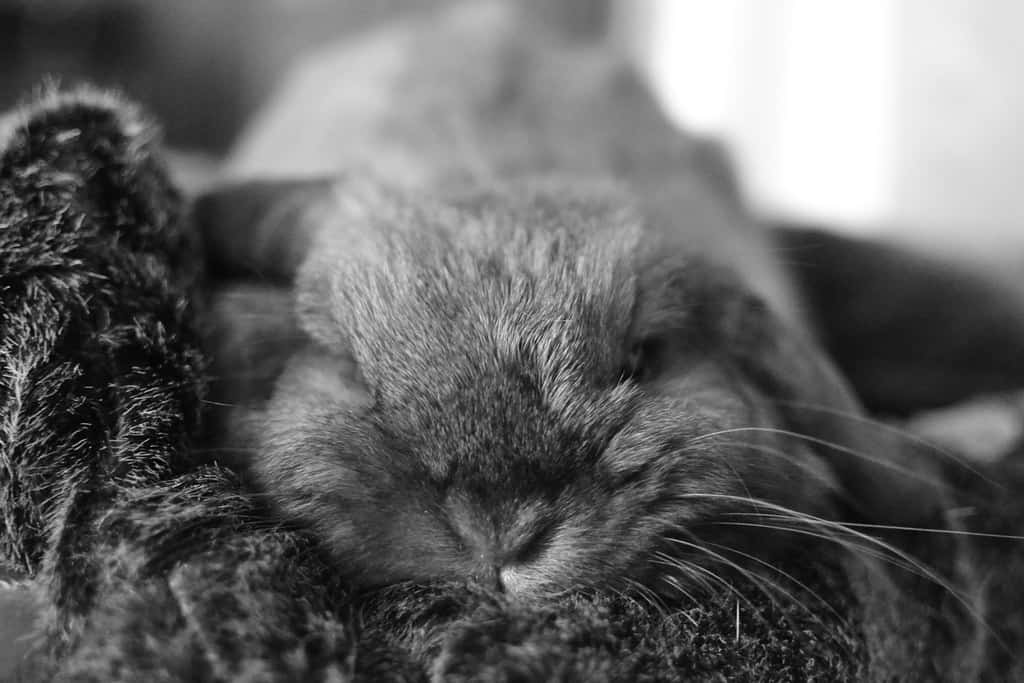
As rabbits drift into sleep, the nose twitching slows dramatically and may stop entirely. This is completely normal. Since rabbits are not actively monitoring their surroundings during deep sleep, the nose muscles relax along with the rest of their body.
You might notice the twitching slow down gradually as your rabbit transitions from resting to light sleep to deeper sleep. In deep sleep, some rabbits will lie on their side with their nose completely still. This can look alarming if you are not expecting it, but it simply means your rabbit feels secure enough to fully let their guard down.
For more on rabbit sleep patterns, check out our guide on how to tell if a rabbit is sleeping.
Your Rabbit Is Recovering After Exercise
After a burst of running, jumping, or playing, a rabbit may slow its nose twitching while catching its breath. Since rabbits cannot pant like other animals, they rely on their nasal passages to manage increased oxygen demand during recovery.
During this cooldown period, the rabbit may breathe deeply through the nose with slow, deliberate twitches rather than rapid ones. This is the rabbit's body switching from "high alert" mode back to a resting state. The slow twitching makes it easier to take long, full breaths rather than the short, rapid inhalations of an active rabbit.
This recovery-phase twitching is normal and should resolve within a few minutes as your rabbit's breathing and heart rate return to baseline.
How Fast Can a Rabbit's Nose Twitch?
The speed range of rabbit nose twitching is impressive. Here is what the numbers look like across different states:
| State | Twitches Per Minute | What It Means |
|---|---|---|
| Deep sleep | 0 (completely still) | Fully relaxed, no threat monitoring |
| Light sleep or rest | 20 to 30 | Comfortable but loosely aware |
| Calm and relaxed | 30 to 60 | Content, normal resting state |
| Mildly curious | 60 to 80 | Investigating a new but non-threatening scent |
| Alert or excited | 80 to 120 | Actively processing scent information |
| Frightened or overheated | 120 to 150 | Maximum alertness or thermoregulation effort |
These numbers are approximate and will vary by individual rabbit. Larger breeds tend to have slightly slower baseline twitching rates than smaller breeds, similar to how rabbit heart rates vary by size. The important thing to watch for is changes in your specific rabbit's normal pattern.
Can Nose Twitching Tell You About Your Rabbit's Health?
Yes. Since the nose is central to breathing and thermoregulation, changes in twitching patterns can be an early warning sign of health problems. Experienced breeders learn to read nose twitching the way a nurse reads vital signs.
Normal Nose Twitching vs. Warning Signs
Normal, healthy nose twitching has a rhythmic, consistent quality. It speeds up and slows down in response to environmental changes, and it looks effortless. The rabbit should not appear to be straining or struggling to breathe.
Warning signs to watch for include:
- Persistently rapid twitching at rest: If your rabbit's nose is twitching at 100+ times per minute while sitting quietly in a cool room, this could indicate respiratory distress, pain, or fever.
- Very slow or absent twitching while awake: A rabbit that is awake but barely twitching its nose may be in severe stress, pain, or shock.
- Irregular or labored twitching: If the twitching seems uneven, forced, or accompanied by visible effort in the chest or sides, this points to a respiratory problem.
- Nasal discharge: Any mucus, wetness, or crusting around the nostrils combined with changed twitching patterns warrants immediate veterinary attention.
- Audible breathing sounds: Snoring, wheezing, or clicking sounds paired with abnormal twitching can indicate upper respiratory infection, dental problems, or nasal blockages.
When to Contact Your Veterinarian
Contact a rabbit-savvy veterinarian if you notice any of the following alongside abnormal nose twitching:
- Your rabbit is breathing with an open mouth (this is an emergency in rabbits).
- The normal resting respiratory rate of 30 to 60 breaths per minute is significantly exceeded while the rabbit is calm and in a cool environment.
- You see nasal discharge that is white, yellow, or green.
- Your rabbit has stopped eating or drinking alongside changed breathing patterns.
- The twitching has completely stopped while the rabbit is awake and alert.
Rabbits hide illness as a survival instinct, so by the time breathing changes become obvious, the problem may already be serious. Do not wait to see if it resolves on its own.
How to Read Your Rabbit's Nose Twitching: A Quick Reference
Putting it all together, here is a quick guide for interpreting what your rabbit's nose is telling you based on the combination of twitching speed and other body language cues:
| Nose Speed | Ear Position | Body Posture | Likely Meaning |
|---|---|---|---|
| Fast | Upright and forward | Leaning forward, body tense | Alert, scanning for danger |
| Fast | Relaxed or upright | Moving toward something | Curious or excited |
| Fast | Flat against body | Crouched, frozen, or thumping | Frightened |
| Fast | Held out to the sides | Sprawled flat on cool surface | Overheated |
| Slow | Relaxed, slightly back | Loafing or lying down | Calm and content |
| Slow | Relaxed | Eyes half-closed, body limp | Falling asleep or deeply relaxed |
| Stopped | Relaxed | Lying on side, eyes closed | Deep sleep |
| Stopped | Flat or rigid | Hunched, not moving | Possible illness, seek vet care |
Tips for Monitoring Your Rabbit's Nose Twitching
Knowing what nose twitching means is only useful if you regularly observe your rabbit. Here are some practical tips for getting the most out of this natural health indicator:
- Establish a baseline: Spend a few days watching your rabbit's nose at different times, during rest, play, feeding, and when startled. Note the typical speed range for each state. This makes it much easier to spot abnormalities later.
- Observe without disturbing: Rabbits will change their twitching speed the moment they notice you watching. Try observing from a distance or from a position where they already feel comfortable with your presence.
- Check at different temperatures: Pay attention to how twitching changes on warmer days versus cooler ones. This helps you distinguish between normal thermoregulation and potential overheating.
- Pair it with other vitals: Nose twitching is most informative when combined with other observations like appetite, droppings, activity level, and water intake.
- Note breed differences: Brachycephalic breeds (those with shorter, flatter faces like Netherland Dwarfs and some Lop varieties) may have slightly different twitching patterns due to their modified nasal anatomy.
Frequently Asked Questions
Why does my rabbit's nose stop twitching completely?
A rabbit's nose stops twitching during deep sleep because the muscles fully relax when the rabbit feels completely safe. If your rabbit is awake and the nose has stopped, check for other signs of illness like lethargy, loss of appetite, or hunched posture, as this could indicate a health issue that needs veterinary attention.
Is fast nose twitching always a sign of stress?
No. Fast nose twitching can also indicate curiosity, excitement, or normal thermoregulation on a warm day. Look at the full picture of body language, including ear position, body posture, and behavior, to determine whether the fast twitching is stress-related or just your rabbit actively processing scent information.
How many times per minute does a rabbit's nose twitch?
A healthy rabbit's nose twitches between 20 and 120 times per minute on average, though it can reach up to 150 times per minute during peak alertness or when frightened. During deep sleep, the twitching may stop entirely. The speed varies based on the rabbit's emotional state, activity level, and environmental conditions.
Can I tell if my rabbit is happy by watching its nose?
A slow, steady nose twitch combined with a relaxed body posture, half-closed eyes, and loose ear positioning strongly suggests your rabbit is happy and content. If the nose slows down when you approach or pet your rabbit, that is a sign they trust you and feel comfortable in your presence.
Should I worry if my rabbit's nose twitches very fast while resting?
If your rabbit is in a cool, quiet environment and their nose is persistently twitching at a very high rate while resting, this may signal respiratory distress, pain, or overheating. Check the room temperature and look for other symptoms like nasal discharge, open-mouth breathing, or reduced appetite. Contact your veterinarian if the rapid twitching continues without an obvious cause.
Cite this article:
Cite this article:
BunnySync (February 27, 2026) Why Do Rabbits Twitch Their Nose? Fast and Slow Wiggling Explained. Retrieved from https://bunnysync.com/blog/rabbit-nose-twitch.
"Why Do Rabbits Twitch Their Nose? Fast and Slow Wiggling Explained." BunnySync - February 27, 2026, https://bunnysync.com/blog/rabbit-nose-twitch