If your rabbit is choking, you need to act fast. Rabbits cannot vomit, which means a blocked airway can become fatal within minutes. The most effective emergency response is the rabbit Heimlich maneuver, but you should only perform it if you are certain your rabbit is actually choking. The procedure itself carries risks, including potential neck or spinal injuries. After clearing the obstruction, always take your rabbit to a veterinarian immediately, even if they appear to recover fully.
How Do You Know If Your Rabbit Is Choking?
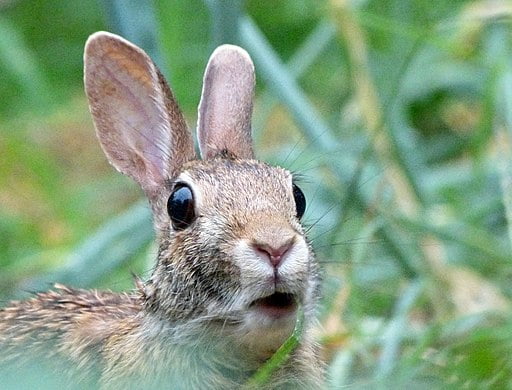
Before you attempt any emergency intervention, you need to confirm that your rabbit is genuinely choking. Performing the Heimlich maneuver on a rabbit that is not choking can cause serious injuries, including broken vertebrae and neck damage. Take a few seconds to observe these key signs before acting.
Primary Warning Signs
- Gasping or labored breathing: Your rabbit may open its mouth wide and stretch its neck upward, struggling to pull air past the obstruction.
- Blue or purple lips and gums: This indicates oxygen deprivation and means the situation is critical. Check the lips, tongue, and inner ears for discoloration.
- Head tilting upward repeatedly: A choking rabbit will often lift its head and extend its neck, trying to open the airway.
- Pawing at the mouth: Some rabbits will use their front paws to scratch at their face and mouth area when something is lodged in their throat.
- Mucus or drool around the mouth and nose: Excessive salivation or nasal discharge can indicate a partial blockage.
Behavioral Signs
- Panic and frantic movement: A choking rabbit will often dart around erratically, unable to settle.
- Screaming: In severe cases, rabbits may let out a high-pitched scream. This is a sign of extreme distress and pain.
- Refusal to eat or drink: Even partial obstructions will cause a rabbit to stop eating immediately.
- Sitting hunched with ears flat: Some rabbits freeze rather than panic, sitting in a tight, hunched position as they struggle to breathe.
If you notice any combination of these signs, especially blue lips or gasping, treat the situation as a choking emergency. Recognizing stress signals in your rabbit early can mean the difference between life and death.
Here is a video showing what a choking rabbit looks like, so you can recognize the signs quickly:
How Do You Perform the Heimlich Maneuver on a Rabbit?
The rabbit Heimlich maneuver is the primary emergency technique for dislodging an obstruction from your rabbit's airway. This procedure should only be used when you are absolutely certain your rabbit is choking. Follow these steps carefully.
Step-by-Step Instructions
- Pick up your rabbit securely: Hold your rabbit with its back against your chest, supporting its body firmly but gently. Keep one hand under its hindquarters and the other around its chest.
- Position your hands correctly: Place two fingers just below your rabbit's ribcage on the soft area of the abdomen. Do not press on the ribs themselves.
- Apply quick upward thrusts: Push inward and upward with a firm but controlled motion. Use two to three quick thrusts. The force should be enough to expel air from the lungs but not so hard that you injure the rabbit.
- Check the mouth: After each set of thrusts, tilt your rabbit's head slightly downward and check if the object has been dislodged. If you can see it, carefully remove it with your fingers or small tweezers.
- Repeat if necessary: If the first set of thrusts does not clear the blockage, repeat the process. Continue for up to one minute before seeking emergency veterinary help.
- Monitor breathing: Once the obstruction is cleared, hold your rabbit calmly and monitor its breathing. It should return to a normal pattern within 30 to 60 seconds.
Here is a detailed video from Special Bunny demonstrating the proper technique:
Important Safety Notes
The Heimlich maneuver on rabbits is inherently risky. Rabbits have delicate spines and can suffer fractures from improper handling. Always support the full body, never hold them by the scruff, and avoid jerking movements. If you are unsure about the technique, getting your rabbit to an emergency vet is the safer choice when possible.
What Should You NOT Do When Your Rabbit Is Choking?
In a panic, it is easy to make mistakes that could worsen the situation. Avoid these common errors during a rabbit choking emergency.
- Do not reach blindly into the mouth: Unlike dogs or cats, rabbits have very small mouths. Blindly sticking your finger down their throat can push the object deeper or cause oral injuries.
- Do not shake your rabbit upside down: While this might seem logical, shaking a rabbit can cause spinal injuries and does not reliably dislodge obstructions.
- Do not give water: Pouring water into a choking rabbit's mouth can cause aspiration, sending liquid into the lungs and creating additional problems.
- Do not squeeze the chest too hard: Rabbits have fragile ribcages. Excessive force during the Heimlich maneuver can break ribs or damage internal organs.
- Do not wait and hope it resolves: Choking does not resolve on its own in rabbits. Because they cannot vomit, a full blockage will remain until it is manually cleared.
Why Should You Visit the Vet After a Choking Episode?
Even after successfully clearing the obstruction, a veterinary visit is essential. Choking events can cause hidden complications that may not show symptoms for hours or even days.
Aspiration Pneumonia
During choking, food particles, saliva, or liquid can enter the lungs. This is called aspiration, and it frequently leads to aspiration pneumonia. Symptoms include labored breathing, nasal discharge, lethargy, and loss of appetite. According to the Merck Veterinary Manual, aspiration pneumonia can develop within 24 to 48 hours after the aspiration event and requires antibiotic treatment.
Throat and Esophageal Damage
The object that caused the choking may have scratched or torn the throat lining or esophagus on its way down or during removal. Your vet can check for inflammation, swelling, or lacerations that could lead to infection or difficulty eating in the following days.
Underlying Medical Conditions
Choking may be a symptom of a deeper problem. Conditions like mega esophagus (a condition where the esophagus loses its ability to move food into the stomach) and dental disease are common underlying causes. Your veterinarian can run diagnostics to identify and treat these issues before another choking event occurs. Teeth grinding in rabbits can sometimes indicate dental problems that increase choking risk.
What Are the Most Common Choking Hazards for Rabbits?
Understanding what causes choking in rabbits helps you prevent it. Most choking incidents are diet-related, not medical. Here are the top hazards to watch for.
Fruit Seeds and Pits
Seeds and pits from fruits are the number one choking hazard for rabbits. Small seeds from oranges, grapes, and similar fruits can easily lodge in a rabbit's narrow throat. Larger pits from cherries, plums, peaches, and nectarines are even more dangerous. Always remove all seeds and pits before offering any fruit to your rabbit.
Hard or Sticky Foods
| Hazard Type | Examples | Risk Level |
|---|---|---|
| Seeds and pits | Cherry pits, grape seeds, apple seeds, orange seeds | High |
| Hard foods | Whole nuts, dried corn kernels, hard pellet chunks | High |
| Sticky foods | Dried fruits (raisins, dates), peanut butter | Medium |
| Fibrous materials | Long carpet fibers, string, rubber bands | Medium |
| Small non-food objects | Buttons, beads, small toy parts | High |
Non-Food Items
Rabbits are curious animals that chew on almost everything. Carpet fibers, rubber bands, small plastic pieces, and cardboard with tape or staples can all cause choking. If your rabbit has free-roam time, thoroughly rabbit-proof the area by removing small objects from the floor and covering or blocking access to carpet edges and electrical cords.
What Medical Conditions Can Cause Choking in Rabbits?
While most choking incidents are caused by food, certain medical conditions can make your rabbit more susceptible to choking events.
Dental Disease
Rabbit teeth grow continuously throughout their lives at a rate of approximately 2 to 3 mm per week. When teeth become overgrown or misaligned (a condition called malocclusion), rabbits cannot chew their food properly. Poorly chewed food is more likely to cause a blockage. Overgrown teeth can be fatal for rabbits if left untreated, and choking is just one of many potential complications.
Mega Esophagus
Mega esophagus is a condition where the esophagus becomes enlarged and loses its normal muscular contractions. Food collects in the esophagus rather than moving into the stomach, creating a high risk of regurgitation and airway obstruction. This condition is relatively rare in rabbits but requires lifelong management once diagnosed.
Respiratory Infections
Upper respiratory infections can cause swelling in the throat, narrowing the airway and making it easier for food to become stuck. Rabbits with chronic snuffles (Pasteurella infection) may be at increased risk. If your rabbit has frequent nasal discharge, sneezing, or noisy breathing, get them examined by a veterinarian before a minor issue becomes a choking emergency.
How Can You Prevent Your Rabbit from Choking?
Prevention is always better than emergency response. As breeders, we have found these practical steps reduce choking risk significantly.
- Remove all seeds and pits from fruit: Before giving any fruit to your rabbit, cut it open and remove every seed. This applies to apples, oranges, grapes, cherries, plums, pears, and all stone fruits.
- Cut food into appropriate sizes: For vegetables and fruits, cut pieces to roughly thumbnail size or smaller. Avoid giving whole baby carrots or large chunks of any food.
- Schedule regular dental checkups: Have your rabbit's teeth examined by a veterinarian every 6 to 12 months. Early detection of malocclusion or overgrown teeth can prevent choking and many other health issues. Providing unlimited timothy hay helps naturally wear down teeth.
- Rabbit-proof your home: Remove small objects, cover carpet edges, and eliminate access to rubber bands, small toys, and plastic items during free-roam time.
- Monitor your rabbit during meals: Pay attention when introducing new foods. Watch for signs of difficulty swallowing, excessive head shaking, or reluctance to eat.
- Provide fresh water at all times: Adequate hydration helps food move smoothly through the digestive system. Dehydrated rabbits are more likely to have food stick in their throat.
- Avoid feeding when your rabbit is stressed: Stressed rabbits eat too quickly and are more likely to choke. Wait until your rabbit is calm before offering treats or new foods.
Can Rabbits Die from Choking?
Yes, rabbits can die from choking, and the risk is higher than in most other pets. There are three main reasons for this.
First, rabbits physically cannot vomit. Their cardiac sphincter (the valve between the stomach and esophagus) only opens in one direction. This means any obstruction must either be pushed down into the stomach or pulled back out through the mouth. It will never come up on its own.
Second, the Heimlich maneuver itself carries significant risk. Rabbits have fragile spines and small bodies. Incorrect technique can cause spinal fractures, broken ribs, or internal organ damage, all of which can be fatal.
Third, even after a successful rescue, secondary complications like aspiration pneumonia can develop and prove fatal if left untreated. According to House Rabbit Society, any rabbit that has experienced a choking episode should be seen by a veterinarian within 24 hours, regardless of how well they appear to recover.
This is why prevention is so critical. A few seconds spent removing seeds from a piece of fruit or cutting food into smaller pieces can save your rabbit's life.
Frequently Asked Questions
Can rabbits choke on hay?
Choking on hay is extremely rare. Timothy hay and other grass hays are fibrous and break down easily during chewing. However, rabbits with severe dental disease may struggle to chew hay properly, increasing the risk slightly. If your rabbit regularly has difficulty eating hay, schedule a dental examination with your veterinarian.
How long can a rabbit survive while choking?
A rabbit with a completely blocked airway may lose consciousness within two to four minutes and can die within five to ten minutes without intervention. Partial blockages allow some air to pass and give you more time, but you should still treat any choking event as an immediate emergency.
Can baby rabbits choke more easily than adults?
Yes, baby rabbits (kits) have smaller airways and are more vulnerable to choking. This is one reason why young rabbits should only eat hay, their mother's milk, and age-appropriate pellets. Fruits, vegetables, and treats should not be introduced until a rabbit is at least 12 weeks old.
Should I keep a rabbit first aid kit for emergencies?
Yes. A basic rabbit first aid kit should include small blunt-tip tweezers for removing visible obstructions, a towel for wrapping and securing your rabbit, and your emergency veterinarian's phone number posted in a visible location. Having these items ready can save crucial seconds during a choking emergency.
Can pellets cause choking in rabbits?
Standard rabbit pellets rarely cause choking because they soften quickly with saliva. However, rabbits that eat too fast, especially when competing for food with cage mates, may swallow pellets without chewing them properly. If your rabbit gulps food, try spreading pellets in a foraging mat or feeding them separately from other rabbits.
Sources cited: Merck Veterinary Manual, House Rabbit Society. Updated February 2026.