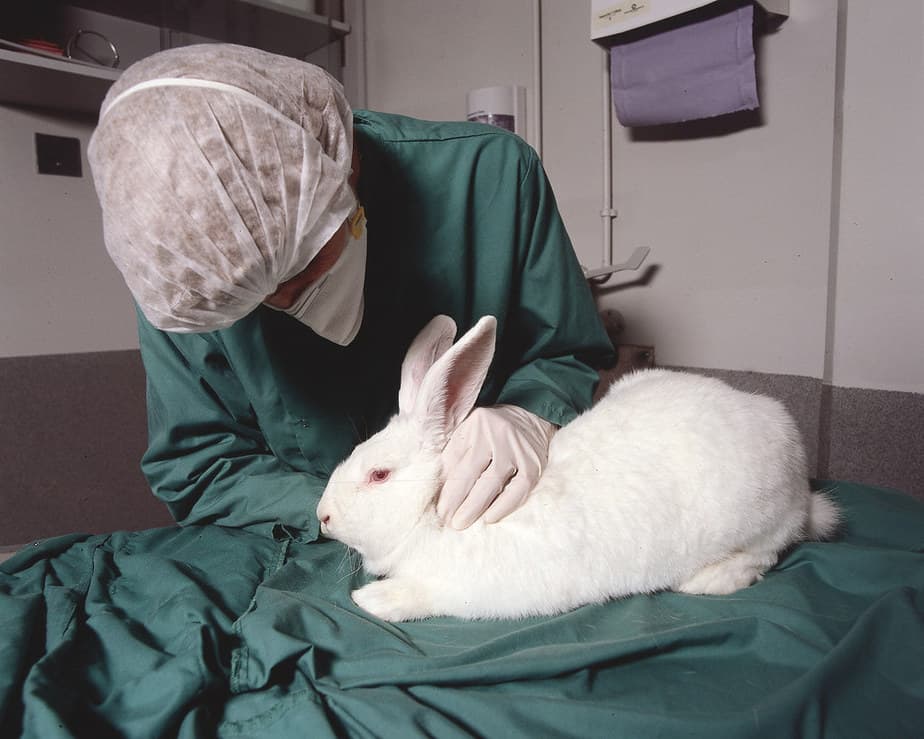
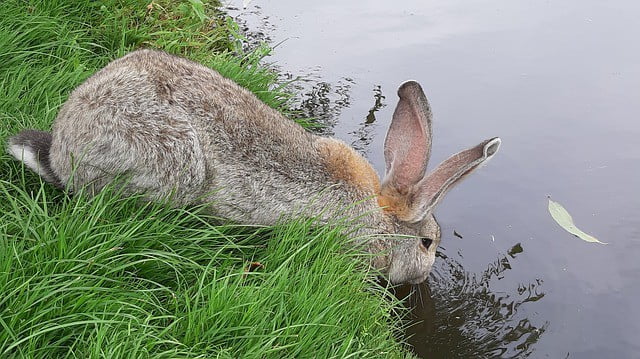
Rabbits should never go more than 12 hours without food. Unlike dogs and cats that can skip a meal without serious consequences, a rabbit's digestive system requires constant fiber intake to keep functioning. When a rabbit stops eating for longer than 12 hours, the gut begins to slow down, pH levels shift, and a life-threatening condition called gastrointestinal (GI) stasis can develop rapidly. Understanding how long a rabbit can go without food is one of the most critical pieces of knowledge any rabbit owner can have.
Why Can't Rabbits Go Long Without Food?
Rabbits are hindgut fermenters, meaning they rely on a specialized cecum to break down fibrous plant material through bacterial fermentation. This process requires a constant flow of food to maintain the right balance of gut bacteria. When food stops moving through the system, harmful bacteria begin to multiply, producing painful gas that further discourages eating.
The rabbit's digestive tract is designed for near-continuous grazing. In the wild, rabbits spend 6 to 8 hours each day eating, primarily grass and leafy vegetation. Their bodies evolved to process large quantities of low-calorie, high-fiber food throughout the day. This is why unlimited timothy hay should always be available to your rabbit.
A rabbit's stomach should never be completely empty. The smooth muscle contractions (peristalsis) that move food through the gut depend on the presence of fiber. Without incoming fiber, these contractions weaken and eventually stop, creating a dangerous cascade of digestive failure.
What Is GI Stasis and Why Is It So Dangerous?
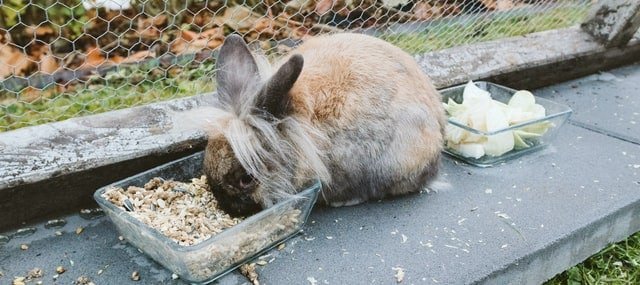
Gastrointestinal stasis, commonly called GI stasis, is the slowing or complete stopping of food movement through a rabbit's digestive tract. This condition is the leading cause of emergency veterinary visits for rabbits and can become fatal within 24 to 48 hours if left untreated.
Here is how GI stasis develops:
- Food intake stops for more than 12 hours due to stress, pain, dental problems, or an inadequate diet.
- Gut motility decreases as the smooth muscles of the intestines slow their contractions without fiber to push through.
- pH levels shift in the cecum, creating an environment where harmful gas-producing bacteria thrive.
- Painful gas builds up, causing the rabbit to feel bloated and uncomfortable.
- The rabbit stops eating entirely because of the pain, creating a vicious cycle.
- The liver becomes stressed as the rabbit's body begins breaking down fat stores for energy, which can lead to hepatic lipidosis (fatty liver disease).
- Organ failure occurs if the condition is not treated, leading to death.
GI stasis can progress from the first missed meal to a life-threatening emergency in as little as 24 hours. In young rabbits under 12 weeks old, the timeline can be even shorter because their digestive systems are less developed and more vulnerable to disruption.
How Long Can a Rabbit Go Without Food Before Dying?
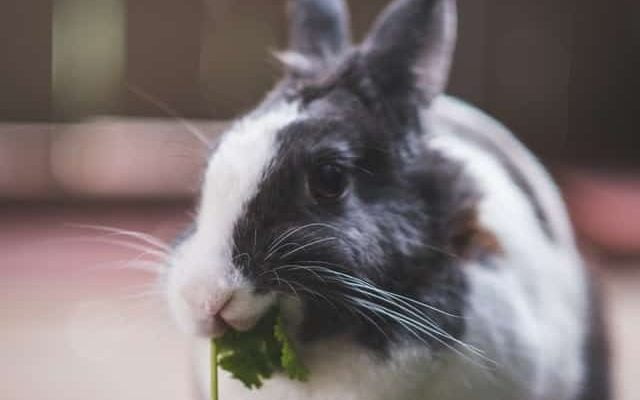
While there is no exact hour at which a rabbit will die from not eating, the 12-hour mark is the critical threshold where serious health complications begin. Most veterinarians agree that 24 hours without food puts a rabbit at significant risk of GI stasis, and 48 hours or more without food is a genuine life-threatening emergency.
Several factors influence how quickly a rabbit's condition deteriorates without food:
| Factor | Higher Risk | Lower Risk |
|---|---|---|
| Age | Under 12 weeks or over 6 years | 1 to 5 years old |
| Body condition | Overweight or underweight | Healthy weight |
| Hydration | Dehydrated | Well hydrated |
| Diet before fasting | Low-fiber, high-carb diet | High-fiber hay-based diet |
| Overall health | Pre-existing conditions | No known health issues |
| Stress level | High stress (new environment, loud noises) | Calm, familiar surroundings |
Overweight rabbits face an additional risk because their bodies mobilize fat stores quickly when food intake stops. This rapid fat breakdown overwhelms the liver and can cause hepatic lipidosis, a condition that is difficult to reverse even with veterinary treatment.
Young rabbits are particularly vulnerable. A baby rabbit that stops eating may deteriorate within just a few hours. If you have a young rabbit that refuses food, treat it as an immediate emergency and contact your veterinarian right away.
Can Rabbits Go a Day Without Food?
No. A full 24 hours without food is dangerous for any rabbit. Even if your rabbit appears otherwise normal after a day without eating, internal damage to the gut flora may already be underway. The harmful bacteria that cause gas and bloating can multiply significantly in that time frame, setting up the conditions for full GI stasis.
Some rabbit owners mistakenly think that because wild rabbits experience food scarcity, domestic rabbits can handle a day without eating. This is not accurate. Wild rabbits rarely go without food entirely. They are skilled foragers who eat throughout the day and night, consuming bark, roots, and dried grasses even in winter when fresh vegetation is scarce.
Domestic rabbits, especially breeds raised for companionship, have been selectively bred for generations and lack the survival adaptations of their wild counterparts. Their digestive systems expect and require a constant food supply, particularly a consistent daily food intake of hay, pellets, and fresh vegetables.
What Are the Warning Signs That Your Rabbit Has Stopped Eating?
Recognizing early signs that your rabbit has stopped eating or reduced their food intake can be the difference between a quick recovery and a life-threatening emergency. Watch for these warning signs:
Early Warning Signs (First 6 to 12 Hours)
- Reduced appetite: Your rabbit nibbles at food but does not eat with their usual enthusiasm.
- Smaller droppings: Fecal pellets become noticeably smaller or fewer in number. Monitor your rabbit's litter box closely, as changes in pooping habits are one of the earliest indicators of digestive trouble.
- Quieter than usual: Your rabbit may sit hunched in one spot instead of moving around.
- Teeth grinding: Soft grinding sounds can indicate discomfort or pain.
Moderate Warning Signs (12 to 24 Hours)
- Complete refusal of food: Your rabbit turns away from all food, including favorite treats.
- No droppings: A complete absence of fecal pellets for several hours.
- Bloated belly: The abdomen feels tight or swollen when gently touched.
- Hunched posture: Your rabbit presses their belly to the ground, trying to relieve abdominal pressure.
- Decreased water intake: Not drinking can accelerate dehydration and worsen the condition. Learn more about the dangers of water deprivation in rabbits.
Emergency Signs (24+ Hours)
- Lethargy: Your rabbit barely moves and shows no interest in their surroundings.
- Cold ears: This can indicate poor circulation and a drop in body temperature.
- Labored breathing: Rapid or shallow breathing suggests severe pain or organ stress.
- No response to handling: A rabbit that does not react when picked up is critically ill.
If your rabbit shows any of the emergency signs, do not wait. Get them to a rabbit-savvy veterinarian immediately.
What to Do If Your Rabbit Stops Eating
A rabbit that has stopped eating needs attention right away. Here is a step-by-step guide for what to do:
- Remove all treats and pellets. Offer only fresh, high-quality timothy hay or orchard grass. Sometimes rabbits stop eating pellets because of a brand change or stale food, but they will usually still eat hay even when refusing pellets.
- Offer fresh herbs. Cilantro, parsley, basil, and mint are strongly aromatic and can stimulate a rabbit's appetite. Place small amounts directly in front of your rabbit's nose.
- Check hydration. Gently pinch the skin on the back of your rabbit's neck. If it snaps back immediately, hydration is adequate. If it stays tented for more than a second, your rabbit is dehydrated and needs fluids.
- Encourage movement. Gentle exercise helps stimulate gut motility. Let your rabbit out of their enclosure to hop around in a safe, supervised space.
- Gently massage the belly. With your rabbit on your lap, use slow, circular motions on their abdomen. This can help move gas through the gut. Stop immediately if your rabbit shows signs of pain.
- Monitor droppings. Check for any fecal output over the next few hours. Even one or two small droppings is a positive sign.
- Contact your veterinarian. If your rabbit has not eaten anything within 12 hours, call your vet. Do not wait to see if things improve on their own.
What Your Veterinarian Will Do
A veterinarian treating a rabbit with GI stasis typically follows this protocol:
- Physical examination: Palpating the abdomen to check for gas, blockage, or masses.
- X-rays: To visualize the gut contents and identify gas pockets or obstructions.
- Fluid therapy: Subcutaneous or intravenous fluids to combat dehydration and soften gut contents.
- Gut motility drugs: Medications like metoclopramide or cisapride to restart gut contractions.
- Pain management: Analgesics such as meloxicam to relieve abdominal discomfort.
- Syringe feeding: Critical Care or a similar recovery formula given by syringe to provide fiber and nutrition.
- Simethicone: To help break up gas bubbles in the digestive tract.
According to the House Rabbit Society, early intervention is the single most important factor in surviving GI stasis. Rabbits treated within the first 12 to 24 hours have a much higher survival rate than those brought in after 48 hours or more.
Common Reasons Why Rabbits Stop Eating
Understanding why a rabbit might stop eating helps you prevent the problem before it starts. The most common causes include:
Dental Problems
Rabbit teeth grow continuously at a rate of about 2 to 3 millimeters per week. When teeth become misaligned (malocclusion) or develop sharp spurs, eating becomes painful. Regular dental checks and providing unlimited hay for natural tooth grinding are essential for prevention.
Stress
Rabbits are prey animals that respond strongly to environmental stress. Moving to a new home, introducing a new pet, loud construction noise, or even rearranging furniture can cause a rabbit to stop eating temporarily. Always introduce changes gradually and provide hiding spots where your rabbit can feel secure.
Pain or Illness
Rabbits instinctively hide pain and illness as a survival mechanism. A decrease in appetite is often the first observable sign that something is wrong. Urinary tract infections, respiratory infections, and internal parasites can all cause a rabbit to stop eating.
Inadequate Diet
A diet too low in fiber or too high in carbohydrates disrupts the balance of gut bacteria. Rabbits that eat mostly pellets and treats without enough hay are at higher risk of GI stasis. The ideal diet consists of 80% hay, 15% fresh vegetables, and only 5% pellets. Knowing how much hay your rabbit needs is fundamental to preventing digestive emergencies.
Dehydration
Water is essential for keeping gut contents moving. A dehydrated rabbit is far more likely to develop GI stasis because the intestinal contents become dry and impacted. Ensure your rabbit always has access to fresh, clean water in both a bottle and a bowl.
Post-Surgery Recovery
Anesthesia and pain from surgery commonly suppress appetite in rabbits. This is particularly common after spaying or neutering. Veterinarians typically prescribe pain medication and may recommend syringe feeding to keep the gut moving during recovery.
How to Prevent Your Rabbit from Going Without Food
Prevention is always better than emergency treatment. Follow these practical guidelines to make sure your rabbit never goes without food long enough to develop health problems:
- Provide unlimited hay 24/7. Timothy hay, orchard grass, or oat hay should be available at all times in quantities larger than your rabbit's body size. Refill the hay rack morning and evening.
- Feed on a consistent schedule. Offer fresh vegetables and a measured portion of pellets at the same times each day. Consistency helps you quickly notice when your rabbit's appetite changes.
- Monitor daily food and water intake. Know how much your rabbit normally eats. If hay consumption drops noticeably, investigate immediately.
- Count droppings. A healthy adult rabbit produces 200 to 300 fecal pellets per day. A significant drop in output is an early warning sign of slowed gut motility.
- Arrange pet sitters carefully. When traveling, make sure your pet sitter understands that rabbits cannot miss meals. Leave detailed feeding instructions and emergency vet contact information.
- Keep a rabbit first aid kit. Stock simethicone drops (infant gas drops), Critical Care recovery food, and syringes for emergency feeding. These supplies can buy you time while getting to the vet.
- Schedule regular vet checkups. Annual dental exams and health screenings help catch problems before they become emergencies. Find a veterinarian who specializes in exotic animals or rabbits specifically.
Special Considerations for Baby Rabbits
Baby rabbits (kits) have even more sensitive digestive systems than adults. Kits under 8 weeks old are still transitioning from their mother's milk to solid food, and any disruption to this process can be fatal.
Key points for baby rabbits:
- Kits under 3 weeks old rely entirely on their mother's milk, which they receive only once or twice per day.
- Between 3 and 7 weeks, kits begin nibbling on hay and their mother's cecotropes to establish healthy gut bacteria.
- Weaning typically occurs between 6 and 8 weeks of age. Never wean a kit earlier than 6 weeks.
- After weaning, provide unlimited alfalfa hay (not timothy) until the rabbit reaches 7 months of age. Alfalfa provides the extra protein and calcium growing rabbits need.
- Any baby rabbit that stops eating for more than a few hours should be seen by a veterinarian immediately.
Frequently Asked Questions
Can a rabbit survive 24 hours without food?
While a rabbit may physically survive 24 hours without food, it is never safe. After just 12 hours without eating, harmful changes begin occurring in the gut. Gas-producing bacteria multiply, pH levels shift, and the risk of GI stasis increases significantly. Always treat a full day without food as a medical emergency.
What happens if I forget to feed my rabbit for one night?
If your rabbit has access to hay and water, missing one pellet or vegetable feeding is unlikely to cause harm. However, if your rabbit has no food at all for an entire night (8 to 10 hours), gut motility may begin to slow. Always leave a generous supply of hay available before bed to prevent any gap in feeding.
Can I leave my rabbit alone for a weekend with extra food?
Leaving a rabbit alone for an entire weekend is risky even with extra food. Hay can become stale or contaminated, water bottles can malfunction, and you would not be able to monitor your rabbit's eating and droppings. Arrange for a pet sitter to check on your rabbit at least once daily.
How do I know if my rabbit has GI stasis?
The most common signs of GI stasis include a complete refusal to eat, no fecal droppings for several hours, a bloated or tight-feeling abdomen, hunched posture, and teeth grinding. If your rabbit shows any combination of these symptoms, contact a rabbit-savvy veterinarian immediately for treatment.
Is it normal for a rabbit to skip a meal occasionally?
No. Healthy rabbits are consistent eaters. A rabbit that skips even one meal is telling you something is wrong. Check for dental issues, stress, temperature changes in the environment, or changes in food brand or freshness. If no obvious cause is found, consult your veterinarian.
Cite this article:
Cite this article:
BunnySync (February 27, 2026) How Long Can a Rabbit Go Without Food? Emergency Signs and Prevention. Retrieved from https://bunnysync.com/blog/how-long-can-a-rabbit-go-without-food.
"How Long Can a Rabbit Go Without Food? Emergency Signs and Prevention." BunnySync - February 27, 2026, https://bunnysync.com/blog/how-long-can-a-rabbit-go-without-food
Sources and further reading
- Buseth, Marit Emilie., and Richard A. Saunders. Rabbit Behaviour, Health, and Care. CABI, 2014.
- Lebas, F. The Rabbit: Husbandry, Health, and Production. Food and Agriculture Organization of the United Nations, 1997.
- Patry, Karen, et al. The Rabbit-Raising Problem Solver: Your Questions Answered about Housing, Feeding, Behavior, Health Care, Breeding, and Kindling. Storey Publishing, 2014.
- Oglesbee, Barbara L. Blackwell's Five-Minute Veterinary Consult: Small Mammal. Wiley-Blackwell, 2011.