Yes, rabbits can die from loud noises. While it is not common, there are well-documented cases of pet rabbits dying after being exposed to fireworks, gunshots, thunderstorms, and other sudden, intense sounds. The most likely cause of death is cardiac arrest triggered by extreme fright. Rabbits are prey animals with highly sensitive hearing and a strong fight-or-flight response, which makes them especially vulnerable to noise-induced stress and shock.
If you live in an area where fireworks, construction, or other loud events are common, understanding how noise affects your rabbit and knowing the right prevention steps can genuinely save your rabbit's life.
How Can Loud Noises Kill a Rabbit?
Rabbits have an extremely sensitive cardiovascular system that is closely tied to their stress response. When a rabbit hears a sudden, loud, or unfamiliar noise, its body triggers a massive adrenaline surge. This causes a rapid spike in heart rate and blood pressure. A rabbit's resting heart rate already sits between 130 and 325 beats per minute. Under extreme fright, this rate can surge even higher, pushing the cardiovascular system past its limits.
The primary ways loud noises can lead to death in rabbits include:
- Cardiac arrest. The most immediate and fatal outcome. A massive adrenaline dump causes the heart to beat so fast and irregularly that it simply stops. This is the same mechanism that kills wild rabbits moments after being caught by a predator.
- Stroke. Dangerously elevated blood pressure can cause a blood vessel in the brain to rupture. In one BBC-reported case, a veterinarian concluded that one of five rabbits killed during a fireworks display likely died from a stroke.
- Shock and organ failure. Even if the initial fright does not kill the rabbit instantly, the sustained stress can send the body into a state of clinical shock. Blood flow to vital organs decreases, body temperature drops, and without veterinary intervention, the rabbit can die within hours.
- GI stasis from prolonged stress. A traumatized rabbit may stop eating entirely. Since a rabbit's digestive system depends on constant fiber intake, even 12 to 24 hours without food can trigger gastrointestinal stasis, a potentially fatal condition where the gut slows down or stops completely.
Why Are Rabbits More Vulnerable Than Other Pets?
Dogs and cats can also be frightened by loud noises, but they rarely die from the experience. Rabbits are different for several biological reasons:
| Factor | Rabbits | Dogs/Cats |
|---|---|---|
| Hearing range | 360 Hz to 42,000 Hz | 67 Hz to 45,000 Hz (dogs) |
| Resting heart rate | 130 to 325 bpm | 60 to 140 bpm (dogs) |
| Prey/predator status | Prey animal | Predator |
| Stress response | Extreme: freeze, flee, or cardiac arrest | Moderate: hide, bark, pace |
| Ability to vocalize distress | Rarely vocal, hides pain | Barks, whines, meows |
Rabbits evolved to detect predators through sound. Their large, independently rotating ears are designed to pick up the faintest rustle in the grass. This same evolutionary advantage becomes a liability in a domestic setting where sudden explosions, bangs, or booms are magnified in their perception far beyond what we experience.
What Types of Loud Noises Are Most Dangerous?
Not all loud sounds carry the same risk. The most dangerous noises share two characteristics: they are sudden and unpredictable. Here are the most common culprits ranked by risk:
- Fireworks. By far the most documented killer. Multiple reports from rabbit owners describe their rabbits dying during or shortly after fireworks displays. The combination of repeated, unpredictable explosions over an extended period creates sustained, escalating terror.
- Gunshots. Especially dangerous in rural areas during hunting season. A single nearby gunshot can trigger cardiac arrest in a sensitive rabbit.
- Thunderstorms. The combination of thunder, lightning flashes, and changes in barometric pressure creates a multi-sensory assault. Most healthy rabbits survive thunderstorms, but elderly or heart-compromised rabbits are at higher risk.
- Construction and heavy machinery. Jackhammers, pile drivers, and demolition work produce sustained, intense vibrations and noise. The prolonged nature of construction noise can cause chronic stress even if it does not trigger immediate cardiac arrest.
- Barking dogs. A large dog barking aggressively near a rabbit's enclosure mimics a predator attack. While a single bark is unlikely to be fatal, prolonged, aggressive barking can push a stressed rabbit over the edge.
- Slamming doors and dropped objects. These household sounds are sudden and sharp. They rarely cause death on their own, but they can worsen existing stress or startle a rabbit that is already on edge from other noise sources.
How to Tell If Your Rabbit Is Scared of Loud Noises
Rabbits are masters at hiding fear and pain. As prey animals, showing weakness in the wild means attracting predators. This instinct makes it critical for owners to recognize the subtle and not-so-subtle signs of noise-induced distress. Knowing how to tell if your rabbit is stressed can help you intervene before things escalate.
Immediate Signs of Fear
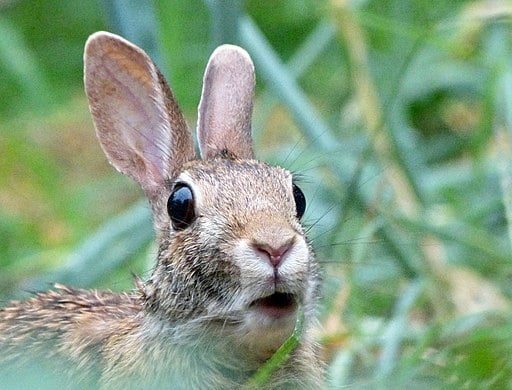
- Freezing in place. The rabbit stops moving entirely, with wide eyes and flattened ears. This is the "freeze" part of the fight-or-flight response. The rabbit is assessing whether to flee or stay hidden.
- Bolting and running erratically. If the rabbit chooses flight, it will sprint in unpredictable directions. In a cage, this can lead to injuries from crashing into walls or wire.
- Thumping hind legs. Rabbits thump their feet to warn other rabbits of danger. Repeated, forceful thumping during a loud event signals high anxiety.
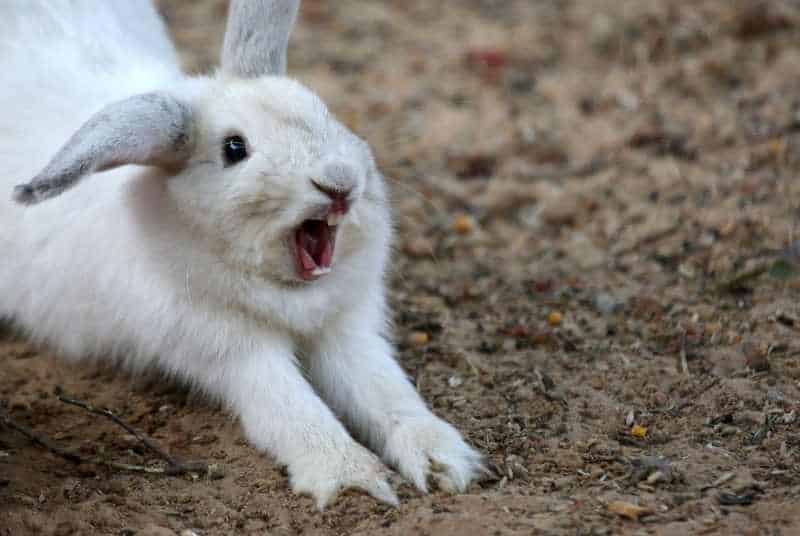
- Screaming or squealing. A rabbit scream is one of the most alarming sounds a rabbit can make. It indicates extreme terror or pain and should be treated as a medical emergency.
- Hiding or burrowing. The rabbit seeks the darkest, most enclosed space it can find. This is a natural coping mechanism and should not be discouraged.
Signs of Shock After a Loud Event
Even after the noise stops, your rabbit may still be in danger. Watch for these signs in the hours and days following a loud event:
- Uncontrollable shaking or trembling. A rabbit that is shaking and laying down after a loud noise event may be in shock. This can persist for hours.
- Cold ears and extremities. Poor circulation from shock causes the ears, which are normally warm, to feel cold to the touch.
- Rapid or labored breathing. Normal rabbit breathing is barely noticeable. If you can see the chest or sides heaving, the rabbit is in respiratory distress.
- Refusal to eat or drink. A rabbit that will not eat within 4 to 6 hours after a stressful event is at risk for GI stasis. This is a veterinary emergency.
- Dull, unfocused eyes. A rabbit in shock may have a glassy, distant look. It may not respond to its name, treats, or gentle touch.
- Limp or unresponsive body. If the rabbit is limp when picked up or does not resist handling (which rabbits normally do), seek emergency veterinary care immediately.
How to Protect Your Rabbit From Loud Noises
Prevention is everything. You cannot control the noise, but you can control your rabbit's environment and exposure. Here is a step-by-step approach to keeping your rabbit safe during loud events.
1. Move Your Rabbit Indoors
If your rabbit lives outdoors, bring it inside during any anticipated loud event. An indoor room with closed windows and doors reduces noise levels by 20 to 30 decibels compared to an outdoor hutch. Even a garage or basement is better than leaving a rabbit exposed in the garden.
2. Create a Sound Buffer
Layer your noise reduction for maximum effect:
- Close all windows and draw heavy curtains or blinds.
- Hang thick blankets over windows for additional sound dampening.
- Play calming background noise: classical music, white noise machines, or a TV at moderate volume. The goal is to create a consistent sound baseline that masks the sharp, sudden bangs.
- Move the rabbit's enclosure to the most interior room in your home, away from exterior walls and windows.
3. Let Your Rabbit Free Roam
This is one of the most important steps. A rabbit that is confined in a small cage during a loud event feels trapped with no escape route. This dramatically increases panic and the risk of cardiac arrest.
If your rabbit normally lives in a cage or pen, open it up so the rabbit can choose where to go. Let it find its own hiding spot. Many rabbits will wedge themselves under furniture, behind curtains, or in closets. Do not force the rabbit out of its chosen hiding place.
4. Provide Extra Hiding Spots
Set up cardboard boxes with entrance holes, tunnels, or covered areas where your rabbit can retreat. Having multiple options gives the rabbit a sense of control over its environment, which reduces stress.
5. Stay Calm and Present
Your rabbit picks up on your emotional state. If you are anxious or rushing around, the rabbit's stress will increase. Sit near your rabbit, speak in a low, calm voice, and offer treats. Do not force interaction. Let the rabbit come to you if it wants comfort. Knowing how to calm down a scared rabbit is essential during these moments.
6. Plan Ahead for Predictable Events
Fireworks holidays (New Year's Eve, 4th of July, Guy Fawkes Night, Diwali) are predictable. Start preparing 24 hours in advance:
- Move the rabbit indoors the day before.
- Set up the sound buffer and hiding spots early so the rabbit can acclimate.
- Feed a normal meal a few hours before the event to ensure the gut is active.
- Consider asking your veterinarian about mild, rabbit-safe sedatives for rabbits with a history of extreme noise anxiety.
7. Secure the Environment
A panicking rabbit can injure itself. Before the event:
- Block gaps behind furniture where a rabbit could get stuck.
- Remove or cover electrical cords that a stressed rabbit might chew.
- Ensure there are no sharp edges or objects the rabbit could crash into during a panicked sprint.
- If other pets (especially dogs) are in the home, separate them from the rabbit to avoid compounding the stress.
How Long Can a Rabbit Survive After Being Frightened by Loud Noises?
The timeline depends on the cause of death and the rabbit's overall health.
| Cause | Timeline | Reversible? |
|---|---|---|
| Cardiac arrest | Seconds to minutes | No |
| Stroke | Minutes to hours | Rarely |
| Clinical shock | Hours (6 to 24) | Yes, with veterinary care |
| GI stasis from stress | 24 to 72 hours | Yes, with treatment |
| Chronic stress complications | Days to weeks | Yes, if stress is removed |
There are reports of rabbits dying within 12 hours of being terrified by fireworks, likely from cardiac arrest or stroke. Other rabbits survive the initial event but deteriorate over the following days due to stress-related complications like GI stasis or organ failure from prolonged shock.
Which Rabbits Are Most at Risk?
Certain rabbits are more vulnerable to noise-induced death than others:
- Elderly rabbits (7+ years). Older rabbits often have underlying heart conditions that make them less able to handle cardiovascular stress.
- Rabbits with pre-existing heart disease. Conditions like dilated cardiomyopathy or heart murmurs significantly increase the risk of cardiac arrest during a fright event.
- Unspayed females. Hormonal fluctuations can affect cardiovascular stability.
- Rabbits with a history of anxiety or trauma. A rabbit that has previously been severely frightened is more likely to have an exaggerated response to future events.
- Dwarf and small breeds. Smaller rabbits tend to have faster resting heart rates, leaving less margin before reaching dangerous levels.
When to Take Your Rabbit to the Vet

Seek emergency veterinary care if your rabbit shows any of these signs during or after a loud noise event:
- Screaming or continuous squealing
- Collapse or inability to stand
- Rapid, open-mouth breathing
- Cold ears and body
- Complete unresponsiveness
- Refusal to eat for more than 4 to 6 hours
- No fecal pellets for more than 12 hours
Even if your rabbit appears to recover after a loud event, monitor it closely for the next 48 to 72 hours. Some complications, particularly GI stasis and delayed shock, do not become apparent immediately. If you notice any changes in eating habits, energy levels, or droppings, contact a rabbit-savvy veterinarian right away.
Can Rabbits Get Used to Loud Noises?
To a limited degree, yes. Rabbits that grow up in busier households with moderate background noise (TV, music, conversation) tend to be less reactive to sudden sounds than rabbits raised in very quiet environments. However, this tolerance has limits.
No amount of gradual exposure will make a rabbit comfortable with fireworks-level noise. The sound intensity and unpredictability of explosions overwhelm the rabbit's stress response regardless of prior conditioning. Desensitization works for moderate everyday sounds (vacuum cleaners, doorbells) but not for extreme noise events.
If you want to help your rabbit build resilience to household sounds, start early and increase volume gradually over weeks. Play recorded sounds at low volume during positive experiences like feeding time, and slowly raise the volume as the rabbit shows comfort.
Frequently Asked Questions
Can a single loud bang kill a rabbit instantly?
Yes, a single extremely loud sound like a nearby firework explosion or gunshot can trigger fatal cardiac arrest in a rabbit within seconds. This is most likely in elderly rabbits, those with pre-existing heart conditions, or rabbits that are already in a heightened state of stress.
Are indoor rabbits safer from loud noises than outdoor rabbits?
Indoor rabbits are significantly safer because walls, windows, and insulation reduce noise levels by 20 to 30 decibels. Outdoor rabbits are fully exposed to the sound and also feel vibrations through the ground, which adds to their distress. Always bring outdoor rabbits inside during fireworks or storms.
Should I cover my rabbit's cage during fireworks?
Covering the cage with a breathable blanket can help reduce visual stimulation from flashing lights, but it does not significantly block sound. A better approach is to move the cage to an interior room, play background noise, and ideally let the rabbit free roam so it does not feel trapped.
Can I give my rabbit medication to calm it during loud events?
Some veterinarians prescribe mild sedatives like midazolam or gabapentin for rabbits with severe noise anxiety. Never give your rabbit any medication without veterinary guidance, as many human and dog calming products are toxic to rabbits. Consult your vet well before the anticipated event.
How long does it take for a rabbit to recover from noise-related stress?
A mildly frightened rabbit may recover within a few hours. A rabbit that experienced severe fright or shock can take 48 to 72 hours to fully recover, and some rabbits may show behavioral changes (increased skittishness, hiding, reduced appetite) for a week or more. Provide a calm, quiet environment and monitor eating and droppings closely during recovery.
Cite this article:
Cite this article:
BunnySync (March 10, 2026) Can Rabbits Die From Loud Noises?. Retrieved from https://bunnysync.com/blog/can-rabbits-die-from-loud-noises.
"Can Rabbits Die From Loud Noises?." BunnySync - March 10, 2026, https://bunnysync.com/blog/can-rabbits-die-from-loud-noises