Yes, in most cases you should get a second rabbit. Rabbits are naturally social animals that live in large groups in the wild, and they thrive when they have a bonded companion. A second rabbit provides constant companionship, reduces stress, and can prevent behavioral problems like depression and destructive chewing. That said, adding a second rabbit also means more cost, more cleanup, and a bonding process that requires patience.
Whether a second rabbit is right for you depends on your budget, living space, and how much time you currently spend with your existing rabbit. This guide covers everything you need to know before making that decision, from the best gender pairings to the real costs involved.
Why Do Rabbits Need Companionship?
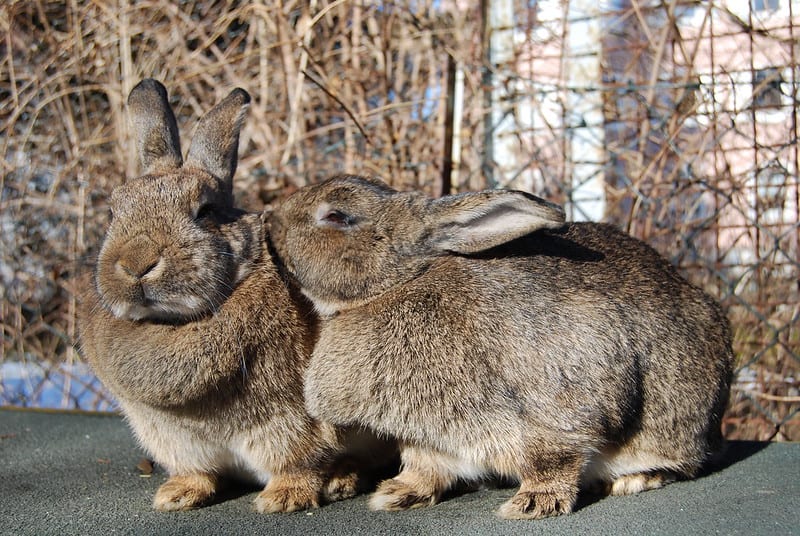
Wild European rabbits, the ancestors of all domestic breeds, live in colonies of 10 to 20 individuals. They spend hours grooming each other, sleeping side by side, and foraging together. This deep social wiring does not disappear just because a rabbit lives indoors.
When a domestic rabbit has no rabbit companion, they rely entirely on their owner for social interaction. For some owners who work from home and spend several hours a day interacting with their pet, this can work. But for most people with jobs, school, or other commitments, there are long stretches of the day where the rabbit sits alone.
A rabbit left alone for 8 to 10 hours daily is at higher risk of developing signs of depression, including loss of appetite, lethargy, and over-grooming. In severe cases, a depressed rabbit can stop eating entirely, which may trigger gastrointestinal stasis, a potentially fatal condition where the digestive tract slows down or stops.
According to the Rabbit Welfare Association & Fund (RWAF), rabbits should ideally be kept in neutered pairs. Their position is based on decades of behavioral research showing that paired rabbits are calmer, more confident, and less prone to stress-related illness.
What Are the Benefits of Having Two Rabbits?
The advantages of keeping a bonded pair go beyond just preventing loneliness. Here are the specific benefits experienced breeders and veterinarians consistently observe:
- Reduced stress and anxiety. Bonded rabbits groom each other, which releases calming hormones. You will notice fewer stress behaviors like cage biting, thumping, and excessive digging.
- Better eating habits. Rabbits are more likely to eat consistently when they have a companion. Competitive feeding instincts encourage healthy appetites.
- More exercise. Two rabbits chase each other, binky together, and stay physically active. A single rabbit in a cage often becomes sedentary.
- Emotional security. Rabbits feel safer in pairs. A bonded rabbit is less likely to be startled by everyday household noises and activities.
- Easier to leave for short trips. With a bonded pair, you can leave your rabbits for a weekend (with adequate food, hay, and water) without the same guilt or worry about loneliness.
- Warmth sharing. In cooler environments, bonded rabbits huddle together to share body heat, which reduces cold-weather stress.
What Are the Benefits of Keeping Just One Rabbit?
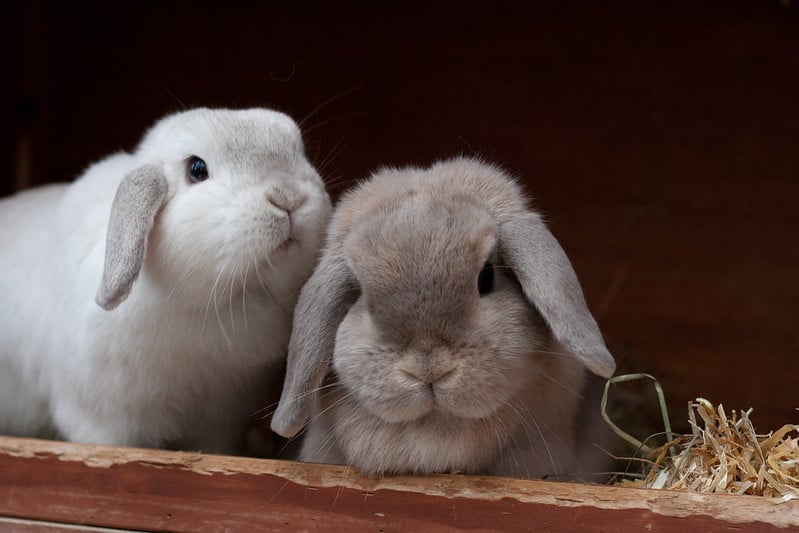
A single rabbit is not automatically an unhappy rabbit. Some situations genuinely favor keeping one rabbit, and many solo rabbit owners have perfectly healthy, well-adjusted pets.
- Lower cost. Food, hay, litter, and veterinary expenses are roughly half of what you would spend on two rabbits. A single rabbit costs approximately $50 to $80 per month for basics, while two rabbits can run $100 to $160.
- Less cleanup. Rabbits produce 200 to 300 fecal pellets per day. Double that with two rabbits, and litter box maintenance becomes a daily chore instead of every other day.
- Stronger human bond. A single rabbit often forms a deeper attachment to their owner because you are their only social outlet. Solo rabbits tend to be more interactive and responsive during playtime.
- No bonding failure risk. Not all rabbits bond successfully. A failed bonding attempt means housing two separate rabbits in two separate spaces, which doubles your work without any of the companionship benefits.
- Less space needed. A bonded pair needs a minimum enclosure of 12 square feet, plus a larger exercise area. A single rabbit can manage with a slightly smaller setup.
If you work from home, are retired, or spend significant daily time with your rabbit (2 or more hours of direct interaction), a single rabbit can live a perfectly content life. Just watch for signs of stress and be honest with yourself about whether your rabbit is truly getting enough social stimulation.
Do Rabbits Get Lonely Without Another Rabbit?
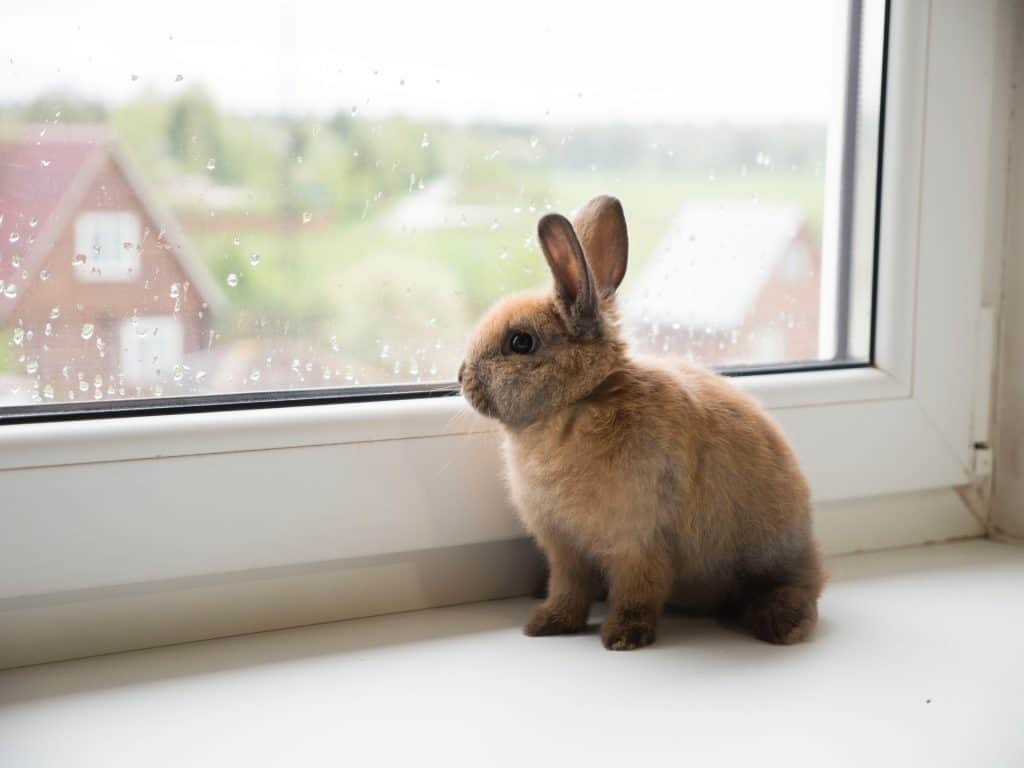
Yes, rabbits can and do get lonely. Their social needs are hardwired from thousands of years of communal living. A rabbit that sits motionless in the corner of their cage, has stopped eating their favorite treats, or refuses to come out during free-roam time may be experiencing loneliness.
Common signs of a lonely rabbit include:
- Decreased appetite or refusing favorite foods
- Over-grooming that leads to bald patches
- Destructive behavior like chewing cage bars or digging at carpet
- Aggression toward the owner, including lunging or biting
- Lethargy and lack of interest in toys or exploration
- Excessive thumping or vocalizations
Research from the University of Edinburgh's Royal (Dick) School of Veterinary Studies found that rabbits housed alone showed significantly higher cortisol levels (a stress hormone) compared to those housed in bonded pairs. The study also noted that solo rabbits were more likely to develop repetitive behaviors like bar chewing.
That said, loneliness is not inevitable for solo rabbits. If you can commit to 3 or more hours of daily interaction, including floor time, grooming, and gentle handling, many rabbits adapt well to being the only rabbit in the household. The key is consistency. A rabbit that gets 4 hours of attention on weekends but is ignored on weekdays will still develop loneliness-related problems.
If your rabbit is showing signs of loneliness and you cannot increase your interaction time, getting a second rabbit becomes less of a luxury and more of a welfare necessity.
What Is the Best Gender Pairing for Two Rabbits?
Gender pairing is one of the most important decisions when adding a second rabbit. The wrong combination can lead to fighting, injuries, and a stressful experience for both rabbits and owner.
Male and Female (Best Pairing)
A neutered male and spayed female is the gold standard pairing recommended by virtually every rabbit welfare organization. This combination has the highest bonding success rate because it mirrors the natural social hierarchy rabbits form in the wild.
The female typically takes the dominant role, and the neutered male is usually content to follow her lead. This natural dynamic reduces territorial disputes and speeds up the bonding process. Most male-female pairs bond within 2 to 4 weeks when introduced properly.
Both rabbits must be fixed before introduction. An intact male and female will breed within minutes of meeting, and rabbits can become pregnant again immediately after giving birth.
Two Females
Two spayed females are the second-best pairing option. Unspayed does are highly territorial and hormonal, especially during breeding season, and will almost certainly fight. After spaying, however, female pairs can bond successfully, though it often takes longer than a male-female pair, typically 4 to 8 weeks.
Female-female pairs work best when the rabbits have contrasting personalities. One confident, outgoing doe paired with a calmer, more submissive doe reduces dominance conflicts.
Two Males
Two neutered males are the most challenging combination. Even after neutering, male rabbits can retain territorial instincts that lead to scuffles. Successful male-male pairings do happen, but they require more patience, slower introductions, and careful monitoring.
If you choose this pairing, neuter both bucks at least 6 to 8 weeks before attempting introductions. Testosterone takes 4 to 6 weeks to fully leave the system after surgery, and attempting bonding before then is setting yourself up for failure.
How Do You Bond Two Rabbits?

Bonding is the process of introducing two rabbits so they form a trusting, affectionate relationship. Rushing this process is the number one mistake new multi-rabbit owners make. Here is a step-by-step approach that experienced breeders recommend:
- Start with side-by-side housing. Place the two rabbits in separate enclosures next to each other so they can see, smell, and hear one another without physical contact. Keep this arrangement for 1 to 2 weeks.
- Swap scents. Switch litter boxes, blankets, or toys between the two enclosures every few days. This allows each rabbit to become familiar with the other's scent in a non-threatening way.
- Neutral territory introductions. Choose a space neither rabbit has claimed, like a bathroom, hallway, or a playpen set up in a new room. Never introduce a new rabbit into the existing rabbit's cage or territory.
- Keep sessions short. Start with 10 to 15 minute sessions and gradually increase the time. Have a towel or oven mitt ready to separate them if a fight breaks out.
- Watch for positive signs. Mutual grooming, lying down together, and ignoring each other are all positive signs. Nose-to-nose sniffing is neutral. Circling, mounting, and chasing are dominance behaviors that are normal in small doses but should be interrupted if they escalate.
- Move to shared housing. Once the rabbits can spend 2 or more hours together without any aggression, you can try housing them together full-time. Clean the enclosure thoroughly first so it smells neutral.
The entire bonding process can take anywhere from 1 week to 3 months. If your rabbits continue to fight after several weeks of careful introductions, consult a rabbit-savvy veterinarian or a local rabbit rescue for advice. Some pairings simply do not work, and forcing incompatible rabbits together causes chronic stress for both animals.
Can You Introduce a Baby Rabbit to an Older Rabbit?
Yes, introducing a baby rabbit to an older rabbit can work well, but timing and preparation matter. Baby rabbits under 10 weeks old are generally accepted more easily because they have not yet developed territorial instincts or hormonal behaviors.
The main challenge is that baby rabbits reach sexual maturity between 3 and 4 months old (sometimes earlier in smaller breeds). Once hormones kick in, a previously peaceful baby rabbit can suddenly become aggressive, territorial, or attempt to mount the older rabbit.
For this reason, schedule the baby rabbit's spay or neuter as soon as your veterinarian recommends it, typically around 4 to 6 months of age. Wait at least 4 weeks after surgery before attempting formal bonding.
Also consider the older rabbit's personality. A patient, laid-back senior rabbit will tolerate a hyperactive youngster much better than a grumpy, territorial adult. Baby rabbits have enormous energy and will pester, chase, and climb on their older companion constantly during the first few months.
How Much Does a Second Rabbit Really Cost?
Before committing to a second rabbit, plan your budget honestly. Here is a realistic breakdown of additional monthly and one-time costs:
| Expense | One-Time Cost | Monthly Cost |
|---|---|---|
| Adoption/Purchase | $25 to $75 (shelter) or $50 to $300+ (breeder) | N/A |
| Spay/Neuter Surgery | $150 to $400 | N/A |
| Second Enclosure (for bonding period) | $50 to $150 | N/A |
| Hay | N/A | $15 to $30 |
| Pellets | N/A | $8 to $15 |
| Fresh Vegetables | N/A | $15 to $25 |
| Litter | N/A | $10 to $20 |
| Veterinary Checkups | N/A | $10 to $25 (averaged) |
Expect to spend $275 to $925 in one-time costs and an additional $58 to $115 per month. Over a rabbit's 8 to 12 year lifespan, a second rabbit adds roughly $6,000 to $15,000 in total expenses. This does not include emergency veterinary visits, which can run $200 to $1,000 or more per incident.
If budget is a concern, consider adopting from a shelter. Many shelters offer already-bonded pairs, which saves you the bonding headache and often includes spay/neuter in the adoption fee.
When Should You NOT Get a Second Rabbit?
A second rabbit is not always the right answer. Here are situations where adding another rabbit would do more harm than good:
- Your current rabbit is aggressive or unaltered. An intact, hormonal rabbit should be spayed or neutered and given 6 to 8 weeks to recover before you even consider introductions.
- You cannot afford veterinary care for two rabbits. If you are already stretching your budget for one rabbit's hay and vet visits, doubling those expenses is irresponsible.
- Your living space is too small. Two rabbits need a minimum of 12 square feet of enclosure space plus a larger exercise area. If you are already cramped with one rabbit, adding another creates a stressful environment for both.
- Your rabbit is terminally ill or very elderly. Introducing a new rabbit to a sick or dying companion is stressful for the ill rabbit and can result in a newly single rabbit if the companion passes shortly after.
- You are getting a second rabbit to "fix" behavioral problems. Aggression, litter box issues, and destructive behavior are usually caused by lack of enrichment, hormones, or health problems. A second rabbit does not solve these issues and may make them worse.
Can Different Breeds of Rabbits Live Together?
Yes, different breeds can bond and live together successfully. Breed matters far less than individual personality, gender, and whether both rabbits are fixed.
The one consideration with mixed-breed pairings is size difference. A 10-pound Flemish Giant paired with a 3-pound Netherland Dwarf can work, but you need to monitor play sessions carefully. The larger rabbit can accidentally injure the smaller one during rough play or mounting.
Temperament differences between breeds are real but not dealbreakers. Holland Lops tend to be more laid-back, Rex rabbits are often curious and confident, and Mini Lops can be energetic and assertive. Pairing a calm breed with an active breed often works well because they naturally fall into complementary roles.
Is It Ever Too Late to Get a Second Rabbit?
No. Rabbits can form bonds at any age, provided they are healthy and fixed. Senior rabbits (7 years and older) sometimes bond even faster than younger rabbits because they have lower energy and less inclination to fight for dominance.
The best pairing for an older rabbit is usually a calm adult (2 to 5 years old) rather than a baby. Young rabbits are too energetic and can stress out seniors with constant pestering. A mellow adult who matches the older rabbit's energy level creates the most harmonious pairing.
If your older rabbit has recently lost a bonded partner, give them at least 2 to 4 weeks to grieve before introducing a new companion. Rabbits do mourn, and pushing a new relationship too quickly can lead to rejection and aggression.
Frequently Asked Questions
Can two male rabbits live together without fighting?
Yes, but both males must be neutered at least 6 to 8 weeks before introductions. Even then, male-male pairs require more patience during bonding than male-female pairs. Choose males with contrasting personalities: one dominant and one submissive. If both rabbits are dominant, fighting is almost guaranteed regardless of neutering.
How long does it take to bond two rabbits?
Most rabbits bond within 2 to 8 weeks when introduced properly on neutral territory. Male-female pairs tend to bond fastest (2 to 4 weeks), while same-sex pairs may take 4 to 8 weeks or longer. Some difficult pairings can take up to 3 months of gradual introductions.
Will my rabbit be jealous if I get a second rabbit?
Rabbits do not experience jealousy in the way humans do, but your existing rabbit may act territorial or possessive during the bonding period. This is normal dominance behavior, not jealousy. Once bonded, most rabbits actually become more relaxed and affectionate with their owners because their social needs are being met.
Should I get a rabbit from a shelter or a breeder?
Shelters are often the better choice when adding a second rabbit. Many shelters allow "speed dating" where you bring your rabbit in to meet potential companions, which greatly increases the chance of a successful bond. Shelter rabbits are usually already spayed or neutered, saving you $150 to $400 in surgery costs.
Can I keep two rabbits in the same cage immediately?
No. Never place two unbonded rabbits in the same enclosure. They need a gradual introduction process starting with separate housing, scent swapping, and supervised neutral-territory sessions. Forcing two strangers into the same cage almost always results in fighting and can cause serious injuries.
Cite this article:
Cite this article:
BunnySync (March 7, 2026) Should You Get a Second Rabbit? Complete Companion Guide for 2026. Retrieved from https://bunnysync.com/blog/should-i-get-a-second-rabbit.
"Should You Get a Second Rabbit? Complete Companion Guide for 2026." BunnySync - March 7, 2026, https://bunnysync.com/blog/should-i-get-a-second-rabbit