Depressed rabbits show clear behavioral changes including loss of appetite, overgrooming or neglecting grooming, lethargy, aggression, repetitive pacing, social withdrawal, and a tense hunched posture. If your rabbit is displaying any of these signs, the first step is always a veterinary visit to rule out underlying illness, followed by improvements to their environment, social life, and daily enrichment.
Rabbit depression is more common than many owners realize. Because rabbits are prey animals, they tend to hide discomfort and emotional distress until it becomes severe. Recognizing the early warning signs can help you intervene before your rabbit's mental health deteriorates into physical illness like GI stasis, which can be fatal if left untreated.
Understanding what a happy rabbit looks like makes it much easier to spot when something is wrong. A content rabbit binkies, flops on its side, explores actively, and eats with enthusiasm. When those behaviors disappear, depression may be the cause.
What Are the Signs of Depression in Rabbits?
Rabbits are expressive animals once you learn to read their body language. Depression manifests through several distinct behavioral and physical changes. Here are the seven most common signs to watch for.
Loss of Appetite
Rabbits are grazers that need to eat constantly to keep their digestive system functioning. A healthy rabbit will munch on hay throughout the day, eagerly eat fresh greens, and finish their pellet portion without hesitation.
When a rabbit becomes depressed, one of the first things to change is their appetite. You might notice them ignoring their favorite treats, leaving pellets untouched, or eating significantly less hay than usual. This is a serious warning sign because a rabbit's gut requires constant movement to function properly.
If your rabbit stops eating for more than 12 hours, the digestive tract can slow down or stop completely. This condition, known as gastrointestinal stasis, is a veterinary emergency. A depressed rabbit that refuses food needs immediate attention for both the emotional cause and the physical consequences.
Overgrooming or Neglecting Grooming
Rabbits are meticulous about hygiene and spend a considerable part of their day cleaning themselves. Depression disrupts this normal grooming routine in one of two ways.
Some depressed rabbits begin overgrooming, pulling out fur in patches and leaving bald spots on their body. This compulsive behavior resembles anxiety-driven habits in other animals and often targets the chest, flanks, or front paws. If you notice clumps of fur around your rabbit's living space or visible bald patches, stress and depression are likely contributors.
On the other end of the spectrum, some depressed rabbits stop grooming altogether. Their coat becomes dull, matted, or dirty. A rabbit that normally keeps itself spotless but suddenly looks unkempt is telling you something is wrong.
Lethargy and Lack of Energy
Healthy rabbits are naturally curious and active, especially during dawn and dusk when they are most alert. They explore, binky (jump and twist in the air), dig, and zoom around their space with bursts of energy.
A depressed rabbit will spend most of its time sitting in one spot, often in a loaf position with legs tucked underneath. They show little interest in exploring, refuse to come out of their enclosure when given the chance, and may sleep far more than usual. While rabbits do rest for much of the day, a noticeable drop in their active periods is cause for concern.
Aggression and Destructive Behavior
Frustration is a common side effect of depression in rabbits. A rabbit that was previously gentle may begin lunging, grunting, nipping, or biting when you try to interact with them. They may also become destructive, chewing on cage bars, tossing their food bowl, or tearing up bedding more aggressively than usual.
This aggression is not personal. It is your rabbit's way of expressing that something in their environment or emotional state is deeply wrong. Punishing aggressive behavior in a depressed rabbit will only make the situation worse. Instead, focus on identifying and removing the source of their frustration.
Repetitive Pacing
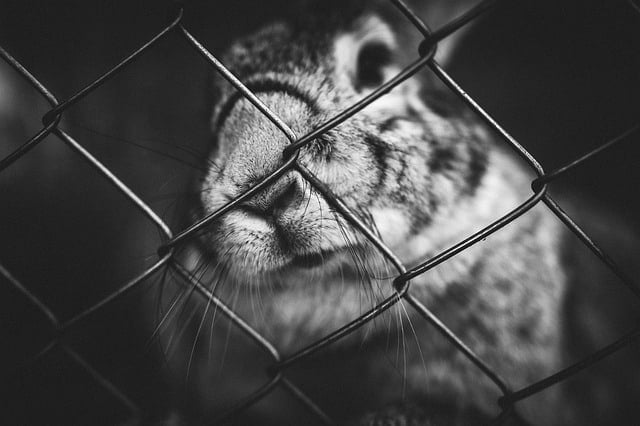
Pacing back and forth along the same path, often along a cage wall or enclosure boundary, is a stereotypic behavior common in animals experiencing psychological distress. In rabbits, this repetitive movement signals that they feel trapped, understimulated, or anxious.
This behavior is most common in rabbits kept in enclosures that are too small. If your rabbit is pacing, take a serious look at their cage size. The minimum recommended space for a single rabbit is 12 square feet of living area, with access to a larger exercise space of at least 32 square feet for several hours each day.
Hiding and Social Withdrawal
Rabbits are naturally social creatures that enjoy interacting with their owners and companion rabbits. When a rabbit becomes depressed, they often withdraw from social contact entirely. They may hide in a corner of their enclosure, retreat to a dark spot under furniture, or simply refuse to acknowledge you when you approach.
This withdrawal is particularly concerning because rabbits are herd animals that crave companionship. A rabbit that actively avoids interaction is in significant emotional distress. Some level of shyness is normal, especially in new environments, but a previously social rabbit that suddenly becomes reclusive needs attention.
Tense or Hunched Posture
Body language says a great deal about a rabbit's emotional state. A relaxed, happy rabbit stretches out fully when resting, sometimes even flopping onto their side in what experienced owners call a "dead bunny flop." Their ears are relaxed, eyes are soft, and muscles are loose.
A depressed rabbit sits hunched with tight muscles, ears pinned back, and eyes that appear dull or wary. They keep their body compact as though bracing themselves. This posture can also indicate pain, which is why a veterinary checkup is always the first step when you notice postural changes.
What Causes Depression in Rabbits?
Depression in rabbits rarely happens without reason. Understanding the common triggers helps you prevent the problem or identify the root cause so you can address it directly.
Inadequate Living Space
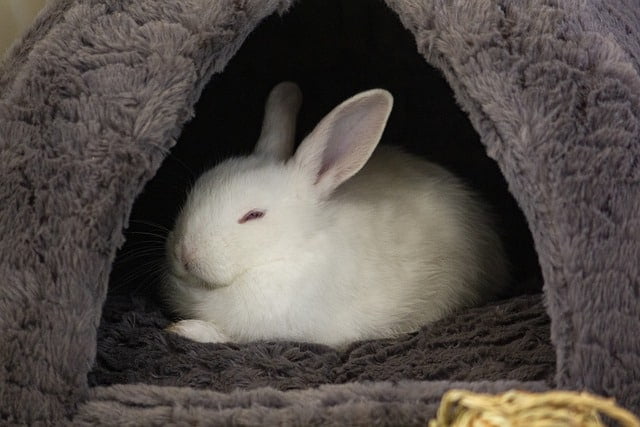
The single most common cause of depression in pet rabbits is a cage or enclosure that is too small. Wild rabbits roam territories spanning several acres. Confining a rabbit to a tiny hutch for most of the day is the equivalent of keeping a person in a closet.
Your rabbit's enclosure should allow them to take at least three full hops in any direction, stand on their hind legs without their ears touching the ceiling, and have separate areas for eating, sleeping, and using the litter box. Anything less than this will eventually lead to behavioral problems and depression.
| Rabbit Size | Minimum Enclosure Size | Minimum Exercise Area |
|---|---|---|
| Small (under 4 lbs) | 12 sq ft | 24 sq ft |
| Medium (4 to 8 lbs) | 16 sq ft | 32 sq ft |
| Large (8 to 12 lbs) | 20 sq ft | 40 sq ft |
| Giant (over 12 lbs) | 24+ sq ft | 48+ sq ft |
Lack of Social Interaction
Rabbits are hardwired for social connection. In the wild, they live in groups and depend on each other for safety, grooming, and companionship. A pet rabbit that spends most of its time alone, with minimal human interaction and no rabbit companion, is at high risk for depression.
This is especially true for rabbits whose owners work long hours. If you are away from home for 8 or more hours a day, your rabbit is spending the majority of its waking hours without any social contact. Over time, this isolation takes a toll. Rabbits can and do suffer serious health consequences from loneliness, including depression that leads to self-destructive behaviors.
Boredom and Lack of Enrichment
Mental stimulation is just as important as physical space for a rabbit's wellbeing. A rabbit with nothing to do will become bored, frustrated, and eventually depressed. In the wild, rabbits spend their time foraging, digging, exploring new territory, and interacting with other rabbits. Pet rabbits need activities that replicate these natural behaviors.
Common signs that your rabbit is bored include excessive chewing on cage bars, digging at floors or carpets, and repeatedly tossing objects around their enclosure. These behaviors are your rabbit trying to create stimulation in an environment that lacks it.
Pain or Underlying Illness
Many of the signs of depression overlap with signs of physical pain or illness. A rabbit with dental problems, urinary infections, arthritis, or internal parasites may display lethargy, appetite loss, hunched posture, and social withdrawal that looks identical to depression.
This is why a veterinary examination should always come first. A rabbit-savvy vet can perform a thorough physical exam, dental check, and bloodwork to rule out medical causes before you assume the problem is purely behavioral. According to the RSPCA's rabbit welfare guidelines, sudden behavior changes should always be investigated by a veterinarian as a first step.
Loss of a Companion
The death of a bonded partner is one of the most devastating events a rabbit can experience. Bonded rabbits spend nearly every moment together: eating, sleeping, grooming, and playing side by side. When one dies, the surviving rabbit may go through a grieving process that includes all the signs of severe depression.
If your rabbit's companion dies at a veterinary clinic or away from home, bring the body back for the surviving rabbit to see. As difficult as this sounds, allowing your rabbit to sniff and sit with the deceased companion for several hours helps them understand what happened. Rabbits that are not given this closure may spend weeks searching for their missing partner, which prolongs and deepens their grief.
After the grieving period, consider getting a second rabbit as a companion. Most rabbits bond well with a new partner after a proper introduction period, and having a companion again can dramatically improve their emotional state.
Environmental Changes
Rabbits are creatures of routine. Moving to a new house, rearranging furniture, adding a new pet to the household, or even changing their enclosure location can trigger stress and depression. Loud noises, construction, or a chaotic household can also contribute.
When major changes are unavoidable, minimize the impact on your rabbit by keeping their immediate environment as consistent as possible. Place familiar items in their enclosure, maintain their feeding schedule, and give them extra attention during the transition period.
How to Help a Depressed Rabbit
Once your veterinarian has ruled out medical causes, you can begin addressing the emotional and environmental factors contributing to your rabbit's depression. Recovery takes patience, but most rabbits respond well to improvements in their daily life.
Visit Your Veterinarian First
This cannot be overstated. Before making any assumptions about depression, schedule a checkup with a rabbit-experienced veterinarian. Dental disease, ear infections, gut problems, and chronic pain can all produce symptoms that look exactly like depression. Treating the underlying medical issue may resolve the behavioral changes entirely.
Provide Enrichment and Toys
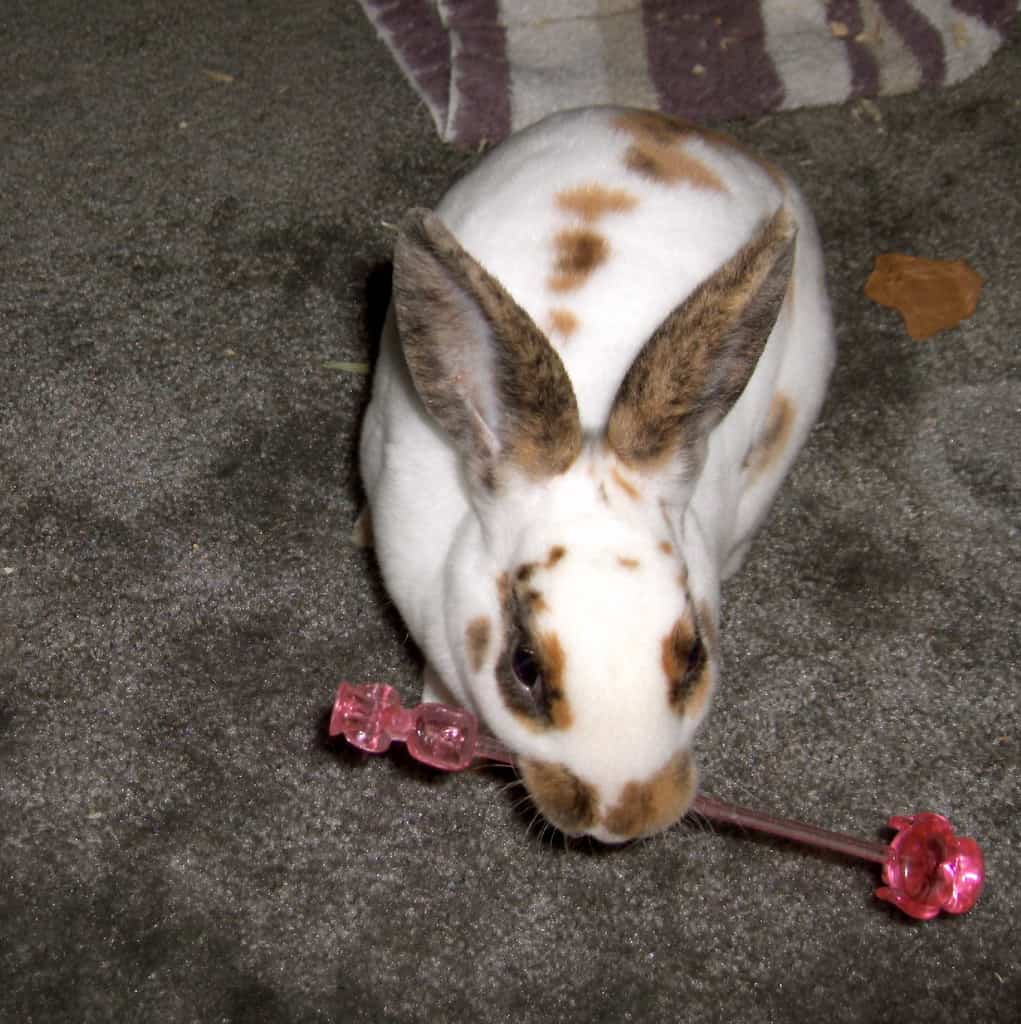
Toys and enrichment activities give your rabbit something to do and stimulate their natural curiosity. The best rabbit toys mimic natural behaviors like foraging, chewing, and digging.
Recommended Toys for Depressed Rabbits
- Willow balls and willow sticks: Safe to chew and toss around
- Wooden dumbbells: Rabbits enjoy picking these up and throwing them
- Twig tunnels: Provide both hiding spots and chewing material
- Cardboard boxes with holes cut in them: Create a DIY castle for exploration
- Paper bags stuffed with hay: Encourages foraging behavior
- Digging boxes filled with shredded paper: Satisfies the urge to dig
- Ka-Bob chew dispensers: Combines food motivation with play
Rotate toys every few days to keep things fresh. A toy your rabbit ignored last week might become their favorite when reintroduced after a break.
Improve Their Living Space
Take an honest look at your rabbit's current setup and ask yourself these questions:
- Can your rabbit take at least three full hops in every direction within their enclosure?
- Can they stand fully upright on their hind legs without touching the ceiling?
- Do they have separate areas for eating, sleeping, and using the litter box?
- Is the enclosure in a quiet area of the house where they will not be startled by sudden noises?
- Do they have access to natural light during the day?
If you answered "no" to any of these questions, upgrading their living space should be your top priority. Consider an exercise pen (x-pen) instead of a traditional cage, or better yet, rabbit-proof a room of your house and give them free-roam access.
Consider Getting a Companion Rabbit
For rabbits that are depressed due to loneliness, a companion rabbit can be transformative. Bonded pairs groom each other, sleep together, and provide the social interaction that no amount of human attention can fully replace.
However, introductions must be done carefully. Rabbits are territorial and can fight seriously when introduced improperly. The bonding process typically takes 2 to 4 weeks of gradual, supervised introductions in neutral territory. Both rabbits should be spayed or neutered before bonding to reduce hormonal aggression.
Increase Daily Exercise Time
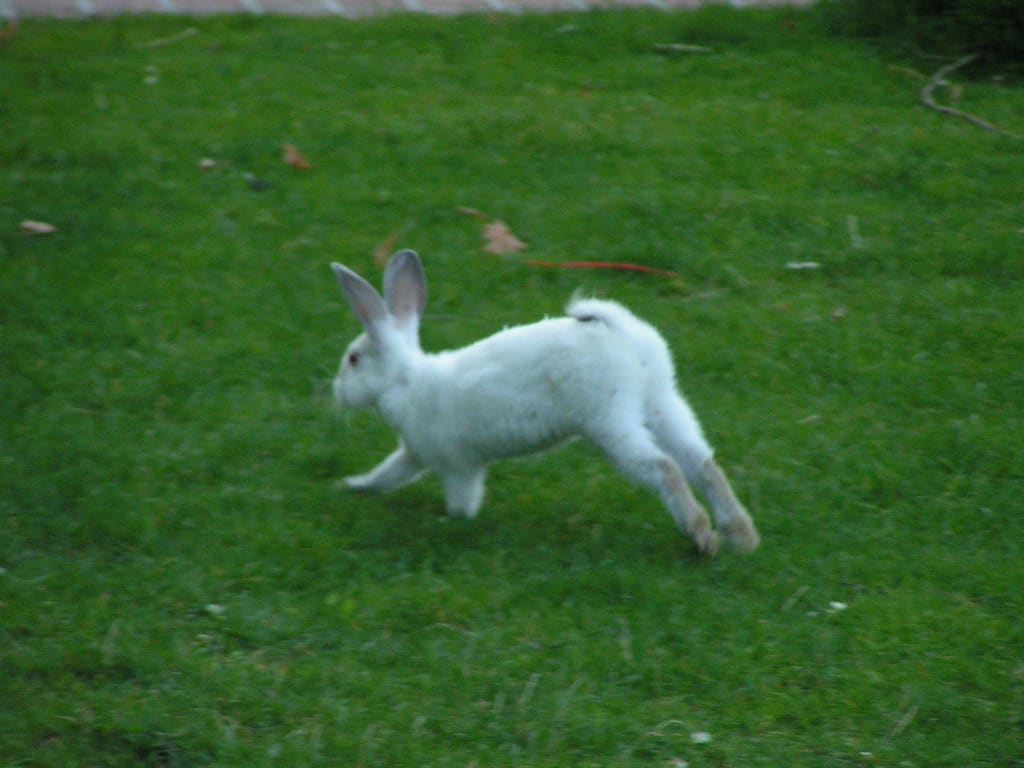
Rabbits need a minimum of 3 to 4 hours of free-roam exercise every day outside their enclosure. This is not optional for a healthy, happy rabbit. Rabbits that do not get enough exercise are significantly more likely to develop depression, obesity, and musculoskeletal problems.
The best exercise times are early morning and evening when rabbits are naturally most active. Create a rabbit-safe space where they can run, jump, explore, and play without the risk of chewing electrical cords or accessing toxic plants.
Build Trust Through Daily Bonding
Spend quiet time with your rabbit every day. Sit on the floor at their level and let them come to you on their own terms. Avoid picking them up unless necessary, as most rabbits dislike being held. Instead, pet them while they are on the ground, offer small treats from your hand, and simply be present in their space.
Over time, this consistent, low-pressure interaction builds trust and helps your rabbit associate your presence with safety and comfort rather than stress.
How Long Does Rabbit Depression Last?
The duration of rabbit depression depends entirely on the cause and how quickly it is addressed. Depression triggered by a temporary stressor, like a move to a new house, may resolve within 1 to 2 weeks once the rabbit settles into their new routine.
Depression caused by the loss of a companion can last anywhere from a few days to several weeks. Most rabbits begin to recover within 2 to 3 weeks, especially if they receive extra attention and enrichment during this period.
Chronic depression caused by ongoing environmental problems, such as a cage that is too small or persistent isolation, will not resolve until the underlying issue is fixed. Simply waiting for a rabbit to "get over it" without changing their circumstances does not work. Rabbits do not adapt to inadequate conditions. They deteriorate.
Can Rabbits Die from Depression?
Depression itself does not directly kill rabbits, but the behaviors it causes can be life-threatening. The most dangerous consequence is appetite loss. When a depressed rabbit stops eating, their gut bacteria begin to die off and gas builds up in the intestines. This leads to GI stasis, a condition where the digestive system slows or stops entirely. Without treatment, GI stasis can be fatal within 24 to 48 hours.
Depressed rabbits are also more susceptible to secondary health problems. Chronic stress weakens the immune system, making them more vulnerable to infections, parasites, and other illnesses. A rabbit that is emotionally and physically compromised is at significantly higher risk for serious medical complications.
Frequently Asked Questions
Do rabbits get depressed when their partner dies?
Yes, rabbits form strong bonds with their companions and grieve deeply when a partner dies. The surviving rabbit may stop eating, hide, and show signs of depression for several weeks. Allow them to see the deceased rabbit's body, provide extra attention, and consider bonding them with a new companion once they have had time to grieve.
Can a single rabbit be happy or will it always be depressed?
A single rabbit can be happy if their owner provides several hours of daily interaction, enrichment, and exercise. However, rabbits are social animals by nature, and most single rabbits benefit significantly from having a bonded companion. If you work long hours or cannot dedicate substantial daily time to your rabbit, a second rabbit is strongly recommended.
How can I tell if my rabbit is depressed or just sick?
Many symptoms overlap, which is why a veterinary visit should always come first. Depression and illness both cause appetite loss, lethargy, and withdrawal. A vet can run diagnostic tests to rule out dental disease, infections, and other medical conditions. If your rabbit gets a clean bill of health, behavioral depression is the likely explanation.
Will getting a new toy fix my rabbit's depression?
Toys alone are unlikely to resolve depression if the root cause is loneliness, inadequate space, or illness. Toys are one piece of the puzzle. A comprehensive approach that addresses living space, social needs, exercise, and veterinary care is far more effective than adding a single toy to an otherwise unchanged environment.
How much exercise does a depressed rabbit need?
All rabbits, whether depressed or not, need a minimum of 3 to 4 hours of free-roam exercise outside their enclosure each day. For a depressed rabbit, increasing exercise time and providing a more stimulating exercise area with tunnels, platforms, and hiding spots can make a meaningful difference in their recovery.
Cite this article:
Cite this article:
BunnySync (March 1, 2026) How To Tell If Your Rabbit Is Depressed?. Retrieved from https://bunnysync.com/blog/depressed-rabbit.
"How To Tell If Your Rabbit Is Depressed?." BunnySync - March 1, 2026, https://bunnysync.com/blog/depressed-rabbit
Sources and further reading
- Patry, Karen, et al. The Rabbit-Raising Problem Solver: Your Questions Answered about Housing, Feeding, Behavior, Health Care, Breeding, and Kindling. Storey Publishing, 2014.
- RSPCA: Rabbit Behaviour
- Managing GI Stasis in Rabbits
- Understanding the Basics of Rabbit Care
- Basic Rabbit Care