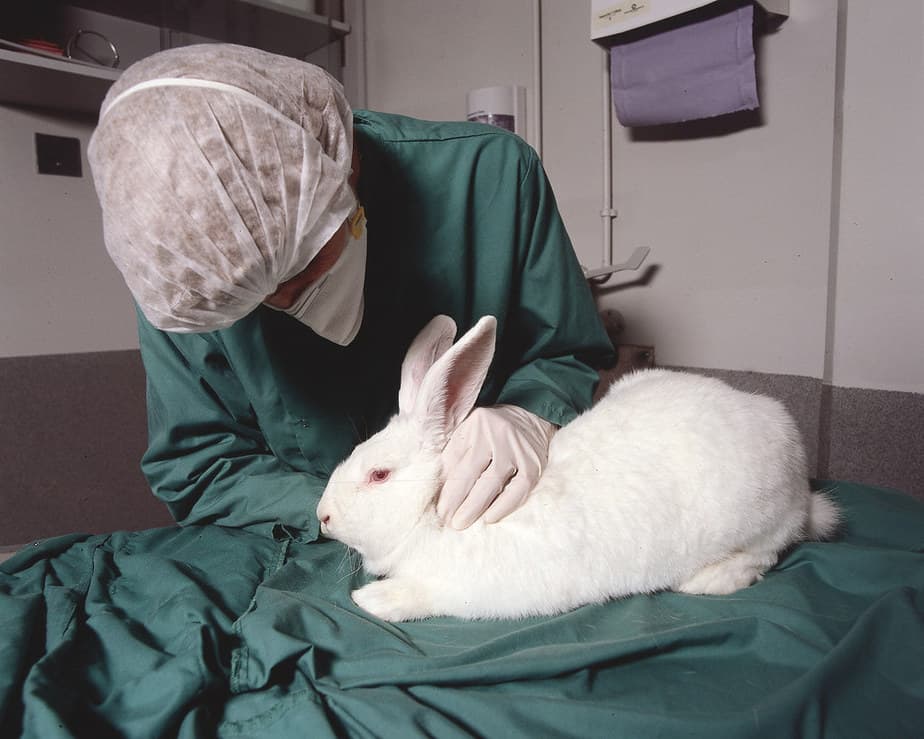
A rabbit not peeing is a veterinary emergency. The most common causes are reduced blood flow to the kidneys (prerenal), direct kidney damage (renal), or a blockage in the urinary tract (postrenal). Healthy rabbits urinate 2 to 8 times per day, and if your rabbit has not peed in 12 to 24 hours, you need to get them to a rabbit-savvy vet as soon as possible. Urinary failure can become fatal within 24 to 48 hours without treatment.
We have dealt with urinary issues in our rabbitry over the years, and the key takeaway is always the same: time matters. The sooner you catch the signs and get your rabbit to a vet, the better the outcome. Below, we break down every cause, how to spot the problem early, and exactly what your vet will do to help.
How Often Should a Healthy Rabbit Pee?
Before you can tell if something is wrong, you need to know what normal looks like. A healthy adult rabbit produces urine 2 to 8 times per day, depending on several factors:
- Water intake: Rabbits that drink from a bowl tend to consume more water than those using a bottle, which leads to more frequent urination. If your rabbit's water habits suddenly change, check out our guide on why your rabbit might be drinking a lot of water.
- Diet: Rabbits eating fresh leafy greens get extra moisture, so they may urinate more often. Rabbits on a dry hay and pellet diet tend to produce less urine.
- Temperature: In hot weather, rabbits lose more moisture through breathing, so urine volume may drop slightly. In cooler temperatures, they tend to pee more.
- Age and size: Larger breeds produce more urine overall. Young kits urinate more frequently than adults relative to their size.
- Spay/neuter status: Intact rabbits, especially males, may spray small amounts of urine frequently as territorial marking. This can make it harder to gauge total output.
Normal rabbit urine ranges from pale yellow to deep orange or even reddish-brown. The color varies based on diet and hydration. Thick, white, or chalky urine indicates excess calcium, which is worth monitoring but not always an emergency on its own.
What Causes a Rabbit to Stop Peeing?
Veterinarians classify urinary failure in rabbits into three categories based on where the problem originates: before the kidney (prerenal), in the kidney itself (renal), or after the kidney (postrenal). Understanding which type your rabbit has helps your vet determine the right treatment.
Prerenal Causes (Before the Kidney)
Prerenal problems occur when blood flow to the kidneys drops, which reduces urine production even though the kidneys themselves are healthy. This is the most common category in acute cases. Causes include:
- Dehydration: The number one prerenal cause. Rabbits that are not drinking enough, whether from illness, pain, or a malfunctioning water bottle, quickly develop reduced urine output. Learn how to tell if your rabbit is dehydrated so you can catch this early.
- Hemorrhage or blood loss: Internal bleeding from injury or surgery reduces the volume of blood reaching the kidneys.
- Shock: Severe stress, pain, or trauma can cause circulatory shock, diverting blood away from the kidneys to protect vital organs like the brain and heart.
- Congestive heart failure: When the heart cannot pump effectively, blood pressure drops and less blood reaches the kidneys.
- Adrenal insufficiency: Adrenal glands that are not producing enough hormones can cause low blood pressure, reducing kidney perfusion.
- Renal artery narrowing: A narrowed or blocked renal artery directly limits blood flow to the kidney.
Signs that suggest prerenal failure include clinical dehydration (skin tenting, dry gums, sunken eyes), low blood pressure, and a urine specific gravity (USG) above 1030. The high USG indicates the kidneys are trying to conserve water by concentrating the urine, which means they are still functioning normally but simply do not have enough fluid to work with.
Renal Causes (Kidney Damage)
When the kidneys themselves are injured or diseased, they lose their ability to filter blood and produce urine properly. Common renal causes in rabbits include:
- Encephalitozoon cuniculi: This parasitic microsporidian is extremely common in domestic rabbits. It can infect the kidneys and cause chronic inflammation, leading to gradual kidney failure. Many rabbits carry E. cuniculi without symptoms, but immunocompromised or stressed rabbits are more vulnerable.
- Hypercalcemia: Rabbits metabolize calcium differently from most mammals. They absorb all dietary calcium and excrete the excess through urine. When calcium levels get too high, it can crystallize in the kidneys and damage the tissue. This is why you may notice your rabbit's pee smelling like ammonia or appearing thick and sludgy.
- Pyelonephritis: A bacterial kidney infection, often ascending from the bladder. Symptoms include fever, lethargy, and painful urination.
- Glomerulonephritis: Inflammation of the kidney's filtering units, which can result from immune-mediated disease or chronic infection.
- Nephrotoxic drugs: Certain medications can damage rabbit kidneys. NSAIDs like meloxicam and carprofen are commonly used for pain in rabbits, but at incorrect doses or in dehydrated rabbits, they can cause acute kidney injury. Always ensure your rabbit is well-hydrated before and during any course of NSAIDs.
Renal failure often develops gradually. By the time you notice reduced urine output, the kidneys may have already lost significant function. This is why regular vet checkups, including bloodwork for BUN and creatinine levels, are so important for rabbits over 5 years old.
Postrenal Causes (Urinary Tract Blockage)
Postrenal problems happen when urine is being produced by the kidneys but cannot exit the body due to a blockage. This is an acute emergency because the backed-up urine creates pressure that damages the kidneys. Causes include:
- Uroliths (bladder or kidney stones): Calcium-based stones are the most common type in rabbits due to their unique calcium metabolism. Stones can form in the kidneys, ureters, bladder, or urethra. A stone lodged in the urethra is the most dangerous because it completely blocks urine flow.
- Bladder sludge: Thick calcium sediment that accumulates in the bladder. While not always a complete blockage, severe sludge can obstruct the urethra, especially in male rabbits whose urethra is narrower.
- Blood clots: If there is bleeding in the urinary tract from infection, trauma, or stones, clots can form and block the urethra.
- Mucous plugs: Bladder inflammation produces mucus that can combine with calcium sediment to create obstructions.
- Tumors: Uterine cancer, which is common in unspayed female rabbits over 4 years old, can compress the ureters or bladder and block urine flow.
Postrenal blockage causes a distended, firm bladder that a vet can feel during a physical exam. The rabbit is usually in severe pain, hunched over, and may grind their teeth loudly, which is a clear sign of distress.
How to Tell If Your Rabbit Has Stopped Peeing
Detecting reduced urine output is trickier than you might think, especially if your rabbit free-roams or shares space with another rabbit. Here are the most reliable methods:
Check the Litter Box Daily
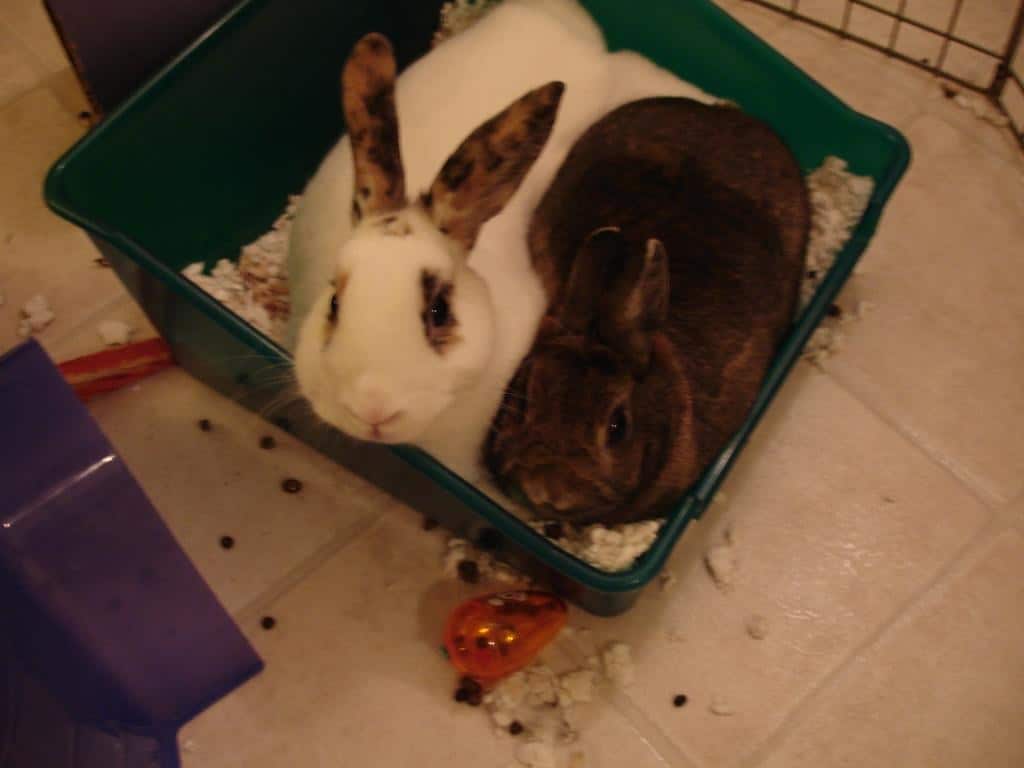
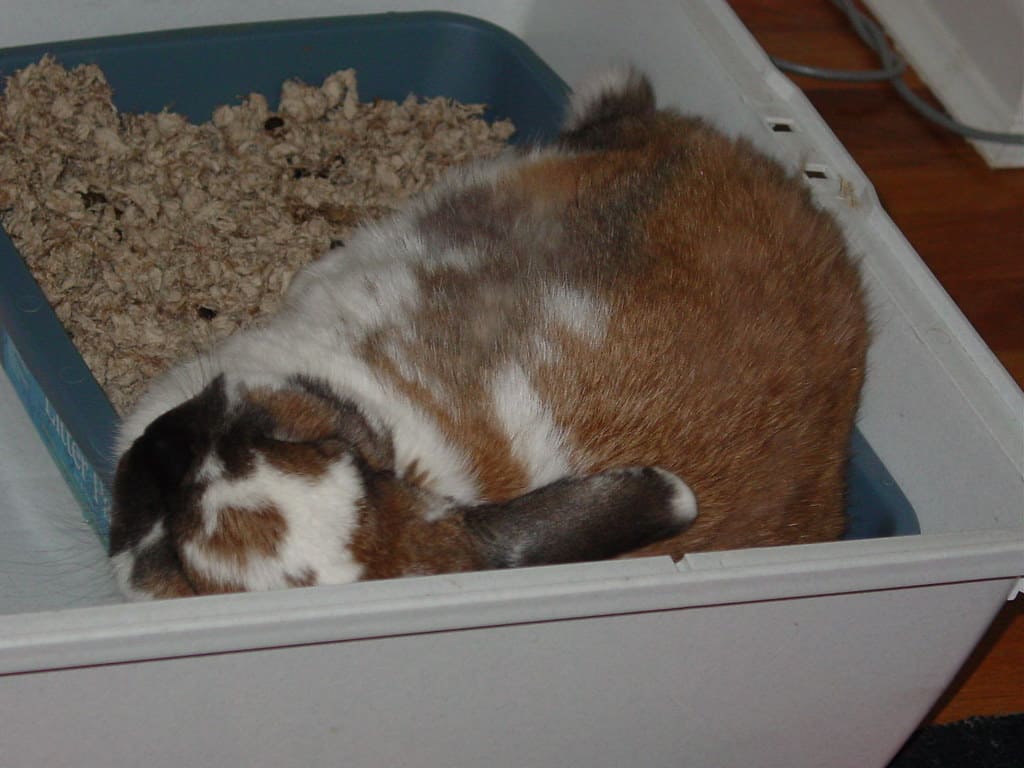
This is the single best habit you can develop as a rabbit owner. Every morning, take a quick look at the litter box before cleaning it. You should see multiple wet spots in the litter. If the litter is completely dry or significantly less wet than usual, that is a red flag.
For rabbits that are litter trained, this is straightforward. For rabbits that urinate in multiple spots, you will need to check all their usual areas. If you are still working on litter habits, our guide on what to do if your rabbit is not pooping also covers how to monitor bathroom habits effectively.
Watch for Physical Symptoms
A rabbit that is struggling to urinate or not urinating at all will show some combination of these signs:
- Straining to urinate: Sitting in the litter box for long periods, hunching, and pushing without producing urine.
- Small, frequent drips: Passing tiny amounts of urine instead of normal puddles, often with visible discomfort.
- Pain behaviors: Teeth grinding (not the gentle purring kind, but loud, audible crunching), hunched posture with the belly pressed to the ground, pulling fur, rapid shallow breathing, and lethargy.
- Wet or stained fur around the hindquarters: Urine dribbling or leaking can indicate a partial blockage or loss of bladder control.
- Loss of appetite: Pain from urinary issues almost always causes rabbits to stop eating and drinking, which compounds the problem.
- Abnormal urine appearance: Blood in the urine (true red, not diet-related orange), very thick white or brown sludge, or gritty sediment.
Feel the Bladder
If your rabbit is calm and you are experienced with handling, you can gently feel the lower abdomen. A normal bladder feels like a small, soft grape. A distended bladder from a blockage feels like a large, firm ball, roughly the size of a golf ball or larger. If you feel this, do not try to express the bladder yourself, as you could rupture it. Get to a vet immediately.
When Is It an Emergency?
Any rabbit that has not urinated in 12 hours or more should be seen by a vet the same day. If it has been 24 hours or more, this is a true emergency requiring immediate veterinary attention. Here is a quick reference:
| Timeframe Without Urination | Urgency Level | Action |
|---|---|---|
| 6 to 12 hours | Monitor closely | Encourage water intake, check for other symptoms |
| 12 to 24 hours | Urgent | Call your vet and schedule a same-day appointment |
| 24+ hours | Emergency | Go to an emergency rabbit vet immediately |
Keep in mind that rabbits are prey animals and are very good at hiding pain. By the time you notice obvious symptoms, the problem may have been building for hours or days. This is why daily litter box monitoring is so critical.
What Will the Vet Do?
When you bring a rabbit with urinary problems to the vet, they will typically follow this diagnostic process:
Physical Examination
The vet will palpate the abdomen to check bladder size and firmness, look for signs of dehydration, check mucous membrane color, and assess overall pain level. They will also check the perineal area for urine scalding or discharge.
Diagnostic Tests
- Blood work: A complete blood panel measuring BUN (blood urea nitrogen) and creatinine tells the vet how well the kidneys are functioning. Elevated levels confirm kidney compromise. Calcium levels will also be checked.
- Urinalysis: If any urine can be collected (via cystocentesis if needed), the vet will analyze its concentration, pH, presence of blood, bacteria, crystals, and protein.
- X-rays: Radiographs clearly show bladder stones, kidney stones, and bladder sludge since calcium shows up bright white on X-ray. They also reveal bladder size and shape.
- Ultrasound: Used to evaluate kidney structure, check for hydronephrosis (swollen kidneys from backed-up urine), and guide cystocentesis if needed.
- Urine culture: If infection is suspected, a culture identifies the specific bacteria and which antibiotics will be effective.
Treatment Options
Treatment depends entirely on the underlying cause:
| Cause | Treatment |
|---|---|
| Dehydration (prerenal) | Subcutaneous or IV fluid therapy, address underlying cause of fluid loss |
| Bladder sludge | Bladder flush under sedation, increased water intake, diet modification |
| Urinary stones | Surgical removal (cystotomy for bladder stones), pain management, diet changes |
| Urethral blockage | Catheterization to relieve blockage, followed by treatment of the underlying cause |
| Bacterial infection | Antibiotics based on culture results, pain management, supportive care |
| E. cuniculi | Fenbendazole (28-day course), anti-inflammatory support, long-term monitoring |
| Kidney failure | Fluid therapy, appetite support, pain management, and ongoing monitoring |
In most cases, the vet will start with fluid therapy regardless of the cause, since dehydration makes everything worse. They may also provide syringe feeding if your rabbit has stopped eating, along with gut motility drugs to prevent GI stasis from developing as a secondary problem.
How to Prevent Urinary Problems in Rabbits
While not all urinary issues are preventable, many of the most common ones can be avoided with proper husbandry:
Ensure Adequate Water Intake
This is the single most important thing you can do. Rabbits should always have access to clean, fresh water. Bowls are preferred over bottles because rabbits drink more from bowls. Change the water at least once daily, and more often in warm weather.
If your rabbit is a poor drinker, try:
- Adding a small splash of unsweetened cranberry juice or apple juice to the water
- Offering water in a different type of bowl (ceramic vs. plastic)
- Placing water bowls in multiple locations
- Misting fresh greens with water before serving
Feed a Proper Diet
Diet plays a huge role in urinary health. To minimize calcium buildup:
- Unlimited timothy hay: This should be 80% or more of the diet. Timothy hay is lower in calcium than alfalfa.
- Limited pellets: About 1/4 cup per 5 pounds of body weight daily. Choose timothy-based pellets, not alfalfa-based (alfalfa pellets are only appropriate for growing kits under 6 months).
- Rotate greens: Avoid feeding high-calcium greens like kale, parsley, and spinach every day. Rotate with lower-calcium options like romaine lettuce, cilantro, and herbs.
- Avoid excess calcium supplements: Mineral blocks and calcium-fortified treats are unnecessary for adult rabbits and contribute to bladder sludge.
Encourage Exercise
Sedentary rabbits are more prone to bladder sludge because the calcium sediment settles and compacts in the bladder. Rabbits that hop, run, and binky regularly keep the sediment stirred up so it passes more easily through the urine. Aim for at least 3 to 4 hours of out-of-cage exercise daily.
Keep the Environment Clean
A dirty litter box discourages rabbits from using it, which means they may hold their urine longer than they should. Clean the litter box every 1 to 2 days and fully replace the litter weekly.
Schedule Regular Vet Checkups
Annual wellness exams for rabbits under 5 years, and twice-yearly exams for rabbits over 5, can catch kidney and bladder issues before they become emergencies. Ask your vet to include a blood panel and urinalysis in the annual checkup.
Can a Rabbit Die From Not Peeing?
Yes. A rabbit that cannot urinate will die, often within 24 to 48 hours. When urine cannot leave the body, toxins like urea and potassium build up in the blood. This leads to uremia, which causes nausea, seizures, organ failure, and eventually death. A blocked bladder can also rupture, causing fatal peritonitis.
This is why we cannot stress enough that a rabbit not peeing is never a "wait and see" situation. Even if it turns out to be something simple like mild dehydration, the risk of delay is too high. According to research published in Veterinary Clinics of North America, early diagnosis of renal disease in rabbits significantly improves outcomes, particularly when caught before BUN and creatinine levels spike.
Recovery and Long-Term Care
Recovery depends on the cause and how quickly treatment began:
- Dehydration: Rabbits often bounce back within 24 to 48 hours with fluid therapy.
- Bladder sludge flush: Recovery takes 2 to 5 days. You will need to increase water intake and modify the diet long-term to prevent recurrence.
- Stone removal surgery: Expect 7 to 14 days of recovery. Pain management is critical during this period. Watch for complications like infection at the surgery site or recurrence of stones.
- Chronic kidney disease: This is manageable but not curable. Subcutaneous fluids at home (your vet can teach you), regular bloodwork monitoring, and diet adjustments become part of the routine.
- E. cuniculi: The 28-day fenbendazole course eliminates active shedding, but kidney damage already done is permanent. Monitor kidney values every 6 months afterward.
During recovery, monitor the litter box closely. Track how many wet spots you see each day and note the urine color. Any return to reduced output or signs of straining means a follow-up vet visit is needed.
Frequently Asked Questions
How long can a rabbit go without peeing before it becomes dangerous?
A rabbit that has not urinated in 12 hours needs close monitoring and increased water access. If it has been 24 hours or more without any urine output, the situation is a medical emergency. Toxin buildup from urine retention can cause organ failure and death within 24 to 48 hours of complete blockage.
Can stress cause a rabbit to stop peeing?
Stress alone rarely causes a rabbit to completely stop urinating, but it can contribute indirectly. Stressed rabbits often stop eating and drinking, which leads to dehydration and reduced urine output. A new environment, a bonding partner change, or loud construction nearby can trigger this stress response. Ensure your rabbit has a quiet, safe hiding space during stressful periods.
Is blood in rabbit urine always an emergency?
True blood in urine (hematuria) always warrants a vet visit, though it is not always an immediate emergency. However, rabbit urine naturally ranges from yellow to deep red-orange depending on diet and plant pigments. The only way to confirm actual blood is through a urinalysis test. If you see red urine accompanied by straining or pain, treat it as urgent.
How can I tell if my rabbit's bladder is full?
Gently place your hands on either side of your rabbit's lower abdomen, just in front of the hind legs. A normal bladder feels soft and small, roughly grape-sized. A dangerously full bladder feels like a firm, tense ball the size of a golf ball or larger. If you feel a hard, distended bladder, do not squeeze it. Take your rabbit to the vet immediately.
Do male or female rabbits have more urinary problems?
Both sexes develop urinary issues, but the specifics differ. Male rabbits are slightly more prone to urethral blockages because their urethra is narrower and longer. Female rabbits are more susceptible to urinary tract infections due to their shorter urethra. Unspayed females also face increased risk from uterine tumors compressing the bladder or ureters after age 4.
Cite this article:
Cite this article:
BunnySync (March 3, 2026) Why Is Your Rabbit Not Peeing? Causes, Signs, and What to Do. Retrieved from https://bunnysync.com/blog/rabbit-not-peeing.
"Why Is Your Rabbit Not Peeing? Causes, Signs, and What to Do." BunnySync - March 3, 2026, https://bunnysync.com/blog/rabbit-not-peeing