If your rabbit is drinking a lot of water, the most common causes are hot weather, a recent diet change, or recovery from mild dehydration. In more serious cases, excessive thirst (called polydipsia) can signal kidney disease, liver problems, diabetes, E. cuniculi, or lower urinary tract disease. Knowing what's normal for your rabbit's water intake and recognizing when something is off can help you catch health problems early.
As breeders, we monitor water consumption closely because it's one of the first indicators that something has changed with a rabbit's health. A rabbit that suddenly empties its water bottle twice as fast deserves attention, not panic, but deliberate observation. This guide covers every reason your rabbit might be drinking more than usual, how much water is actually normal, and when you need to call your vet.
How Much Water Should a Rabbit Drink Per Day?
According to Brewer and Cruise (1994), healthy rabbits drink between 50 and 100 mL of water per kilogram of body weight every 24 hours. That's a wide range, and the exact amount depends heavily on diet, activity level, and ambient temperature.
To put that into perspective, here's a quick reference table:
| Rabbit Weight | Daily Water Intake (Normal Range) |
|---|---|
| 1 kg (2.2 lbs) | 50 to 100 mL |
| 2 kg (4.4 lbs) | 100 to 200 mL |
| 3 kg (6.6 lbs) | 150 to 300 mL |
| 4 kg (8.8 lbs) | 200 to 400 mL |
| 5 kg (11 lbs) | 250 to 500 mL |
Rabbits eating fresh, water-rich vegetables like cucumbers or leafy greens may barely touch their water bottle. Meanwhile, rabbits on a primarily hay and pellet diet will drink significantly more because dry food absorbs moisture in the digestive tract.
The key is knowing your individual rabbit's baseline. If you notice a sudden and sustained increase beyond their normal pattern, that's when you should start investigating.
What Are the Signs of Excessive Water Intake in Rabbits?
Polydipsia (excessive thirst) in rabbits can be surprisingly hard to spot if you're not tracking water consumption regularly. Rabbits are crepuscular animals, meaning they're most active at dawn and dusk, so a lot of their drinking happens when you're not watching.
Here are the most reliable indicators:
- Water bowl or bottle empties noticeably faster than usual
- Frequent urination (polyuria), often with larger puddles
- Lighter-colored, more dilute urine than normal
- Wet chin or dewlap from constant drinking
- Litter box is soaked through more quickly than before
- Partial incontinence or dribbling urine outside the litter box
One practical tip: measure your rabbit's water each morning using a marked bottle or a measuring cup. Track the amount consumed over a few days to establish a baseline. If consumption jumps by more than 50% for two or more days in a row, take it seriously.
Why Is My Rabbit Suddenly Drinking More Water?
Not every increase in water consumption means your rabbit is sick. Several completely normal factors can cause temporary increases in thirst. Let's start with the non-medical causes before moving to the conditions that require veterinary attention.
Hot Weather and Overheating
This is the most common and most benign reason for increased water intake. Rabbits are extremely sensitive to heat because they lack sweat glands (aside from a few on their lips) and cannot pant effectively like dogs do. They breathe primarily through their nose, which limits their ability to cool down through respiration.
The ideal temperature range for rabbits is between 60 and 70°F (15 to 21°C). Once temperatures climb above 80°F (27°C), rabbits start to struggle. Above 85°F (29°C), heatstroke becomes a real risk.
Signs of heat stress alongside increased drinking include:
- Rapid, shallow breathing
- Ears that feel hot to the touch (rabbits use their ears to dissipate heat)
- Stretching out flat on cool surfaces
- Lethargy and reluctance to move
- In severe cases, gasping, drooling, or bluish lips
If your rabbit is drinking more during summer months and the environment is warm, the fix is straightforward: cool their space down. Place a frozen water bottle wrapped in a towel near them, ensure good ventilation, and never place the enclosure in direct sunlight. Do not soak a rabbit in cold water if you suspect heatstroke, as this can trigger shock.
Diet Changes
A switch in diet is another perfectly normal reason for increased thirst. Rabbit water requirements are directly tied to the moisture content of their food.
If you've recently switched from a diet heavy in fresh vegetables to one that's more hay and pellet-based, your rabbit will naturally drink more to compensate. Dry, fibrous foods absorb water in the intestinal tract, which triggers the body to signal for more fluid intake.
Similarly, if your rabbit has recently been given saltier treats or a new brand of pellets with different ingredients, they may drink more for a few days while adjusting. This is normal and usually resolves within a week as long as the new diet is appropriate.
The reverse is also true: a rabbit that suddenly has access to more fresh greens may drink noticeably less from their water source. Neither pattern alone is cause for concern.
Dehydration Recovery
Rabbits recovering from a bout of dehydration will naturally drink more as their body works to restore normal fluid levels. Dehydration can happen from illness (especially diarrhea), neglect, or a malfunctioning water bottle that the owner didn't notice.
Signs that your rabbit was recently dehydrated include:
- Dark, concentrated, strong-smelling urine
- Skin tenting (when you gently pinch the skin on the scruff and it doesn't snap back immediately)
- Dry, tacky gums
- Sunken eyes
- Lethargy and reduced appetite
If you suspect your rabbit was dehydrated, make sure fresh water is always available and change it at least once daily. Some rabbits are picky and will refuse water that isn't fresh. If signs of dehydration persist for more than 24 hours, see a vet, as subcutaneous fluids may be needed.
Stress and Behavioral Causes
Stress can cause changes in drinking patterns. A rabbit that has recently been moved to a new environment, introduced to a new companion, or experienced a loud, frightening event may drink more (or less) than usual for several days.
Territorial behavior can also play a role. Unneutered rabbits that have reached sexual maturity may hoard water sources and drink excessively as part of dominance displays. This is especially common in multi-rabbit households where one rabbit monopolizes the water bottle.
If you have more than one rabbit, always provide at least two water sources placed in different areas. This prevents the dominant rabbit from blocking access and ensures the submissive rabbit doesn't become dehydrated, which can lead to serious complications like GI stasis.
Medical Conditions That Cause Excessive Thirst in Rabbits
If your rabbit's increased water consumption can't be explained by weather, diet, or environmental changes, a medical condition may be the cause. The following conditions all list polydipsia as a symptom and require veterinary diagnosis.
Chronic Kidney Disease
Chronic renal failure is one of the more common medical causes of excessive thirst in rabbits, particularly in older animals. Unlike acute kidney injury (which comes on suddenly), chronic kidney disease develops gradually over weeks or months.
According to the Textbook of Rabbit Medicine, causes include prolonged infections, high dietary calcium, vitamin D toxicity, kidney tumors or cysts, E. cuniculi infection, and simple aging. Dental disease is also a contributing factor, as chronic tooth root infections can spread to the kidneys.
Key symptoms to watch for:
- Increased thirst and urination (polydipsia/polyuria)
- Gradual weight loss despite eating normally
- Poor coat quality and lethargy
- Reduced appetite over time
- Anemia (pale gums and inner ears)
Diagnosis requires blood work (specifically BUN and creatinine levels) and a urinalysis. There is no cure for chronic kidney disease in rabbits, but with proper management, including fluid therapy, dietary adjustments, and supportive care, many rabbits can maintain a good quality of life for months to years.
Lower Urinary Tract Disease (LUTD)
LUTD encompasses a range of problems affecting the bladder and urethra, including bladder sludge (calcium buildup), bladder stones, and urinary tract infections. This is relatively common in rabbits due to their unique calcium metabolism, where excess calcium is excreted through urine rather than through the gut like in most mammals.
Common causes include a high-calcium diet (too many pellets or calcium-rich greens like kale), reduced mobility from arthritis or spinal issues, and middle ear disease that affects balance and makes it hard to posture for urination.
Symptoms of LUTD include:
- Straining to urinate or crying out during urination
- Thick, gritty, or sludgy urine
- Urine scalding around the hindquarters
- Loss of litter box habits
- Increased thirst and urination
- Hunched posture indicating abdominal discomfort
Treatment depends on the specific problem. Bladder sludge often responds to increased water intake (which you may already be seeing), dietary changes, and increased exercise. Bladder stones may require surgical removal.
Liver Disease
Liver problems in rabbits, including hepatic lipidosis (fatty liver disease), hepatic coccidiosis, and liver lobe torsion, can all cause secondary dehydration that increases thirst.
Hepatic lipidosis is most common in obese rabbits or rabbits that have suddenly stopped eating. When a rabbit goes without food, the body mobilizes fat stores for energy, and the liver becomes overwhelmed trying to process the fat. This is why it's so critical to get a rabbit eating again as quickly as possible if they stop.
Warning signs of liver disease:
- Jaundice (yellow tint to the whites of the eyes, inner ears, or gums)
- Complete loss of appetite
- Diarrhea or abnormal fecal output
- Loud teeth grinding indicating pain
- Neurological symptoms like head tilt, confusion, or clumsiness
- Lethargy and depression
Liver disease is a veterinary emergency. If you see jaundice in particular, get to a rabbit-savvy vet immediately.
E. Cuniculi
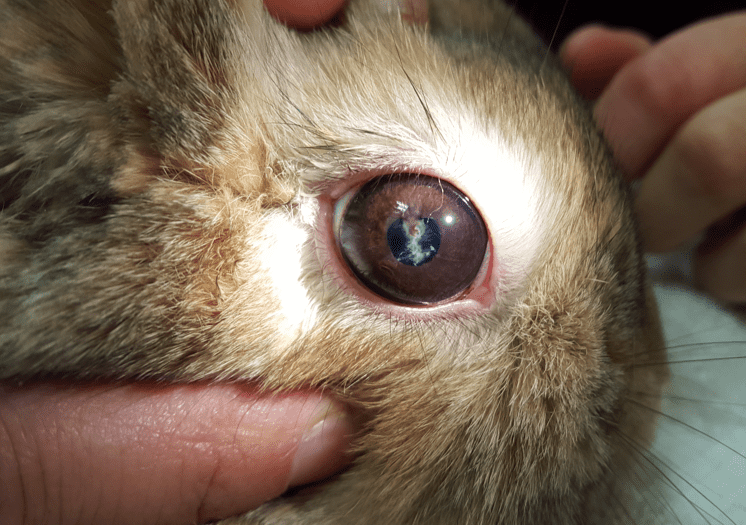
Encephalitozoon cuniculi is a microscopic parasite that primarily targets the kidneys, brain, and eyes. It is one of the most common infectious causes of increased thirst in rabbits because it directly damages kidney tissue, impairing the kidneys' ability to concentrate urine.
E. cuniculi is transmitted through spores shed in infected urine. Many rabbits carry the parasite without showing symptoms, but when the immune system is compromised by stress, age, or another illness, clinical signs can appear.
Symptoms associated with active E. cuniculi infection:
- Increased thirst and urination from kidney damage
- Head tilt (torticollis), often sudden in onset
- Hind leg weakness or paralysis
- Loss of balance and rolling
- White cataracts or lens rupture in one or both eyes
- Urinary incontinence
A blood test can detect E. cuniculi antibodies, though a positive result only confirms exposure, not necessarily active disease. Treatment typically involves a 28-day course of fenbendazole (Panacur) along with anti-inflammatory medication. Early treatment offers the best outcomes.
Diabetes
Diabetes in rabbits is extremely rare compared to cats, dogs, and humans. Most rabbit-savvy veterinarians will go their entire career without diagnosing a true case. However, it does exist in two forms.
Type 1 diabetes, where the pancreas fails to produce adequate insulin, has been documented primarily in certain laboratory strains of New Zealand White rabbits. Type 2 diabetes, where cells become resistant to insulin, occurs more commonly in obese pet rabbits, though "more commonly" is still very uncommon overall.
The classic triad of diabetes symptoms applies to rabbits as well:
- Polydipsia (excessive thirst)
- Polyuria (excessive urination)
- Polyphagia (excessive eating, sometimes with weight loss)
Diagnosis requires a blood glucose test. Temporary hyperglycemia from stress is common in rabbits (blood sugar can spike significantly just from the stress of a vet visit), so your vet may need multiple readings or a fructosamine test to confirm true diabetes.
Clostridial Enterotoxaemia
This is a severe and often fatal condition caused by an overgrowth of Clostridium bacteria in the gut, usually triggered by a high-carbohydrate, low-fiber diet. It is most common in young rabbits and rabbits that have recently been given inappropriate foods like bread, crackers, or excessive sugary treats.
Symptoms develop rapidly and include:
- Severe, watery diarrhea
- Increased thirst
- Rapid decline in condition
- Cyanosis (bluish skin from poor circulation)
- Teeth grinding from pain
- Hypothermia and seizures in advanced cases
This condition requires immediate emergency veterinary care. The prognosis is unfortunately poor even with aggressive treatment, which is why prevention through proper diet is so important. Make sure your rabbit's diet is built around unlimited timothy hay, appropriate pellets, and safe vegetables.
How to Monitor Your Rabbit's Water Intake at Home
Tracking water consumption doesn't need to be complicated. Here are some practical methods that work well:
- Use a measured water bottle. Many water bottles have volume markings on the side. Fill to the same line each morning and note how much is gone by the next morning.
- Weigh the water bowl. If your rabbit uses a bowl, weigh it full in the morning and again the next morning. Subtract the difference and account for some evaporation (roughly 10 to 20 mL per day depending on conditions).
- Keep a simple log. You don't need a spreadsheet. A note on your phone with the date and approximate water consumed is enough to spot trends.
- Check the litter box. Increased urination usually accompanies increased drinking. If you're going through litter faster than normal, that's a secondary confirmation.
For multi-rabbit households, monitoring gets trickier. If you suspect one rabbit is drinking excessively, you may need to separate them temporarily to measure individual consumption accurately.
When Should You Take Your Rabbit to the Vet?
Not every increase in water intake requires a vet visit. However, you should schedule an appointment if:
- Increased thirst persists for more than 3 to 5 days without an obvious environmental cause
- Your rabbit is also showing other symptoms like weight loss, lethargy, reduced appetite, or changes in fecal output
- You notice any neurological signs such as head tilt, loss of balance, or hind leg weakness
- There is any sign of jaundice (yellow eyes or gums)
- Urine has changed dramatically in color, consistency, or smell
- Your rabbit is straining to urinate or producing very little urine despite drinking heavily
When you visit the vet, bring along your water intake notes if you've been tracking them. This data is extremely useful for the veterinarian in determining whether the increase is clinically significant. Standard diagnostic workup for polydipsia typically includes blood work (complete blood count and biochemistry panel), urinalysis, and sometimes imaging like X-rays or ultrasound.
Can Rabbits Die From Drinking Too Much Water?
No, a rabbit will not drink itself to death. Rabbits have functional kidneys that process and excrete excess water efficiently. The act of drinking a lot of water is not dangerous in itself. The danger lies in whatever underlying condition is causing the increased thirst.
Think of excessive drinking as a warning light on a dashboard. The light itself isn't the problem, but ignoring what it's telling you can lead to serious consequences. A rabbit drinking more water because of chronic kidney disease, for example, needs treatment for the kidney disease, not restrictions on water access.
Never restrict your rabbit's water supply in an attempt to reduce excessive drinking. This can cause rapid dehydration and make any underlying condition significantly worse.
Frequently Asked Questions
How can I tell if my rabbit is drinking too much water?
Track daily water consumption for a week to establish a baseline. Normal intake is 50 to 100 mL per kilogram of body weight. If your rabbit consistently exceeds this range without an obvious reason like hot weather or a diet change, consult a rabbit-savvy veterinarian for evaluation.
Should I limit my rabbit's water if they're drinking excessively?
No. Never restrict a rabbit's water access. Excessive drinking is a symptom of an underlying issue, not the problem itself. Limiting water can cause dangerous dehydration and worsen kidney or urinary conditions. Always provide unlimited fresh water and address the root cause with your veterinarian instead.
Can a change in water source cause my rabbit to drink more?
Yes. Switching from a water bottle to a bowl (or vice versa) can change how much a rabbit appears to drink. Bowls allow faster, more natural drinking and some rabbits consume more when given open water. Changes in water taste from a new filter or water supply can also temporarily affect consumption.
Is it normal for rabbits to drink more water in the summer?
Absolutely. Rabbits lack effective cooling mechanisms and rely partly on increased water intake to regulate body temperature in warm weather. As long as your rabbit is otherwise healthy, active, and eating normally, increased summer drinking is expected and not a concern.
My rabbit is drinking a lot but not eating. What should I do?
A rabbit that is drinking excessively but refusing food needs veterinary attention within 12 to 24 hours. This combination can indicate GI stasis, liver disease, kidney failure, or severe infection. A rabbit that stops eating for more than 12 hours is at risk of hepatic lipidosis, which can become life-threatening quickly.
Cite this article:
Cite this article:
BunnySync (March 2, 2026) Why Is My Rabbit Drinking A Lot Of Water?. Retrieved from https://bunnysync.com/blog/why-is-my-rabbit-drinking-a-lot-of-water.
"Why Is My Rabbit Drinking A Lot Of Water?." BunnySync - March 2, 2026, https://bunnysync.com/blog/why-is-my-rabbit-drinking-a-lot-of-water