Rabbits cannot safely go without pooping for more than 12 hours. A rabbit that has not produced droppings in 12+ hours is in a medical emergency, and without veterinary intervention, they can die within 24 to 48 hours. The most common causes of a rabbit not pooping are GI stasis, intestinal blockages, and severe dehydration.
If your rabbit has stopped pooping, do not wait to see if it resolves on its own. Get them to a rabbit-savvy veterinarian as soon as possible. Time is the single biggest factor in whether your rabbit survives a digestive shutdown.
How Long Can a Rabbit Survive Without Pooping?
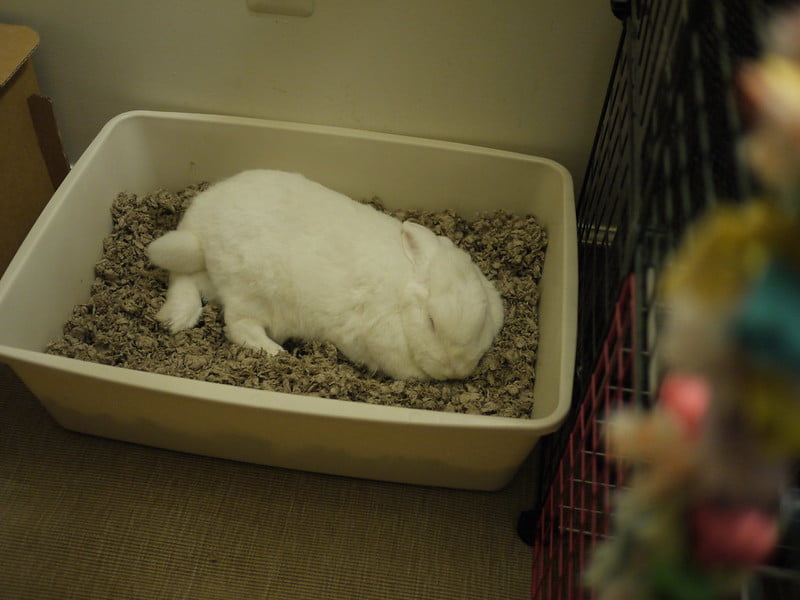
A healthy rabbit produces 200 to 300 fecal pellets every single day. Their digestive system is designed to process food constantly, which means any disruption shows up fast in their litter box.
Here is a general timeline of what happens when a rabbit stops pooping:
| Time Without Pooping | Severity | What Is Happening |
|---|---|---|
| 0 to 6 hours | Monitor closely | Could be stress, minor dietary upset, or a temporary slowdown. Watch for other symptoms. |
| 6 to 12 hours | Concerning | Gut motility is slowing. Rabbit may be in early GI stasis. Contact your vet. |
| 12 to 24 hours | Emergency | GI stasis or blockage is likely. Gas buildup causes severe pain. Vet visit required immediately. |
| 24 to 48 hours | Life-threatening | Organ failure begins. Without treatment, death is likely. Emergency vet care is critical. |
In our experience breeding rabbits, any rabbit that goes more than 10 to 12 hours without producing droppings needs veterinary attention. We do not wait for the 24-hour mark because by then, the damage to the gut can be irreversible.
Why Is Your Rabbit Not Pooping?
A rabbit does not just stop pooping for no reason. There is always an underlying cause, and identifying it quickly helps your vet choose the right treatment. These are the most common reasons:
GI Stasis (Gastrointestinal Stasis)
GI stasis is the most common and most dangerous cause of a rabbit not pooping. It happens when the normal muscle contractions in your rabbit's gut slow down or stop entirely. When the gut stops moving, bacteria in the cecum overproduce gas, which causes extreme pain. That pain makes the rabbit stop eating, which makes the stasis worse, creating a deadly cycle.
The most common triggers for GI stasis include:
- Not enough hay in the diet (fiber keeps the gut moving)
- Dehydration from insufficient water intake
- Stress from environmental changes, loud noises, or a new companion
- Pain from dental disease, urinary issues, or injury
- Sudden diet changes that disrupt gut bacteria
According to a study published in the National Library of Medicine, gastrointestinal disorders are among the leading causes of death in pet rabbits, with stasis being the most frequently diagnosed condition.
Intestinal Blockage
A physical blockage in the intestines prevents food and droppings from passing through. This is different from GI stasis because the gut may still be trying to move, but something is physically in the way.
Common causes of intestinal blockage in rabbits:
- Ingested fur (especially during heavy molting seasons)
- Eating non-food items like carpet fibers, plastic, or rubber
- Clay-based cat litter that clumps inside the digestive tract
- Dried fruit or treats that swell in the stomach
Blockages often require surgery to resolve. If your vet suspects a blockage, they will likely do an X-ray to confirm before deciding on treatment.
Dehydration and Constipation
Rabbits that are not drinking enough water produce dry, small, or no droppings. The fecal matter hardens inside the intestines and becomes difficult to pass. This is more common in rabbits that only drink from a bottle (rather than a bowl) or in rabbits with dental pain that makes drinking uncomfortable.
Make sure your rabbit always has access to clean, fresh water. If you are unsure whether your rabbit is dehydrated, gently pinch the skin at the back of their neck. If it does not snap back immediately, your rabbit is likely dehydrated.
Dental Problems
Rabbits with overgrown molars, spurs, or abscesses often stop eating because chewing is painful. When they stop eating, the gut slows down, and poop output drops to zero. Dental issues are one of the most overlooked causes of GI problems in rabbits because owners cannot easily see the back teeth without a vet's otoscope.
If your rabbit has started grinding their teeth loudly or is drooling, dental disease is a strong possibility.
Warning Signs Your Rabbit Has Stopped Pooping
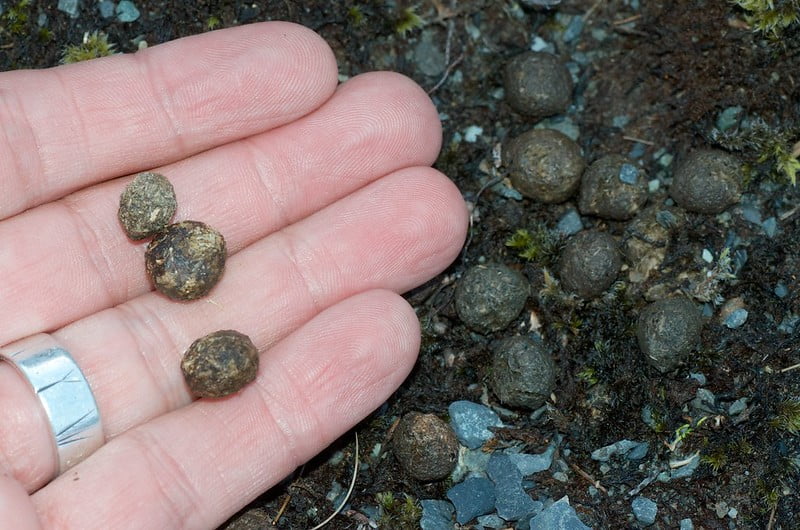
Your rabbit is unlikely to go from perfectly healthy to zero poop output without showing other symptoms first. Here are the warning signs that tell you something is wrong before the poop stops completely:
- Smaller droppings than normal - pellets that are noticeably smaller or irregularly shaped mean the gut is slowing down
- Fewer droppings - if you are cleaning the litter box and there is significantly less poop than usual, pay attention
- Strung-together pellets - droppings connected by strands of fur indicate excessive fur ingestion and potential blockage risk
- Hunched posture - a rabbit sitting in a tight ball with eyes partially closed is in pain
- Teeth grinding (loud) - soft tooth purring is contentment, but loud grinding indicates pain
- Refusing food - a rabbit that turns down its favorite treat is telling you something is seriously wrong
- Bloated or tense abdomen - gently feel your rabbit's belly. If it feels hard, swollen, or your rabbit flinches, gas buildup is likely
- Lethargy - a rabbit that does not move, does not respond to you, or sits in one spot for hours is not just "resting"
We check our rabbits' litter boxes at least twice a day. It takes 10 seconds to glance at the poop output and catch problems early. By the time a rabbit has completely stopped pooping, the situation is already critical.
What Normal Rabbit Poop Should Look Like
To know when something is wrong, you first need to know what healthy rabbit droppings look like. Here is a quick reference:
| Type | Appearance | Normal? |
|---|---|---|
| Fecal pellets | Round, dry, uniform size, dark brown, crumbles to reveal hay fibers | Yes, this is healthy output |
| Cecotropes | Soft, dark, grape-like clusters with a shiny coating | Yes, rabbits eat these directly. You should rarely see them. |
| Small hard pellets | Much smaller than usual, very dry and dark | No. Indicates dehydration or low fiber intake. |
| Mushy droppings | Unformed, wet, smelly, not in pellet shape | No. Usually means too many treats or vegetables, not enough hay. |
| Mucus-coated droppings | Pellets covered in a jelly-like substance | No. Indicates intestinal irritation. See a vet. |
A healthy medium-sized rabbit (6 to 10 pounds) should produce between 220 and 450 grams of fecal pellets per day. You do not need to weigh the poop, just keep a mental note of whether the litter box looks "normal" each time you clean it.
What to Do If Your Rabbit Stops Pooping
If your rabbit has not pooped in 12 hours or more, treat it as an emergency. Here is what to do, step by step:
- Check the litter box thoroughly. Make sure droppings are not hidden under bedding. Check other areas of the room in case your rabbit pooped outside the box.
- Feel your rabbit's abdomen. Gently press on their belly. A hard, swollen, or gas-filled abdomen confirms the gut has stopped moving.
- Offer hay and water. Place fresh timothy hay and a bowl of clean water directly in front of your rabbit. If they refuse both, the situation is serious.
- Gentle belly massage. Using light pressure, massage your rabbit's abdomen in small circular motions. This can sometimes help move gas through the gut. Stop immediately if your rabbit shows signs of pain.
- Keep them warm. Rabbits in GI stasis often have low body temperature. Place a towel-wrapped warm water bottle near (not on) your rabbit.
- Call your vet. Do not wait. Describe the symptoms, how long it has been since the last droppings, and whether your rabbit is eating or drinking. Your vet will likely want to see them the same day.
- Do NOT give medications without vet approval. Some people suggest giving simethicone (gas drops) at home. While this is sometimes appropriate, the dose and timing matter. Never give laxatives, mineral oil, or human medications to a rabbit.
Your vet will likely administer subcutaneous fluids for dehydration, pain medication (usually meloxicam), and a gut motility drug like cisapride or metoclopramide. In severe cases, X-rays are needed to rule out a physical blockage.
How to Prevent Your Rabbit From Developing Poop Problems
Prevention is always better than emergency vet visits. Most cases of GI stasis and poop problems are entirely preventable with proper husbandry. Here is what we do in our own rabbitry:
Unlimited Timothy Hay
Hay should make up 80% or more of your rabbit's diet. The long fiber strands are what keep the gut muscles contracting and moving food through the digestive tract. Without enough fiber, the gut slows down. A rabbit should eat a body-sized pile of hay every single day. If your rabbit is not eating that much hay, something else in their diet is filling them up instead.
Constant Access to Fresh Water
Dehydration is one of the top triggers for GI stasis. We use water bowls instead of bottles because rabbits drink significantly more from bowls. Rabbits can die without water in as little as 24 hours, and dehydration causes gut contents to dry out and stop moving long before that.
Limited Pellets and Treats
Pellets are not the main course. They are a supplement. An adult rabbit should get roughly 1/4 cup of plain timothy pellets per 5 pounds of body weight per day. Excess pellets fill the rabbit up so they eat less hay, which leads to insufficient fiber intake. Sugary treats, yogurt drops, and seed sticks should never be fed to rabbits.
Regular Grooming
Rabbits cannot vomit. Every strand of fur they ingest during grooming must pass through their digestive system. During molting season, the amount of fur they swallow increases dramatically. Brush your rabbit at least twice a week during normal periods and daily during heavy molts to reduce fur ingestion.
Stress Reduction
Stress slows gut motility. Common stressors include loud environments, predator animals (dogs and cats), sudden schedule changes, travel, and being housed alone without companionship. Give your rabbit a consistent routine, a quiet space, and hiding spots where they feel safe.
Daily Health Checks
Check the litter box every day. Count is not necessary, but a visual estimate of "normal amount" versus "less than normal" catches problems 12 to 24 hours earlier than waiting for complete cessation. Also watch eating habits, water consumption, and activity levels.
Frequently Asked Questions
How many times a day should a rabbit poop?
Healthy rabbits produce 200 to 300 fecal pellets per day, spread across their waking hours. There is no set "schedule" because rabbits graze and poop continuously. If you are cleaning the litter box daily, you should see a consistent volume of droppings each time.
Can stress cause a rabbit to stop pooping?
Yes. Stress is a major trigger for GI stasis, which causes reduced or stopped poop output. Moving to a new home, a new pet in the house, loud construction, or even a change in daily routine can stress a rabbit enough to slow their gut motility and reduce droppings.
Should I give my rabbit a laxative if it stops pooping?
No. Never give a rabbit laxatives, mineral oil, or human medications without veterinary guidance. If there is a physical blockage, a laxative can make the situation worse. Contact your vet immediately instead. They may prescribe gut motility drugs and pain medication.
What is the difference between GI stasis and a blockage?
GI stasis is a slowdown or stop of gut muscle contractions, usually caused by low fiber, dehydration, or stress. A blockage is a physical obstruction (fur, foreign object) that prevents material from passing through. Both are emergencies, but blockages may require surgery while stasis is usually treated with fluids and medication.
Is it normal for rabbits to poop less at night?
Rabbits are crepuscular, meaning they are most active at dawn and dusk. They may produce slightly fewer fecal pellets during deep rest periods, but they should never stop completely. If the litter box is empty in the morning, that is not normal and warrants investigation.
Cite this article:
BunnySync (February 21, 2026) How Long Can Rabbits Go Without Pooping?. Retrieved from https://bunnysync.com/blog/how-long-can-rabbits-go-without-pooping.
"How Long Can Rabbits Go Without Pooping?." BunnySync - February 21, 2026, https://bunnysync.com/blog/how-long-can-rabbits-go-without-pooping