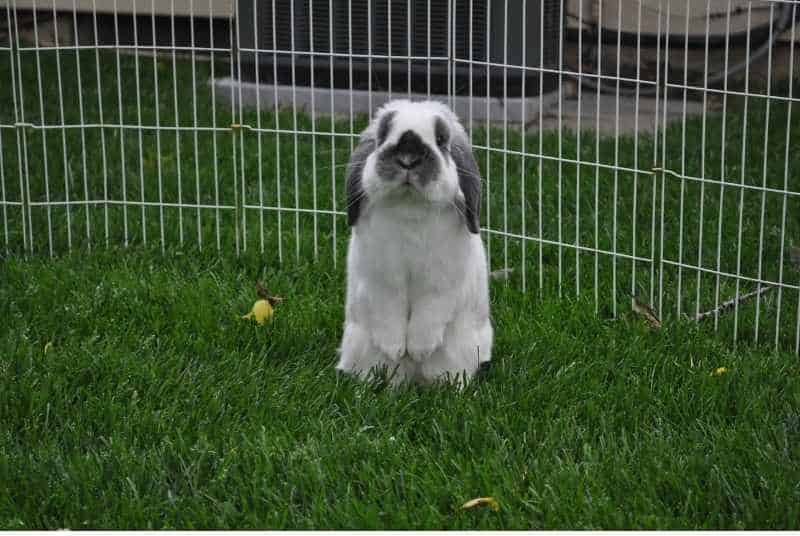
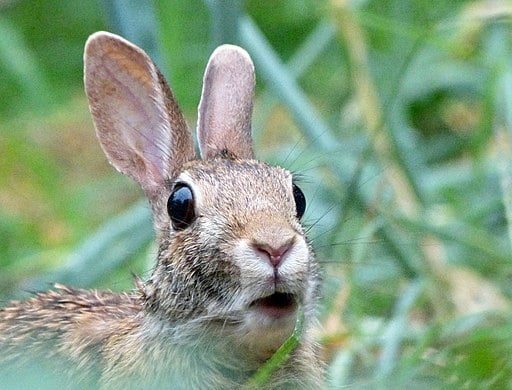
A healthy adult rabbit produces between 200 and 500 fecal pellets per day. In terms of weight, that works out to roughly 100 to 500 grams of manure daily, depending on the rabbit's size, breed, and diet. Small breeds under 3.5 pounds typically produce less than 133 grams, medium breeds between 6 and 10 pounds produce 220 to 450 grams, and large breeds over 9 pounds can exceed 1,000 grams per day. If those numbers sound like a lot, they are. Rabbits are prolific poopers, and for good reason: their entire digestive system is built around constant movement.
Understanding your rabbit's daily poop output matters more than most owners realize. Changes in the amount, size, shape, or texture of your rabbit's droppings are often the first visible sign of illness. Knowing what is normal for your specific rabbit gives you a baseline to catch problems early, before they become life-threatening.
How Much Poop Should a Rabbit Produce by Size?
The single biggest factor in how much poop a rabbit produces is its body weight. Larger rabbits eat more, process more fiber, and naturally produce more waste. Here is a breakdown by size category:
| Rabbit Size | Body Weight | Daily Manure (grams) | Approximate Pellet Count |
|---|---|---|---|
| Small Breed | 1.1 to 3.5 lbs | Less than 133g | 100 to 200 |
| Medium Breed | 6 to 10 lbs | 220 to 450g | 200 to 350 |
| Large Breed | 9 to 12 lbs | 500 to 1,000g+ | 300 to 500+ |
| Giant Breed | 12+ lbs | 1,000g+ | 400 to 500+ |
These numbers represent total daily fecal output, including both regular droppings and cecotropes (the soft, nutrient-rich droppings rabbits re-ingest). Keep in mind that you will not see all of these pellets in the litter box because healthy rabbits eat their cecotropes directly from their body, usually during quiet hours.
If you are concerned about whether your rabbit's output falls within a normal range, start by monitoring the litter box over a 24-hour period. Count or estimate the pellets, and compare that number over several days to establish a personal baseline for your rabbit. This is far more useful than relying on averages alone, since individual rabbits vary quite a bit.
Why Do Rabbits Poop So Much?
Rabbits poop constantly because their digestive system is designed for continuous throughput. Unlike animals that eat large meals and digest them over hours, rabbits are hindgut fermenters. They extract nutrients by pushing food through a long, specialized digestive tract at a steady pace. If that movement slows down or stops, the consequences can be fatal.
The rabbit's digestive process works like this: food enters the stomach, passes through the small intestine where simple nutrients are absorbed, then reaches the cecum. The cecum is a large, fermentation chamber where beneficial bacteria break down fiber into usable nutrients. Indigestible fiber gets separated and expelled as hard, round fecal pellets. Digestible fiber gets formed into cecotropes, which the rabbit eats again to absorb the nutrients.
This two-pass system means rabbits are essentially processing their food twice, which doubles their output compared to what you might expect from an animal their size. A rabbit that suddenly stops producing this volume of droppings is a rabbit in trouble. If you ever notice a significant drop in output, check our guide on how long rabbits can go without pooping to understand the emergency timeline.
What Does Healthy Rabbit Poop Look Like?
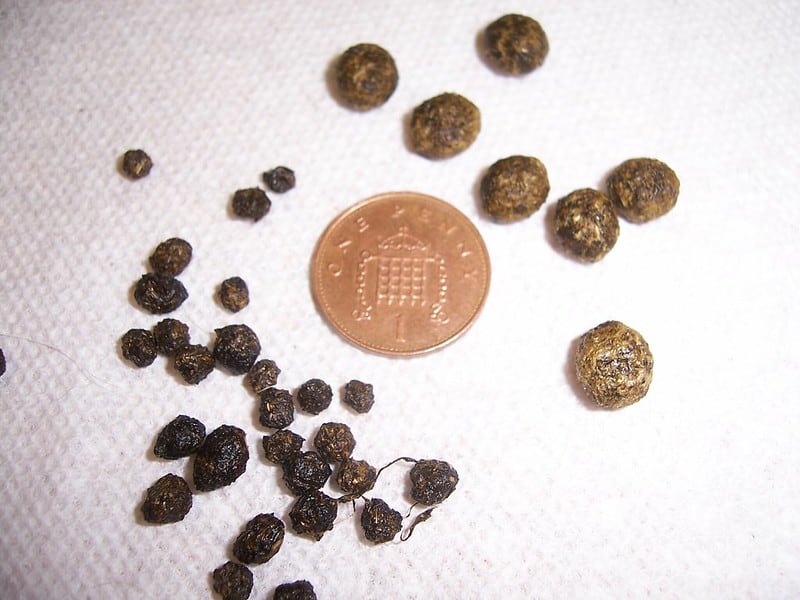
Healthy rabbit fecal pellets have very specific characteristics. Knowing what to look for helps you spot problems before they escalate.
Normal Fecal Pellets
- Shape: Round, like small peas or cocoa puffs
- Color: Medium to dark brown (varies with diet)
- Texture: Dry on the outside, crumbly when broken open
- Size: 7 to 12mm in diameter for adult rabbits
- Consistency: Uniform in size and shape throughout the day
- Smell: Very mild, almost odorless when fresh
When you break a healthy fecal pellet apart, you should see visible fiber strands inside. This is a sign that your rabbit is eating enough hay, which should make up 80% or more of their diet. Pellets that are dark, small, and hard may indicate dehydration or insufficient fiber intake.
Cecotropes (Night Droppings)
Cecotropes look completely different from regular fecal pellets. They are soft, dark, shiny, and clustered together like tiny bunches of grapes. They have a strong, pungent smell. You should rarely see cecotropes in the litter box because rabbits eat them directly as they are produced, usually during the early morning or late evening hours.
If you are regularly finding uneaten cecotropes in the cage, this can signal several issues: obesity making it hard for the rabbit to reach them, dental problems, too many pellets or treats in the diet, or arthritis in older rabbits. Finding poop stuck to your rabbit's bum is another common sign that cecotropes are not being properly consumed.
What Affects How Much Your Rabbit Poops?
While size is the primary factor, several other variables influence your rabbit's daily output.
Diet Composition
Diet has the most dramatic effect on poop volume and quality after body size. Rabbits fed a high-hay diet produce more numerous, lighter-colored, and larger pellets. The fiber content in hay stimulates gut motility and keeps the cecum functioning properly.
Rabbits given excessive pellets or treats, especially those high in carbohydrates or sugar, tend to produce fewer but larger and sometimes misshapen droppings. High-carb pellets can also increase the size and mushiness of cecotropes, making them harder for the rabbit to consume cleanly.
A sudden diet change will almost always cause a temporary shift in poop output. This is why experienced breeders transition rabbits to new foods gradually over 7 to 14 days, mixing increasing amounts of the new food with the old.
Hydration
Water intake directly affects poop consistency. A well-hydrated rabbit produces softer, larger pellets. A dehydrated rabbit produces smaller, darker, harder pellets that may be irregularly shaped or strung together with fur. Always ensure fresh water is available, and consider offering both a water bottle and a bowl, since many rabbits prefer drinking from bowls and will consume more water that way.
Age
Baby rabbits under 8 weeks produce very small, soft droppings as their digestive systems are still developing. As kits transition from milk to solid food (starting around 3 weeks), their poop gradually changes. By 12 weeks, most rabbits have fully developed digestive systems and produce adult-sized droppings proportional to their body weight.
Senior rabbits (over 6 years) may produce slightly less poop as their metabolism slows and they eat less. This is normal as long as the change is gradual. A sudden decrease in an older rabbit's output still warrants veterinary attention.
Health Conditions
Several health issues directly impact poop production:
- GI stasis: The most dangerous digestive condition in rabbits. Gut motility slows or stops completely, resulting in dramatically reduced or zero fecal output. According to veterinary research on managing GI stasis, this condition can become fatal within 24 to 48 hours without treatment.
- Diarrhea: True diarrhea (watery, formless stool) is a medical emergency in rabbits. It dramatically increases output volume but in an unhealthy way. Do not confuse mushy cecotropes with diarrhea.
- Intestinal blockages: Hairballs or ingested foreign materials can partially or fully obstruct the gut, causing reduced output and pain.
- Dental disease: Rabbits with overgrown teeth or dental abscesses eat less, which reduces poop output.
- Parasites: Coccidia and other intestinal parasites can alter both the volume and appearance of droppings.
Stress and Activity Level
Stressed rabbits often show changes in their poop. A rabbit that has been frightened, moved to a new environment, or is dealing with a bonding situation may temporarily produce fewer or smaller droppings. Active rabbits that get regular exercise time tend to have better gut motility and more consistent output than sedentary rabbits kept in small cages.
How Do You Know If Your Rabbit's Poop Output Is Normal?
There is no universal "right" number of droppings per day because every rabbit is different. The only reliable method is establishing your own rabbit's baseline through regular observation.
Here is a practical approach:
- Clean the litter box completely at the same time each day
- After 24 hours, observe the volume of droppings before cleaning again
- Note the approximate amount (a handful, two handfuls, half a litter box, etc.)
- Do this for 5 to 7 days to establish what is normal
- Going forward, any significant deviation from that baseline deserves attention
Pay attention to these specific warning signs during your daily checks:
- Pellets that are significantly smaller than usual
- Pellets strung together with fur (a sign of excessive grooming or early GI slowdown)
- A sudden drop in total volume (50% less or more)
- Misshapen, irregular, or mushy pellets
- Complete absence of droppings for 12+ hours
If you notice any of these changes and your rabbit is also refusing food, sitting hunched, or grinding their teeth, treat it as an emergency. Read our detailed guide on what to do if your rabbit is not pooping for immediate steps to take.
What Should You Do If Your Rabbit Is Pooping Less Than Usual?
A decrease in poop output is almost always more concerning than an increase. Here is what to do, in order of priority:
- Check for other symptoms. Is the rabbit eating? Drinking? Moving normally? Grinding teeth? A rabbit that is not eating AND not pooping needs veterinary care within hours, not days.
- Offer unlimited hay. Timothy hay, orchard grass, or meadow hay should always be available. The fiber stimulates gut motility and can help get things moving again.
- Encourage hydration. Offer fresh water in a bowl (not just a bottle). You can also offer a small amount of water-rich vegetables like cilantro or romaine lettuce to boost fluid intake.
- Gentle belly massage. Some owners have success gently massaging the rabbit's abdomen in a clockwise direction to encourage gut movement. Only do this if the rabbit is not showing signs of pain.
- Contact your veterinarian. If output does not return to normal within 6 to 8 hours, or if the rabbit shows any sign of distress, call your rabbit-savvy vet immediately.
Never give your rabbit laxatives, mineral oil, or human digestive medications. These can be extremely dangerous for rabbits and can worsen the underlying problem.
What If Your Rabbit Is Producing Too Much Poop or Has Diarrhea?
An increase in poop volume is less alarming than a decrease, but it still deserves investigation. Common causes include:
- Diet change: Switching hay types, introducing new vegetables, or changing pellet brands can temporarily increase output. This usually stabilizes within a week.
- Excess pellets or treats: High-calorie foods cause larger, softer droppings. Reduce pellets to 1/4 cup per 5 pounds of body weight and limit treats.
- Excess greens: Too many leafy greens at once can cause soft stools. Introduce greens gradually and stick to 1 packed cup per 2 pounds of body weight daily.
True diarrhea in rabbits, which is completely liquid stool with no form at all, is a veterinary emergency. This is different from soft cecotropes, which still have a grape-like cluster shape even when mushy. True diarrhea is most common in unweaned kits and can be fatal within hours due to rapid dehydration.
How to Manage Your Rabbit's Daily Poop
With hundreds of pellets per day, managing rabbit waste is a daily reality for owners. Here are practical strategies that experienced breeders rely on.
Litter Box Setup
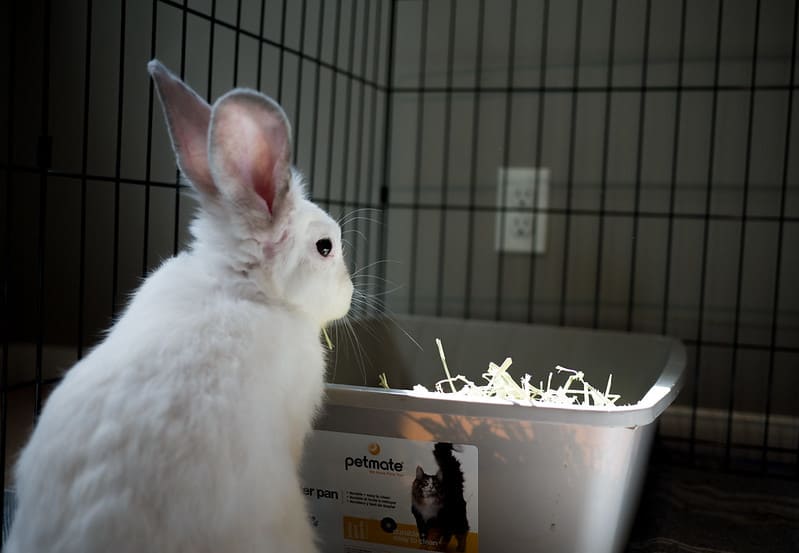
A properly set up litter box makes cleanup dramatically easier. Use a large, shallow plastic bin lined with newspaper, then add a layer of paper-based or wood-pellet litter (avoid clumping cat litter and cedar or pine shavings). Place a generous amount of hay at one end of the box. Rabbits naturally eat and poop at the same time, so this setup encourages them to use the box consistently.
For guidance on the right cleaning schedule, check our article on how often to change your rabbit's litter. Most owners find that spot-cleaning daily and doing a full change every 3 to 4 days works well for a single rabbit.
Cleaning Tips
Rabbit poop is one of the easiest pet wastes to clean up. The dry fecal pellets have very little odor and can be swept or vacuumed easily. For hardwood or tile floors, a small handheld vacuum works well for quick daily pickups. For carpeted areas, the pellets can be picked up once dry without leaving stains.
The real smell challenge comes from urine, not feces. If you are dealing with odor issues, focus on improving cage and litter box odor control through proper ventilation, absorbent litter, and regular cleaning schedules.
Composting Rabbit Manure
One of the best things about rabbit poop is that it is an exceptional garden fertilizer. Unlike chicken or horse manure, rabbit manure is considered a "cold" manure, meaning it can be applied directly to garden beds without composting first. It will not burn plants.
Rabbit manure contains approximately 2.4% nitrogen, 1.4% phosphorus, and 0.6% potassium, making it one of the most nutrient-rich animal manures available, according to Oregon State University Extension. Many small-scale rabbit keepers sell or trade their rabbit manure to local gardeners, which can help offset the cost of hay and pellets.
To compost rabbit manure, simply add it to your compost bin along with the soiled paper or hay bedding. It breaks down quickly and produces rich, dark compost within 3 to 6 months.
Rabbit Poop vs. Other Pet Waste: A Quick Comparison
For new rabbit owners coming from dogs or cats, the sheer volume of rabbit poop can be surprising. Here is how it compares:
| Animal | Daily Waste Volume | Odor Level | Cleanup Difficulty |
|---|---|---|---|
| Rabbit | 200-500 pellets | Very low (fecal pellets) | Easy (dry, sweepable) |
| Cat | 1-2 deposits | High | Moderate (requires scooping) |
| Small Dog | 1-3 deposits | High | Moderate (bags required) |
| Guinea Pig | 100-150 pellets | Low | Easy (similar to rabbit) |
While rabbits produce far more individual droppings, the cleanup is arguably easier than cats or dogs because the pellets are dry, compact, and nearly odorless. Most rabbit owners find that once they establish a good litter box routine, managing the daily output becomes second nature.
Frequently Asked Questions
Is it normal for a rabbit to poop 300 times a day?
Yes, 200 to 500 fecal pellets per day is completely normal for a healthy adult rabbit. Rabbits are hindgut fermenters with digestive systems designed for continuous processing. A high pellet count is a sign that the gut is functioning properly and your rabbit is eating enough fiber.
Why is my rabbit suddenly pooping less?
A sudden decrease in poop output often signals a digestive problem like GI stasis, dehydration, or a blockage. Check whether your rabbit is still eating and drinking normally. If the rabbit has produced no droppings for 12 hours or more, contact a rabbit-savvy veterinarian immediately, as GI stasis can become fatal fast.
Should I be worried about finding soft, dark droppings?
Soft, dark, grape-like clusters are cecotropes, which are a normal and essential part of rabbit digestion. Rabbits eat these to absorb nutrients their gut could not extract on the first pass. Finding occasional uneaten cecotropes is not unusual, but regularly seeing them may indicate an overly rich diet or mobility issues.
Can rabbit poop make you sick?
Rabbit fecal pellets pose very low health risk to humans. They do not commonly carry diseases transmissible to people through casual contact. Basic hygiene, like washing hands after cleaning the litter box, is sufficient. Rabbit poop is considered one of the safest animal wastes to handle, which is why it is popular as a direct garden fertilizer.
Does the type of hay affect how much my rabbit poops?
Yes, hay type influences both volume and quality of droppings. Timothy hay, which is high in fiber, tends to produce the most consistent and well-formed pellets. Alfalfa hay, which is richer in protein and calcium, can produce larger and softer droppings and is generally only recommended for rabbits under 6 months old.
Cite this article:
Cite this article:
BunnySync (February 21, 2026) How Much Poop Does a Rabbit Produce in a Day?. Retrieved from https://bunnysync.com/blog/how-much-poop-does-a-rabbit-produce-in-a-day.
"How Much Poop Does a Rabbit Produce in a Day?." BunnySync - February 21, 2026, https://bunnysync.com/blog/how-much-poop-does-a-rabbit-produce-in-a-day
Sources and further reading
- Buseth, Marit Emilie., and Richard A. Saunders. Rabbit Behaviour, Health, and Care. CABI, 2014.
- Lebas, F. The Rabbit: Husbandry, Health, and Production. Food and Agriculture Organization of the United Nations, 1997.
- Patry, Karen, et al. The Rabbit-Raising Problem Solver: Your Questions Answered about Housing, Feeding, Behavior, Health Care, Breeding, and Kindling. Storey Publishing, 2014.
- Oregon State University Extension. Raising Rabbits. Oregon State University, 2024.
Image credit - "Rabbit Poop with Friend" by Mr. Greenjeans is licensed with CC BY-NC-SA 2.0. To view a copy of this license, visit https://creativecommons.org/licenses/by-nc-sa/2.0/