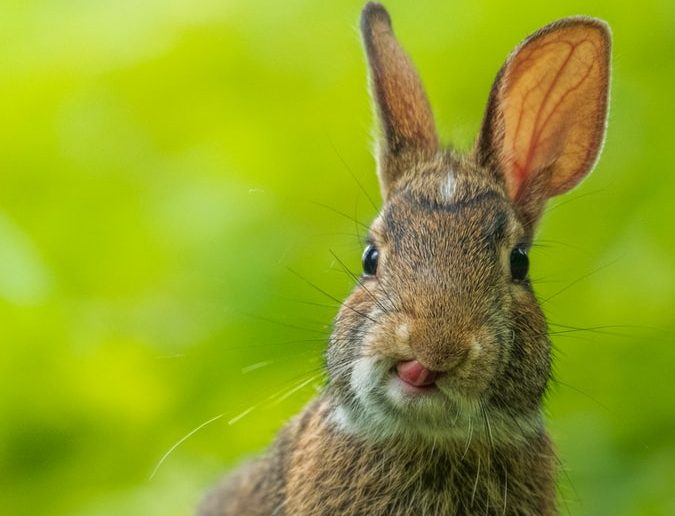
No, rabbits should not eat edamame. Edamame (immature soybeans) are legumes that cause gas buildup, digestive distress, and potential hormonal disruption in rabbits. The combination of high starch, lectins, and phytoestrogens makes edamame one of the worst foods you can offer a rabbit. If your rabbit accidentally ate a small piece of edamame, they will likely be fine, but this is not a food you should ever feed intentionally.
Rabbits are hindgut fermenters with a digestive system built for high-fiber, low-starch foods like timothy hay and leafy greens. Legumes like edamame, lentils, and beans ferment in the cecum in ways that produce excess gas, which rabbits cannot expel easily. This gas buildup leads to painful bloating and can trigger GI stasis.
Why Is Edamame Bad for Rabbits?
Edamame contains several compounds that are harmful to rabbits. Understanding each one helps explain why this food is so problematic.
High Starch Content
Edamame contains approximately 2.8 grams of starch per 100 grams. While that may not sound like much compared to human foods, rabbits are designed for a near-zero starch diet. Their digestive system processes fiber efficiently but handles starch poorly. When starch reaches the cecum undigested, it feeds harmful bacteria that produce gas and toxins.
Here is how edamame compares to foods rabbits should actually eat:
| Food | Starch per 100g | Fiber per 100g | Safe for Rabbits? |
|---|---|---|---|
| Timothy hay | ~0g | ~34g | Yes, unlimited |
| Romaine lettuce | ~0.1g | ~2.1g | Yes, daily |
| Carrot tops | ~0g | ~2.8g | Yes, daily |
| Edamame (cooked) | ~2.8g | ~5.2g | No |
| Lentils (cooked) | ~10.5g | ~7.9g | No |
| White rice (cooked) | ~28g | ~0.4g | No |
The pattern is clear: foods that are safe for rabbits have minimal starch and high fiber. Edamame has the opposite profile of what a rabbit's gut needs.
Lectins
Edamame is high in lectins, which are proteins that bind to carbohydrates and resist digestion. In the human gut, cooking breaks down most lectins to safe levels. In a rabbit's gut, the situation is different. Lectins remain stable in the acidic environment of the rabbit's digestive tract and can irritate the intestinal lining.
When lectins accumulate in the gut, they can disrupt the bacterial balance in the cecum, interfere with nutrient absorption, and cause inflammation that leads to diarrhea or GI slowdown. Even small amounts of lectin-rich foods are harder on a rabbit's system than on a human's.
Phytoestrogens
Soybeans are one of the highest natural sources of phytoestrogens, plant-based compounds that mimic the hormone estrogen in the body. According to a study published in Theriogenology, prolonged consumption of a phytoestrogen-rich diet reduces libido and testicular function in adult male rabbits.
For breeders, this is especially concerning. Feeding soy-based foods to breeding bucks can lower their reproductive drive and reduce breeding success. While the same study found that fertility (the ability to produce offspring) was not permanently affected, the reduced libido alone is a problem in any breeding program.
Even for pet rabbits that are spayed or neutered, phytoestrogens can disrupt normal hormonal balance. There is no benefit to exposing your rabbit to these compounds when safer food options exist.
Gas Production
Legumes are notorious for causing gas in most animals, and rabbits are particularly vulnerable. Unlike humans, rabbits cannot burp or pass gas efficiently. When gas builds up in the intestines, it causes intense pain, the rabbit stops eating, and the gut slows down further. This creates a dangerous cycle that can quickly escalate to GI stasis.
The oligosaccharides in edamame (raffinose and stachyose) are the specific sugars responsible for gas production. These sugars cannot be broken down by the rabbit's own enzymes and instead ferment in the cecum, producing hydrogen and carbon dioxide gas.
What Happens If Your Rabbit Ate Edamame?
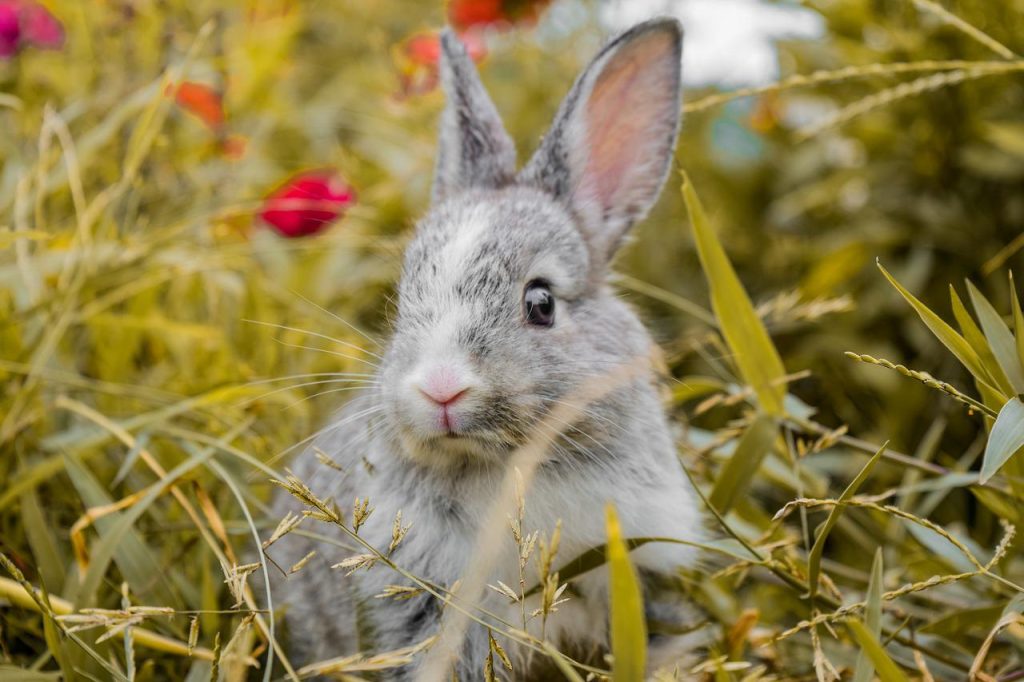
If your rabbit ate a small piece of edamame, do not panic. One or two beans will not cause a medical emergency in most healthy rabbits. Here is what to do:
- Offer unlimited hay immediately. The fiber in hay helps push the edamame through the digestive system and keeps the gut moving.
- Make sure fresh water is available. Hydration supports digestion and helps prevent the gut from slowing down.
- Monitor their droppings for 24 to 48 hours. Watch for smaller-than-normal pellets, soft droppings, mucus-coated feces, or a complete stop in poop production.
- Watch for signs of gas pain. A rabbit with gas pain will sit hunched, press their belly to the floor, grind their teeth loudly, or refuse to move. If you see these signs, contact your vet.
- Do not feed any more edamame. Even if your rabbit seems fine, do not treat this as permission to offer edamame regularly.
The amount matters significantly. A rabbit that ate an entire bowl of edamame is at much higher risk than one that nibbled a single bean. Large amounts can cause severe bloating, GI stasis, and potentially life-threatening complications that require emergency veterinary care.
What About Other Soy Products?
If edamame is unsafe, you might wonder about other soy-based foods. The short answer is that all soy products should be avoided for rabbits:
| Soy Product | Safe for Rabbits? | Reason |
|---|---|---|
| Edamame (whole beans) | No | High starch, lectins, phytoestrogens, gas-producing |
| Tofu | No | Processed soy with concentrated phytoestrogens |
| Soy milk | No | Rabbits should never drink milk of any kind after weaning |
| Soybean hulls (in pellets) | In small amounts | Some commercial pellets contain soybean hulls as a fiber source. This is processed differently than whole soybeans. |
| Soy sauce | No | Extremely high sodium. Dangerous for rabbits. |
The one exception is soybean hulls that appear as an ingredient in commercial rabbit pellets. These hulls have been processed to remove most of the problematic compounds and serve as a fiber source. This is not the same as feeding whole edamame. If your rabbit's pellets list soybean hulls in the ingredients, that is generally considered safe by most veterinary nutritionists.
Other Legumes Rabbits Should Avoid
Edamame is not the only legume that is dangerous for rabbits. All beans and legumes share similar properties that make them unsuitable:
- Lentils contain even more starch than edamame and cause severe gas buildup
- Peanuts are technically legumes with extremely high fat content that can cause obesity and liver problems
- Kidney beans, black beans, and chickpeas are all high in starch and lectins that disrupt rabbit digestion
- Green beans are the one legume sometimes considered marginally acceptable in very small amounts, but they still carry gas risk
The safest rule is to avoid all beans and legumes entirely. There is no nutritional benefit they provide that your rabbit cannot get from hay, leafy greens, and a small amount of pellets.
Safe Alternatives to Edamame for Rabbits
If you want to give your rabbit a protein-rich snack, you do not need legumes. Rabbits get all the protein they need from hay and pellets. The best snacks for rabbits are leafy greens and herbs that are high in fiber and low in starch and sugar.
Daily Safe Vegetables (Unlimited Rotation)
Rotate 3 to 5 different greens each day to provide variety and prevent calcium buildup from any single source:
| Vegetable | Key Benefit | Feeding Notes |
|---|---|---|
| Romaine lettuce | High water content, very low calorie | Great daily staple. Avoid iceberg lettuce (no nutrition). |
| Cilantro | Rich in vitamins A, C, and K | Most rabbits love the flavor. Feed generously. |
| Parsley | High in calcium and iron | Rotate with lower-calcium greens to balance intake. |
| Basil | Antioxidant-rich herb | Feed fresh. A favorite for picky eaters. |
| Bok choy | Low oxalate, high fiber for a leafy green | Safe daily. Both leaves and stems are fine. |
| Carrot tops | More nutritious than the carrot itself | Feed the greens freely. Limit the carrot root to treats only. |
| Dandelion greens | Natural diuretic, supports urinary health | Must be pesticide-free. Wild-foraged is fine if untreated. |
Occasional Treats (1 to 2 Tablespoons Per Day)
- Small piece of apple (remove seeds, they contain cyanide)
- A few blueberries (high in antioxidants)
- Small slice of banana (very sugary, keep portions tiny)
- A strawberry with the top on (most rabbits eat the leaves too)
For a complete list of rabbit-safe foods, check our guide on what vegetables rabbits can eat.
How to Recognize Gas Pain in Rabbits
Since gas buildup is the primary danger of edamame, every rabbit owner should know the warning signs. Gas pain in rabbits is excruciating, and they hide it well because prey animals instinctively mask vulnerability. By the time symptoms are obvious, the pain is already severe.
Watch for these specific behaviors:
- Pressing belly to the floor. A rabbit lying flat with their abdomen pressed against a cool surface is trying to relieve abdominal pressure.
- Hunched posture with squinted eyes. This is the classic pain position. The rabbit tucks their legs under their body and partially closes their eyes.
- Loud tooth grinding (bruxism). Soft tooth clicking means contentment, but loud, audible grinding that you can hear across the room means pain.
- Refusing favorite treats. A rabbit in gas pain will not eat, even if you offer their most loved food. This is one of the most reliable indicators that something is seriously wrong.
- Restlessness followed by lethargy. The rabbit may repeatedly shift positions, stretch, then curl up, unable to find a comfortable spot. Eventually they stop moving altogether.
- Bloated or tense abdomen. Gently feel your rabbit's belly. If it feels tight, drum-like, or distended compared to normal, gas is building up.
If you see any combination of these symptoms after your rabbit ate edamame or any other unsuitable food, contact your veterinarian immediately. Simethicone (infant gas drops) at 1 to 2 ml can sometimes provide temporary relief, but it is not a substitute for veterinary care.
How to Protect Your Rabbit from Eating Edamame
Rabbits are curious animals that will try to eat almost anything they can reach. If you keep edamame in your home or grow soybeans in your garden, take these precautions:
- Store edamame in sealed containers inside the refrigerator or a cabinet your rabbit cannot access
- Never leave edamame unattended on a table or counter if your rabbit free-roams in the house
- Fence off garden soybean plants if your rabbit has outdoor access. Wild rabbits love soybean plants, and domestic rabbits will eat them just as eagerly.
- Check ingredient lists on treats. Some commercial rabbit treats contain soy-based ingredients. Avoid these products.
Frequently Asked Questions
Can rabbits eat edamame shells?
No. The edamame pod (shell) contains the same lectins and oligosaccharides as the beans inside. While the pod has more fiber, it still causes gas and digestive irritation in rabbits. Do not feed any part of the edamame plant to your rabbit.
Will one edamame bean kill my rabbit?
One bean will not kill a healthy rabbit. The danger comes from repeated feeding or large quantities. A single bean may cause mild gas discomfort at worst. Offer plenty of hay and fresh water, and monitor droppings for 24 hours. If your rabbit stops pooping or eating, contact your vet.
Are edamame leaves safe for rabbits?
Soybean leaves are not recommended for rabbits. While less starchy than the beans themselves, the leaves still contain phytoestrogens and lectins. There are far safer leafy greens available, like romaine lettuce, cilantro, and parsley, that provide nutrients without the risks.
Can rabbits eat frozen edamame?
No. Frozen, fresh, cooked, or raw edamame are all unsafe for rabbits. The cooking or freezing process does not remove the lectins, phytoestrogens, or gas-producing sugars that make edamame harmful. The form does not change the fact that this is a legume rabbits should not eat.
Why do wild rabbits eat soybean plants if edamame is bad for them?
Wild rabbits primarily eat the leaves and young stems of soybean plants, not the mature beans. They also have different gut bacteria adapted to a wider range of wild plants. Domestic rabbits have more sensitive digestive systems because they have been raised on controlled diets for generations.
Cite this article:
BunnySync (February 21, 2026) Can Rabbits Eat Edamame?. Retrieved from https://bunnysync.com/blog/can-rabbits-eat-edamame.
"Can Rabbits Eat Edamame?." BunnySync - February 21, 2026, https://bunnysync.com/blog/can-rabbits-eat-edamame