Yes, rabbits can eat strawberries safely, but only as an occasional treat. If your rabbit is at least 7 months old, you can offer 1 to 2 teaspoons of fresh strawberry per 2 pounds of body weight, no more than twice a week. Strawberries are not toxic to rabbits, but their high sugar content means they should never replace the unlimited hay that should make up 80% of your rabbit's diet. As breeders, we love using small strawberry pieces as a bonding treat or training reward, but portion control is everything.
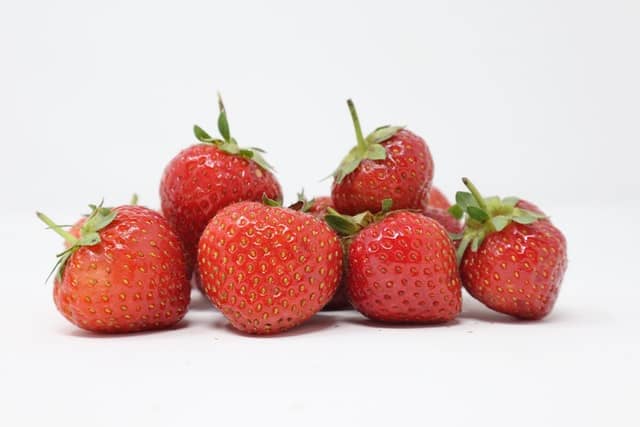
Strawberries (Fragaria x ananassa) are one of the most popular fruits among rabbit owners, and for good reason. They are soft, easy to portion, and most rabbits go absolutely wild for them. But like all fruits, they come with rules. In this guide, we break down exactly how much to feed, which parts are safe, what age to start, and the real risks of giving too many.
Are Strawberries Safe for Rabbits?
Strawberries are completely safe for healthy adult rabbits when fed in the correct amounts. They contain no compounds that are toxic to rabbits, and every part of the strawberry plant, including the fruit, leaves, stems, and flowers, is non-toxic.
That said, "safe" does not mean "feed freely." The main concern with strawberries is their sugar content. Per 100 grams, strawberries contain approximately 4.9 grams of sugar, 2 grams of fiber, and 32 calories. While that sugar content is actually lower than many other fruits (bananas have about 12g per 100g, for comparison), it is still far too high for a rabbit's sensitive digestive system when consumed in large amounts.
A rabbit's gut is specifically designed to process high-fiber, low-sugar foods. When you introduce too much sugar, even from natural sources like fruit, it disrupts the delicate balance of bacteria in the cecum. This can trigger soft stools, uneaten cecotropes, or in serious cases, gastrointestinal stasis, a potentially fatal slowdown of the digestive system.
The bottom line: strawberries are safe when treated as what they are, a treat. Not a meal, not a supplement, not a daily snack.
How Many Strawberries Can a Rabbit Eat?
The correct portion depends on your rabbit's body weight. As a general rule, fruit treats (including strawberries) should be limited to 1 to 2 tablespoons per 5 pounds of body weight, given no more than two times per week. Here is a breakdown by breed size:
| Rabbit Size (by breed) | Body Weight Range | Strawberry Portion (2x per week max) |
|---|---|---|
| Small breeds (Netherland Dwarf, Mini Rex, Holland Lop) | 1.1 to 3.5 lbs | 1 teaspoon (about half a small strawberry) |
| Medium breeds (Dutch, Mini Lop, Rex) | 6 to 10 lbs | 1 to 2 tablespoons (1 small strawberry) |
| Large breeds (New Zealand, Flemish Giant, Californian) | 9 to 14+ lbs | 2 to 3 tablespoons (1 to 1.5 medium strawberries) |
Source: Patry, Karen, et al. The Rabbit-Raising Problem Solver. Storey Publishing, 2014.
These portions might seem small, and they are. But remember, your rabbit's stomach is roughly the size of a golf ball (in dwarf breeds) to a tennis ball (in giant breeds). A single large strawberry can represent a significant percentage of their stomach capacity, and it is all sugar with almost no fiber to help push things through.
We recommend cutting strawberries into small, pea-sized pieces. This makes it easier to control portions and also works perfectly for training or bonding sessions where you want to reward your rabbit multiple times without overfeeding.
At What Age Can Rabbits Eat Strawberries?
Rabbits should not eat strawberries or any other fruit until they are at least 7 months old. Before that age, their digestive system is still developing, and their diet should consist exclusively of:
- Unlimited hay (alfalfa hay for rabbits under 7 months, then transition to timothy hay)
- Age-appropriate pellets rich in fiber and protein
- Fresh water at all times
Young rabbits have higher protein and fiber requirements to support proper growth. Introducing sugary treats like strawberries too early can fill them up before they eat enough hay, leading to nutritional deficiencies and digestive problems. It can also create a preference for sweet foods over hay, which becomes a serious long-term issue.
Here is an age-based feeding guide for fruits like strawberries:
| Age | Fruit Allowance |
|---|---|
| 7 weeks to 7 months | No fruit at all |
| 7 months to 1 year | No more than 1 to 2 oz (30 to 60g) per 6 lbs body weight |
| Adult (1 to 5 years) | No more than 2 tablespoons per 6 lbs body weight |
| Senior (6+ years) | Consult your veterinarian for a specialized diet |
Source: Lafeber Veterinary - Basic Rabbit Care
When you do introduce strawberries for the first time after 7 months, start with a very small piece, about the size of your pinky fingernail. Wait 24 hours and watch for any changes in stool consistency. If their droppings remain firm and round, you can gradually increase to the full recommended portion over the next week or two.
What Are the Nutritional Benefits of Strawberries for Rabbits?
While strawberries should never be relied upon for nutrition (that is hay's job), they do contain some beneficial nutrients that your rabbit gets in small amounts during treat time:
| Nutrient (per 100g) | Amount | Benefit for Rabbits |
|---|---|---|
| Vitamin C | 58.8 mg | Supports immune function (rabbits produce their own, but a boost does not hurt) |
| Manganese | 0.39 mg | Supports bone health and metabolism |
| Potassium | 153 mg | Important for muscle and nerve function |
| Folate (B9) | 24 mcg | Supports cell growth, especially important for breeding does |
| Fiber | 2.0 g | Some digestive benefit, though far less than hay |
| Water | 91% | Adds hydration, especially useful in warmer months |
The most notable benefit is the high water content. At 91% water, strawberries can serve as a hydrating treat during hot summer days. Some breeders we know freeze small strawberry pieces and offer them as cooling treats when temperatures climb above 85F (29C). This is a smart approach since rabbits are particularly vulnerable to heat stress.
That said, do not let these benefits fool you into thinking more is better. The nutritional value of strawberries is negligible compared to what your rabbit gets from a proper hay, pellet, and leafy green diet. Treats are treats, nothing more.
Which Parts of the Strawberry Can Rabbits Eat?
Every part of the strawberry plant is safe for rabbits. Here is a breakdown:
- The fruit itself: Safe in the portions described above. Wash thoroughly before serving to remove pesticide residue.
- The green tops (calyx and leaves): Completely safe and actually lower in sugar than the fruit. Many rabbits enjoy nibbling these.
- Strawberry leaves from the plant: Safe and even used in some traditional herbal remedies for rabbits. They contain tannins that may help with mild digestive upset.
- Seeds (achenes): The tiny seeds on the outside of strawberries are perfectly safe. They are small enough to pass through without any issue.
- Stems: Safe but not particularly appealing to most rabbits. No need to worry if they eat some.
- Flowers: Safe and sometimes eaten by rabbits with access to strawberry plants in a garden setting.
If you grow your own strawberries, your rabbit can safely snack on leaves and flowers from the plant. Just make sure the plants have not been treated with pesticides or chemical fertilizers.
What Are the Risks of Overfeeding Strawberries to Rabbits?

Feeding too many strawberries, or feeding them too frequently, can cause several health problems. These risks are real and we have seen them firsthand in our rabbitry when new owners accidentally overfeed treats:
Gastrointestinal Stasis (GI Stasis)
This is the most dangerous risk. When rabbits eat too much sugar and not enough fiber, the muscles of the digestive tract slow down or stop entirely. Food ferments in the gut, producing painful gas. GI stasis can be fatal within 24 to 48 hours if not treated. The primary cause is almost always dietary: too many treats, not enough hay.
Diarrhea and Soft Stools
Sudden introduction of strawberries in large quantities disrupts the bacterial balance in the cecum. This leads to loose, watery stools or mushy cecotropes. Diarrhea in rabbits is a medical emergency, especially in young rabbits where it can cause fatal dehydration in hours.
Uneaten Cecotropes ("Poopy Butt")
When a rabbit's diet is too high in sugar and too low in fiber, their cecotropes become soft and sticky instead of firm. The rabbit cannot or will not eat them, and they accumulate on their fur around the tail area. This is more than a hygiene issue. It attracts flies and can lead to flystrike, a life-threatening condition where flies lay eggs in the soiled fur.
Dental Problems
Rabbits' teeth grow continuously throughout their lives, at a rate of about 2mm per week. The natural grinding motion of chewing hay keeps them worn down properly. When rabbits eat too much soft, sugary food like strawberries instead of hay, their teeth do not wear evenly. This can lead to overgrown teeth, painful spurs, and abscesses. The sugar itself also promotes bacterial growth in the mouth.
Obesity
Excess sugar converts to fat. Obese rabbits face a cascade of health problems: they cannot reach their cecotropes (leading to the poopy butt issue mentioned above), they are more prone to sore hocks, and their lifespan is significantly shortened. Older rabbits with slower metabolisms are especially vulnerable.
How to Properly Prepare Strawberries for Your Rabbit
Proper preparation takes less than a minute and makes a real difference in safety:
- Choose organic when possible. Strawberries consistently rank among the most pesticide-contaminated fruits. The USDA's Pesticide Data Program regularly finds multiple pesticide residues on conventionally grown strawberries.
- Wash thoroughly under running water. Even organic strawberries should be rinsed. Rub gently to remove dirt and any remaining chemical residue. Do not use soap or produce wash.
- Remove the stem if your rabbit is not interested in it. The green leafy top is fine to leave on.
- Cut into small pieces. For small breeds, quarter or dice the strawberry. For medium breeds, halving a small strawberry works. This prevents your rabbit from biting off and swallowing too large a piece.
- Serve at room temperature. Cold fruit straight from the fridge can cause mild digestive upset. Let it sit for 5 to 10 minutes before offering.
- Remove uneaten portions after 2 hours. Fruit left in the cage attracts insects and grows bacteria quickly, especially in warm weather.
One important note: never feed your rabbit cooked, canned, or processed strawberries. This includes strawberry jam, dried strawberries, strawberry yogurt drops, and strawberry-flavored treats from pet stores. These products contain added sugars, preservatives, and other ingredients that are harmful to rabbits. Fresh, raw strawberries only.
Can Rabbits Eat Frozen Strawberries?
Technically yes, but we recommend thawing them first. Frozen strawberries that have been thawed are nutritionally identical to fresh ones and perfectly safe to feed. However, feeding them still frozen is not ideal because the extreme cold can cause mild digestive discomfort.
The exception is during heat waves. Some breeders offer a single small frozen strawberry piece as a cooling treat when temperatures are dangerously high. The rabbit licks and nibbles at it slowly, which provides cooling relief. Just do not make it a regular habit.
Avoid commercially frozen strawberries that contain added sugar or syrup. Read the ingredient list: it should say only "strawberries."
What Are Good Alternatives to Strawberries?
Variety is important for enrichment and nutrition. Rotating between different safe fruits keeps your rabbit interested and prevents them from fixating on one treat. Here are some excellent alternatives, all following the same portion rules (1 to 2 tablespoons per 5 lbs body weight, twice per week):
- Blueberries (high in antioxidants, similar portion size)
- Raspberries (higher in fiber than most fruits, a great choice)
- Apples (remove seeds and core first, as seeds contain trace cyanide)
- Pears (remove seeds, similar sugar content to strawberries)
- Watermelon (very hydrating, lower sugar than many fruits)
- Bananas (very high in sugar, use smaller portions)
- Peaches (remove pit, soft and easy to portion)
- Cherries (remove pit and stem, feed in small amounts)
The total fruit allowance covers all fruits combined. If you give your rabbit strawberries on Monday, do not also give blueberries on Tuesday. Space out fruit treats and count them toward the same weekly limit.
How Do Strawberries Fit Into a Complete Rabbit Diet?
Understanding where strawberries fit requires understanding the full picture of how often and what to feed your rabbit each day. Here is the ideal diet breakdown for an adult rabbit:
| Food Type | Proportion of Diet | Details |
|---|---|---|
| Hay (timothy, orchard, oat) | 80% or more | Unlimited, available 24/7. This is the foundation of gut health. |
| Fresh leafy greens | 10 to 15% | 1 packed cup per 2 lbs body weight daily. Rotate varieties. |
| Pellets | 5% | 1/4 cup per 5 lbs body weight. Plain pellets, no muesli mixes. |
| Treats (fruit) | Less than 5% | 1 to 2 tablespoons, 2x per week maximum. This is where strawberries belong. |
As you can see, strawberries and other fruits occupy the smallest portion of the diet. Many first-time rabbit owners make the mistake of treating fruit as a dietary staple rather than an occasional reward. If your rabbit is filling up on strawberries, they will eat less hay, and that is where real health problems begin.
Signs Your Rabbit Has Eaten Too Many Strawberries
If you accidentally overfed strawberries, or if someone in your household gave extra treats without telling you (this happens more than you think), watch for these warning signs over the next 12 to 24 hours:
- Soft, mushy, or liquid stool: Normal rabbit droppings should be firm, round, and dry. Any change in consistency after eating fruit is a red flag.
- Uneaten cecotropes: Sticky, dark, grape-like clusters stuck to fur or found in the cage.
- Reduced appetite for hay: If your rabbit turns away from hay after eating strawberries, they are too full on sugar.
- Lethargy or hunched posture: This can indicate GI discomfort or early stasis. If your rabbit stops eating entirely and sits hunched, contact a rabbit-savvy vet immediately.
- Gurgling stomach sounds: Audible gas in the abdomen means the gut bacteria are producing excess gas from fermenting sugars.
If symptoms are mild (slightly soft stool, reduced appetite), withhold all treats for at least a week, ensure unlimited hay is available, and monitor closely. If symptoms include complete loss of appetite, lethargy, or no fecal output for more than 12 hours, seek emergency veterinary care. GI stasis is a time-sensitive emergency.
Do Rabbits Actually Like Strawberries?
In our experience breeding and raising rabbits, the vast majority love strawberries. The bright red color, sweet smell, and soft texture make them irresistible to most bunnies. In fact, this enthusiasm is precisely why you need to be careful. A rabbit will not self-regulate with strawberries the way they do with hay.
We have had rabbits literally climb over each other trying to get to a strawberry. Some rabbits get so excited that they snatch it from your hand and run to a corner to eat it. This is completely normal behavior and actually makes strawberries one of the best treats for building trust with a shy or newly adopted rabbit.
On rare occasions, a rabbit may show no interest in strawberries. This is also perfectly fine. Never force a treat. If your rabbit prefers herbs like basil or cilantro over fruit, that is actually a healthier preference you should encourage.
Frequently Asked Questions
Can rabbits eat strawberry leaves and tops?
Yes, strawberry leaves and the green leafy tops (calyx) are completely safe for rabbits. They are lower in sugar than the fruit itself and contain beneficial tannins. Many breeders offer strawberry tops as a lower-sugar alternative to the fruit. Just make sure the leaves have not been sprayed with pesticides before feeding them to your rabbit.
Can baby rabbits eat strawberries?
No. Rabbits under 7 months old should not eat strawberries or any fruit. Young rabbits need a diet focused entirely on hay and pellets to support proper digestive development and growth. Introducing sugary foods too early can cause serious digestive problems and create unhealthy food preferences that are difficult to correct later.
Can rabbits eat strawberry jam or dried strawberries?
No. Strawberry jam contains massive amounts of added sugar and often includes preservatives that are harmful to rabbits. Dried strawberries have concentrated sugar levels (roughly 5 to 8 times higher per gram than fresh) and can also contain sulfites or added sweeteners. Always feed only fresh, raw strawberries.
How often can I give my rabbit strawberries?
No more than twice per week, and never on consecutive days. Space treat days at least two to three days apart to give your rabbit's digestive system time to process the sugar. The total amount per treat session should not exceed 1 to 2 tablespoons per 5 pounds of body weight.
Can strawberries cause diarrhea in rabbits?
Yes, if overfed or introduced too quickly. The sugar in strawberries can disrupt the bacterial balance in a rabbit's cecum, leading to soft stools or diarrhea. Always introduce strawberries gradually, starting with a tiny piece, and never exceed the recommended portion size. If diarrhea occurs, stop all fruit and ensure unlimited hay is available.
Cite this article:
BunnySync (February 22, 2026) Can Rabbits Eat Strawberries? Safe Feeding Guide for 2026. Retrieved from https://bunnysync.com/blog/can-rabbits-eat-strawberries.
"Can Rabbits Eat Strawberries? Safe Feeding Guide for 2026." BunnySync - February 22, 2026, https://bunnysync.com/blog/can-rabbits-eat-strawberries